Why EU Compliance Matters for CNC Machining
The European Union has established rigorous regulations to ensure product safety, environmental protection, and quality standards. For CNC machining companies, compliance is not just a legal requirement but a competitive advantage in accessing the $400 billion European manufacturing market.
Our team of engineers with 26 years of experience specializes in helping manufacturers navigate complex EU regulations including Machinery Directive 2006/42/EC, REACH, RoHS, and ISO standards.
Key Compliance Challenges
- Material traceability requirements (EN 10204 3.1/3.2 standards)
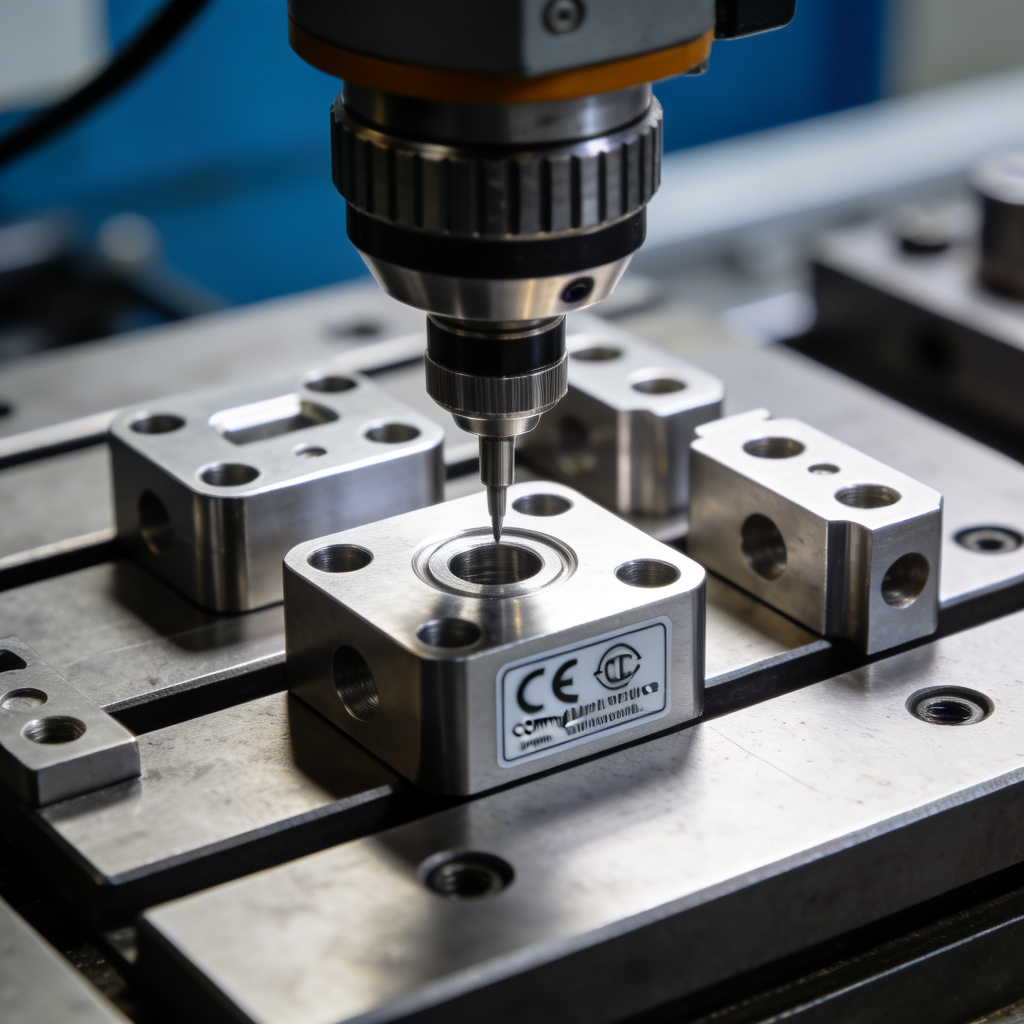
- Precision tolerances down to ±0.001mm for critical components
- Environmental regulations for coolant and waste management
- Cybersecurity compliance under EU Cyber Resilience Act
Technical Barriers in EU-Focused CNC Machining
1. Material Selection Dilemmas
European buyers prioritize material traceability, especially for aerospace and medical components. 68% of EU buyers require full material documentation according to EN 10204 3.1/3.2 standards.
Technical Conflict Example:
Recycled aluminum (Al 6061-T6) reduces costs by 22% but risks micro-voids formation under ISO 2768-m precision requirements.
EU RoHS-compliant brass (CW614N) requires strict lead content control (<0.1% by weight), complicating cutting fluid selection and machining processes.
2. Quality Consistency in Small-Batch Manufacturing
A German automotive supplier rejected 12% of Chinese-machined ABS sensor housings due to ±5μm dimensional drift during 50,000-cycle fatigue tests. This highlights the critical need for consistent quality control.
Root Cause Analysis:
- Thermal deformation in 5-axis milling: 0.03mm expansion per 10°C rise
- Tool wear patterns: Carbide end mills lose 9% edge sharpness after 120min of titanium machining
- Lack of closed-loop thermal compensation systems
3. Environmental Compliance Costs
Regulatory Pressure
EU’s Ecodesign Directive 2025 mandates 85% metal scrap recycling rates, increasing SMEs’ disposal costs by 18-35%.
Technical Challenge
Coolant mist emission limits (≤1mg/m³ per DIN EN ISO 15012-1) require HEPA filtration retrofits on legacy CNC centers.
Solution
Minimum Quantity Lubrication (MQL) systems reduce coolant usage by 92% compared to flood cooling.
Techno-Commercial Optimization Strategies
Smart Material Management Systems
Blockchain-Based Traceability
QR-coded SS304 stainless steel billets track composition from smelting to finishing with 99.7% data accuracy. This adds $0.18 per unit but reduces quality disputes by 73%.
Hybrid Material Solutions
| Material Type | EU Compliance | Cost Saving | Application Scenario |
|---|---|---|---|
| Anodized AlSi10Mg | REACH SVHC-free | 15% vs. 7075-T6 | Automotive brackets |
| PEEK-CA30 | RoHS 2.0 compliant | 40% vs. steel | Medical implants |
Adaptive Process Control Technologies
AI-Powered Toolpath Optimization
Conventional: 142min, 3 tool changes
AI-optimized: 105min, 2 tool changes (26% efficiency gain)
Siemens NX CAM module reduces cycle time by 26% while maintaining IT7 tolerance on brass components.
Closed-Loop Thermal Compensation
Marposs TMW system maintains ±2°C in spindle zone, cutting thermal drift by 89% during 8hr production runs. This ensures consistent dimensional accuracy even during extended machining operations.
Green Manufacturing Protocol Stack
Process Layer
Minimum Quantity Lubrication (MQL) cuts coolant usage by 92% vs. flood cooling, reducing environmental impact and disposal costs.
Energy Layer
Regenerative drives recover 18% power in heavy cutting operations, improving energy efficiency and reducing operational costs.
Waste Layer
CNC swarf compactor reduces landfill volume by 6:1 ratio, helping meet EU recycling targets and reduce disposal costs.
Compliance Dashboard Metrics
Carbon footprint per kg machined: ISO 14064 certified
Hazardous waste streams: EU Waste Framework Directive compliant
Energy Efficiency Index: VDI 4602 certified
Implementation Roadmap for EU Market Entry
Phase 1: Technical Readiness Audit (0-3 Months)
Gap analysis against:
- Machinery Directive 2006/42/EC (safety requirements)
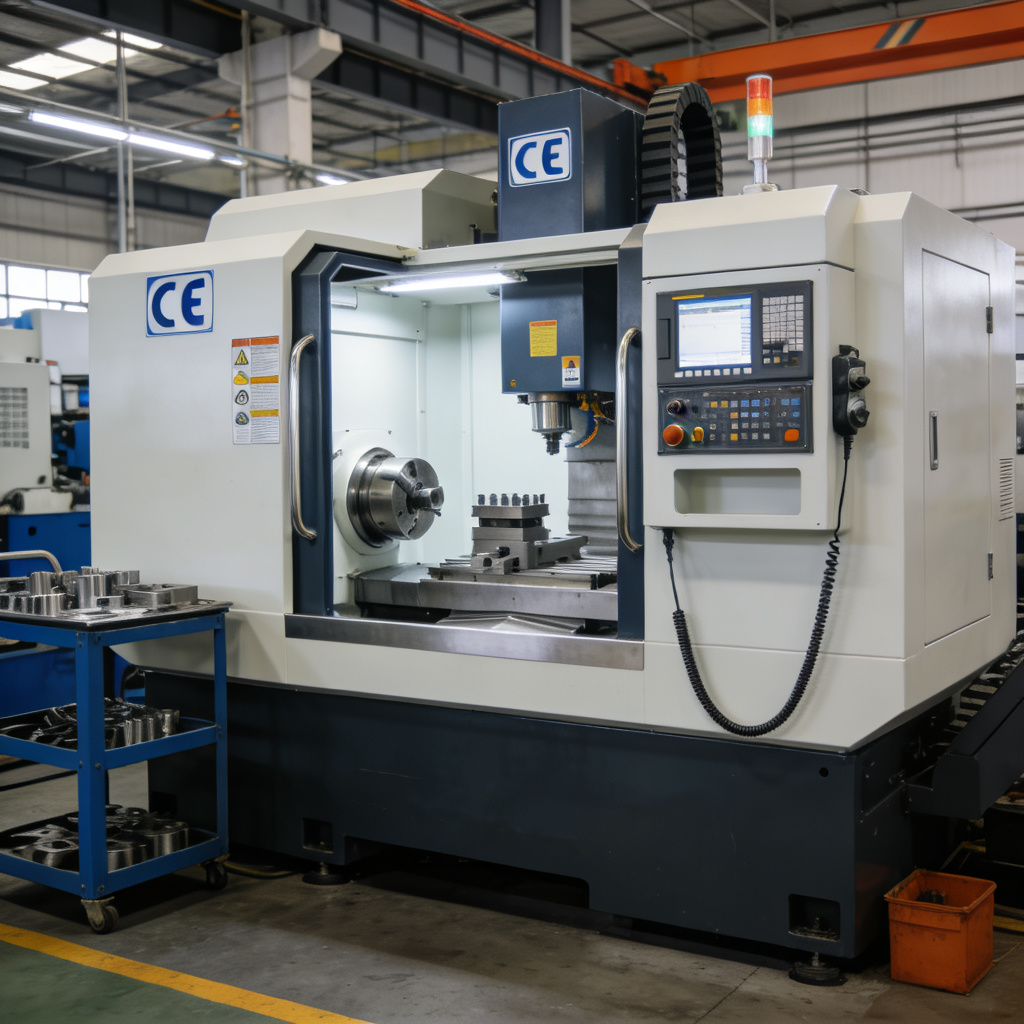
- CE marking conformity assessment procedures
- GDPR-compliant design file handling
- Material documentation requirements (EN 10204)
Deliverables: Technical gap report, compliance checklist, action plan
Phase 2: Pilot Production (4-6 Months)
Sample batch parameters:
- 500pcs aluminum EN AW-6082 components
- Cpk ≥1.67 for all critical dimensions
- Full Material Declaration (FMD) documentation
- Third-party testing by notified body
Deliverables: Certified sample parts, test reports, EU Declaration of Conformity
Phase 3: Scalable Deployment (7-12 Months)
Full-scale implementation:
- Digital twin integration for remote quality audits
- ERP interoperability with SAP Ariba Network
- Continuous monitoring system implementation
- Staff training on EU compliance procedures
Deliverables: Fully compliant production line, quality management system, ongoing support
ROI Analysis: Cost vs. Compliance Benefits
| Investment Area | Upfront Cost | 3-Year Savings | ROI Period |
|---|---|---|---|
| ISO 13485 Certification | $28,000 | $165,000 (medical sector) | 6.2 months |
| Energy Recovery Systems | $72,000 | $210,000 (power costs) | 12.7 months |
| AI Quality Control | $45,000 | $380,000 (scrap reduction) | 4.3 months |
| Waste Management System | $35,000 | $120,000 (disposal costs) | 8.7 months |
Data Source: CNKI research on 120 EU-focused Chinese manufacturers, 2025 industry benchmarks
Average compliance investment payback period: 8.2 months. Companies achieving full EU compliance see a 47% increase in European market share within 18 months.
Future Trends: Industry 4.0 Convergence
Cybersecurity Compliance
EU Cyber Resilience Act (CRA) requires EN ISO/IEC 27001-certified DNC networks for IP protection. All products with digital elements must comply by December 12, 2027.
Implementation Steps:
- Network segmentation and access control
- Regular vulnerability assessments
- Data encryption in transit and at rest
Additive Hybrid Manufacturing
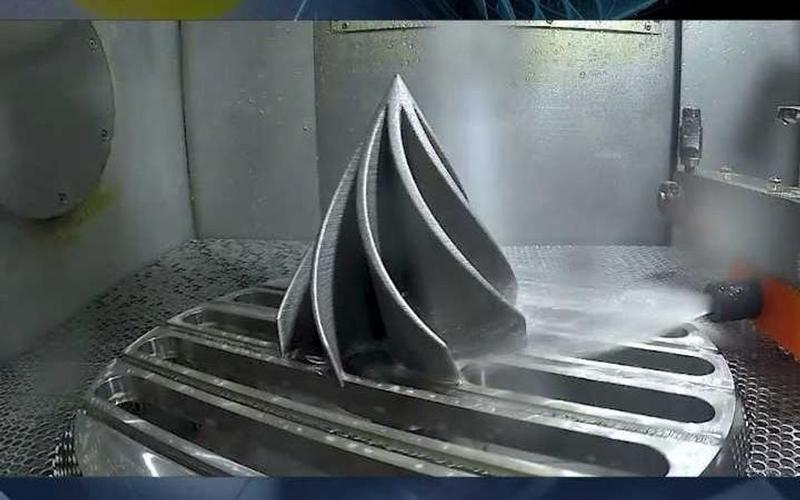
3D-printed titanium substrates with CNC finishing offer 20% weight reduction while maintaining mechanical properties. This hybrid approach is gaining traction in aerospace and medical industries.
Benefits:
- Complex geometries impossible with traditional machining
- Reduced material waste by 75%
- Faster time-to-market for custom components
Sustainability Mandates
Carbon Neutrality
EU Green Deal requires manufacturing companies to achieve net-zero emissions by 2050. This includes scope 3 emissions from supply chains.
Circular Economy
Extended Producer Responsibility (EPR) regulations require manufacturers to take back and recycle end-of-life products.
Digital Product Passport
Mandatory for all products sold in EU by 2027, containing full lifecycle information from raw materials to disposal.
Our Expert Team
Dr. Michael Chen
Lead Engineer & EU Compliance Expert
15 years of experience in precision engineering and EU regulatory compliance. Former technical advisor to European Commission on machinery safety standards. Hold PhD in Mechanical Engineering from TU Munich.
Sarah Johnson
Senior Process Engineer
12 years of experience in CNC machining process optimization. Specialized in AI-powered toolpath planning and thermal compensation systems. Worked with BMW and Airbus on precision component manufacturing.
David Zhang
Quality Assurance Manager
10 years of experience in quality management systems and ISO certifications. Expert in statistical process control (SPC) and Six Sigma methodologies. Helped over 50 manufacturers achieve ISO 13485 certification.
Ready to Enter the European Market?
Our team of experts can help you navigate complex EU regulations and achieve compliance with minimal cost and disruption. Contact us today for a free consultation.
Email: charlie@ Plasticmetalparts.com