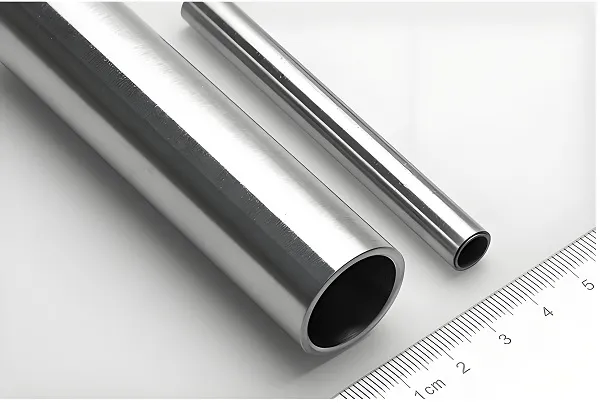
Is CNC Machining Outdated?
No, CNC machining is not outdated.
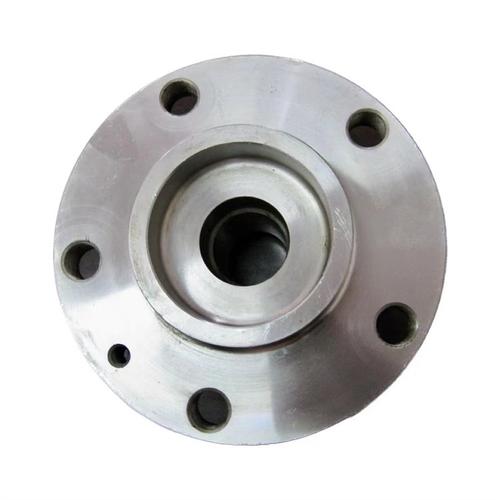
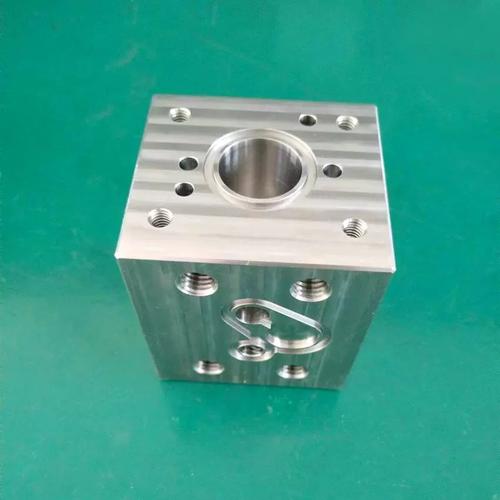
While newer technologies such as metal 3D printing and smart factory automation have expanded manufacturing options, c It continues to dominate industries requiring tight tolerances, repeatability, premium surface finish, engineering-grade materials and scalable production.
Quick Facts About Modern CNC
| Precision | ±0.005–0.01 mm Meets aerospace & medical requirements |
| Materials | 60+ metals & engineering plastics |
| Production Scale | 1pc prototype to 100,000+ mass production |
| Key Industries | Aerospace / Medical / Automotive / Electronics |
| Relationship to 3D Printing | Complementary, not competitive |
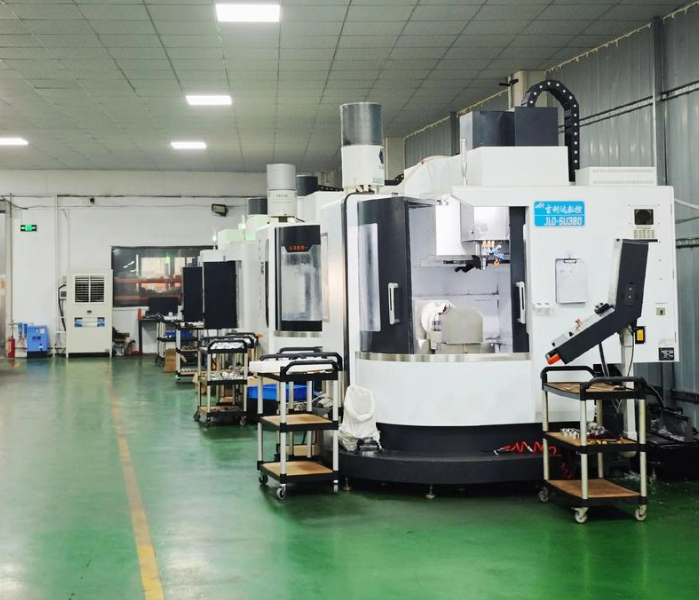
Why Do People Think CNC Is Outdated?
It’s easy to understand why some people assume CNC machining is an outdated technology. After all, the first numerical control machines emerged in the 1940s, and computer numerical control (CNC) became widespread in the 1970s. That’s decades of history, which can make it seem old compared to newer manufacturing trends.
Common misconceptions that lead to this question include:
- CNC technology was invented decades ago, so it must be obsolete
- 3D printing and additive manufacturing receive far more media attention, making them seem like the future
- Industry 4.0, AI manufacturing and smart factories are marketed as “newer” replacements
- Automation has changed factory floors so much that people assume the underlying machining technology has been replaced
However, age does not equal obsolescence. Many of the most reliable and essential technologies we use today have been around for decades, and have simply evolved to meet modern demands. CNC machining is no exception.
What CNC Machining Still Does Better Than Newer Technologies
While newer manufacturing technologies have their place, CNC machining still outperforms them in critical areas that matter most to engineering and procurement teams:
CNC vs 3D Printing: Replacement or Complement?
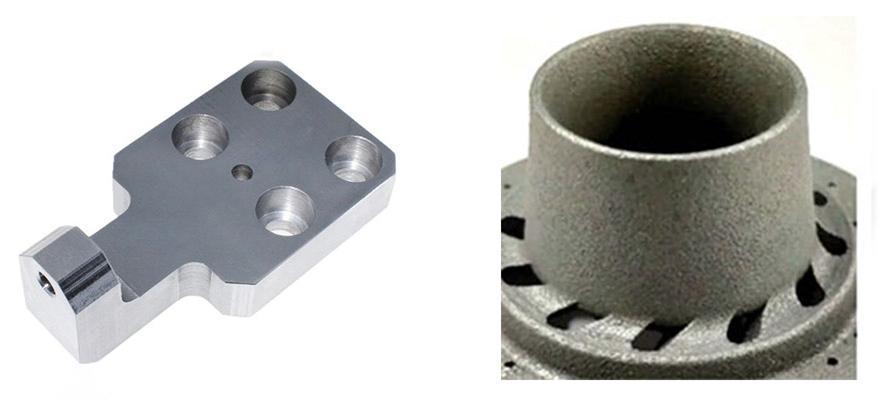
One of the biggest reasons people ask if CNC is outdated is because they assume 3D printing will replace it entirely. But the reality is that these two technologies are complementary, not competitive.
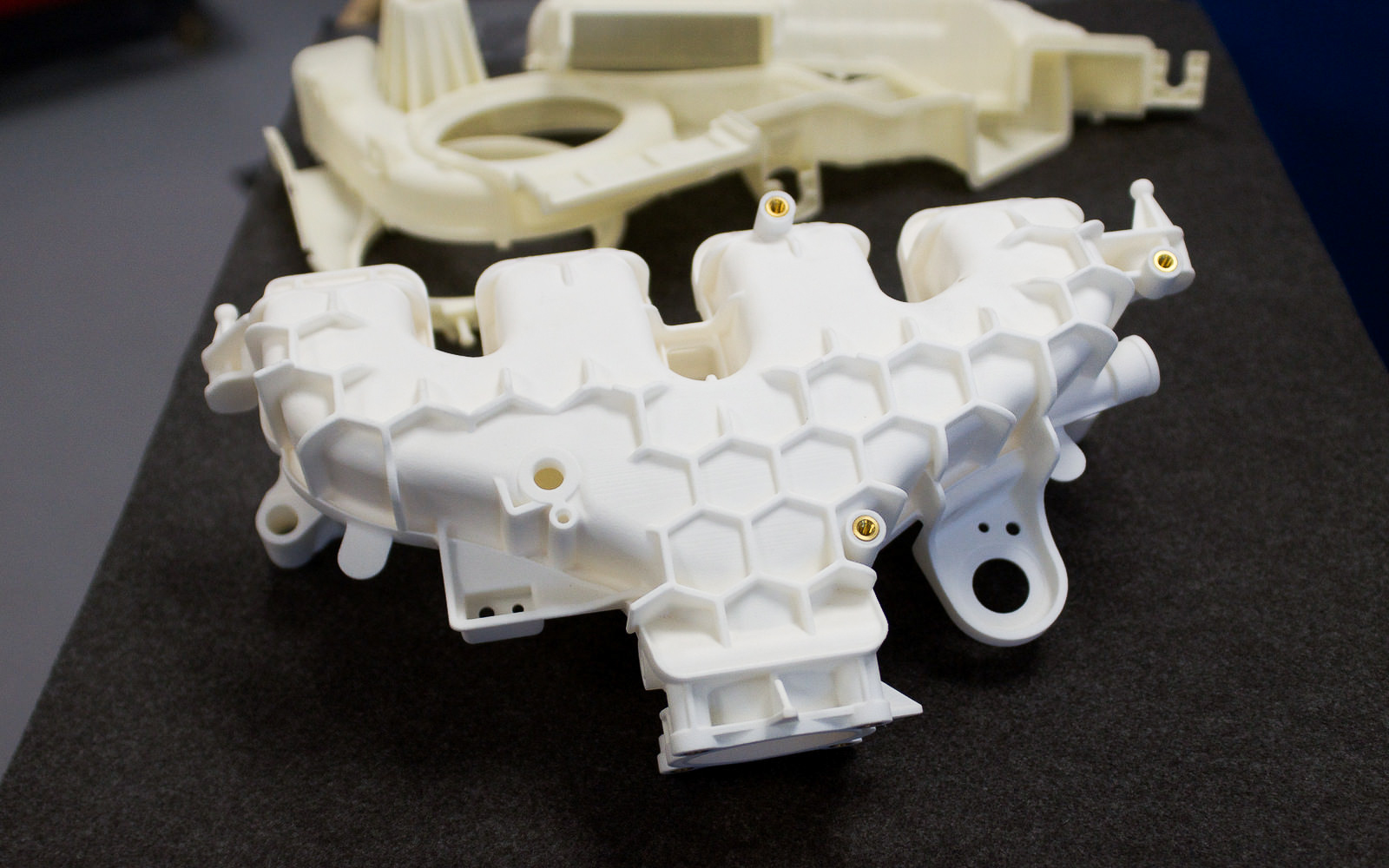
3D printing excels at:
- Rapid concept prototypes with complex geometries
- Internal lattice structures that are impossible to machine
- Low-volume production of highly complex parts
While CNC machining excels at:
- Functional prototypes that match production material properties
- Parts requiring tight tolerances and perfect assembly fit
- Bridge and mass production with consistent quality and cost
- Parts that need to withstand high stress or wear
Many modern manufacturers use both technologies together: 3D printing for early concept models, and CNC machining for functional prototypes and production parts. This hybrid approach gives engineering teams the best of both worlds.
Why Industries Still Depend on CNC Machining
The fact that CNC machining is still the go-to choice for the world’s most demanding industries is the strongest proof that it’s far from outdated. These industries rely on CNC because no other technology can consistently deliver the precision, material properties and reliability they need:
Aerospace
Flight-critical components require extreme precision and material certification that only CNC can deliver AS9100 compliant
Medical
Implantable devices and surgical tools need biocompatible materials and tight tolerances
Automotive
High-volume production of engine and transmission components with consistent quality
Electronics
Miniature components with complex features and heat dissipation requirements
Defense
Rugged, reliable parts that meet strict military specifications
Industrial Equipment
Heavy-duty components that can withstand years of heavy use
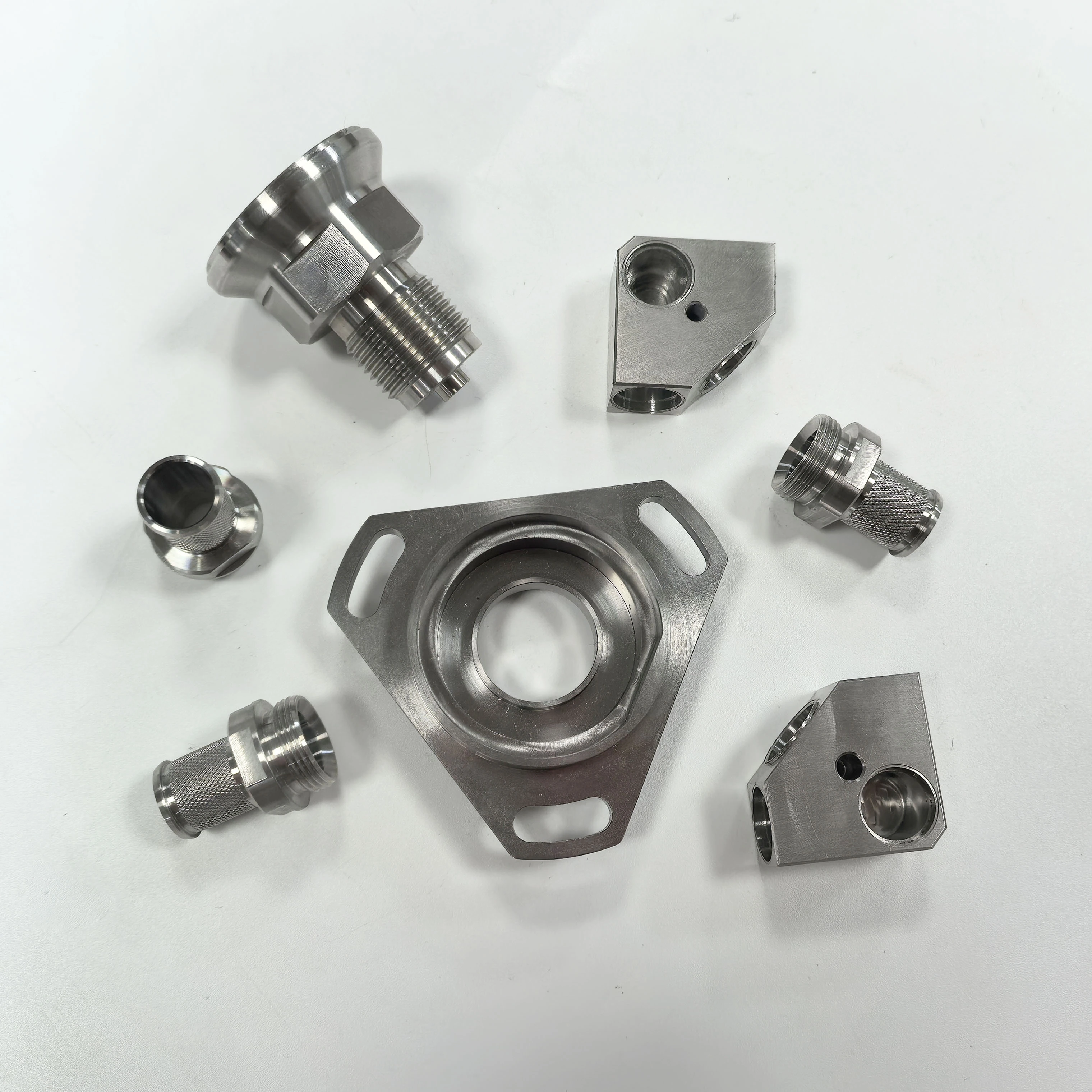
How CNC Machining Has Evolved for the Modern Era
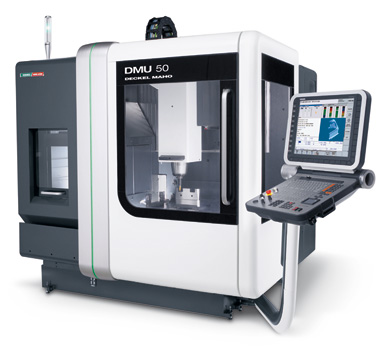
CNC machining isn’t stuck in the 1970s. It has evolved dramatically over the decades, incorporating all the latest advances in technology to meet modern manufacturing demands:
- 5-Axis Machining – Modern CNC machines can machine complex parts from 5 axes in a single setup, enabling geometries that were once impossible, reducing setup time and improving accuracy Cuts lead time by 40% for complex parts
- Advanced CAD/CAM Software – Modern programming software uses AI to optimize toolpaths, reducing machining time and improving surface finish while minimizing material waste
- Robotic Automation – Robotic loading and unloading enables lights-out manufacturing, 24/7 production, and consistent quality without manual intervention
- Digital Quality Control – Integrated CMM inspection and in-process monitoring ensure every part meets specifications, with digital traceability for every production run
- AI-Assisted Machining – Modern CNC systems use AI to adjust cutting parameters in real-time, compensating for material variations and tool wear to maintain consistent precision
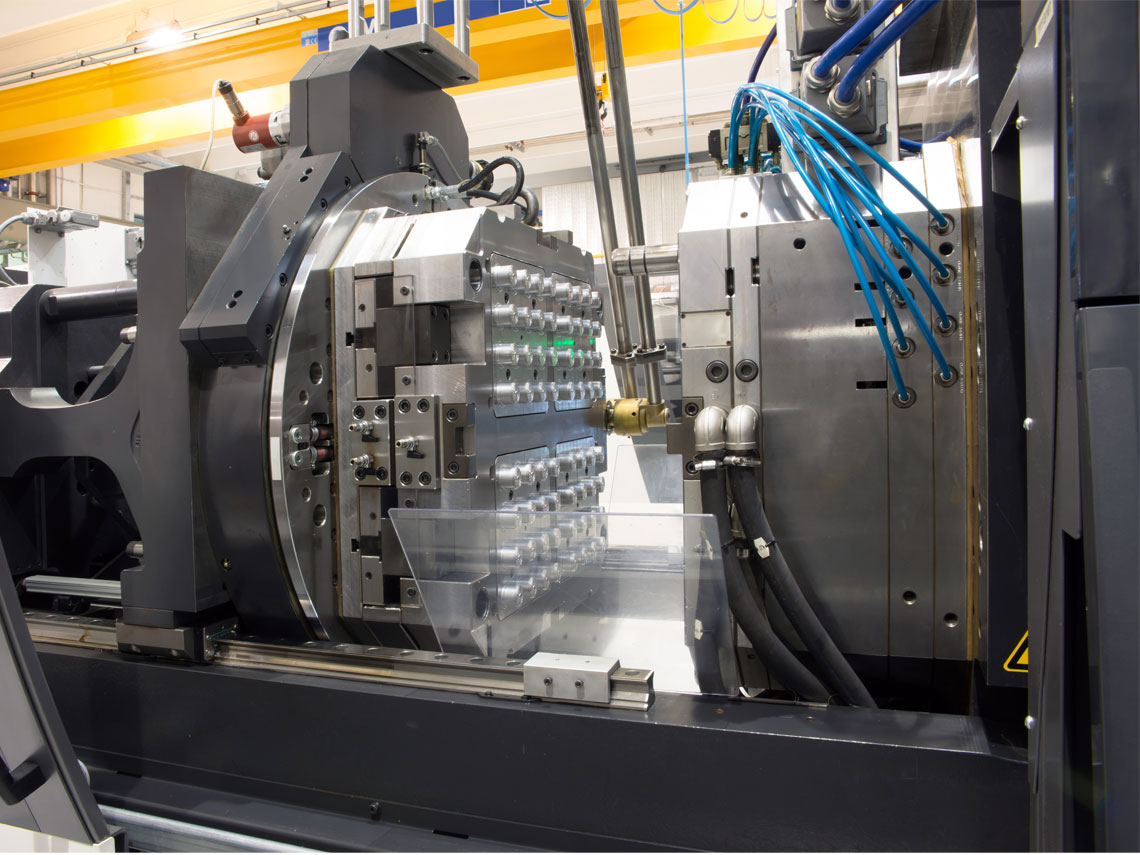
- Smart Factory Integration – CNC machines are now fully integrated into Industry 4.0 systems, with real-time monitoring, predictive maintenance, and full supply chain connectivity
When CNC Machining May Not Be the Best Choice
To be transparent, CNC machining isn’t the right choice for every project. Being honest about its limitations is what builds trust with our customers, and it’s also why we work with multiple manufacturing technologies to offer the best solution for each project.
CNC machining may not be the best option if you need:
- Ultra-complex internal lattice structures – For lightweight parts with internal geometry, 3D printing is the only viable option
- Very low-cost concept models – If you just need a visual model to check form, 3D printing is often faster and cheaper
- Highly porous lightweight structures – For applications where porosity is a feature, additive manufacturing has unique advantages
- Extremely low-volume production of highly complex parts – For very small runs of parts with extremely complex geometry, 3D printing can be more cost-effective
But for 80% of functional parts and production projects, CNC machining remains the most practical, cost-effective and reliable solution available today.
Is CNC Still Worth It for Modern Product Development?
Absolutely. For modern product development teams, CNC machining remains one of the most valuable tools in the manufacturing toolkit. It offers:
Fast Functional Prototypes
Get production-quality functional parts in days, not weeks, to test your design before full production
Bridge Production
Launch your product with CNC parts while you set up mass production tooling, getting to market faster
Precision Components
Produce parts with the tight tolerances and material properties your product needs to perform reliably
Custom CNC Machining for Your Modern Manufacturing Projects
At Goldcattle, we’ve been helping engineering and procurement teams leverage modern CNC machining for over 26 years. We combine the latest 5-axis machining technology, automated quality control and DFM engineering support to help you bring your products to market faster.
We support a full range of materials to match your project requirements:
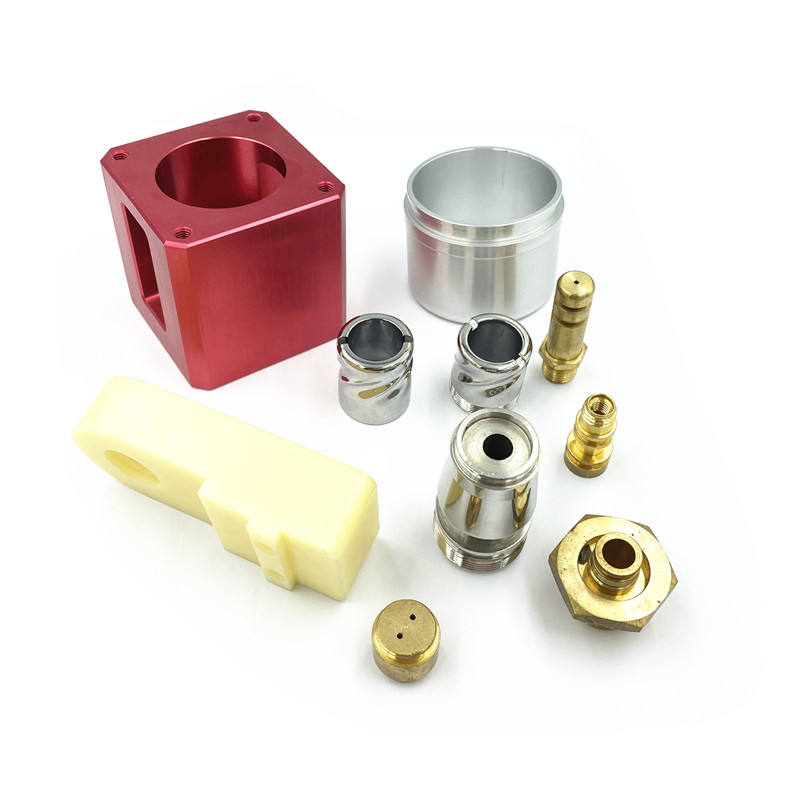
- Aluminum alloys (6061, 7075, 2024)
- Stainless steel (304, 316, 17-4PH)
- Brass, copper and bronze
- Titanium and other exotic metals
- Engineering plastics (ABS, POM, Nylon, PEEK)
Whether you need functional prototypes, bridge production or full mass production, we can deliver the precision, quality and lead time you need.
Frequently Asked Questions
Ready to Start Your CNC Machining Project?
Upload your CAD files, tell us your requirements, and we’ll get back to you with a detailed quote and DFM feedback within 24 hours.