Precision Machine Screw Manufacturing Services
Custom OEM Fasteners for Medical, Electronics, Automotive and Industrial Applications.
Common Challenges in Precision Screw Manufacturing
Precision Thread Manufacturing Process
We utilize advanced thread manufacturing techniques to ensure optimal strength, surface finish, and dimensional accuracy for your precision fasteners. The choice of thread method directly impacts the performance and lifespan of your components.
Thread Rolling vs. Thread Cutting
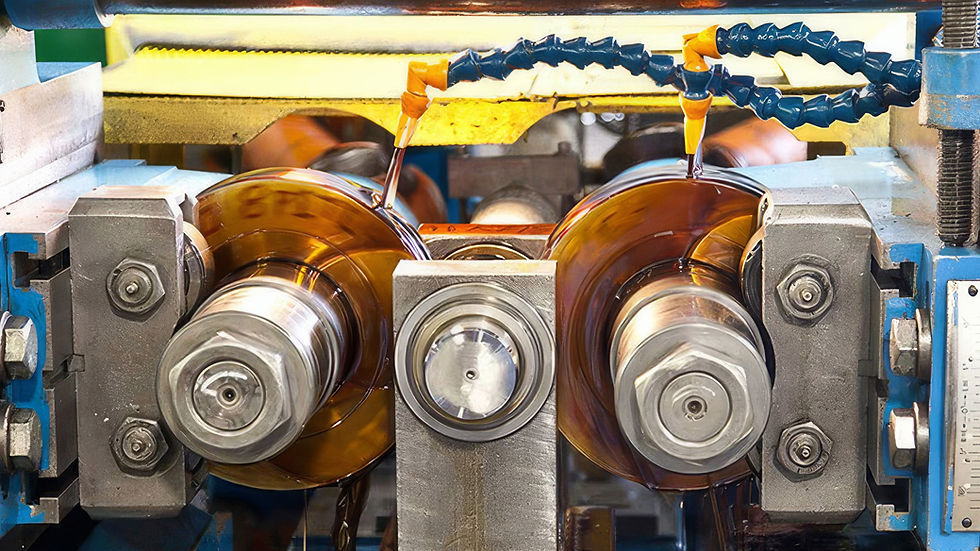
Thread Rolling: This cold-forming process displaces material to create threads, resulting in improved fatigue resistance, smoother surface finish, and stronger thread integrity. It is ideal for high-volume production of precision fasteners where durability is critical.
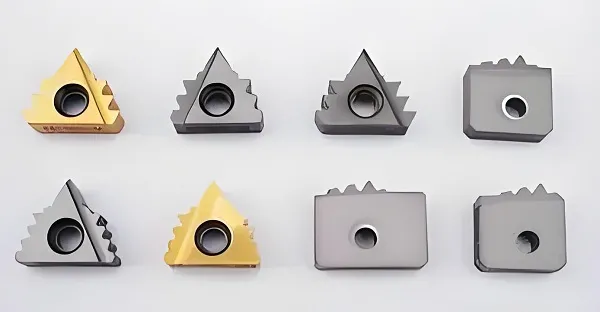
Thread Cutting: This material removal process cuts threads into the workpiece, offering greater flexibility for custom thread profiles and exotic materials. It is often used for low-volume prototypes or specialized applications.
For ultra-precision applications, we also offer Thread Grinding and Micro Thread Machining to achieve the tightest tolerances and finest thread pitches for miniature components.
Materials for Precision Machine Screws
Selecting the right material is critical to ensuring your fasteners perform reliably in your specific application environment. We work with a wide range of high-quality materials to meet your performance requirements.
304 Stainless Steel
The most versatile general-purpose stainless steel, offering good corrosion resistance and mechanical properties. Ideal for general industrial applications and non-extreme environments.
Best for: General industrial equipment, indoor applications, standard corrosion requirements
316 Stainless Steel
With added molybdenum, 316 stainless provides superior corrosion resistance, especially against chloride and salt environments. It meets medical and food-grade requirements.
Best for: Medical devices, marine equipment, high-corrosion environments, food processing
Titanium Alloy
Offers exceptional strength-to-weight ratio, biocompatibility, and excellent corrosion resistance. It is lightweight and non-magnetic, perfect for demanding high-performance applications.
Best for: Aerospace components, medical implants, lightweight structures, corrosive environments
Alloy Steel 12.9
A high-strength alloy steel with excellent tensile strength and hardness. It is designed for heavy-duty applications where maximum clamping force is required.
Best for: Heavy industrial machinery, automotive applications, high-load structural connections
Precision Machining Capabilities
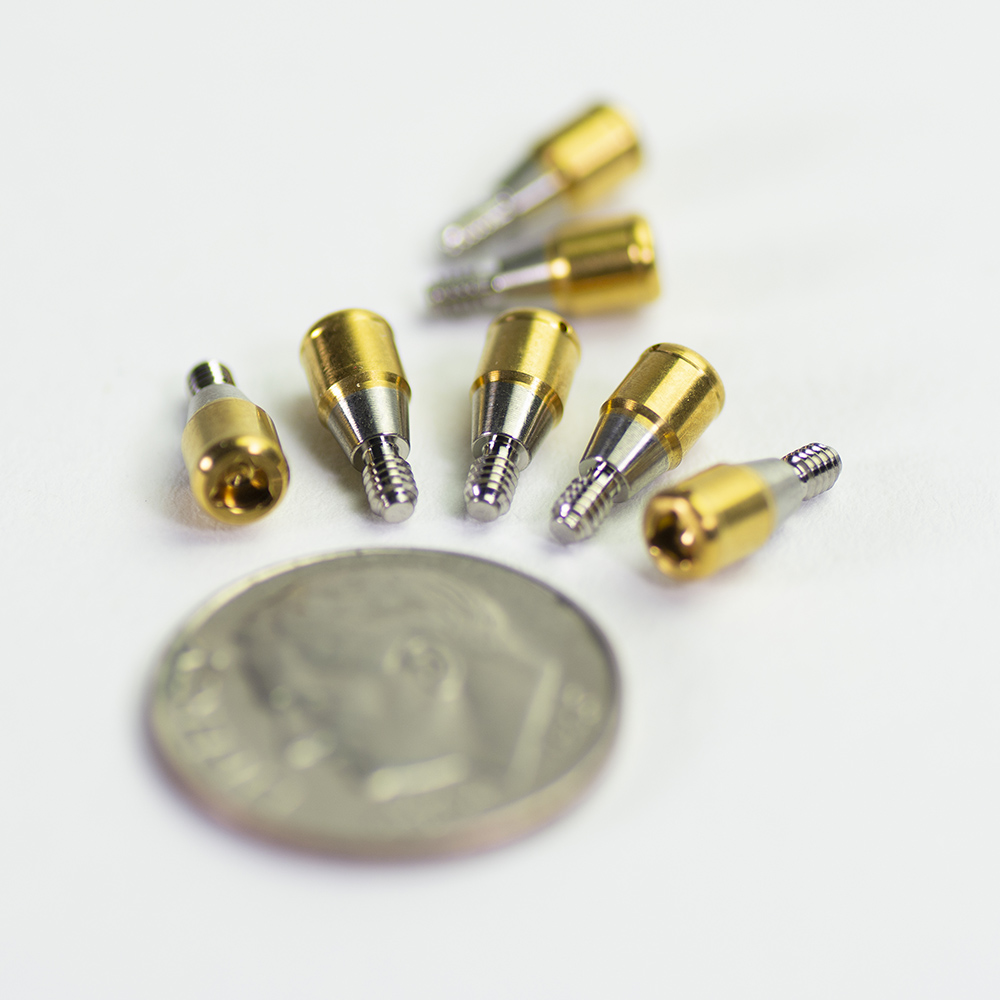
Our advanced machining capabilities allow us to produce the smallest and most precise fasteners for demanding applications. We utilize state-of-the-art equipment to achieve unmatched accuracy and consistency.
- ✓ CNC Swiss Machining – For high-precision small parts with tight tolerances
- ✓ Micro Turning – Capable of producing miniature components down to 0.2mm diameter
- ✓ Thread Grinding – For ultra-precision thread profiles and surface finishes
- ✓ 5-Axis Machining – For complex, multi-dimensional custom fastener geometries
Technical Specifications
These standard capabilities can be customized to meet your specific project requirements. Contact our engineering team to discuss your unique specifications.
Industries We Serve
Medical Devices
Biocompatible miniature screws for surgical instruments, implants, and diagnostic equipment, meeting strict regulatory requirements.
Electronics
Micro precision fasteners for consumer electronics, telecommunications equipment, and printed circuit board assemblies.
Aerospace
High-strength, lightweight fasteners meeting aerospace standards for aircraft components and satellite systems.
Automotive
Durable fasteners for automotive assemblies, electric vehicle components, and powertrain applications with consistent performance.
Robotics
Precision fasteners for robotic arms, automation systems, and precision motion control components.
Industrial Equipment
Reliable fastening solutions for heavy machinery, industrial automation, and manufacturing equipment.
Quality Control for Precision Screws
We implement rigorous quality control processes to ensure every fastener meets your exact specifications and performance requirements. Our comprehensive testing and inspection procedures guarantee consistent quality across every production batch.
- ✓ Optical inspection for surface defects
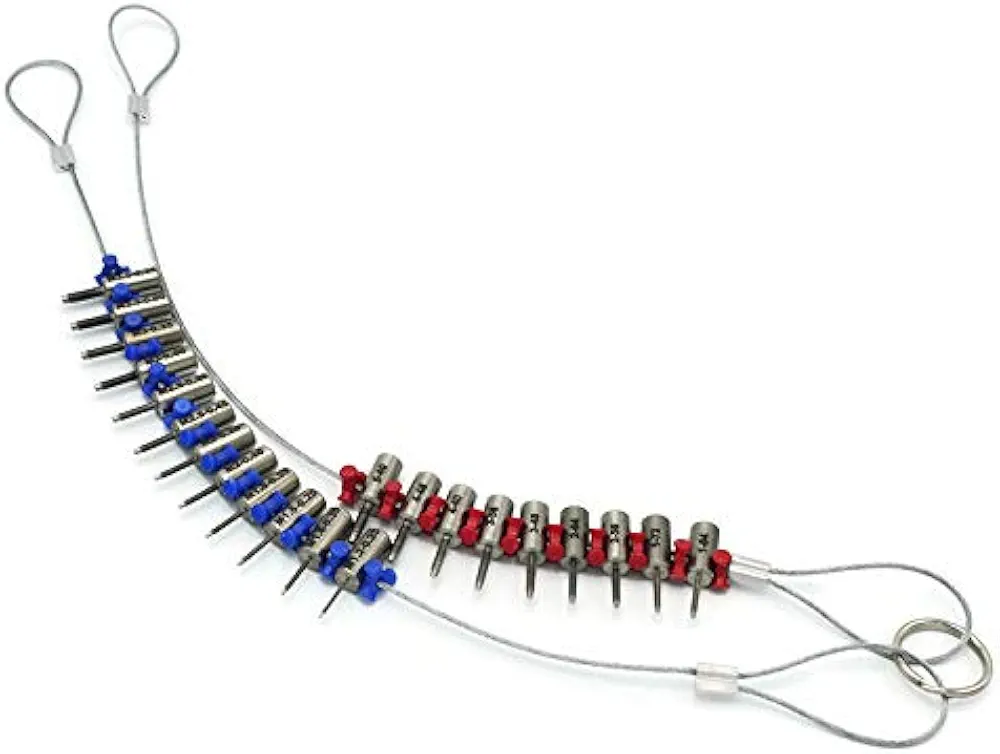
- ✓ Thread gauge verification of thread profiles
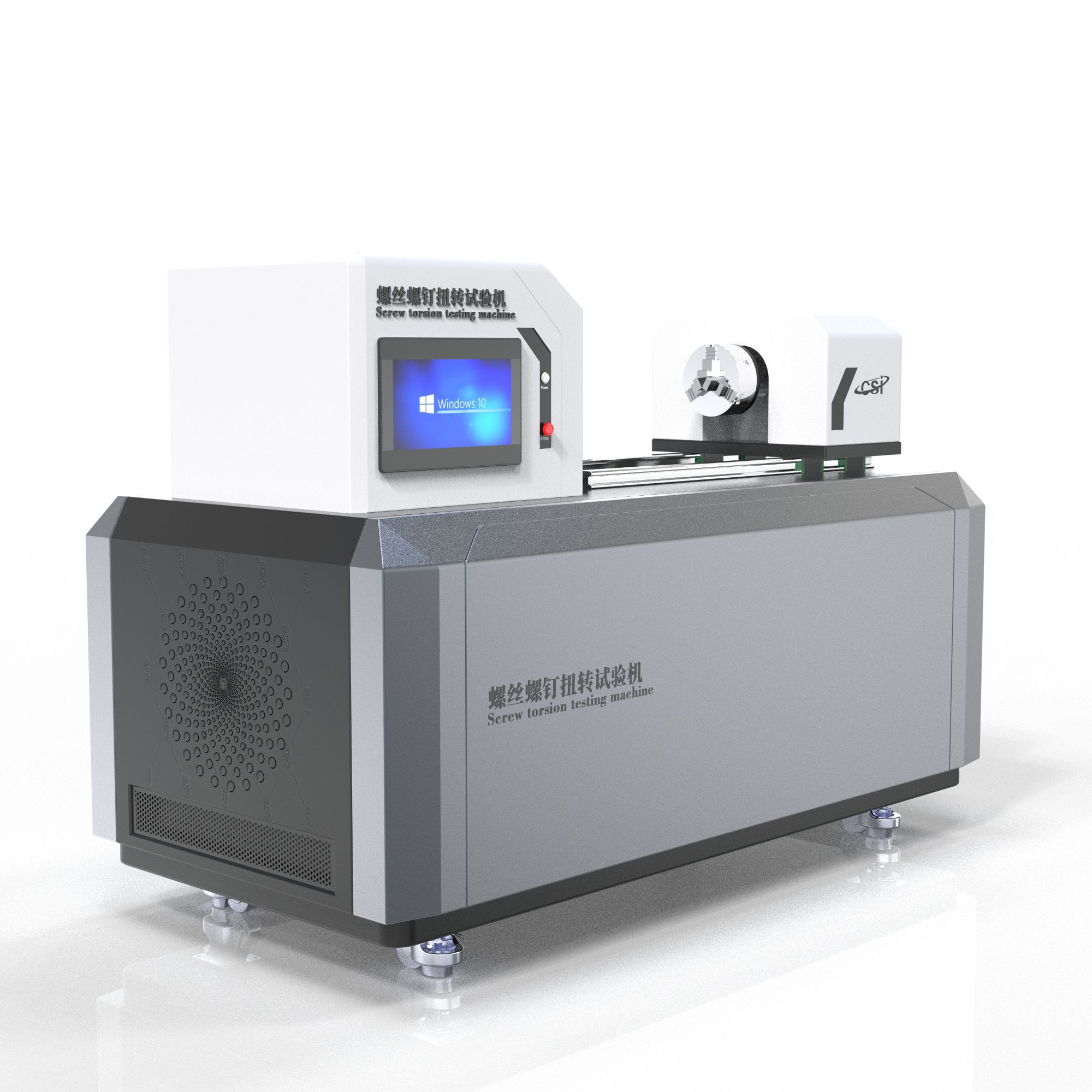
- ✓ Torque testing for assembly consistency
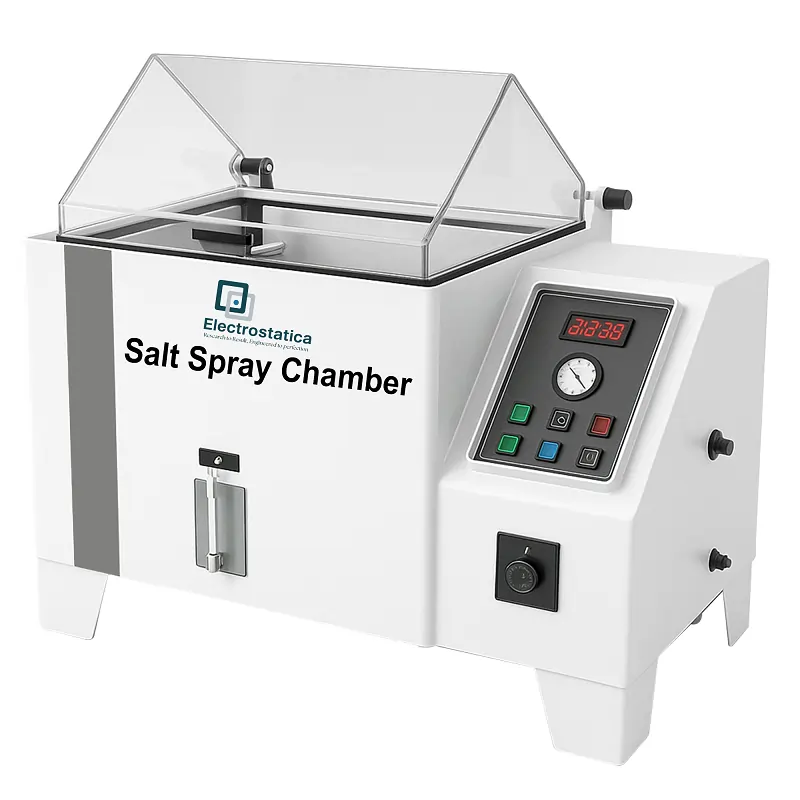
- ✓ Salt spray testing for corrosion resistance
- ✓ Hardness testing for material strength
- ✓ SPC process control for batch consistency
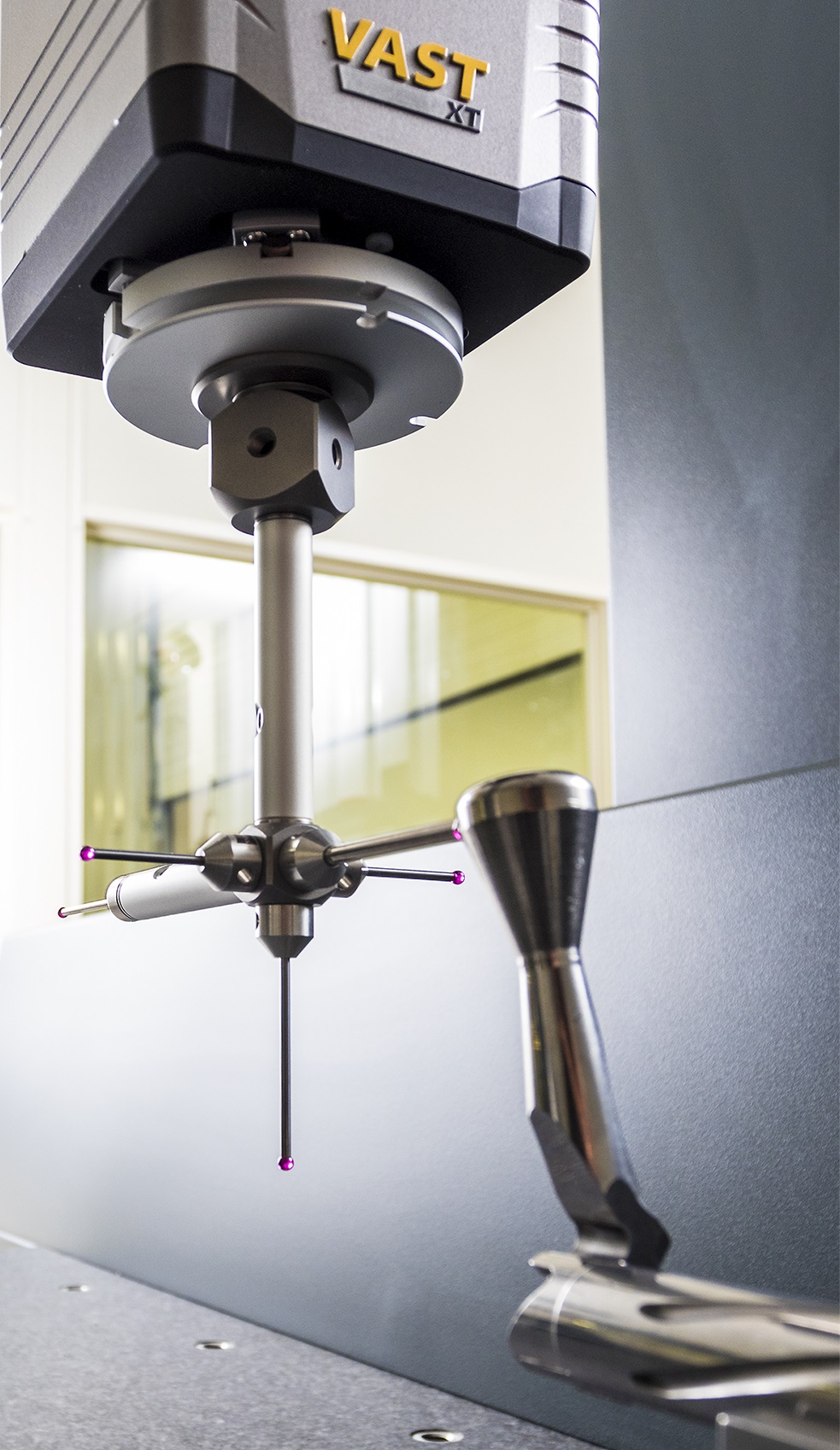
- ✓ Dimensional inspection with CMM
- ✓ Full material certification traceability
OEM Precision Screw Case Study
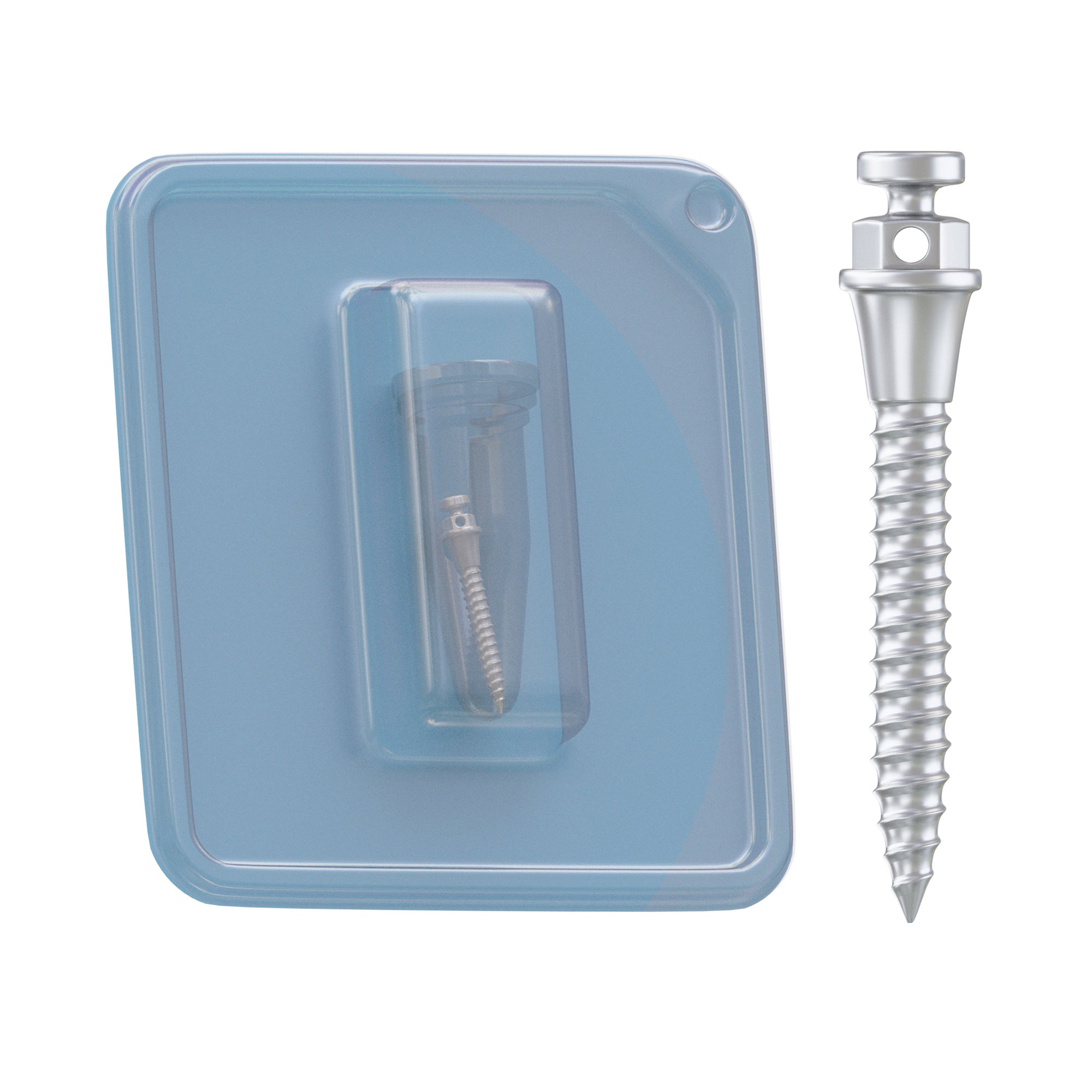
Medical Device Miniature Screw
We partnered with a leading medical device manufacturer to produce miniature screws for a new surgical instrument, addressing their challenges with burr formation and assembly yield.
| Material | 316L Stainless Steel |
| Diameter | M1.2 |
| Tolerance | ±0.003mm |
| Surface Finish | Electro-Polished Passivation |
| Challenge | Burr-free thread for sterile assembly |
| Result | 99.8% assembly yield, 0 field failures in 2 years |
Frequently Asked Questions
What is the difference between rolled and cut threads?
Rolled threads are created by cold-forming material, resulting in stronger fatigue resistance and smoother surfaces. Cut threads are made by removing material, offering more flexibility for custom profiles. Rolled threads are generally preferred for high-volume, high-performance applications.
What materials are best for precision machine screws?
The best material depends on your application. 304 stainless is ideal for general use, 316 stainless for medical/marine environments, titanium for aerospace/medical, and alloy steel for high-strength applications.
How do you improve screw fatigue resistance?
We use thread rolling to improve material grain structure, select high-quality raw materials, and implement strict heat treatment processes to enhance fatigue resistance and extend component lifespan.
What tolerance is achievable for miniature screws?
We can achieve tolerances as tight as ±0.003mm for miniature screws, depending on the size and material. Our standard precision tolerance is ±0.005mm for most applications.
What is the best corrosion-resistant screw material?
Titanium offers the highest corrosion resistance, followed by 316 stainless steel. 304 stainless provides good general corrosion resistance, while alloy steel requires additional coating for corrosive environments.
How are precision screws inspected?
We perform 100% inspection including optical checks, thread gauge verification, dimensional measurement with CMM, torque testing, and material testing to ensure every part meets specifications.
What is the difference between machine screws and self-tapping screws?
Machine screws require pre-tapped holes and work with nuts or threaded holes, providing precise, consistent clamping force. Self-tapping screws create their own thread in softer materials, ideal for quick assembly.
Why use thread rolling for precision screws?
Thread rolling improves fatigue strength by up to 30% compared to cut threads, creates a smoother surface finish, and ensures better dimensional consistency across large production batches.
What material is best for medical screws?
316L stainless steel and titanium are the most common materials for medical screws, as they are biocompatible, corrosion-resistant, and meet FDA and ISO regulatory requirements.
How to improve screw corrosion resistance?
We improve corrosion resistance through material selection (316 stainless, titanium), surface treatments like passivation and electro-polishing, and protective coatings to ensure long-term performance in harsh environments.
Ready to Discuss Your Precision Screw Project?
Our engineering team is ready to help you find the perfect fastening solution for your application. Contact us today to get a custom quote and discuss your specific requirements.