How long does CNC milling take?
Answer: There is no fixed value for the time required for CNC milling. It mainly depends on factors such as the complexity of the part, the hardness of the material,…

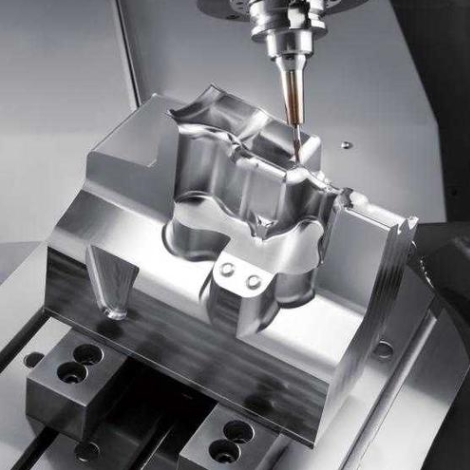
Answer: There is no fixed value for the time required for CNC milling. It mainly depends on factors such as the complexity of the part, the hardness of the material,…
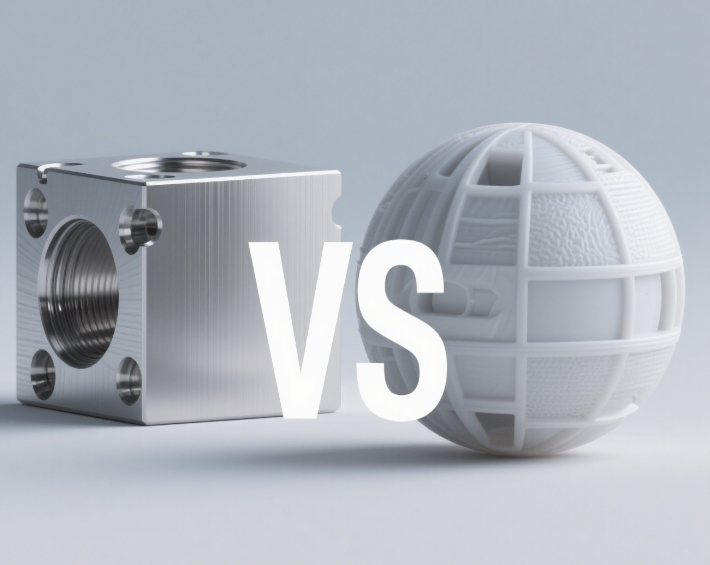
Answer There is no absolute answer to whether CNC machining is superior to 3D printing. The advantages and disadvantages of the two depend on the requirements of specific application scenarios,…
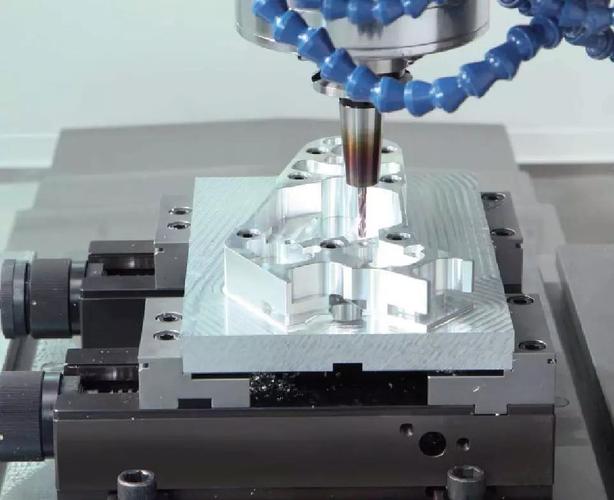
Answer CNC (Computer Numerical Control) is a technology that controls the movement of machine tools through computer programs, while machining is a processing method that removes materials through cutting, grinding,…
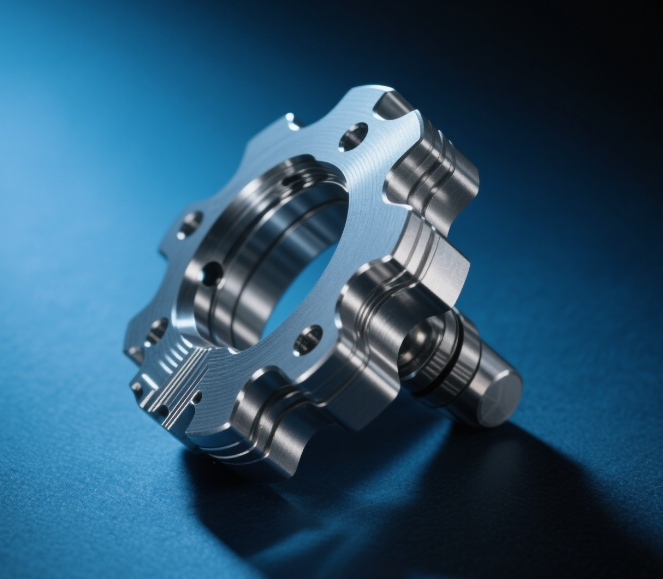
Answer Computer Numerical Control (CNC) is an automated technology that controls machine tool movements and processing via computer program instructions. It uses G-code/M-code to achieve high-precision, repeatable material removal or…
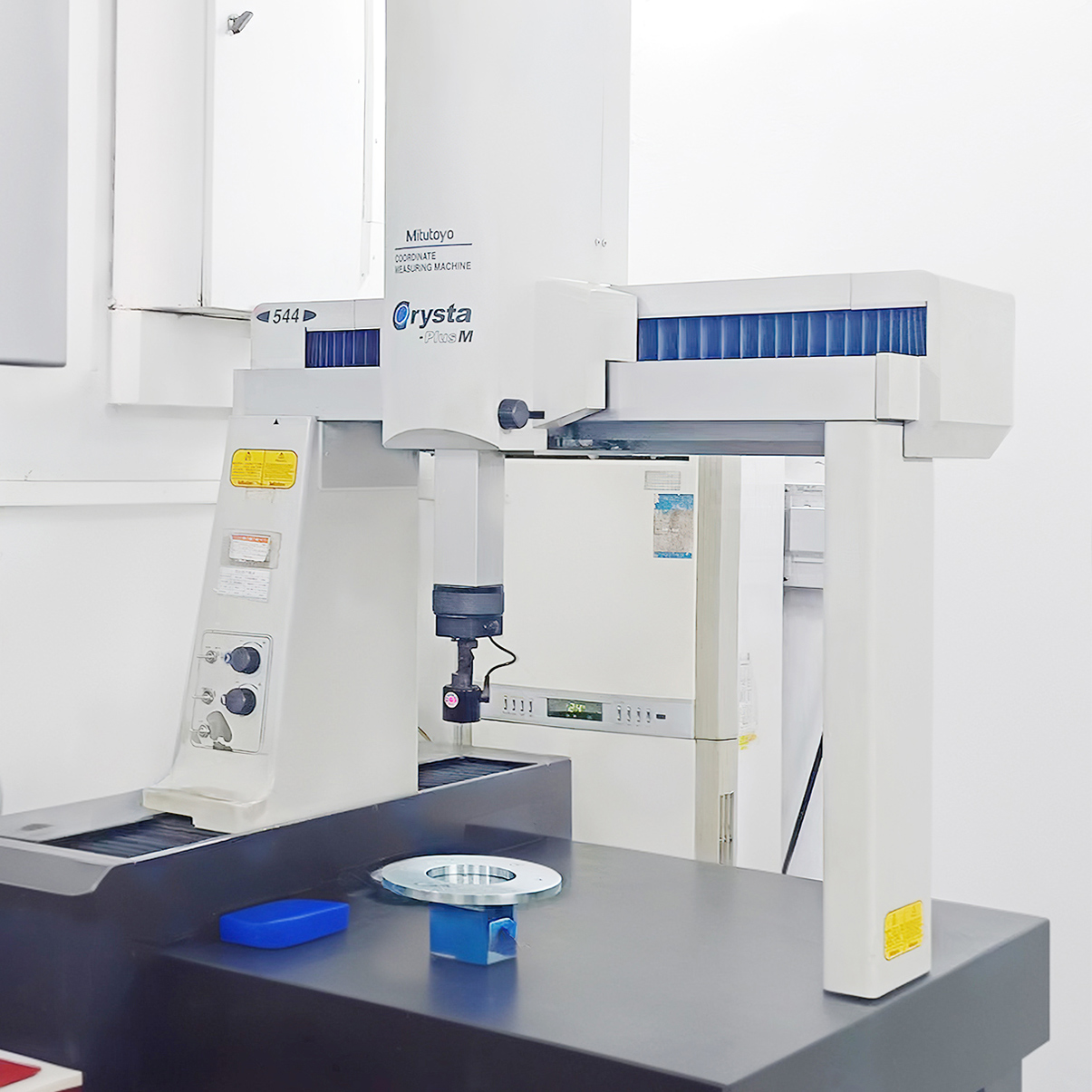
Dude, this is the ultimate guide to the precision manufacturing game-changer! Bro, Let Me Explain This Game-Changer! CNC precision machining is like the superhero of manufacturing! We use computer numerical…
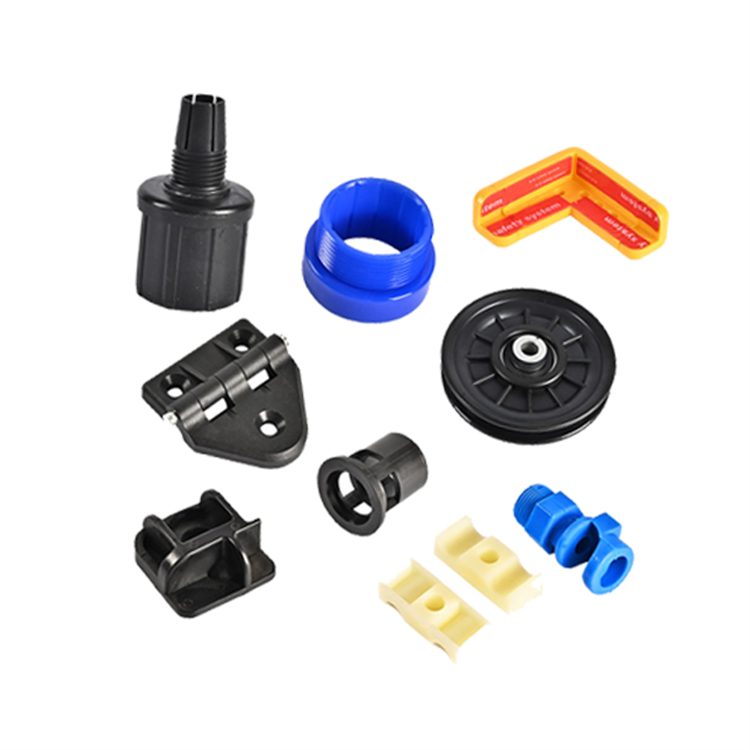
In industries such as packaging, automotive interiors, and home appliances, polypropylene (PP) has become the material of choice for injection molding due to its lightweight nature, strong chemical resistance, and…
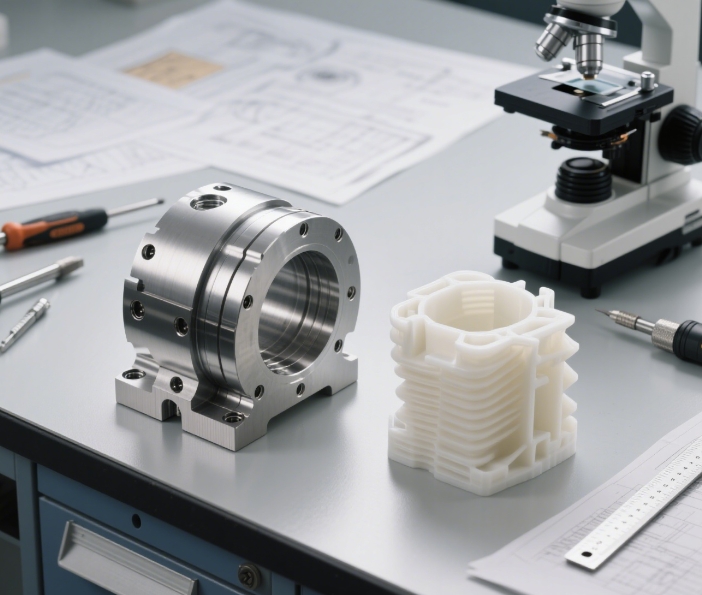
Answer Whether CNC is faster than 3D printing depends on the scenario: CNC is generally faster for mass-producing simple parts, while 3D printing may excel in single-piece production of complex structures…
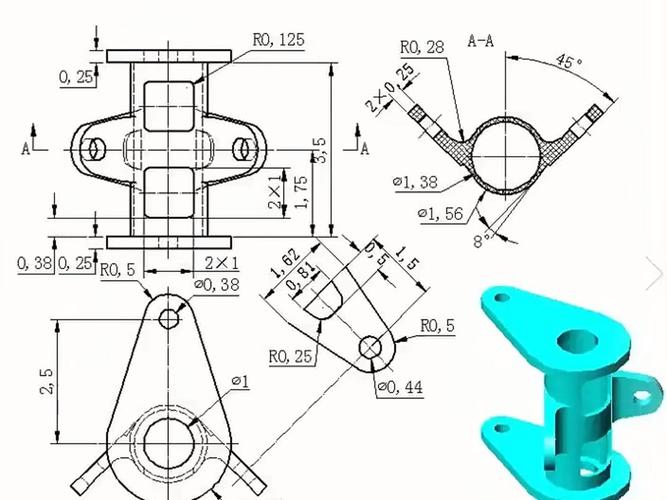
Answer The time to CNC a part varies based on part complexity, material, equipment, and process. Simple parts (e.g., standard components) take minutes to 1 hour, while complex parts (e.g., molds,…
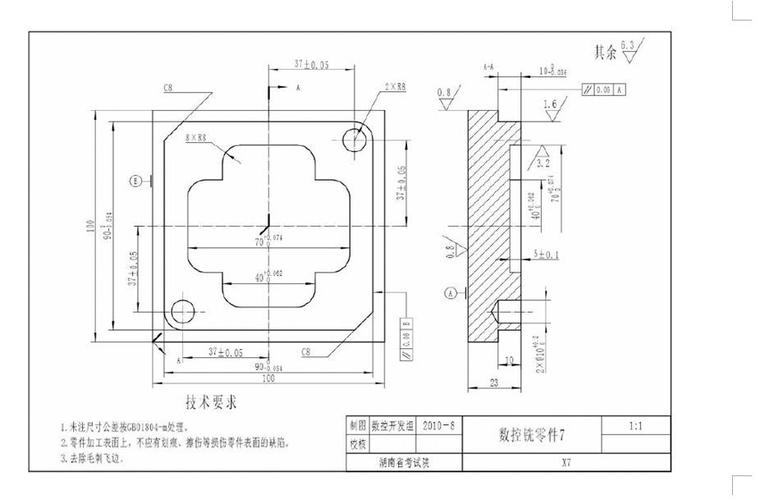
Answer When designing CNC – machined parts, one should follow the principles of “manufacturability, precision adaptation, and cost control”. The process includes requirements analysis → 3D modeling → process planning…
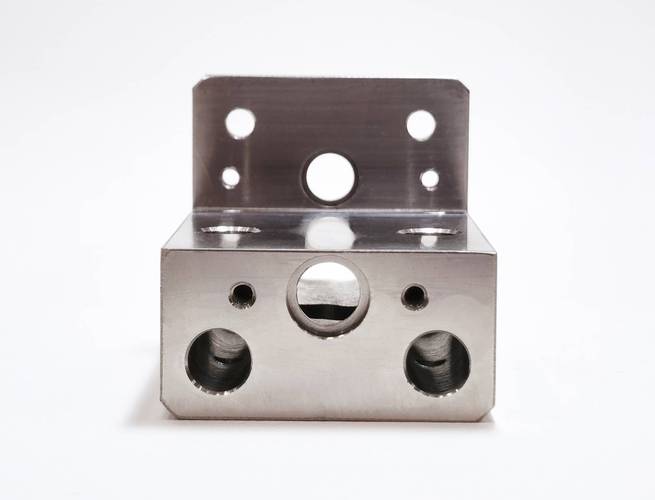
Answer “Custom parts” refer to non-standard components designed and manufactured according to specific user requirements, application scenarios, or technical specifications, meeting personalized needs in dimensions, shapes, functions, or materials, as…