Is brass good for machining?
Answer Yes, brass is excellent for machining. Its combination of softness, high ductility, and self-lubricating properties (due to lead content in alloys like C36000) makes it ideal for precision machining….


Answer Yes, brass is excellent for machining. Its combination of softness, high ductility, and self-lubricating properties (due to lead content in alloys like C36000) makes it ideal for precision machining….
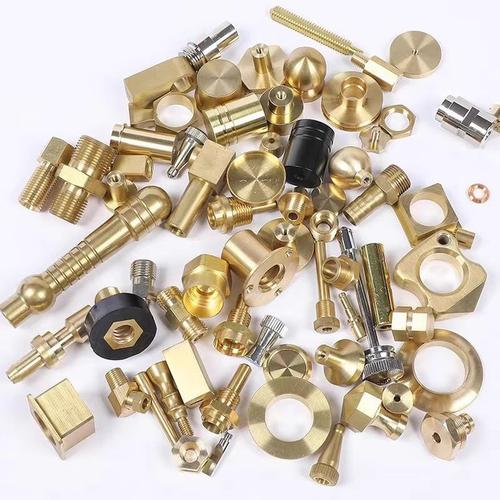
AnswerYes, CNC (Computer Numerical Control) machines can cut brass. As a common copper alloy, brass has good machinability. CNC machines can efficiently and precisely complete cutting, milling, drilling and other…
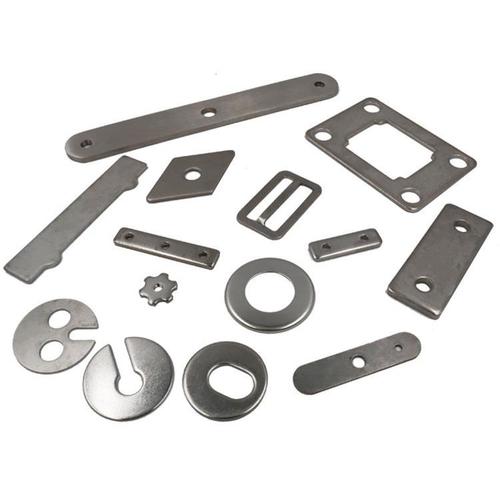
Answer The core difference between metal stamping and engraving lies in their technological essence: Stamping forms structural parts (e.g., car bodies) by deforming or separating metal through dies and presses,…
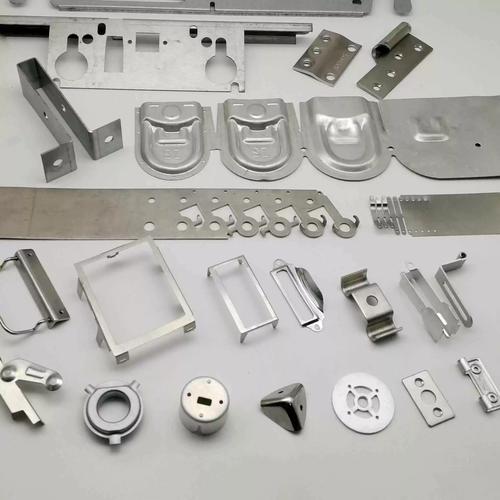
Answer The core difference between metal embossing and stamping lies in forming effects and process objectives: Embossing creates concave-convex textures (like patterns, letters) via local plastic deformation for surface decoration,…
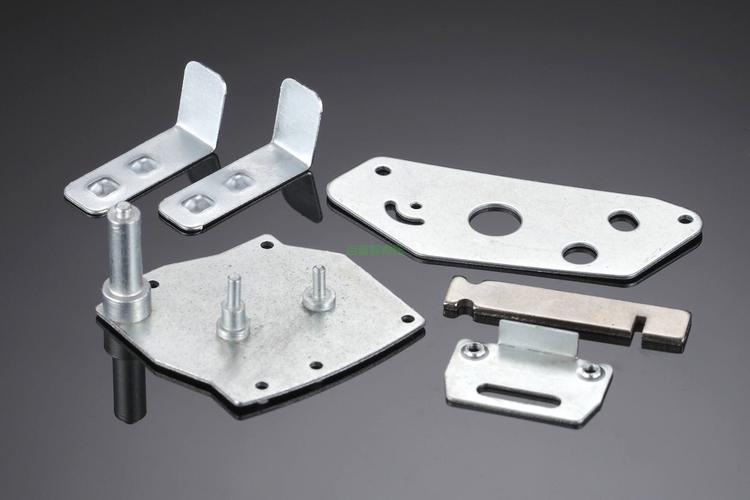
Etching vs Stamping: The Ultimate Technical Showdown Bro, Let’s Get Real About These Two Processes Alright listen up, if you’re confused about whether to use etching or stamping for your…
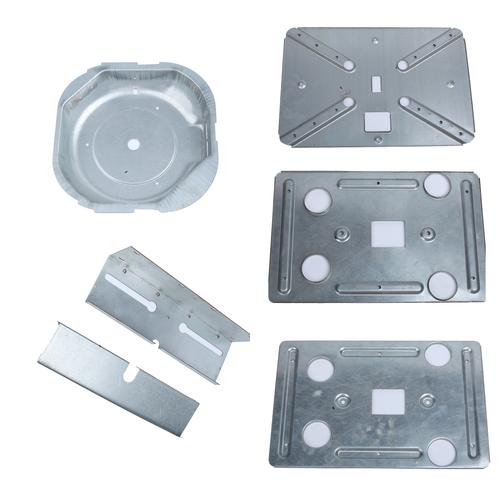
Answer To start metal stamping, you need: Equipment: Press machine (mechanical/hydraulic) and stamping dies; Materials: Metal sheets (e.g., carbon steel, aluminum alloy); Auxiliary tools: Feeder, lubricants, measuring gauges; Workspace:…
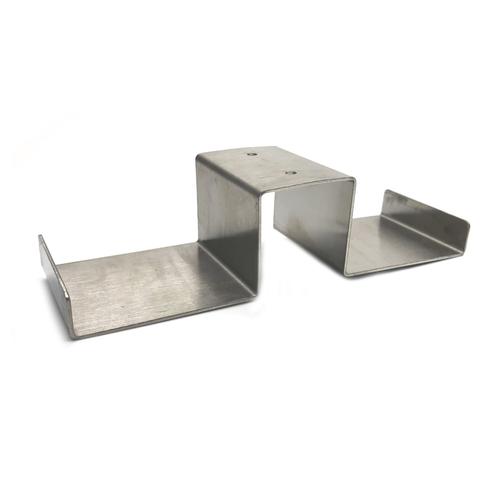
Answer There is no universal “best” metal for metal stamping; the ideal choice hinges on application-specific requirements such as mechanical properties, corrosion resistance, formability, and cost. Key metals include: Low-Carbon…
Answer The CNC stamping process is an automated manufacturing method that integrates numerical control (CNC) technology with traditional stamping. It uses computer programs to control stamping equipment (such as presses…
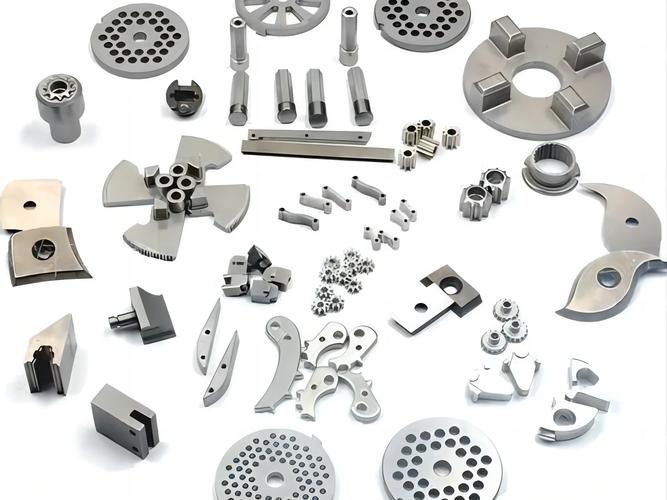
Answer The four basic types of metal stamping are blanking, bending, drawing, and forming. Blanking: Separates materials along a predetermined contour using dies, including punching (removing waste) and blanking (obtaining…
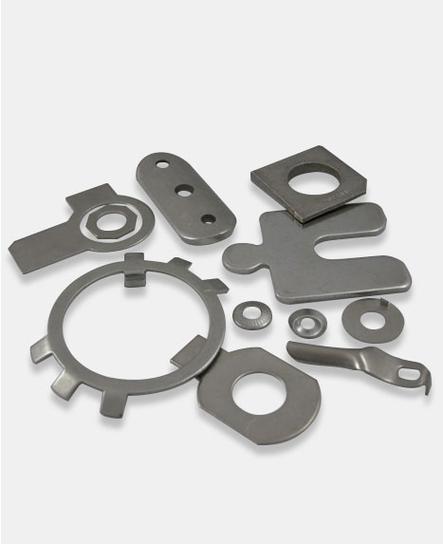
Answer The core differences between CNC machining and stamping are as follows: CNC machining uses computer – controlled cutting tools to cut raw materials (such as metals and plastics), achieving…