How long does injection molding take?
1、Answer The total time for injection molding varies widely: Single part cycle time: 10 seconds to 5+ minutes, depending on material (e.g., fast-cooling thermoplastics vs. slow-curing thermosets) and part…

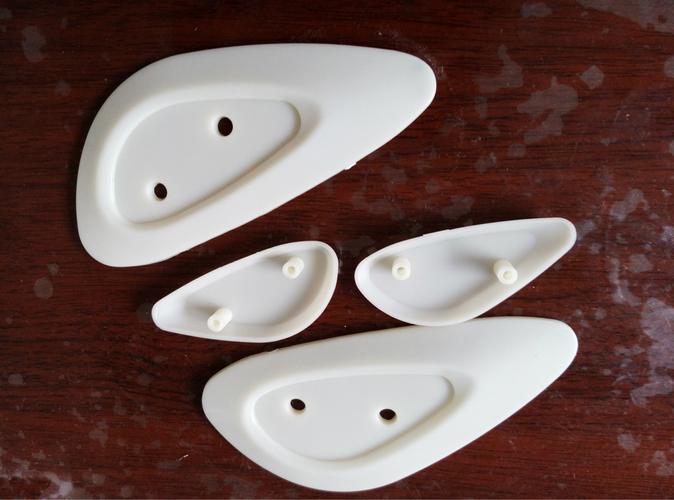
1、Answer The total time for injection molding varies widely: Single part cycle time: 10 seconds to 5+ minutes, depending on material (e.g., fast-cooling thermoplastics vs. slow-curing thermosets) and part…
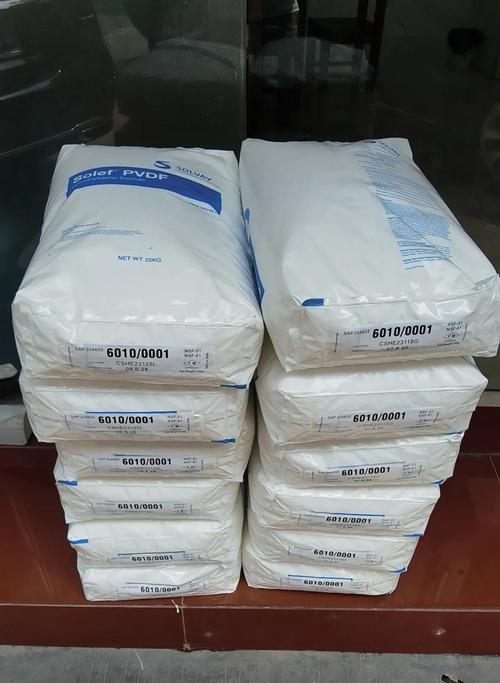
1、Answer No, injection molding is not only for plastic. While plastics are the most common materials, the process also works for metals (via metal injection molding, MIM), ceramics (CIM), rubber, and even food materials (e.g., chocolate). Each material requires…
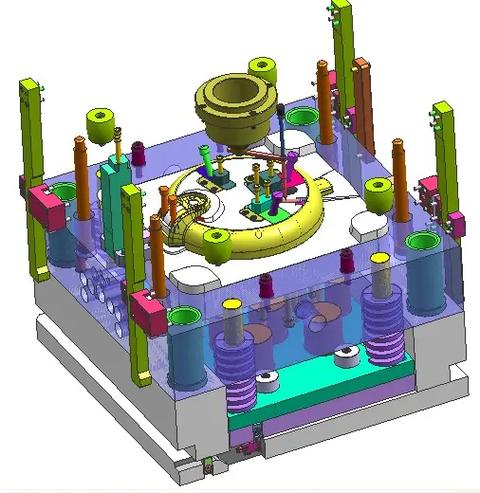
1、Answer The lifespan of 3D printed molds depends on material and use. Low-temperature thermoplastics (e.g., PLA, ABS) typically last 10–50 cycles for simple, low-pressure applications (e.g., resin casting). High-temperature resins or specialized materials (e.g., Nylon, PETG)…
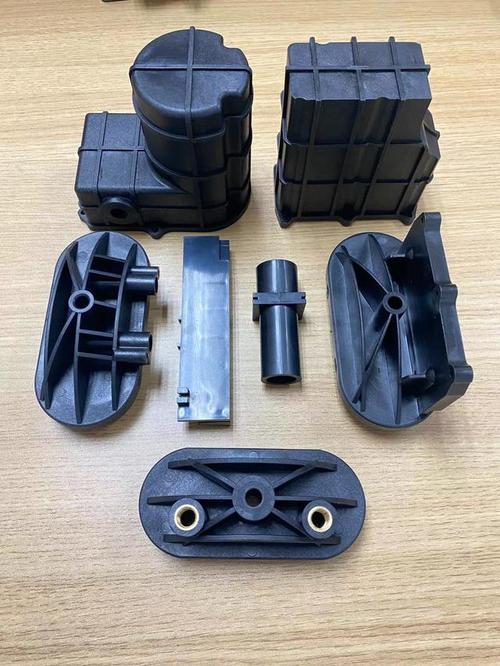
1、Answer Check for mold lines (thin seams where mold halves meet), ejector pin marks (small circular indentations from part removal), and gate vestiges (small nubs where molten material entered the mold). Look for uniform thickness, surface…
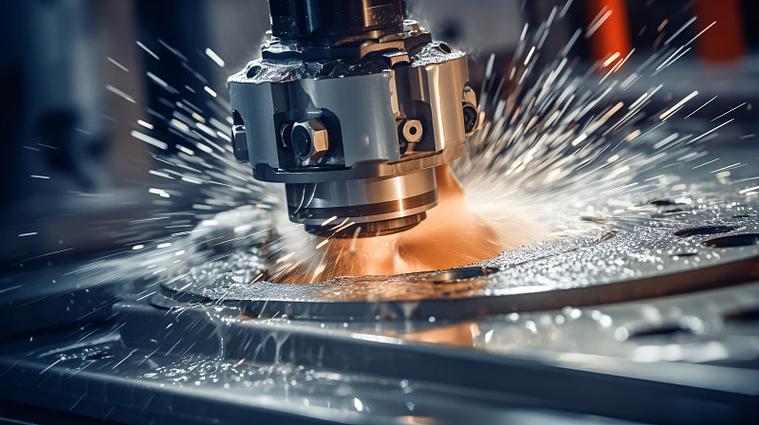
1、Answer CNC machines cut by using computer-controlled tools (e.g., end mills, drills, lathe tools) that move along precise paths defined by G-code. The machine’s motors drive the tools or workpiece to remove…
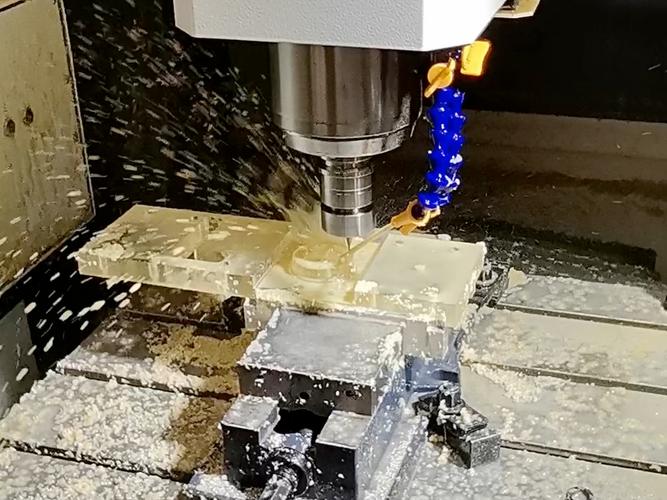
1、Answer The CNC machining process is a computer-controlled manufacturing method where pre-programmed software dictates tool movements to shape raw materials (e.g., metal, plastic, wood). It involves steps like design (CAD), programming (CAM), material…
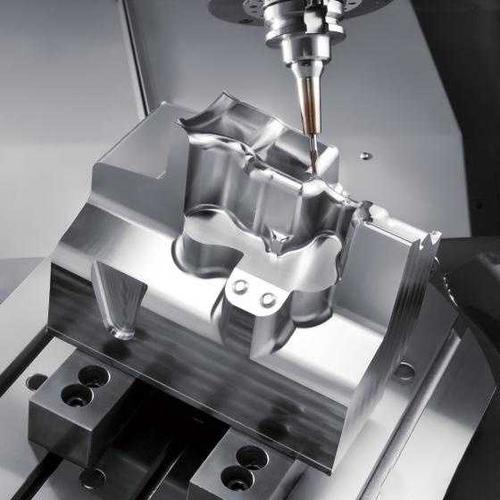
1、Answer No, CNC (Computer Numerical Control) is not limited to metal. It can machine a wide range of materials, including plastics (e.g., ABS, PEEK), woods (hardwoods, composites), foams (polystyrene, urethane), ceramics, graphite, composites (carbon fiber, fiberglass), and…
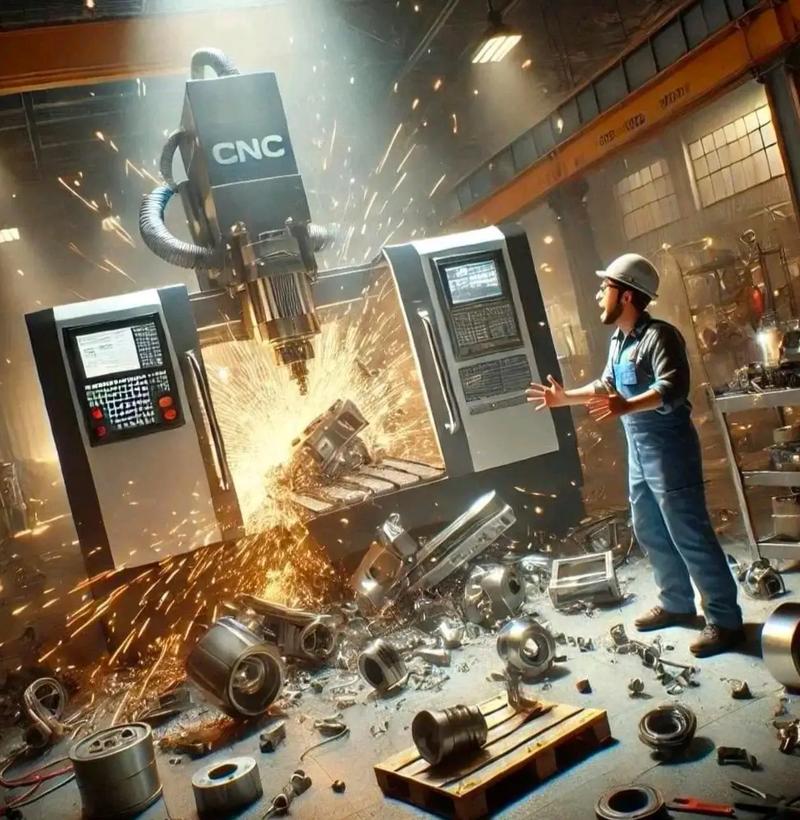
1、Answer People use CNC (Computer Numerical Control) for high-precision, repeatable, and efficient manufacturing of complex parts. It automates machining processes (e.g., milling, turning, drilling) using computer programs, reducing human error, increasing production…
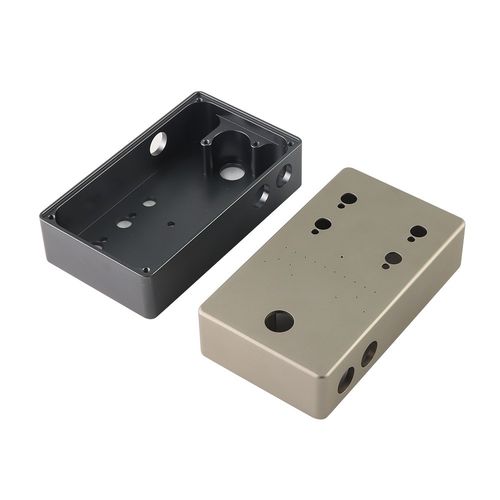
1、Answer The minimum thickness for machining aluminum typically ranges from 0.5–1 mm (0.02–0.04 in) for most CNC milling/turning operations, but can go lower (e.g., 0.1–0.3 mm) with specialized techniques (e.g., micro-machining, wire EDM) or soft…
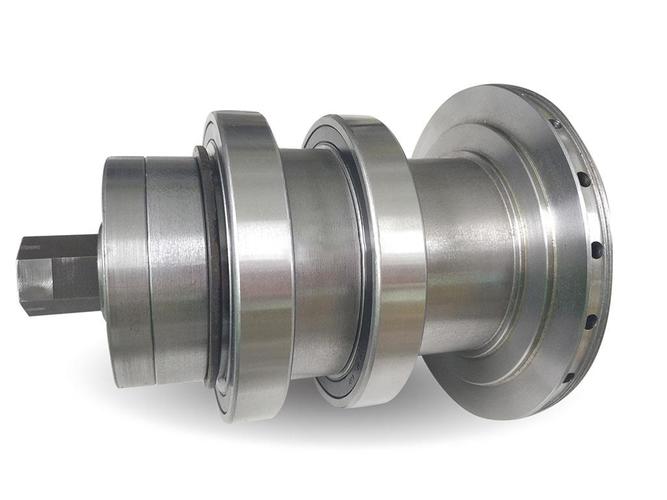
1、Answer The cheapest aluminium alloys for machining are 1100 (99% pure aluminium) and 3003 (aluminium-manganese alloy). 1100 has the lowest material cost (~$2–$3/kg) due to minimal alloying elements, while 3003 offers slightly better…