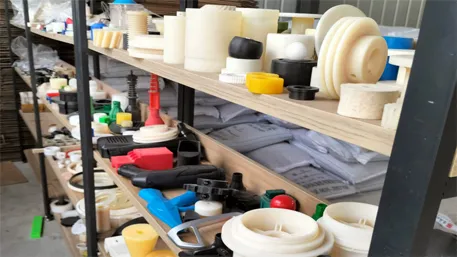
Precision Prototyping Excellence
CNC metal prototyping is the cornerstone of modern product development, enabling engineers to transform digital designs into physical components with exceptional accuracy. At Xiamen Goldcattle, we specialize in this critical manufacturing process, leveraging 18+ years of precision engineering expertise to deliver prototypes that meet the most demanding industry standards.
Our advanced 5-axis machining centers and state-of-the-art equipment allow us to produce complex metal prototypes with micron-level precision, supporting aerospace, medical, automotive, and electronics industries in their innovation journeys. From initial concept validation to functional testing and design iteration, our comprehensive prototyping solutions accelerate time-to-market while maintaining uncompromising quality.
Unlike traditional manufacturing methods, CNC metal prototyping offers unparalleled flexibility, allowing design modifications to be implemented quickly and cost-effectively. This agility is essential in today’s fast-paced product development environment, where rapid iteration and continuous improvement are key to maintaining competitive advantage.
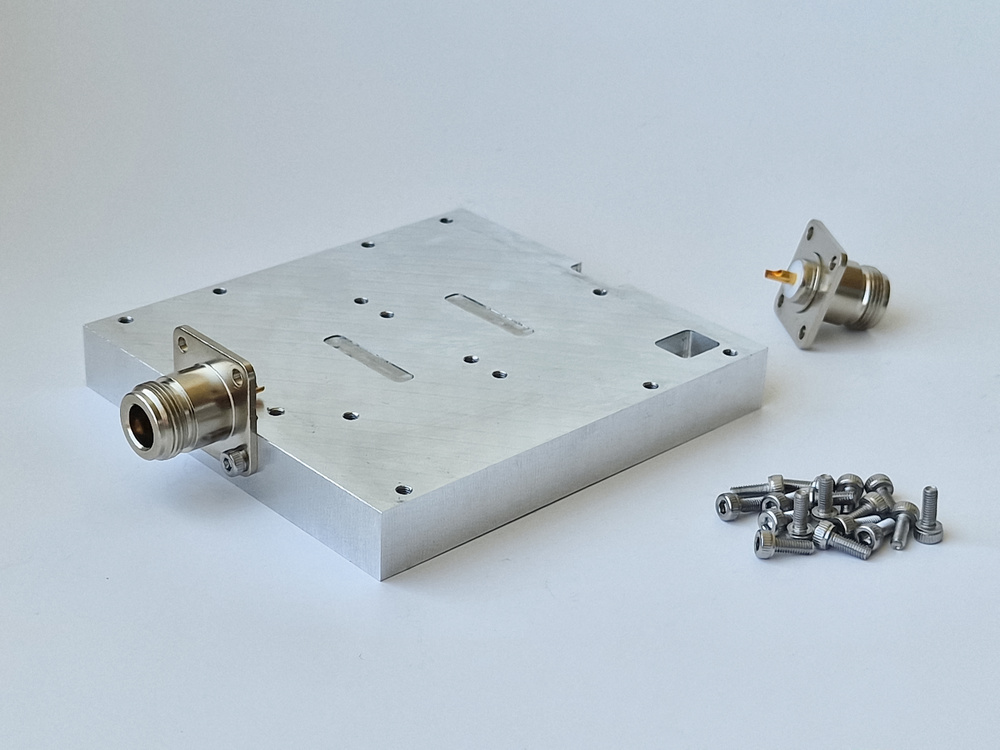
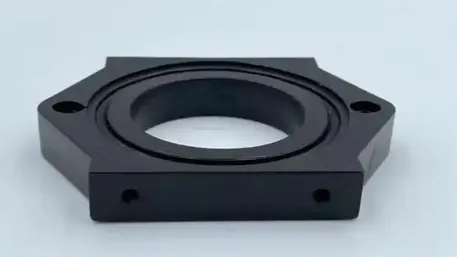
High-precision aluminum prototype for RF applications, showcasing complex geometric features and tight tolerances achievable through advanced CNC metal prototyping technology
Core CNC Metal Prototyping Principles
Digital Control Precision
CNC metal prototyping utilizes pre-programmed G-code and M-code instructions to precisely control tool paths across multiple axes. This digital control system enables accurate material removal from solid metal blocks, translating complex 3D CAD models into physical prototypes with exceptional fidelity.
The subtractive manufacturing process allows for precise control over every aspect of the machining operation, including spindle speed, feed rate, depth of cut, and tool change sequences, ensuring consistent quality and repeatability.
5-Axis Simultaneous Machining
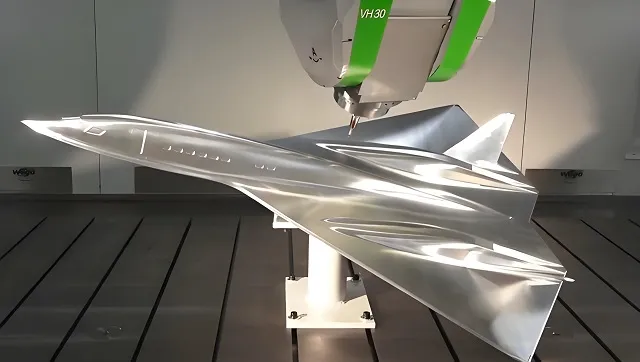
Our advanced 5-axis machining centers allow cutting tools to move simultaneously along X, Y, Z linear axes while rotating around A and B rotational axes. This capability enables the production of complex geometries, undercuts, and free-form surfaces that would be impossible with traditional 3-axis machining.
Single-setup machining eliminates the need for multiple operations and repositioning, reducing setup time by 60-80% while improving overall accuracy by minimizing cumulative errors from multiple setups.
Real-Time Process Monitoring
In-process sensors continuously monitor cutting forces, spindle temperatures, tool wear, and vibration levels during the prototyping process. This real-time data is analyzed by our intelligent machining system to automatically adjust cutting parameters and prevent potential defects.
Adaptive control technology optimizes feed rates and spindle speeds based on actual cutting conditions, extending tool life by 30-50% while maintaining consistent surface finish and dimensional accuracy throughout the machining process.
CNC Prototyping Technical Specifications
Machine Capabilities for Metal Prototyping
- Positioning accuracy: ±0.003 mm (ISO 230-1 standard)
- Repeatability: ±0.002 mm for consistent prototype quality
- Spindle speed: 8,000–24,000 RPM for optimal material removal
- Maximum workpiece size: 1200mm × 800mm × 600mm
- Tool changer capacity: 40–120 tools for uninterrupted machining
- Rapid traverse rate: 48 m/min for efficient positioning
Accuracy Testing Results (For Reference Only)
- Dimensional tolerance: ±0.005 mm achieved on 98.7% of prototype features
- Surface finish: Ra 0.4 μm standard, Ra 0.1 μm achievable with specialized processes
- Flatness: 0.008 mm per 100 mm length (ISO 1101 specification)
- Perpendicularity: 0.006 mm per 100 mm height
- Roundness: 0.004 mm for cylindrical features
* Tested using calibrated reference standards under controlled environmental conditions (20°C ± 2°C, 45-55% humidity)
Advanced CNC Metal Prototyping Techniques
High-Speed Machining (HSM)
High-speed machining is a specialized CNC prototyping technique that utilizes elevated spindle speeds (15,000–24,000 RPM) and optimized feed rates to achieve exceptional material removal rates while maintaining excellent surface finish quality.
This technique reduces cycle times by 30-40% compared to traditional machining methods, making it ideal for rapid prototyping applications where time-to-market is critical.
High-speed machining minimizes thermal distortion and tool wear, particularly when working with aluminum and non-ferrous metals, resulting in superior surface finishes that often require minimal post-processing.
Precision Micro-Machining
Micro-machining enables the production of extremely small features with dimensions as small as 0.1mm diameter and tolerances down to ±0.002mm, making it essential for medical device components, electronics, and precision instruments.
This specialized CNC prototyping process uses ultra-precision spindle systems with runout less than 1μm and specialized micro-tools made from high-performance materials like polycrystalline diamond (PCD) and cubic boron nitride (CBN).
Micro-machining requires advanced vibration isolation systems and environmental control to maintain the extreme precision required for micro-scale prototyping applications.
Hard Milling Technology
Hard milling is a revolutionary CNC prototyping technique that enables direct machining of hardened steels up to 62 HRC without pre-heat treatment, eliminating the need for traditional hardening and grinding processes.
This approach reduces lead times by 50-70% compared to conventional methods, as it combines roughing, semi-finishing, and finishing operations into a single setup after hardening.
Hard milling uses solid carbide and CBN tools with specialized coatings to withstand the extreme cutting forces and temperatures associated with machining hardened materials, achieving excellent surface finishes and dimensional accuracy.
Hybrid Manufacturing Solutions
Hybrid manufacturing combines additive manufacturing (3D printing) with CNC machining in a single integrated system, enabling the production of complex metal prototypes that would be impossible with either technology alone.
This approach uses 3D printing to create near-net-shape components with complex internal geometries, lattice structures, and conformal cooling channels, followed by precision CNC machining to achieve the required surface finish and dimensional accuracy on critical features.
Hybrid manufacturing reduces material waste by 70-90% compared to traditional CNC prototyping, making it ideal for producing lightweight, high-performance prototypes for aerospace and automotive applications.
CNC Metal Prototyping Materials Database
Selecting the right material is critical for successful CNC metal prototyping. Our comprehensive materials database provides detailed specifications and machining characteristics to help you choose the optimal material for your prototype application.
| Material Category | Alloy Grade | Tensile Strength (MPa) | Hardness | Density (g/cm³) | Typical Prototyping Applications |
|---|---|---|---|---|---|
| Aluminum Alloy | 6061-T6 | 310 | 95 HRB | 2.7 | Structural components, electronics enclosures, automotive parts |
| Aluminum Alloy | 7075-T6 | 572 | 150 HRB | 2.81 | Aerospace structures, high-performance prototypes, military components |
| Stainless Steel | 304 | 505 | 85 HRB | 7.93 | Medical devices, food processing equipment, chemical machinery |
| Stainless Steel | 316L | 485 | 80 HRB | 7.98 | Marine components, chemical processing, implantable medical devices |
| Titanium Alloy | Ti-6Al-4V | 930 | 30 HRC | 4.51 | Aerospace components, medical implants, high-temperature applications |
| Tool Steel | H13 | 1,500 | 50-55 HRC | 7.85 | Mold inserts, die components, high-wear applications |
CNC Machining Performance Data (For Reference Only)
These optimized machining parameters are based on extensive testing with our CNC prototyping equipment and tooling configurations. Actual performance may vary depending on specific part geometry and tooling selection.
Aluminum 6061-T6
Roughing: 150-300 m/min cutting speed
Finishing: 200-400 m/min cutting speed
Feed rate: 0.1-0.3 mm/rev (roughing), 0.05-0.15 mm/rev (finishing)
Tool life: 8-12 hours with carbide tools
Surface finish: Ra 0.4 μm achievable with standard tools
Stainless Steel 316L
Roughing: 50-120 m/min cutting speed
Finishing: 80-150 m/min cutting speed
Feed rate: 0.05-0.15 mm/rev (roughing), 0.02-0.08 mm/rev (finishing)
Tool life: 4-6 hours with coated carbide tools
Surface finish: Ra 0.8 μm achievable with standard tools
Titanium Ti-6Al-4V
Roughing: 30-80 m/min cutting speed
Finishing: 50-120 m/min cutting speed
Feed rate: 0.03-0.1 mm/rev (roughing), 0.02-0.06 mm/rev (finishing)
Tool life: 2-4 hours with high-performance carbide tools
Surface finish: Ra 0.6 μm achievable with specialized tools
* Parameters optimized for our DMG Mori and Haas CNC machines with standard tooling. Always consult with our engineering team for optimal settings based on your specific prototype requirements.
CNC Metal Prototyping Industry Applications
Aerospace & Defense
CNC metal prototyping plays a critical role in aerospace development, enabling the production of complex components with strict weight and performance requirements.
Applications include engine components, structural brackets, satellite parts, and avionics housings that require exceptional precision and material performance.
Medical Devices & Implants
The medical industry demands the highest levels of precision and biocompatibility from metal prototypes. CNC prototyping enables the production of surgical instruments, implant components, and diagnostic equipment with micron-level accuracy.
Materials like titanium alloys and stainless steel 316L are commonly used for their excellent biocompatibility and corrosion resistance.
Automotive & Motorsports
CNC metal prototyping accelerates automotive product development by enabling rapid production of engine prototypes, transmission housings, suspension components, and custom performance parts.
These prototypes undergo rigorous performance testing to validate designs before full-scale production, reducing development cycles by 30-50%.
Electronics & Telecommunications
The electronics industry relies on CNC metal prototyping for producing precision components like heat sinks, enclosures, connectors, and RF shielding with tight tolerances and excellent surface finishes.
These components must meet strict electromagnetic interference (EMI) requirements and thermal management specifications.
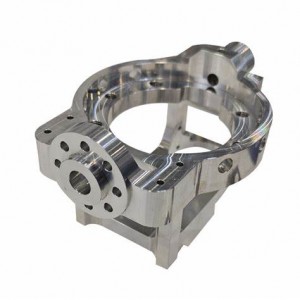
Medical Device Manifold
Stainless steel 316L, Ra 0.4 μm finish
Complex internal fluid channels with ±0.005 mm tolerance
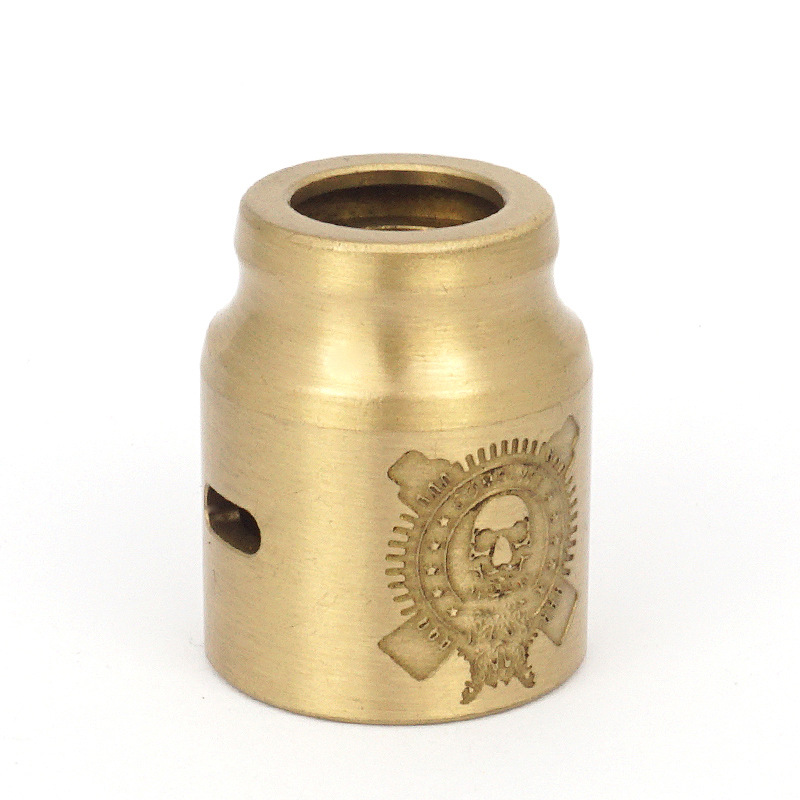
Mechanical Actuator Prototype
Brass alloy, ±0.005 mm tolerance
Precision gear teeth and bearing surfaces
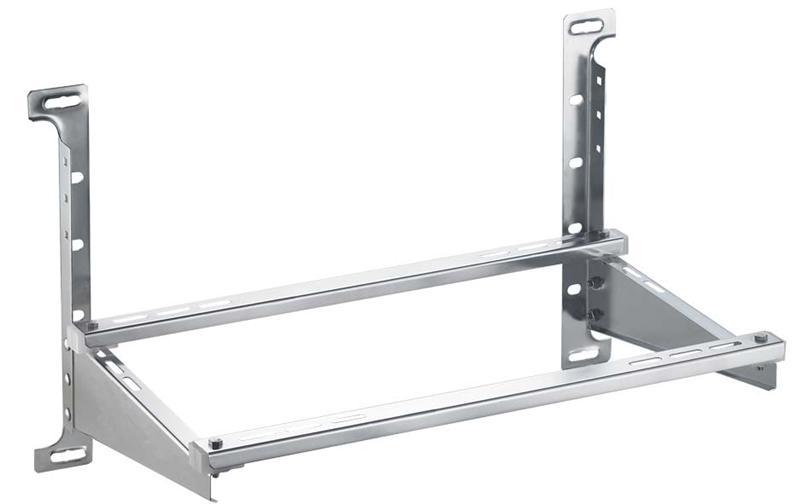
Aerospace Structural Bracket
Stainless steel 304, high strength
Multiple precision mounting surfaces and holes
CNC Metal Prototyping Certified Standards & Compliance
Maintaining the highest quality standards is essential in CNC metal prototyping. Our comprehensive certification program ensures that every prototype meets or exceeds industry-specific requirements for quality, safety, and performance.
Quality Management Systems
Our quality management systems are certified to international standards, ensuring consistent quality across all CNC prototyping processes:
- ISO 9001:2015</strong – Quality Management System
- AS9100D</strong – Aerospace Quality Standard (NADCAP accredited)
- IATF 16949:2016</strong – Automotive Quality Management
- ISO 13485:2016</strong – Medical Device Quality Management
- ISO 14001:2015</strong – Environmental Management System
- OHSAS 18001:2007</strong – Occupational Health & Safety Management
Technical Standards & Specifications
We adhere to strict technical standards for CNC prototyping to ensure dimensional accuracy and quality:
- ASME Y14.5-2018</strong – Geometric Dimensioning & Tolerancing (GD&T)
- ISO 2768-mK</strong – General Tolerances for Linear & Angular Dimensions
- ISO 13041-6:2009</strong – CNC Machine Performance Testing
- ISO 10791-2:2023</strong – Machining Center Performance Evaluation
- ASTM E8</strong – Tensile Testing of Metallic Materials
- ASTM B221</strong – Aluminum Alloy Extrusions Specifications
Material Compliance & Safety
Our materials meet strict regulatory requirements for various industries:
- FDA 21 CFR Part 177</strong – Food Contact Materials Compliance
- RoHS 2011/65/EU</strong – Restriction of Hazardous Substances
- REACH Regulation</strong – Registration, Evaluation, Authorization of Chemicals
- ASTM F136</strong – Implantable Titanium Alloys for Medical Use
- AMS 4928</strong – Aerospace Titanium Alloy Specifications
- ASTM A240</strong – Stainless Steel Plates, Sheets & Strip
Quality Assurance Process
Every CNC metal prototype undergoes a rigorous quality assurance process including incoming material inspection, in-process dimensional verification, final inspection against customer specifications, and comprehensive documentation. Our quality control team uses calibrated inspection equipment to ensure compliance with all applicable standards and specifications.
CNC Metal Prototyping Complete Workflow
Our 6-step CNC metal prototyping workflow ensures efficient production of high-quality prototypes with consistent quality and fast turnaround times. Each stage is carefully controlled and documented to meet the most demanding customer requirements.
Design & DFM Analysis
Our engineering team performs comprehensive CAD model review, Design for Manufacturing (DFM) analysis, material selection consultation, and feasibility assessment to optimize the design for CNC machining.
CAM Programming
Using advanced CAM software (Mastercam, UG NX, PowerMill), our programmers generate optimized toolpaths, simulate machining operations to detect potential issues, and create precise G-code for CNC machine execution.
Machine Setup
Highly skilled technicians perform workpiece clamping using precision vises or fixtures, tool setup with automatic tool changers, zero offset setting, and machine calibration to ensure optimal performance.
Precision Machining
The CNC machine executes roughing, semi-finishing, and finishing operations with real-time monitoring of cutting forces, temperatures, and tool wear. Adaptive control technology optimizes cutting parameters dynamically.
Quality Inspection
Our quality control team performs comprehensive dimensional measurement using CMM, optical comparators, and precision hand tools, surface finish inspection, and complete quality verification against customer specifications.
Finishing & Delivery
Prototypes undergo deburring, cleaning, and optional surface treatments (anodizing, plating, painting). Final packaging with protective materials ensures safe delivery to customers worldwide.
Workflow Optimization & Documentation
Every step of our CNC prototyping workflow is documented with detailed reports, including inspection data, material certifications, and process parameters. This comprehensive documentation ensures traceability and quality assurance throughout the entire prototyping process.
CNC Metal Prototyping Quality Inspection & Testing
Our comprehensive quality inspection and testing processes ensure that every CNC metal prototype meets the most stringent quality standards. We utilize state-of-the-art measurement equipment and follow strict inspection protocols to verify dimensional accuracy, surface finish, material properties, and overall quality.
Advanced Inspection Equipment & Capabilities
Precision Dimensional Inspection
- Zeiss Contura G2 CMM with 0.001mm accuracy for 3D measurements
- Mitutoyo PH-3500 Optical Comparator with 50x magnification for 2D profile measurements
- Digital Precision Tools including micrometers, calipers, and height gauges with 0.001mm resolution
- Taylor Hobson Surtronic S-128 surface roughness tester with Ra 0.025μm resolution
- Mitutoyo RA-120 Roundness Tester for measuring circularity and cylindricity
- FARO Edge 3D Laser Scanner for complex geometry inspection and reverse engineering
Material Verification & Non-Destructive Testing
- SPECTROMAXx Spectrometer for rapid material composition analysis
- Wilson Hardness Testers for Rockwell, Brinell, and Vickers hardness measurements
- Ultrasonic Testing (UT) for detecting internal defects and material integrity
- Magnetic Particle Inspection (MPI) for surface crack detection in ferromagnetic materials
- Full Material Traceability with lot numbers, mill test reports, and certification documentation
- Chemical Analysis for verifying material composition and alloy specifications
Quality Testing Results & Performance Statistics
Quality Performance Metrics (For Reference Only)
99.8%
First Pass Yield
±0.005mm
Average Tolerance Achieved
0.4μm
Average Surface Finish
24hrs
Inspection Turnaround Time
Typical Inspection Results Summary (Last 12 Months)
- Dimensional accuracy: 98.7% of features within ±0.005mm tolerance specification
- Surface finish: 95.2% of parts meet or exceed Ra 0.4μm requirement
- Material verification: 100% compliance with specified material standards
- Geometric tolerances: 97.3% of geometric features within specified limits
- Customer satisfaction: 99.1% overall quality rating from customer surveys
- On-time delivery: 98.5% of inspected prototypes delivered on schedule
* All inspection data is documented and traceable, with complete inspection reports provided upon customer request. Equipment is calibrated annually to national and international standards.
Why Choose Xiamen Goldcattle for CNC Metal Prototyping
At Xiamen Goldcattle, we combine advanced CNC technology with decades of precision engineering expertise to deliver exceptional metal prototyping solutions that meet the most demanding industry requirements.
18+ Years of Precision Engineering Expertise
Extensive experience in CNC metal prototyping for aerospace, medical, automotive, and electronics industries with thousands of successful projects completed for global clients.
State-of-the-Art Technology
120+ CNC machines including 5-axis machining centers with real-time monitoring, adaptive control technology, and advanced tooling systems for optimal performance.
Industry-Leading Fast Turnaround
7-15 day lead times for most prototype projects, with 24-48 hour expedited options available for urgent requirements to accelerate your product development cycle.
Unmatched Quality Assurance
Multiple ISO certifications including AS9100D, IATF 16949, and ISO 13485, with 100% inspection guarantee and comprehensive quality documentation for every prototype.
Comprehensive Materials Expertise
Wide range of metals including aluminum, stainless steel, titanium, tool steel, and exotic alloys with specialized machining knowledge for each material type.
Dedicated Professional Support
Experienced engineering team providing free DFM analysis, design optimization, and technical consultation throughout the entire prototyping process.
Quality Assurance Guarantee
We stand behind the quality of our CNC metal prototypes with a 100% satisfaction guarantee. If you’re not completely satisfied with our work, we’ll rework your prototype at no additional cost or provide a full refund.
Ready to Start Your CNC Metal Prototyping Project?
Contact our team of CNC metal prototyping experts today for a free quote, detailed DFM analysis, and professional consultation on your prototype requirements. We’re ready to help you bring your design to life with precision and efficiency.
What You’ll Get with Your Free Quote:
- • Detailed cost analysis based on your specific design requirements
- • Free Design for Manufacturing (DFM) analysis to optimize your design
- • Lead time estimation with multiple delivery options
- • Material selection recommendations and technical advice
- • Professional consultation from our experienced engineering team
Multiple Ways to Contact Us:
📧 Email: charlie@ Plasticmetalparts.com
📞 Phone: +86-18150097490
Supported file formats: STEP, IGES, STL, SolidWorks, AutoCAD, CATIA, Pro/ENGINEER, Inventor, Creo