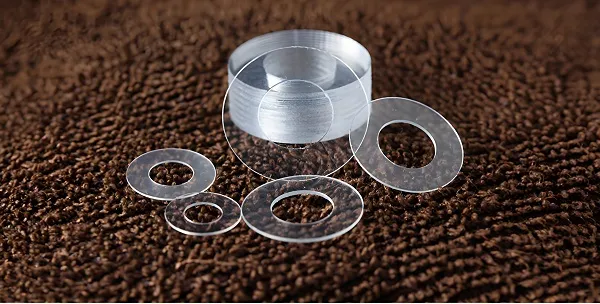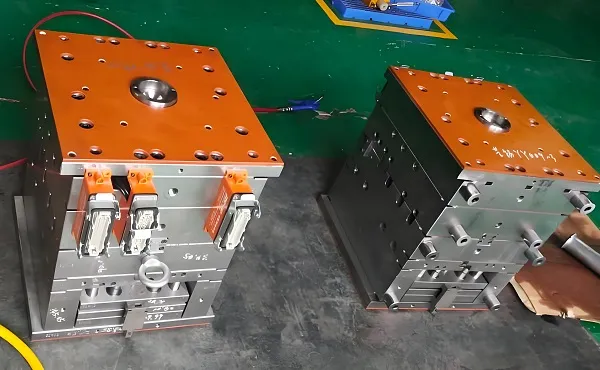
Not sure whether to choose plastic injection molding or silicone molding? With 20 years of custom molding manufacturing experience, this guide helps engineers and sourcing managers select the right material and process based on performance, cost, and application requirements, helping you avoid material selection failure and high cost waste.
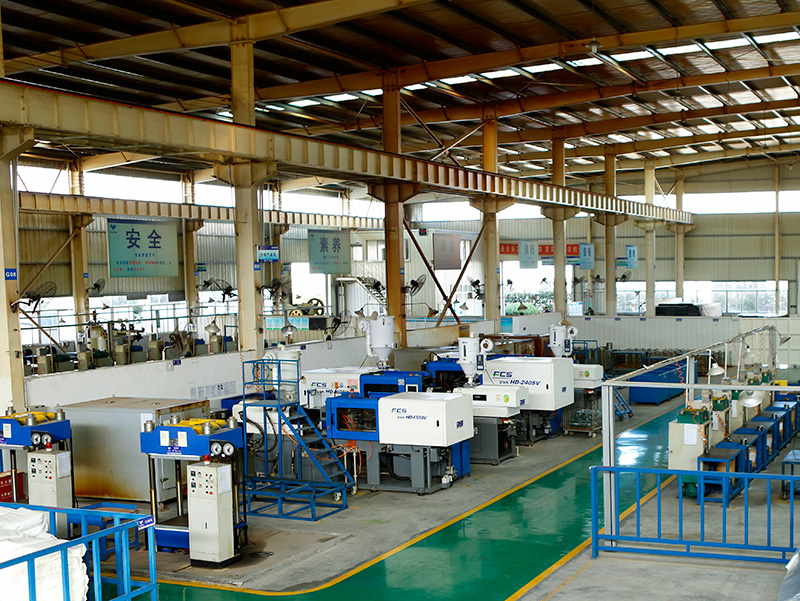
Silicone vs Plastic Molding: Key Differences
This is the core decision point for your project. Below is the full comparison based on our 20 years of production data:
Plastic Injection Molding
- High rigidity & structural strength
- Medium temperature resistance (up to 150°C)
- Lower material & tooling cost
- Wide range of material options
- Tolerance: ±0.02mm for precision parts
Silicone (LSR) Molding
- High flexibility & elasticity
- Ultra high temperature resistance (up to 230°C)
- Biocompatible & medical grade available
- Excellent sealing & insulation performance
- Tolerance: ±0.05mm for most parts
Decision Guide: When to Choose Which?
Choose Plastic When:
- You need rigid structural parts
- Your project is cost-sensitive
- You need high volume production
- Your working temperature is below 150°C
Choose Silicone When:
- You need flexible or sealing components
- High temperature environment (>150°C)
- Medical or food contact application
- You need excellent vibration damping
What Problems We Solve
- Wrong material selection leading to product failure in testing
- Overhigh tooling cost for low volume projects
- Poor sealing performance leading to product leakage
- Difficulty in mass production consistency
- Failed medical certification for silicone parts
Our Process Capability
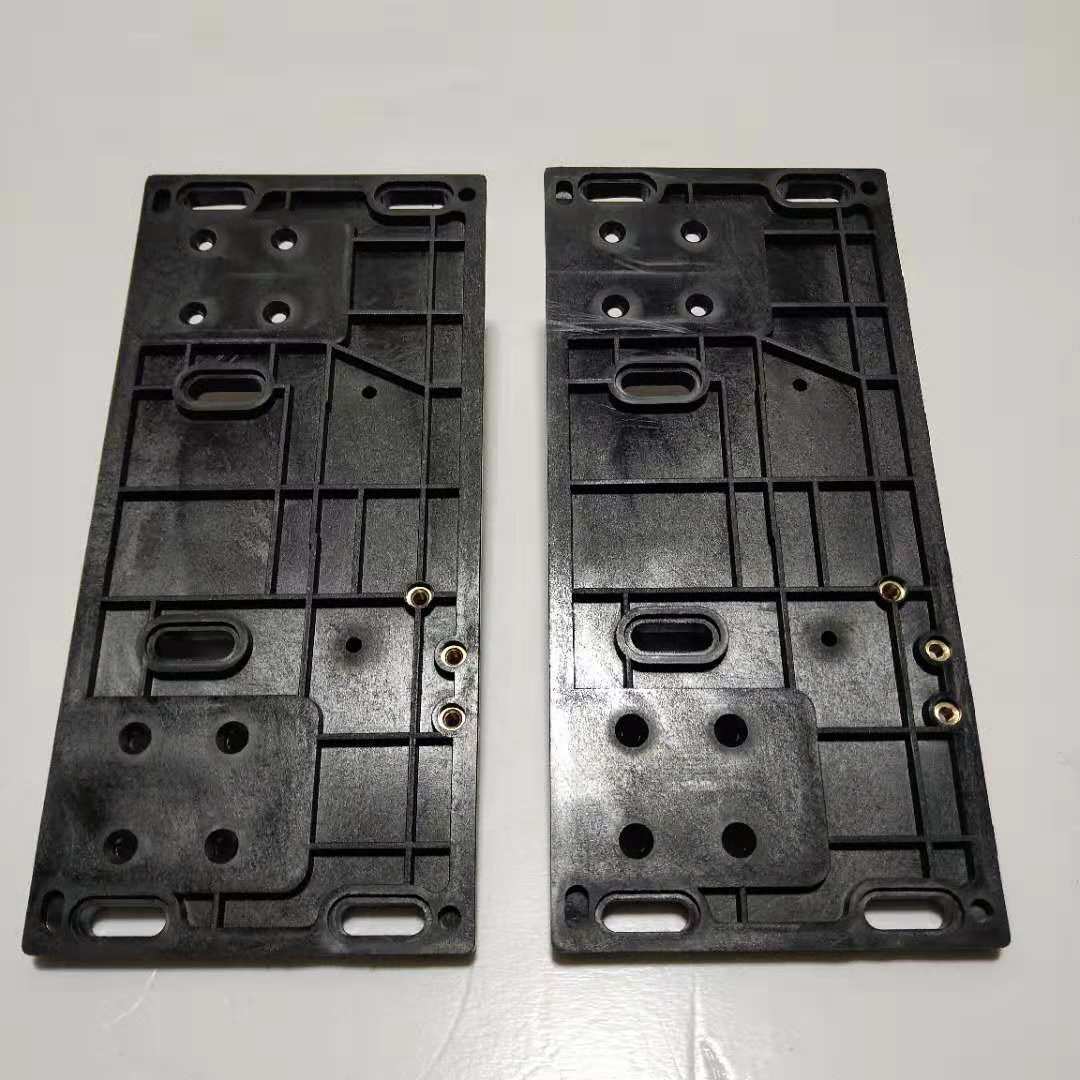
Plastic Injection Molding
Our precision plastic injection molding service supports all common engineering plastics, with mature process for high volume production.
- Supported Materials: ABS, PP, PC, POM, PA6/66, PEEK, etc.
- Precision Tolerance: ±0.02mm for critical dimensions
- Production Volume: 1000 to 10,000,000+ parts per run
- Standard Process: DFM analysis, mold flow simulation, mass production
Test Data (For Reference Only): Our internal test shows that our plastic parts can maintain 99.8% dimensional stability after 1000 hours of aging test.
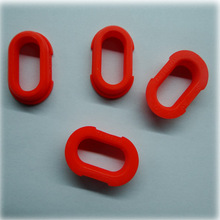
Liquid Silicone Rubber (LSR) Molding
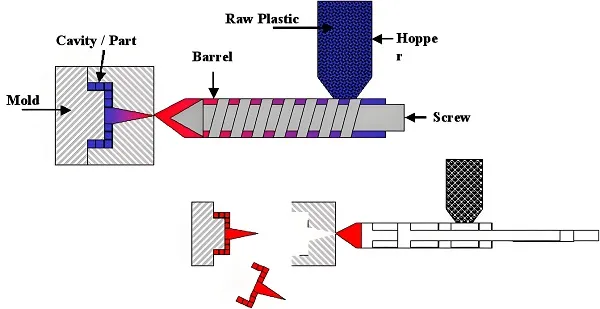
Different from normal silicone molding, LSR injection molding uses specialized equipment to produce high-precision, medical-grade silicone parts with excellent consistency.
- Supported Materials: Medical grade LSR, Food grade LSR, High temperature LSR
- Process Parameters: Barrel temp 20-40°C, Mold temp 160-180°C, 1:1 material mixing precision
- Key Feature: Platinum cured, biocompatible, no secondary curing required for most parts
- Application: Medical components, sealing parts, wearable devices
Test Data (For Reference Only): Our LSR parts reach tensile strength ≥8MPa and elongation ≥400% after molding, fully meeting medical device requirements.
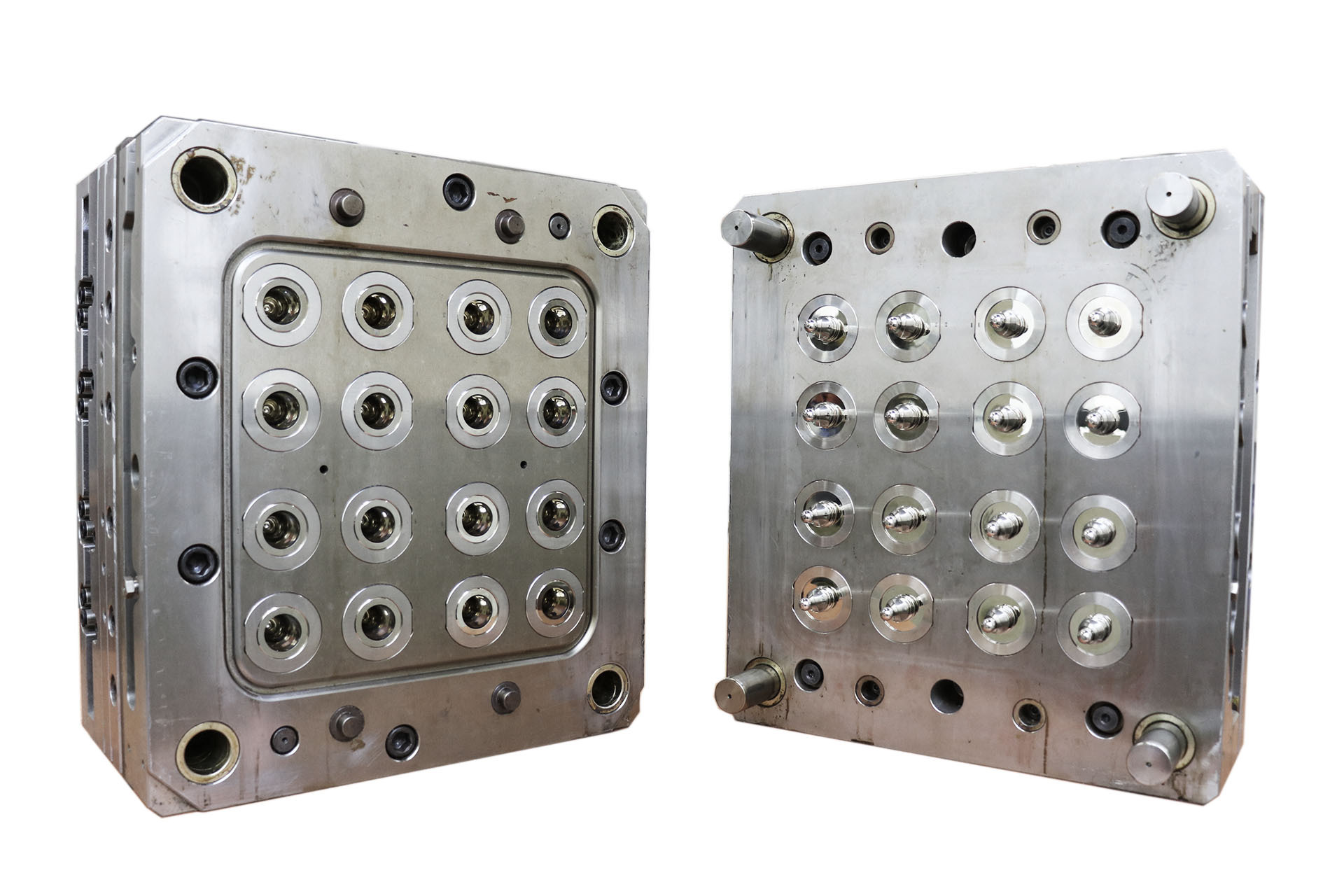
Mold Design Difference
Plastic and silicone molding require completely different mold design, which is the key to successful production:
- Plastic Mold: Standard injection mold design, with cooling system to fasten part cycle time
- Silicone LSR Mold: Requires special cold runner system to avoid pre-curing, and precision venting grooves (0.02-0.03mm depth) to eliminate air bubbles
- Our 20 years of experience ensures we design the right mold for your specific material, avoiding common defects like bubbles, incomplete filling, and part deformation.
Cost Comparison
Plastic Injection Molding Cost
- Lower material cost: $2-$5 per kg for general plastics
- Lower mold cost: Standard mold design, lower processing requirement
- Lower unit cost for high volume: Fast cycle time (30-60s per shot)
- Cost effective for projects over 1000 parts
LSR Silicone Molding Cost
- Higher material cost: $15-$30 per kg for medical grade LSR
- Higher mold cost: Specialized cold runner and venting design required
- Longer cycle time: 60-120s per shot for curing
- Higher value for specialized medical and sealing applications
Our engineering team will help you optimize the design to get the best cost-performance solution based on your volume and application.
Common Application Scenarios
Plastic Molding Applications
- Automotive structural parts
- Electronic housing & components
- Consumer goods enclosures
- Industrial equipment parts
Silicone Molding Applications
- Automotive sealing components
- Medical device parts
- Wearable device components
- Kitchen & food contact parts
Success Case Study
Automotive Sealing Component Project
Customer Challenge
The customer initially chose plastic material for a sealing part, but the part failed the high temperature test: plastic deformed at 180°C, leading to oil leakage issue.
Our Solution
We analyzed the application and suggested switching to LSR silicone molding, optimized the mold venting design to eliminate bubbles, and provided medical grade material to meet the automotive standard.
Final Result
The new silicone part passed all 200°C high temperature tests, the sealing performance was improved by 90%, and the product passed the automotive certification successfully, with 100k mass production delivered on time.
Our Custom OEM Service
- DFM Design Support: Our engineers will review your design and provide manufacturability suggestions to reduce cost and improve quality
- Material Selection Support: Help you choose the right plastic or silicone material based on your application and budget
- One-stop Service: From mold design, prototyping, mass production to secondary processing and assembly
- Full Quality Control: IQC, IPQC, FQC full process inspection, with full traceable quality system
Relevant Industry Standards
- ISO 10993: Biological evaluation of medical devices (for medical grade silicone parts)
- FDA 21 CFR 177.2600: Food contact material standard for silicone and plastic parts
- ISO 2768: General tolerance standard for molded parts
- IATF 16949: Automotive industry quality management system standard
- Our Internal Standard: 100% inspection for critical dimensions, 0 PPM quality target for mass production
Frequently Asked Questions
Q: Silicone vs plastic, which is better?
There is no absolute “better” one. It depends on your application: plastic is better for rigid, cost-sensitive parts, while silicone is better for flexible, high-temperature, medical applications.
Q: Is silicone more expensive than plastic?
Yes, generally silicone material and molding cost is higher than plastic, due to the specialized material and process. But it provides unique performance that plastic can not reach for specific applications.
Q: What is LSR molding?
LSR (Liquid Silicone Rubber) molding is a specialized injection molding process for liquid silicone material, it can produce high-precision, biocompatible silicone parts with excellent consistency, ideal for medical and sealing components.
Q: Can silicone replace plastic?
Silicone can replace plastic in some applications that require flexibility or high temperature resistance, but it can not replace plastic for rigid structural parts due to its low rigidity and higher cost.
Get Your Custom Molding Solution Quote
Our 20-year experienced engineering team can help you choose the right process and material, optimize your design to get the best cost-effective solution.
Contact us today to discuss your custom plastic or silicone molding project!
* All test data mentioned in this page is for reference only, actual results may vary based on specific part geometry and application environment.