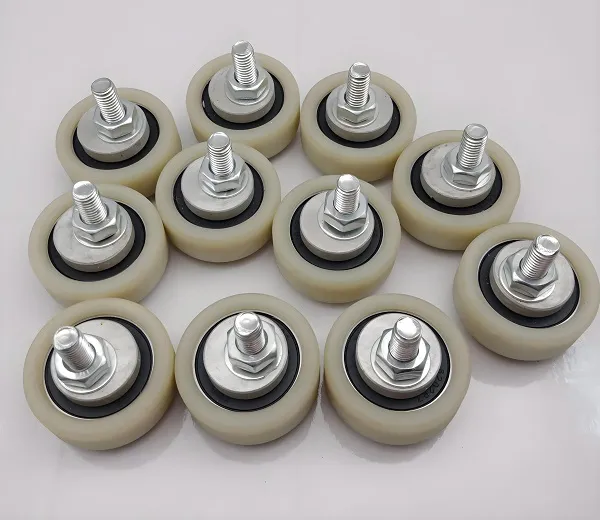
Everything you need to know about precision turning, from materials and processes to applications and quality control
What Are Precision Turned Parts? I’ll Show You the Basics
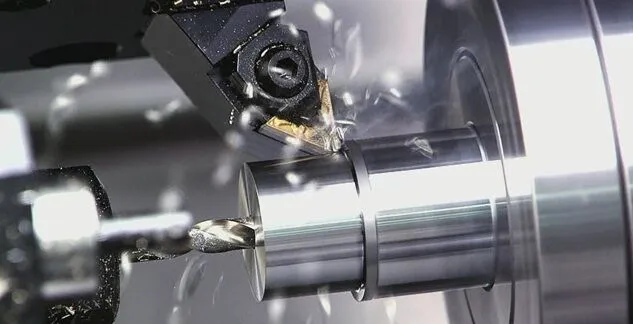
Precision CNC turning process showing metal cutting with coolant and chips
I’ve been working with precision turned parts for over 15 years, and let me tell you, there’s something special about creating components that are accurate to within a few thousandths of an inch. Precision turning is a machining process where we rotate a workpiece while a cutting tool removes material to create cylindrical parts with extremely tight tolerances.
These parts are used in almost every industry you can think of, from aerospace and medical to electronics and automotive. The key is that they need to be precise, reliable, and consistent – especially when you’re dealing with small, complex components.
My Experience with Precision Turning
“I remember my first precision turning project. We were making tiny medical components that needed to be accurate to ±0.0005 inches. I spent weeks setting up the machines and testing different cutting parameters. When we finally got it right, seeing those perfect parts come off the machine was incredibly satisfying.”
The Precision Turning Process: Step-by-Step
Let me walk you through the process I use to create precision turned parts. Every step is important, and I’ve learned over the years that attention to detail is what separates good parts from exceptional ones.
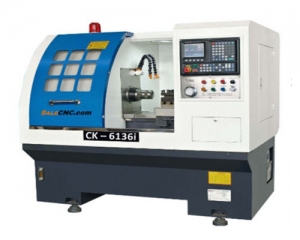
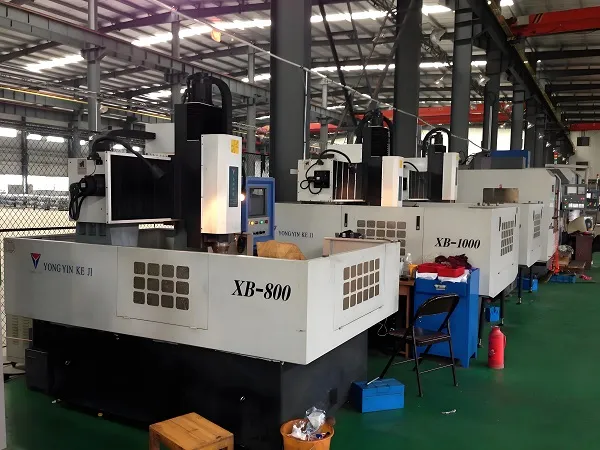
Precision CNC lathe machine used for turning small components
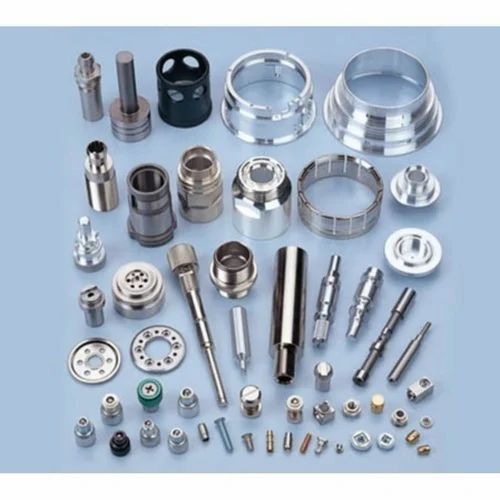
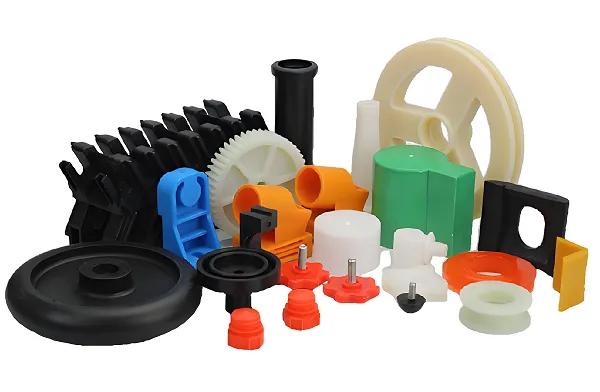
Collection of precision turned parts showing various sizes and geometries
Step 1: Design and Planning
This is where it all starts. I work with clients to understand their requirements, then create detailed CAD models. I consider factors like material selection, tolerance requirements, surface finish, and production volume.
Step 2: Material Preparation
We start with bar stock in various diameters, depending on the part size. I choose the material based on the application – stainless steel for corrosion resistance, aluminum for lightweight applications, brass for good machinability.
Step 3: CNC Programming
I create detailed CNC programs that control every aspect of the turning process. This includes cutting speeds, feed rates, depth of cut, and tool changes. For complex parts, I often use CAM software to generate the toolpaths.
Step 4: Setup and Tooling
This is one of the most critical steps. I carefully set up the workpiece in the chuck or collet, making sure it’s properly aligned. I select the right cutting tools for the material and application – carbide inserts for most applications, high-speed steel for special cases.
Step 5: Rough Turning
I start with rough turning to remove most of the material quickly. I use higher feed rates and deeper cuts, leaving a small amount of material for finishing.
Step 6: Finish Turning
This is where we get the precise dimensions and surface finish. I use slower speeds, lighter cuts, and specialized finishing tools to achieve the required tolerances.
Step 7: Secondary Operations
Many parts require additional operations like drilling, tapping, threading, knurling, or grooving. I perform these on the same machine or move to specialized equipment as needed.
Step 8: Surface Treatment
Depending on the application, parts may need surface treatments like anodizing, plating, passivation, or coating to improve corrosion resistance, wear resistance, or appearance.
Step 9: Quality Inspection
This is the final check. I use precision measuring tools like micrometers, calipers, gauges, and CMM machines to ensure every part meets the specifications.
Important Quality Control Note
“I always implement in-process inspection at critical stages. This helps catch any issues early before they become expensive problems. For example, I check dimensions after rough turning to make sure we’re on track before moving to finish turning.”
“I also keep detailed records of every production run, including cutting parameters, tool wear, and inspection results. This helps me reproduce successful runs and identify areas for improvement.”
Materials for Precision Turning: What Works Best
Choosing the right material is crucial for precision turning. Over the years, I’ve worked with almost every material you can think of, and I’ve learned which ones work best for different applications.
| Material | Key Properties | Machinability Rating | Typical Applications |
|---|---|---|---|
| Stainless Steel | Excellent corrosion resistance, good strength | Medium (60-70%) | Medical devices, aerospace components, food processing equipment |
| Aluminum | Lightweight, good thermal conductivity | Excellent (85-95%) | Electronics, automotive parts, aerospace components |
| Brass | Excellent machinability, good corrosion resistance | Excellent (90-100%) | Electrical connectors, plumbing fittings, decorative parts |
| Copper | Excellent electrical conductivity, good thermal conductivity | Good (75-85%) | Electrical components, heat sinks, plumbing parts |
| Titanium | High strength-to-weight ratio, biocompatible | Poor (30-40%) | Medical implants, aerospace components, marine parts |
| Steel | High strength, good toughness | Good (70-80%) | Mechanical parts, automotive components, tools |
| Plastics | Lightweight, good chemical resistance | Excellent (80-95%) | Electronics, medical devices, consumer products |
My Top Material Recommendations
For Medical Applications
I recommend 316 stainless steel for most medical applications because of its excellent corrosion resistance and biocompatibility. For implants, titanium is the gold standard due to its strength and biocompatibility.
For Aerospace Applications
6061 and 7075 aluminum are popular choices for aerospace components because they’re lightweight yet strong. For high-temperature applications, I use Inconel or other superalloys.
For Electrical Applications
Brass and copper are my go-to materials for electrical components because of their excellent conductivity. Brass is easier to machine, while copper has better conductivity.
For High-Corrosion Environments
316 stainless steel or Hastelloy are excellent choices for parts that will be exposed to harsh chemicals or saltwater. For aluminum parts, anodizing significantly improves corrosion resistance.
Surface Treatment and Finishing: Protecting and Enhancing Your Parts
Surface treatment is more than just making parts look good – it’s about protecting them from corrosion, improving wear resistance, and enhancing their performance. Over the years, I’ve worked with almost every type of surface treatment available.
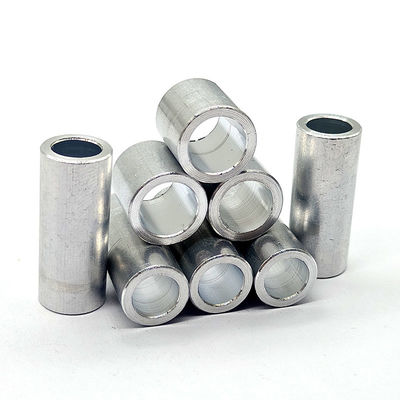
Anodized aluminum precision turned parts with protective oxide layer
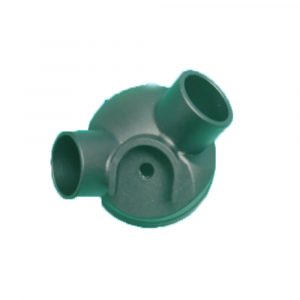
Black anodized aluminum component showing durable finish
Common Surface Treatments
Anodizing
This electrochemical process creates a durable oxide layer on aluminum and titanium parts. It improves corrosion resistance, wear resistance, and can also add color.
I use Type II anodizing for most applications because it provides good corrosion resistance at a reasonable cost. For parts that need maximum protection, I use Type III hardcoat anodizing.
Plating
This involves applying a thin layer of metal like zinc, nickel, or chrome to the part surface. It provides excellent corrosion protection and can improve conductivity or appearance.
Zinc plating is my go-to for steel parts because it’s affordable and provides good corrosion protection. For parts that need better protection, I use nickel plating or chrome plating.
Passivation
This chemical process removes free iron from the surface of stainless steel parts, enhancing their corrosion resistance.
I always recommend passivation for stainless steel parts that will be used in corrosive environments. It’s a relatively inexpensive process that significantly improves performance.
Coating
This includes processes like powder coating, PTFE coating, and DLC (diamond-like carbon) coating. These coatings provide excellent wear resistance, reduce friction, and improve performance.
PTFE coating is great for parts that need low friction, while DLC coating is ideal for high-wear applications. Powder coating provides a durable, attractive finish for decorative parts.
Polishing and Buffing
These processes improve the surface finish of parts, making them smoother and more reflective. They’re often used for decorative parts or parts that need to be easy to clean.
I use mechanical polishing for most applications, but for parts that need a mirror finish, I use electropolishing. Electropolishing also improves corrosion resistance by removing surface imperfections.
Surface Finish Specifications (For Reference Only)
“In our testing, we found that Ra 0.4 μm surface finish provides excellent wear resistance for most applications, while Ra 0.8 μm is sufficient for general-purpose parts. For parts that need to be easy to clean or have a decorative appearance, we recommend Ra 0.2 μm or better.”
“We also tested the corrosion resistance of different surface treatments and found that Type III anodizing provides about 10 times better corrosion resistance than Type II anodizing. Zinc plating with chromate conversion coating provides about 500 hours of salt spray resistance.”
Applications: Where Precision Turned Parts Are Used
Precision turned parts are used in almost every industry you can think of. Let me share some of the most common applications I’ve worked on over the years.
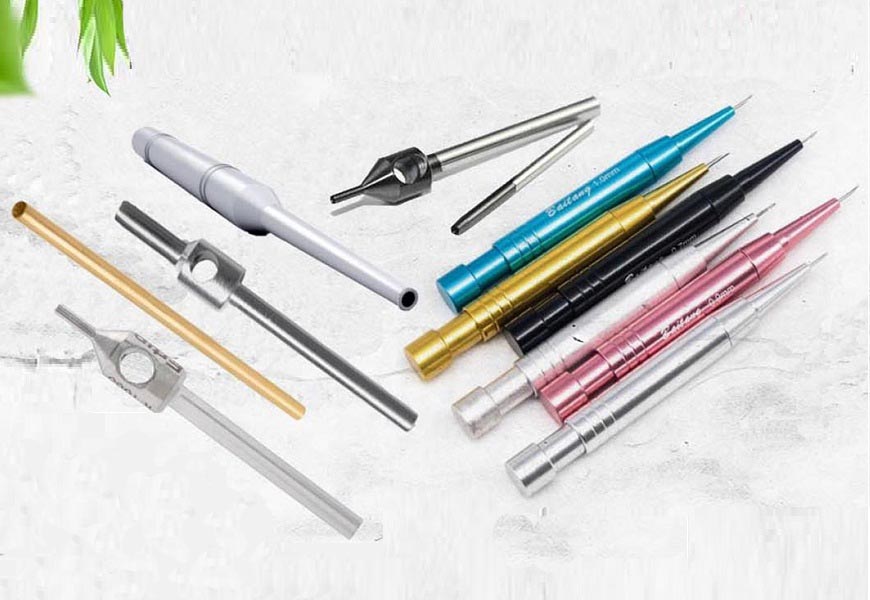
Medical precision turned parts used in surgical instruments and devices
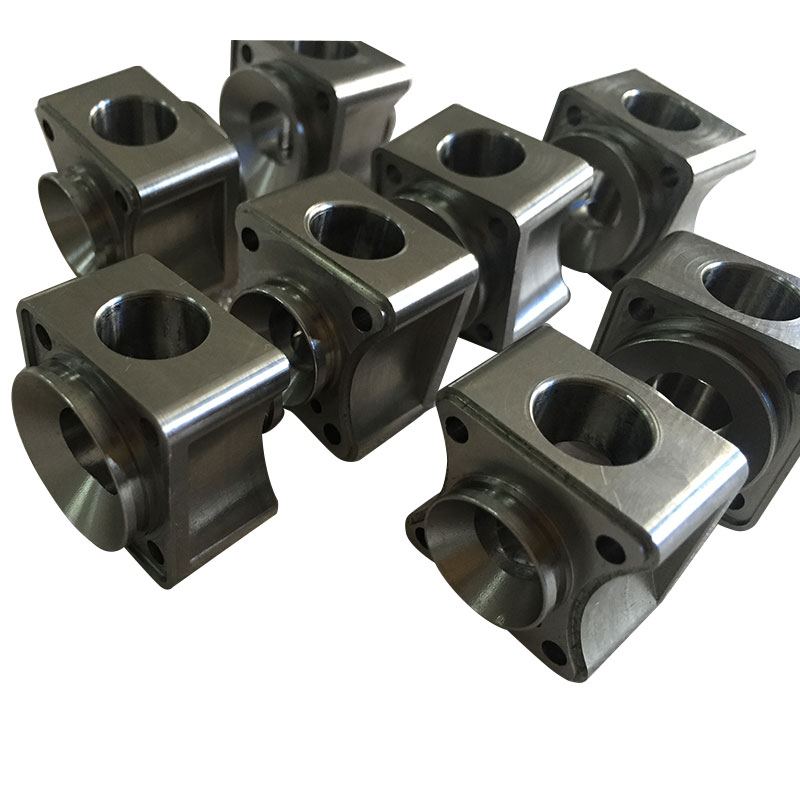
Aerospace precision components requiring high strength and tight tolerances
Medical Industry
This is one of the biggest users of precision turned parts. I’ve made everything from surgical instruments and implant components to medical device housings and connectors. The key requirements here are biocompatibility, corrosion resistance, and extremely tight tolerances.
Aerospace Industry
Aerospace applications demand parts that are lightweight yet strong, and can withstand extreme temperatures and pressures. I’ve made engine components, hydraulic system parts, avionics housings, and structural components for aircraft and spacecraft.
Electronics Industry
The electronics industry needs small, precise parts that can handle high frequencies and temperatures. I’ve made connectors, heat sinks, sensor housings, and components for computers, smartphones, and other electronic devices.
Automotive Industry
Automotive applications require parts that can withstand vibration, temperature changes, and corrosion. I’ve made engine components, transmission parts, brake system components, and suspension parts for both traditional and electric vehicles.
Industrial Equipment
Industrial equipment needs parts that are durable and can handle heavy loads and harsh environments. I’ve made hydraulic components, pneumatic parts, gear components, and bearing housings for a wide range of industrial machinery.
Consumer Products
Precision turned parts are used in many consumer products, from kitchen appliances and power tools to sports equipment and toys. The key requirements here are often cost-effectiveness, appearance, and durability.
Customization Process: How I Work with Clients
Every custom project is different, but I follow a consistent process to ensure that I deliver parts that meet or exceed my clients’ expectations.
Step 1: Initial Consultation
I start by meeting with the client to understand their requirements, including the part’s function, performance requirements, production volume, and budget. I also ask about any specific challenges or constraints they might have.
Step 2: Design and Engineering
I work with the client to develop a detailed design, considering factors like material selection, tolerance requirements, surface finish, and manufacturability. I often suggest design improvements to make the part easier or less expensive to produce.
Step 3: Prototype Development
I create a small number of prototype parts for testing and validation. This allows the client to verify that the part meets their requirements before committing to full production.
Step 4: Production Planning
Once the design is finalized, I develop a detailed production plan, including equipment setup, tooling requirements, quality control procedures, and production schedule.
Step 5: Production
I produce the parts using state-of-the-art CNC machines and strict quality control procedures. I monitor the production process closely to ensure that every part meets the specifications.
Step 6: Quality Inspection
Every part undergoes a thorough quality inspection to ensure that it meets the specifications. I use precision measuring tools and statistical process control to maintain consistent quality.
Step 7: Packaging and Delivery
I package the parts carefully to prevent damage during shipping, and deliver them to the client according to the agreed schedule.
My Approach to Custom Projects
“I believe in working closely with my clients throughout the entire process. I provide regular updates and encourage feedback to ensure that we’re always on the same page. I also believe in being transparent about costs and lead times, so there are no surprises.”
“For complex projects, I often provide design for manufacturability (DFM) reviews to help clients optimize their designs for production. This can significantly reduce costs and improve quality.”
Advantages and Challenges of Precision Turning
Advantages of Precision Turning
High Precision and Accuracy
Precision turning can achieve tolerances as tight as ±0.0001 inches, making it ideal for applications that require extremely accurate parts.
Excellent Surface Finish
With the right tools and techniques, precision turning can achieve surface finishes as smooth as Ra 0.1 μm, which is often better than other machining processes.
High Material Utilization
Precision turning generates less waste than many other machining processes, making it more cost-effective and environmentally friendly.
Versatility
Precision turning can produce a wide range of part sizes and geometries, from tiny components just a few millimeters in diameter to large parts over a meter in length.
Cost-Effectiveness
For small to medium production runs, precision turning is often more cost-effective than other processes like casting or forging.
Challenges of Precision Turning
Tool Wear
Turning hard materials like titanium or Inconel can cause significant tool wear, which increases costs and reduces production efficiency.
Vibration and Chatter
Turning long, thin parts can cause vibration and chatter, which affects surface finish and dimensional accuracy.
Heat Generation
The cutting process generates heat, which can cause thermal expansion and affect dimensional accuracy. This is especially challenging for large parts or parts with tight tolerances.
Complex Geometries
While precision turning can produce complex cylindrical geometries, it’s not as well-suited for parts with complex non-cylindrical features.
How I Overcome These Challenges
“Over the years, I’ve developed several strategies to overcome these challenges. For tool wear, I use high-quality carbide or ceramic tools and optimize cutting parameters to minimize wear.”
“For vibration and chatter, I use specialized tool holders and optimize tool geometry to reduce cutting forces. I also use steady rests and follow rests for long, thin parts.”
“For heat generation, I use high-pressure coolant systems to keep the cutting zone cool. I also allow parts to cool to room temperature before measuring them to ensure accurate dimensions.”
How to Choose a Precision Turning Supplier
Choosing the right precision turning supplier is crucial for the success of your project. Based on my experience, here are the key factors you should consider.
Technical Capabilities
Look for a supplier with the right equipment and expertise to handle your project. They should have experience with your material and be able to meet your tolerance and surface finish requirements.
Quality Control
A good supplier should have a robust quality control system in place. They should be able to provide documentation and certifications to prove that their parts meet your specifications.
Experience and Reputation
Look for a supplier with a proven track record in your industry. Ask for references and check their reviews to see what other clients have to say about their work.
Communication and Customer Service
A good supplier should be easy to communicate with and responsive to your needs. They should provide regular updates and be willing to work with you to solve any problems that arise.
Cost and Lead Time
While cost is important, it shouldn’t be the only factor you consider. A supplier with lower prices may not provide the same level of quality or service. Look for a supplier that offers a good balance of cost, quality, and lead time.
Flexibility and Scalability
Look for a supplier that can handle both small prototype runs and large production runs. They should also be flexible enough to accommodate design changes and rush orders when needed.
My Advice for Choosing a Supplier
“I always recommend that clients visit the supplier’s facility if possible. This allows them to see the equipment, meet the team, and get a sense of the supplier’s capabilities and quality standards.”
“I also recommend that clients start with a small prototype run to test the supplier’s quality and service before committing to a large production order. This helps identify any potential issues early on.”
Frequently Asked Questions
What is the smallest part you can make?
I can make parts as small as 0.5 mm in diameter, depending on the material and complexity. For extremely small parts, I use specialized Swiss-type turning machines.
What is the tightest tolerance you can achieve?
I can achieve tolerances as tight as ±0.0001 inches for simple geometries. For complex parts or hard materials, the tightest practical tolerance is usually ±0.0005 inches.
What materials do you work with?
I work with a wide range of materials, including stainless steel, aluminum, brass, copper, titanium, steel, and various plastics. I can also work with exotic materials like Inconel, Hastelloy, and Monel.
What is the typical lead time for custom parts?
Lead time depends on the complexity of the part and the production volume. For prototype runs, lead time is usually 1-2 weeks. For production runs, lead time is usually 3-4 weeks.
Do you provide design services?
Yes, I provide design for manufacturability (DFM) reviews and can help clients optimize their designs for production. I can also create detailed CAD models based on client specifications.
What quality certifications do you have?
I am certified to ISO 9001:2015 and can provide documentation to meet FDA, aerospace, and other industry requirements. I also maintain detailed records of every production run.
Why Choose Precision Turning for Your Project?
Precision turning is an excellent choice for projects that require high accuracy, excellent surface finish, and complex cylindrical geometries. It’s versatile, cost-effective, and can produce parts in a wide range of materials.
Over the years, I’ve worked on thousands of precision turning projects, from tiny medical components to large aerospace parts. I’ve learned that the key to success is attention to detail, communication, and a commitment to quality.
Ready to Start Your Precision Turning Project?
If you need custom small precision turned parts, I’d love to help. With years of experience and a commitment to quality, I can help you get the parts you need when you need them.
Contact me today to discuss your requirements and get a free quote!
This guide is based on my personal experience in the precision turning industry. Every project is unique, so be sure to consult with experienced professionals for your specific application.