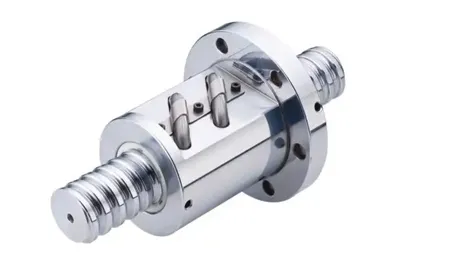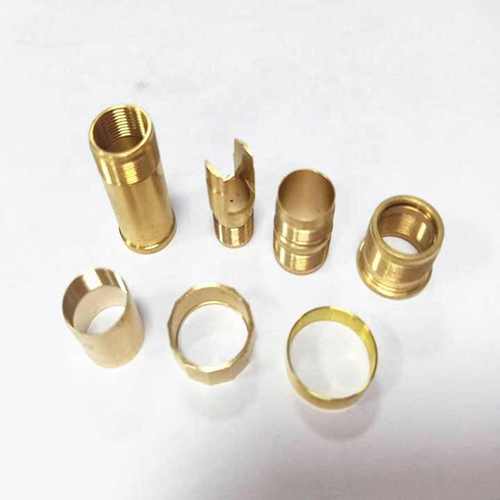
Automotive spare parts are the lifeblood of vehicle maintenance and performance optimization. From engine components to suspension systems, these parts play a critical role in ensuring the safety, reliability, and efficiency of modern automobiles. Understanding the materials, manufacturing processes, and quality standards of these components is essential for making informed purchasing decisions.
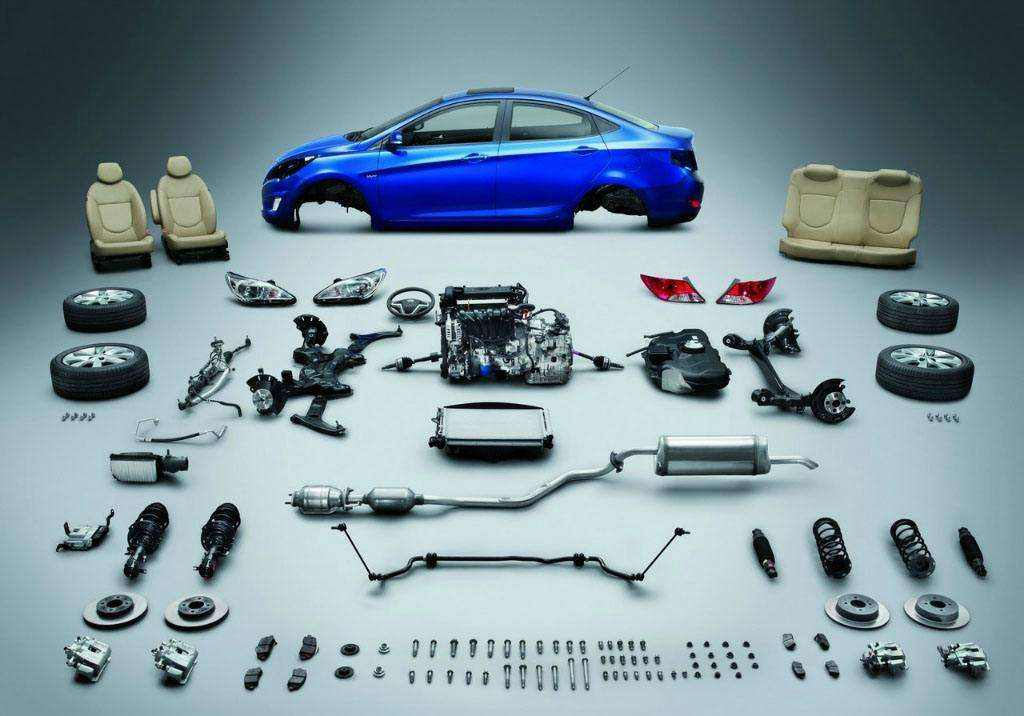
Key Types of Auto Spare Parts
Engine Components
Engine parts represent the most critical category of auto spare parts. This includes:
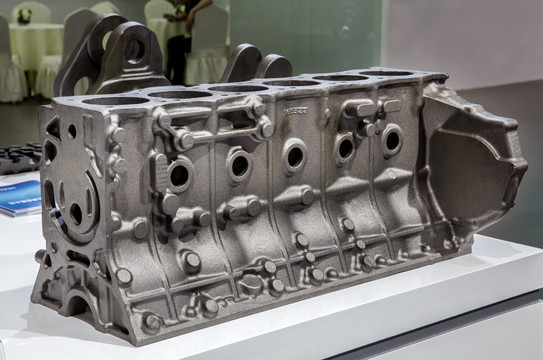
- Cylinder blocks: The “heart” of the engine, typically made from high-grade cast iron or aluminum alloy
- Pistons: Precision-machined components that convert fuel energy into mechanical motion
- Crankshafts: Complex components that transform reciprocating motion into rotational energy
- Valves and valve springs: Control the flow of air-fuel mixture and exhaust gases
Suspension and Steering Parts
These components ensure ride comfort and handling precision:
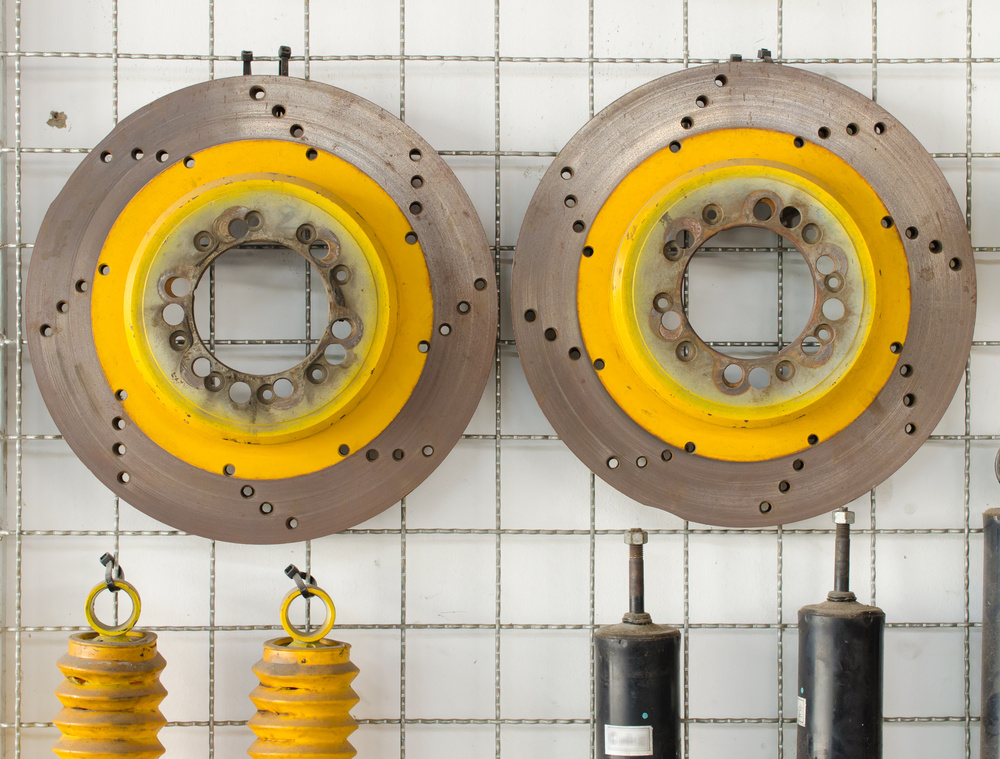
- Shock absorbers: Convert kinetic energy into heat energy to dampen vibrations
- Control arms: Connect the wheels to the chassis while allowing vertical movement
- Ball joints: Enable rotational and linear movement between suspension components
- Steering racks: Translate steering wheel rotation into wheel movement
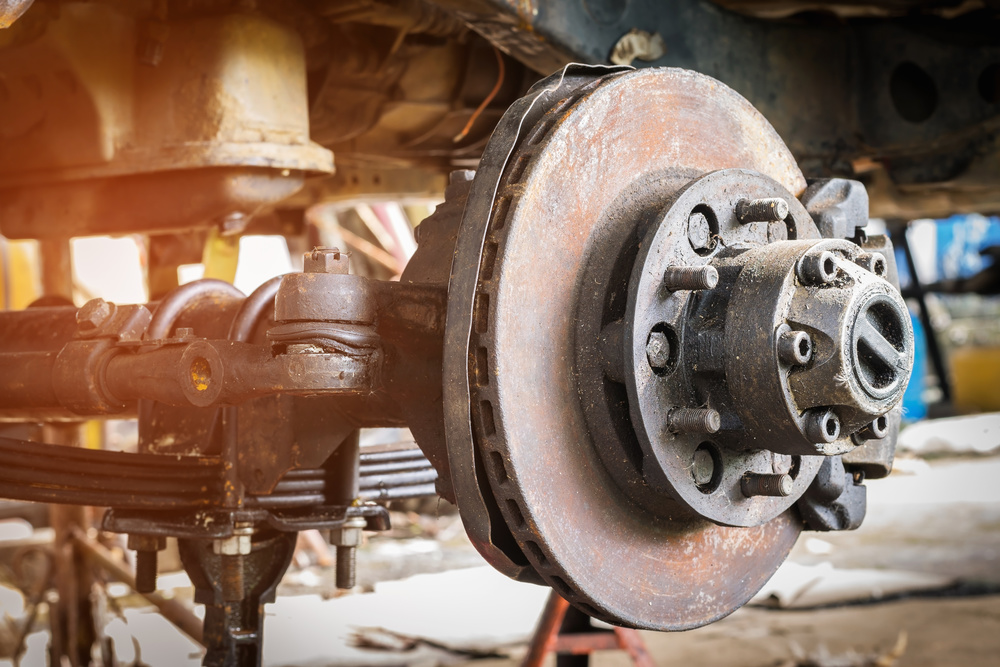
Brake System Components
Safety-critical components with stringent performance requirements:
- Brake pads: Friction materials that create stopping force
- Brake rotors: Metal discs that work with pads to slow the vehicle
- Brake calipers: Hydraulic mechanisms that apply pressure to brake pads
- Brake lines: Transmit hydraulic pressure from the master cylinder