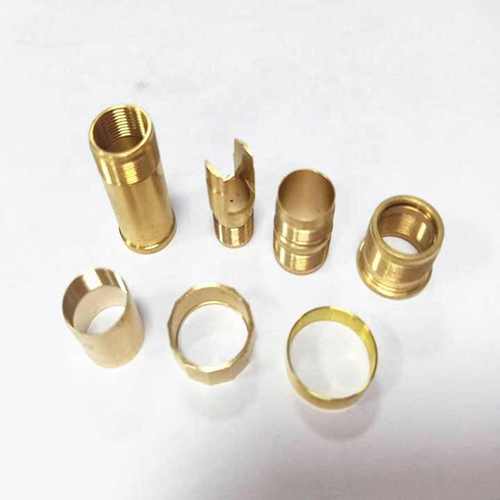
| 5-Axis Precision Manufacturing Solutions
We specialize in CNC machining of complex cavity parts, including deep cavities, thin walls, and intricate internal geometries, using advanced 5-axis machining and precision tooling to achieve tight tolerances and superior surface finishes. With 26 years of precision manufacturing experience, we solve the most challenging machining problems for mold, aerospace, medical, and precision equipment industries, eliminating deformation, surface roughness, and interference risks.
Complex Cavity Parts We Manufacture
We cover all types of complex cavity components across high-precision industries, covering the full range of your manufacturing needs:
- Injection mold cavities for plastic molding
- Die casting mold cores for metal casting
- Aerospace structural cavities & lightweight components
- Medical device housings & implantable components
- Precision mechanical enclosures & hydraulic valve bodies
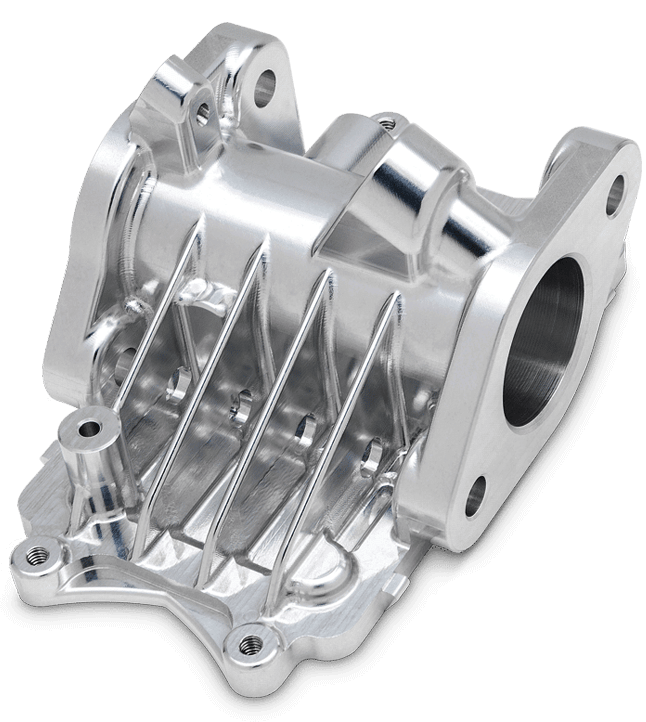
Challenges in Complex Cavity Machining & Our Engineering Solutions
Conclusion: 5-axis CNC machining is the most effective method for producing complex cavity parts with high precision and minimal deformation. With 26 years of experience, we have developed specialized solutions to overcome the unique challenges of deep cavity and complex internal geometry machining:
| Manufacturing Challenge | Our Solution |
|---|---|
| Deep cavity machining: Tool rigidity deficiency causing vibration | High-rigidity long-reach carbide tooling + 20,000 RPM high-speed spindle to eliminate vibration |
| Thin wall deformation: Thermal & cutting force induced deformation | Layer-by-layer machining + in-process stress relief to eliminate residual stress and deformation |
| Internal interference: Tool path collision with internal features | 5-axis simultaneous machining to access internal features in single setup, eliminating re-fixturing errors |
| Internal surface roughness: Difficult to polish deep internal cavities | High-speed finishing strategy + micro-tool machining + manual polishing for mold cavities |
| Chip evacuation: Chip accumulation in deep cavities causing re-cutting | High-pressure coolant system (70 bar) to flush chips out of deep cavities in real-time |
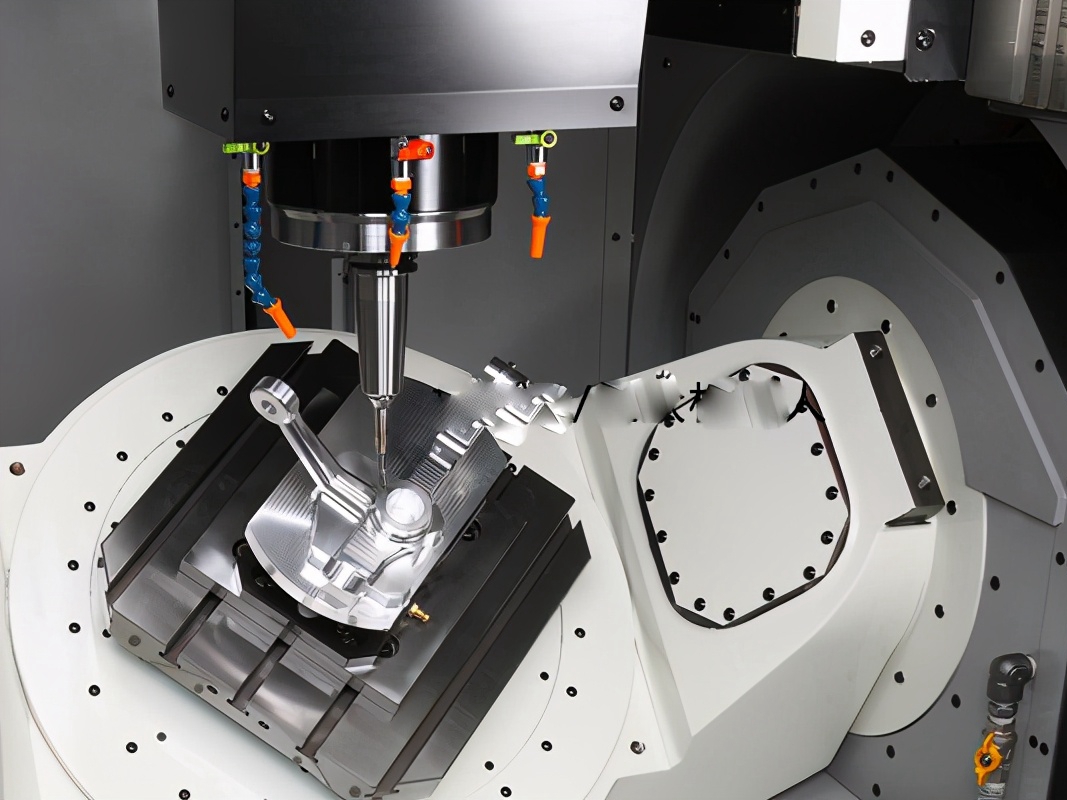
Key Machining Capabilities
Our advanced 5-axis CNC machining centers and precision process control enable us to meet the ultra-strict requirements of complex cavity manufacturing. All parameters are verified through thousands of production runs:
| Item | Specification |
|---|---|
| Maximum Cavity Depth | 500 mm |
| Precision Tolerance | ±0.01 mm (Standard) / ±0.005 mm (Ultra-precision option) |
| Internal Surface Roughness | Ra 0.4 μm (Standard) / Ra 0.1 μm (Ultra-smooth option) |
| Minimum Tool Diameter | 0.2 mm |
| Machining Equipment | 5-axis CNC Machining Centers |
Advanced Manufacturing Equipment
We invest in the most advanced equipment to ensure we can handle the most complex cavity machining projects, with capabilities that ordinary CNC shops cannot match:
5-Axis CNC Machining Centers
DMG MORI & HAAS 5-axis machines, enabling simultaneous 5-axis machining to access complex internal geometries in single setup.
High-Speed Spindles
20,000 RPM high-speed spindles, enabling high-speed finishing to achieve superior internal surface finish.
Precision EDM
Sinker EDM for machining ultra-deep cavities and internal features that are impossible to reach with standard milling.
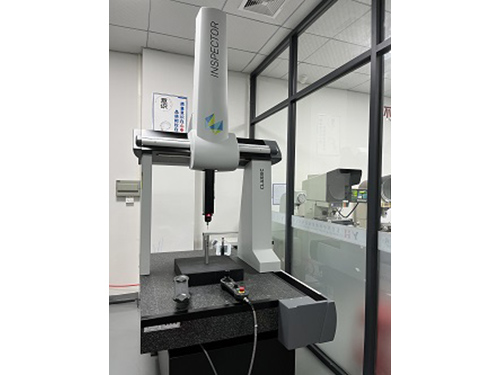
CMM Inspection Systems
Coordinate Measuring Machine to verify all internal dimensions and ensure 100% compliance with your specifications.
Materials for Complex Cavity Parts
We work with a wide range of materials to meet the requirements of different industries, with specialized machining processes optimized for each material:
H13 Tool Steel
Hot work tool steel with excellent high-temperature strength and toughness. Maintains 850 MPa strength at 600°C, ideal for die casting mold cores and high-temperature applications. Excellent thermal shock resistance, can withstand 100,000+ thermal cycles.
P20 Tool Steel
Pre-hardened plastic mold steel with excellent polishability and machinability. Ideal for injection mold cavities, offering good dimensional stability and toughness for general plastic molding applications.
Stainless Steel
304/316L stainless steel with excellent corrosion resistance, ideal for medical device housings and hydraulic components. We have specialized processes to control deformation during cavity machining.
Aluminum Alloys
6061/7075 aluminum with excellent strength-to-weight ratio, ideal for aerospace structural cavities. High machinability allows us to achieve ultra-smooth internal surfaces efficiently.
Titanium Alloys
Ti-6Al-4V titanium with high strength and biocompatibility, ideal for medical implant components and aerospace parts. Our specialized tooling ensures precision machining without material damage.
Engineering Plastics
PEEK, POM, Nylon and other engineering plastics, ideal for precision mechanical enclosures. We control cutting forces to prevent deformation of thin wall features.
Typical Manufacturing Process
Our standardized process flow ensures zero risk for your complex cavity projects, with full verification at every step:
- DFM Analysis: Design for Manufacturability review to identify potential issues before production, optimizing your design for cost and quality.
- Toolpath Simulation: Full 3D simulation of the machining process to detect collision, interference, and tool path errors before running the program.
- Rough Machining: Remove 90% of the material with high-efficiency roughing, leaving uniform stock for finishing.
- Semi-Finishing: Semi-finish operation to prepare the surface for finishing, with stress relief to eliminate residual stress.
- Finishing: High-speed 5-axis finishing to achieve final dimensions and surface finish.
- Polishing / EDM: Secondary operations to achieve ultra-smooth internal surfaces or ultra-deep features.
- Inspection: Full CMM inspection to verify all internal dimensions and surface quality.
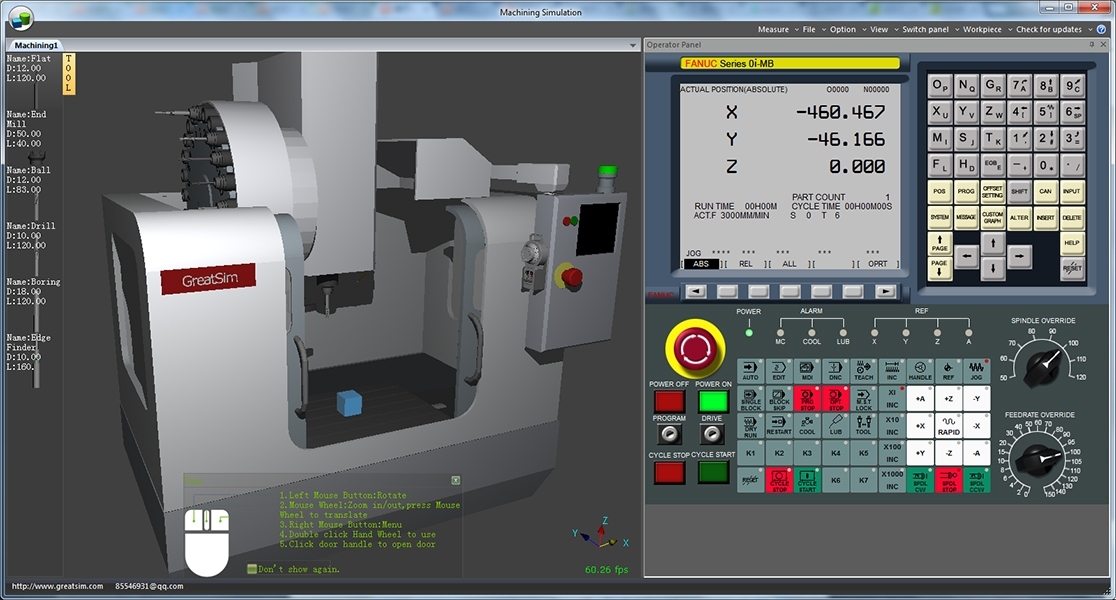
Surface Finish Optimization for Internal Cavities
Internal surface finish is one of the most critical requirements for mold and precision parts. We have specialized processes to achieve the required finish even for deep internal cavities:
High-Speed Finishing
High-speed spindle and optimized feed rate to achieve mirror-like surface finish directly from machining, reducing the need for manual polishing.
Micro-Tool Machining
Micro carbide tools for machining small internal features, achieving precise dimensions and smooth surface even for tiny cavities.
SPI Polishing
SPI standard polishing for mold cavities, from SPI-A (Mirror) to SPI-D (Texture), meeting all mold industry surface requirements.
What Affects the Cost of Complex Cavity Parts?
Transparent cost breakdown to help you plan your project budget. Our DFM analysis helps you optimize your design to reduce cost while maintaining all performance requirements:
Cavity Depth
Deeper cavities require specialized long-reach tooling and longer machining time, which affects cost. We can help optimize depth where possible.
Material Hardness
Harder materials like H13 and titanium require specialized tooling and slower cutting speeds, which affects machining time and cost.
Tolerance Requirements
Tighter tolerances require more precise machining and inspection, which affects cost. Our engineers can help optimize tolerance where possible.
Surface Finish
Ultra-smooth internal surface finish requires additional polishing operations, which adds cost. We recommend the most cost-effective finish for your application.
Tool Wear
Deep cavity machining requires specialized carbide tools, which have higher cost than standard tools. We optimize tool life to reduce cost.
Quality Assurance & Traceability
We implement strict quality control processes to ensure every complex cavity part meets your exact specifications, with full documentation to support your supply chain qualification:
- Coordinate Measuring Machine (CMM) inspection for all internal dimensions
- Surface roughness testing to verify internal surface finish requirements
- Full material certification with batch traceability
- First Article Inspection (FAI) report for new projects
- Full part traceability available for all production batches
Compliance & Industry Standards
All our processes and products comply with international industry standards to support your supply chain qualification and regulatory compliance, covering mold, aerospace, and medical industries:
SPI Mold Standards
Society of the Plastics Industry polishing standards, ensuring our mold cavity finishes meet the universal mold industry requirements.
AS9100
Aerospace quality management system standard, ensuring our aerospace cavity parts meet the strictest aerospace industry requirements.
ISO 13485
Medical device quality management system, ensuring our medical cavity parts comply with medical regulatory requirements.
ISO 9001:2015
Quality management system certification, ensuring consistent process control and product quality for all production batches.
Quality Testing Data (Data for reference only)
We conduct rigorous internal testing to verify the performance of our complex cavity parts. Below are typical test results from our laboratory:
| Test Item | P20 Tool Steel | H13 Tool Steel | Aluminum 7075 |
|---|---|---|---|
| Deformation after 300mm deep cavity machining | <0.008 mm | <0.006 mm | <0.01 mm |
| Internal Surface Roughness (Ra) | 0.3 μm | 0.4 μm | 0.2 μm |
| Dimensional Accuracy | ±0.008 mm | ±0.008 mm | ±0.005 mm |
| Material Hardness | 30 HRC | 48 HRC | 150 HB |
Case Study: Deep Cavity Mold Core for Die Casting
Client
Leading Automotive Die Casting OEM
Part
H13 Steel Deep Cavity Mold Core
Cavity Depth
300 mm
Tolerance Requirement
±0.008 mm
Surface Finish
Ra 0.6 μm
We delivered high-precision deep cavity mold core for a leading automotive die casting manufacturer. The part required 300mm deep cavity machining with ultra-tight tolerance to ensure proper casting performance. We used 5-axis simultaneous machining with long-reach carbide tooling, plus high-pressure coolant system to solve chip evacuation problem. All parts passed 100% CMM inspection, helping our client reduce their mold lead time by 30% and improve mold life by 20%.
Frequently Asked Questions
What is complex cavity machining?
Complex cavity machining refers to the process of machining parts with deep internal cavities, thin walls, or intricate internal geometries, which requires advanced 5-axis machining and specialized tooling to achieve precision and surface quality.
Can CNC machine deep cavities?
Yes, with advanced 5-axis CNC machining, specialized long-reach tooling, and high-pressure coolant system, we can machine deep cavities up to 500mm depth with tight tolerance and excellent surface finish.
What is the maximum depth CNC can achieve?
Our maximum cavity depth capability is 500mm, with specialized tooling and process control to ensure dimensional accuracy and surface quality even at this depth.
How do you control deformation in thin wall cavity parts?
We use layer-by-layer machining strategy, in-process stress relief, and optimized cutting parameters to minimize cutting force and thermal deformation, ensuring thin wall parts maintain their dimensional accuracy.
Ready to Get Your Custom Complex Cavity Parts?
Get a free quote within 24 hours, plus free DFM review to optimize your design for manufacturability.