Custom Insert Molding Services for Precision OEM Plastic Components
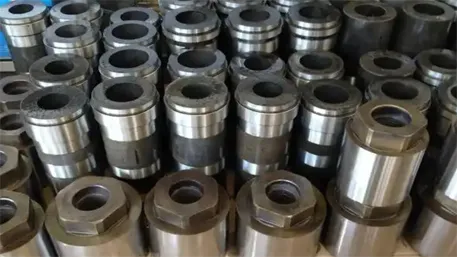
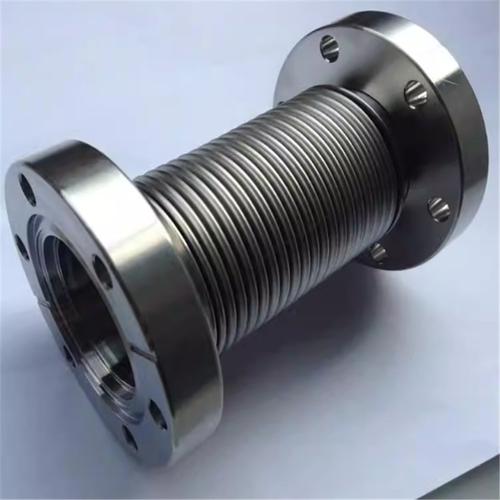
We provide high-precision insert molding solutions for metal, brass, threaded, and electronic inserts, supporting complex OEM plastic part manufacturing for automotive, electronics, medical, and industrial applications.
Common Insert Molding Challenges We Help Solve
Insert Positioning Accuracy
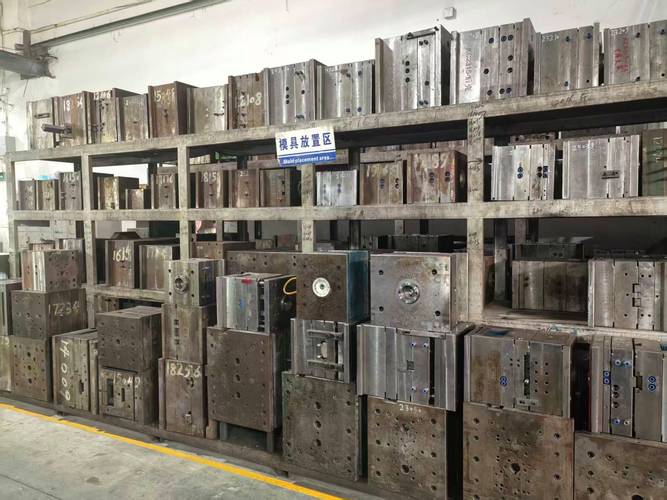
Precise fixture and mold design ensure accurate insert placement and repeatable alignment during molding.
Plastic Flash Around Inserts
Optimized shut-off design minimizes resin leakage and flash around embedded components.
Weak Insert Bonding
Material compatibility and mechanical locking structures improve bonding strength between insert and resin.
Insert Shift During Injection
Dedicated tooling and robotic loading reduce insert displacement caused by injection pressure.
Cracking Around Embedded Metal
Controlled wall thickness and stress-relief geometry prevent cracking after cooling.
Our Insert Molding Manufacturing Capabilities
Engineering Considerations for High-Quality Insert Molded Parts
Insert Retention Design
Knurling, undercuts, and grooves improve mechanical locking strength between insert and molded plastic. This ensures the embedded component will not loosen or pull out during part usage, even under heavy mechanical stress.
Thermal Expansion Compensation
Different thermal expansion rates between plastic and metal inserts must be considered to prevent cracking. We carefully match material pairs and design proper wall thickness to absorb thermal stress during temperature changes.
Gate Position Optimization
Proper gate placement minimizes insert shift and ensures balanced resin flow. Our engineering team simulates flow patterns to place gates away from critical insert areas, preventing pressure-induced displacement.
Cooling Balance Design
Uniform cooling prevents warpage and dimensional instability around insert areas. We design customized cooling lines to ensure consistent cooling rates across the entire part, especially around the heavier metal insert regions.
Mold Venting Around Inserts
Additional venting avoids trapped gas near insert interfaces. Proper venting ensures complete resin filling without burn marks or short shots, resulting in strong bonding between the insert and plastic material.
Insert Materials and Resin Options
Insert Materials
Plastic Resin Materials
Applications of Insert Molded Components
Automotive
Sensor Housings, Connector Bodies
Medical Devices
Device Components, Surgical Tools
Electronics
Connector Bodies, PCB Encapsulation
Industrial
Switch Housings, Valve Components
Fasteners
Threaded Plastic Fasteners
Consumer Appliances
Appliance Components, Handles
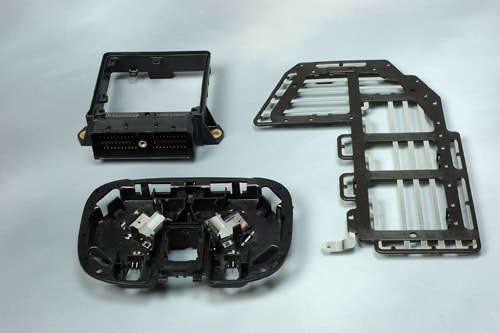
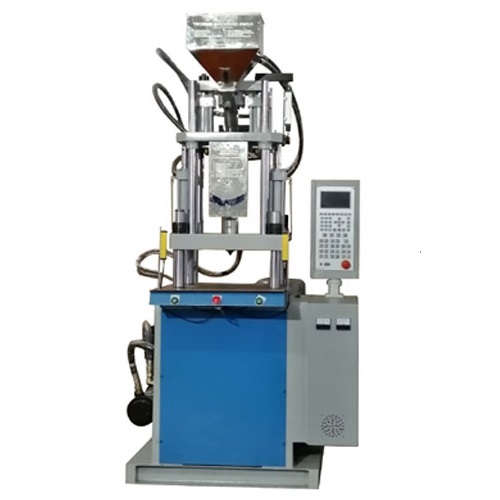
Recent Insert Molding Projects
Frequently Asked Questions About Insert Molding
What is insert molding?
Insert molding is a manufacturing process where pre-fabricated components (inserts, typically metal) are placed into a mold cavity, then plastic resin is injected around them to form a single integrated part. This combines the strength of metal with the flexibility of plastic.
What materials can be used in insert molding?
We work with a wide range of insert materials including brass, stainless steel, copper, aluminum, and even PCB/electronic components. For the plastic resin, we support ABS, Nylon, PC, PBT, PEEK, PPS, and many other engineering plastics.
How do you prevent insert movement during molding?
We use precision fixtures to hold inserts firmly in place during injection, along with optimized gate positioning to reduce pressure impact on inserts. We also use robotic loading for consistent placement, and flow simulation to ensure balanced resin flow that won’t shift inserts.
What tolerances can you achieve?
Our precision insert molding process can achieve tolerances as tight as ±0.02mm for critical dimensions, depending on part size and material requirements. We use CMM inspection to verify all critical dimensions to ensure compliance with your specifications.
Can you mold threaded brass inserts?
Yes, threaded brass inserts are one of our most common insert types. We specialize in embedding threaded inserts to create strong, reliable threaded connections in plastic parts, eliminating the need for post-mold insertion and reducing assembly costs.
Do you offer low-volume prototype insert molding?
Absolutely. We support low-volume prototype insert molding to help you test your design before full production. We offer flexible MOQ starting from 100 pcs, with fast prototype lead times to help you accelerate your product development cycle.
What files do you need for quotation?
To provide an accurate quote, we typically need your 3D CAD files (STEP, IGES, or STL format), 2D drawings with critical dimensions and tolerances, material requirements, and expected annual volume. You can upload your files directly through our quote form to get started.
Ready to Start Your Insert Molding Project?
Upload your CAD file now to get an instant quote and free DFM review within 12 hours.
Quality Assurance
FAI / IQC / IPQC / OQC / CMM Inspection
Lead Time
Prototype: 7-10 Days | Tooling:15-25 Days | Mass Production: 15-30 Days
Confidentiality
Strict NDA Protection for All Customer Projects