Micron-Level Plastic Components Manufacturing
We provide precision micro injection molding services for ultra-small, high-precision plastic components, serving medical, electronics, and precision industrial clients worldwide.
- ✓
Part weight from milligrams to <1g - ✓
Micro features down to 10–100 microns - ✓
Tolerance up to ±2–5μm - ✓
From design to high-volume production
What is Precision Micro Injection Molding?
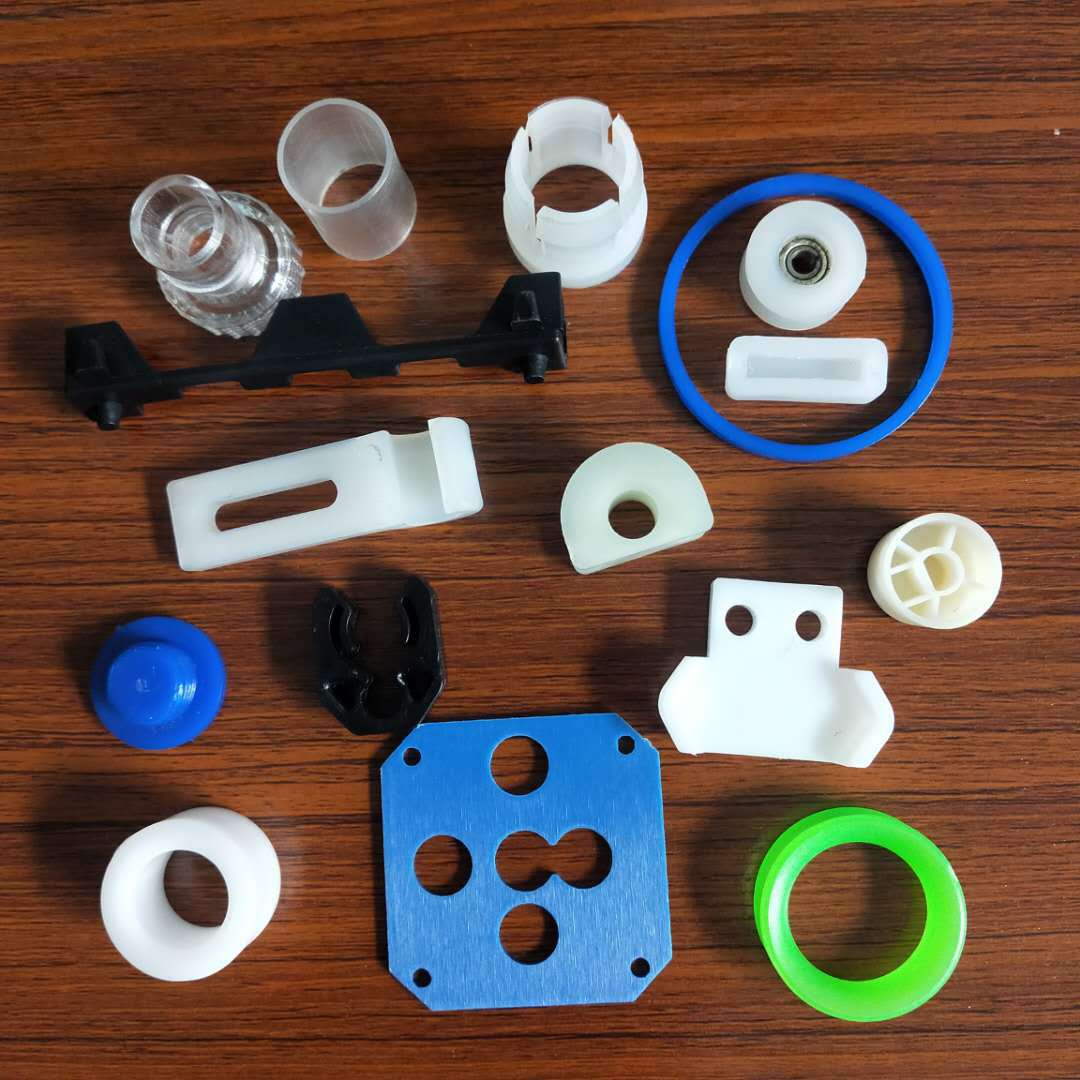
Precision micro injection molding is a specialized manufacturing process designed to produce extremely small plastic components with micron-level accuracy. Unlike conventional injection molding, this technology enables the production of parts weighing less than 1 gram, often as low as a few milligrams, with feature sizes in the micrometer range.
This process requires specialized equipment, ultra-precision tooling, and advanced process control to overcome the unique challenges of microscale manufacturing, including material flow behavior, heat transfer, and part ejection at miniature dimensions. It delivers exceptional repeatability, making it ideal for applications where absolute precision and consistency are critical.
Micro Injection Molding vs Standard Injection Molding
| Feature | Micro Molding | Standard Molding |
|---|---|---|
| Part Size | <1g (down to 0.001g) | Larger parts (>1g) |
| Tolerance | ±2–5μm | ±50–100μm (0.05–0.1mm) |
| Complexity | Ultra-high (micro features, thin walls) | Medium |
| Tooling | Ultra-precision micro tooling | Standard tooling |
Industries We Serve
Medical Devices
The fastest growing segment for micro molding, accounting for over 40% of the market. We produce biocompatible components for critical medical applications.
- Microfluidic chips & lab-on-a-chip
- Catheter & surgical components
- Diagnostic device parts
- Drug delivery system components
Electronics
Supporting miniaturization trends in consumer and industrial electronics with precision miniature components.
- Micro connectors & pins
- Sensor housings & packaging
- Hearing aid components
- MEMS device parts
Automotive
Delivering reliable precision components for advanced automotive electronics and sensor systems.
- Precision sensor components
- Micro connectors
- Automotive electronics housings
- High-temperature resistant parts
Micro Molding Materials
We work with a wide range of high-performance engineering polymers suitable for microscale processing, ensuring excellent flow properties, dimensional stability, and compliance with industry requirements:
Manufacturing Capabilities
| Micro Tooling | Ultra-precision molds with ±1μm cavity tolerance, polished to Ra 0.05μm surface finish |
| Injection System | Specialized micro injection units with 0.001g shot weight control for precise material delivery |
| Dimensional Tolerance | Consistent ±2–5μm dimensional control across high-volume production runs |
| Production Capacity | High-volume capable, supporting production from prototype to millions of parts per year |
| Minimum Feature | Ability to mold 10μm micro features and 0.05mm ultra-thin walls |
Key Micro Molding Technologies
Micro Gating
Precision gating technology that minimizes vestige, eliminating the need for secondary deflashing operations on micro parts.
High-Speed Injection
Ultra-fast injection speeds up to 1000mm/s to ensure complete filling of micro features before material solidification.
Precision Temp Control
±0.1°C temperature control system to maintain consistent material properties and eliminate process variations.
From Design to Production
DFM Analysis
Manufacturability review for your micro design
Micro Mold Design
Precision tooling development
Prototype
Sample validation & testing
Mass Production
Process validated volume manufacturing
Inspection
100% quality verification
Quality Assurance
For micro components, quality control is not optional—it’s critical. We implement rigorous inspection processes to ensure every part meets your exact specifications:
CMM Measurement
Coordinate measuring machines for precise 3D dimensional verification of micro features
Optical Inspection
High-resolution optical systems to inspect surface quality and micro feature integrity
Micro Tolerance Verification
0.1μm resolution measurement to validate tight tolerance requirements
Our quality system is ISO 9001 and ISO 13485 certified, meeting the strict requirements of medical and aerospace industries.
Cost of Micro Injection Molding
Micro injection molding involves higher initial investment compared to conventional molding, due to the specialized equipment, ultra-precision tooling, and process development required. However, it provides significant value for applications where precision is non-negotiable.
- Tooling Cost: Initial mold investment is higher due to the precision manufacturing requirements for micro cavities
- Part Cost: Per-unit cost is low at scale, making it highly cost-effective for high-volume production runs
- Value: It is the only viable manufacturing method for producing ultra-small, high-precision components that cannot be achieved via conventional processes
Micro Injection Molding Projects
Medical Microfluidic Component
- Feature: 10μm micro channels
- Tolerance: ±3μm
- Material: COC (Medical grade)
- Volume: 500,000 parts/year
Micro Electronic Connector
- Feature: 0.05mm precision pins
- Tolerance: ±2μm
- Material: LCP
- Volume: 1,000,000 parts/year
Sensor Housing
- Feature: 0.05mm ultra-thin wall
- Tolerance: ±4μm
- Material: Medical-grade PC
- Volume: 300,000 parts/year
Frequently Asked Questions
What is micro injection molding?
Micro injection molding is a specialized manufacturing process that produces extremely small plastic parts, typically weighing less than 1 gram, with micron-level precision. It is used for applications requiring miniature, high-accuracy components.
What tolerance can be achieved with micro molding?
Our precision micro injection molding can achieve tolerances as tight as ±2–5μm, which is significantly tighter than the ±50–100μm typical of conventional injection molding.
What materials are used in micro molding?
We work with high-performance engineering polymers including PEEK, LCP, PPS, PC, COC/COP, and medical-grade materials that have excellent flow properties for microscale processing.
Is micro molding suitable for mass production?
Yes. While micro molding requires precise process setup, it is fully capable of high-volume mass production, with the ability to produce millions of consistent parts per year with stable micron-level accuracy.
Get a Micro Injection Molding Quote
Upload your STEP/IGES file, share your requirements, and our engineering team will provide a detailed review and custom quote within 24 hours.