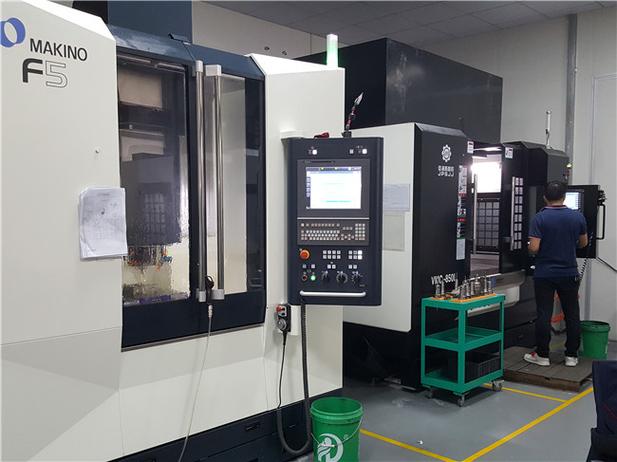
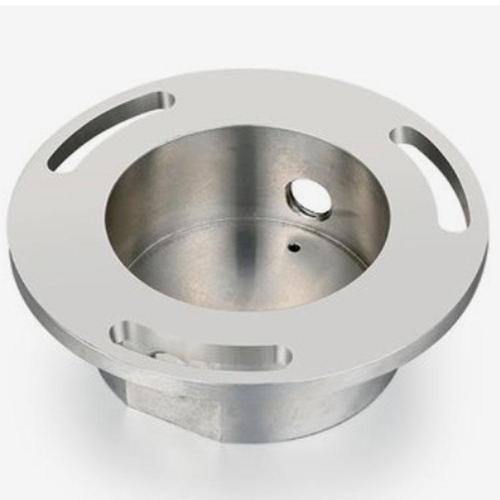
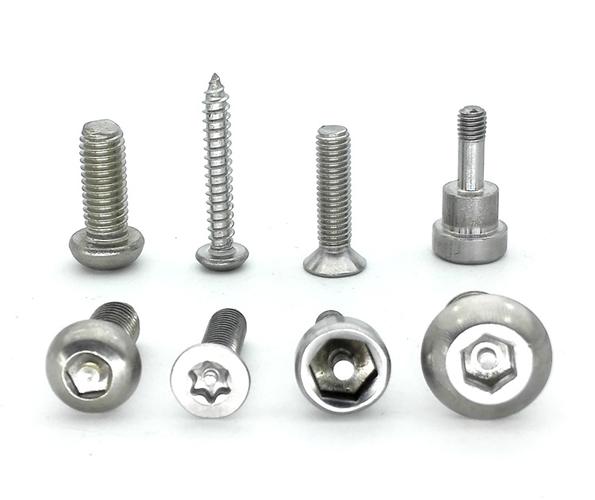
Custom CNC turned brass components for connectors, fittings, bushings, terminals, inserts, pins and other precision mechanical and electrical applications. Machined to your drawing, from prototype to production.
Accepted files: STEP · IGES · DWG · DXF · PDF · STL
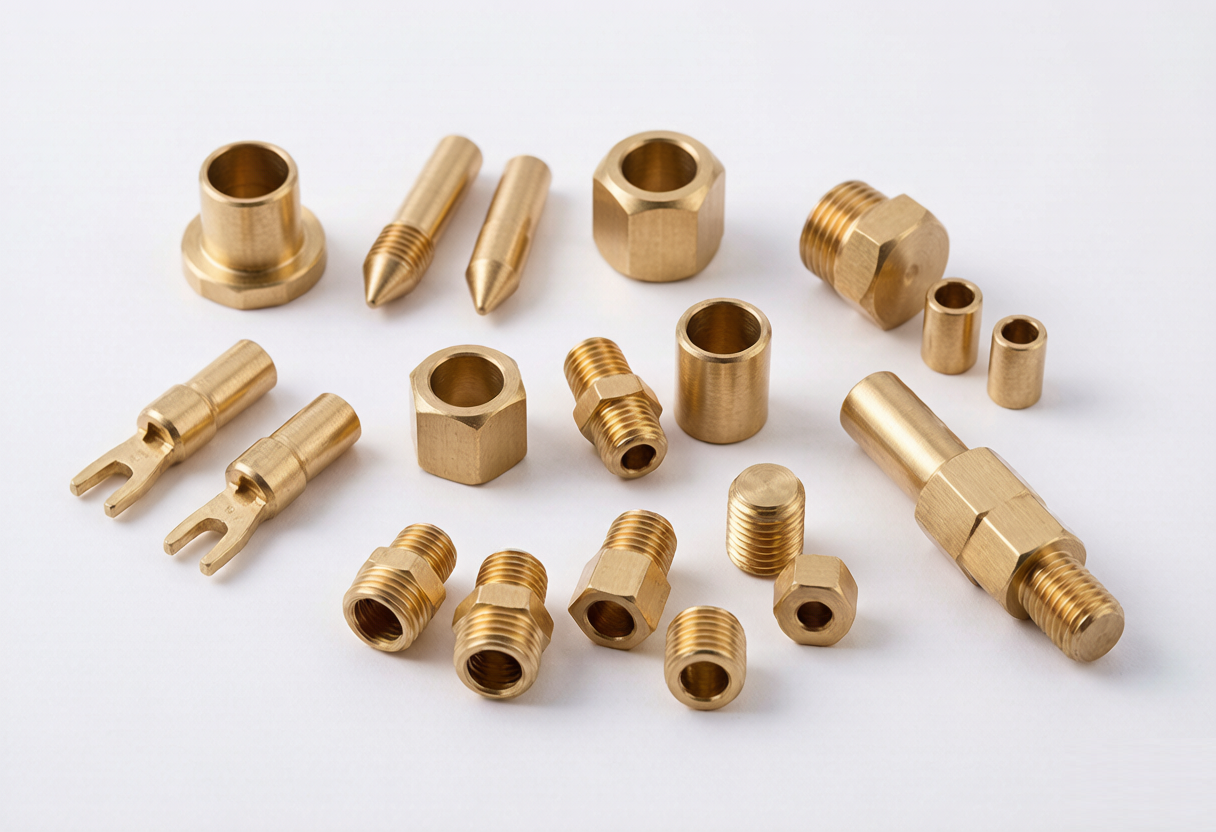 Bar stock → precision turned components
Precision Brass CNC Turned Components from Prototype to Production
When you search for brass CNC turned components, you usually already know the material and the process. What you need next is a manufacturer who can take your drawing and deliver the right grade, geometry, thread, tolerance and finish — reliably, and at the quantity you need.
Goldcattle machines brass bar stock into threaded fittings, electrical terminals, bushings, inserts, pins, connectors and custom precision parts using CNC turning, with secondary milling, drilling and plating where the design requires it. The page below answers the questions buyers actually ask before they send a drawing.
Which brass grade?
C360 free-cutting, C260 cartridge, Naval brass for marine use, and lead-free grades for regulated applications.
What can be turned?
OD, ID, bores, threads, grooves, shoulders, tapers, knurling, cross holes and flats — from bar stock to finished component.
What about quantity?
Single prototypes, low-volume batches and repeat production — with material certification and inspection on request.
What Are Brass CNC Turned Components?
Brass CNC turned components are precision parts machined from brass bar stock or similar stock material using CNC turning processes to create diameters, bores, threads, grooves, shoulders and other rotational features. The part is generated by rotating the stock against a stationary cutting tool, producing consistent round geometry part after part.
Brass + CNC Turning + Component: this relationship connects the material, the process and the finished part type — the basis for everything below.
Why Choose Brass for CNC Turned Parts?
Brass is a practical choice for many small, precision, rotationally symmetric parts — not because it is exotic, but because it is efficient to machine and performs well in the applications where it is used.
Excellent Machinability
Brass typically machines very cleanly, which makes it well suited to high quantities of small turned parts with tight cycle times.
Good Electrical Conductivity
Suitable for terminals, connectors and electrical hardware where a conductive, machinable metal is required.
Good Corrosion Resistance
Performance depends on grade and environment, but many brass alloys resist atmospheric and mild aqueous corrosion well.
Wear & Friction Performance
Used for bushings, fittings and moving components where a low-friction bearing surface is useful.
Attractive Appearance
The natural warm color suits exposed hardware, decorative fittings and consumer-facing products.
Good Threading Performance
Brass holds clean internal and external threads, ideal for fittings, adapters, inserts and threaded connectors.
When Brass May Not Be the Best Material
Choosing brass is a decision, not a default. The points below help you confirm whether brass is right — or whether another material fits the requirement better.
Need very high strength?
Stainless steel, alloy steel or titanium may be more appropriate where load, fatigue or hardness dominate the design.
Need very low weight?
Aluminum is usually lighter and may be preferred where mass reduction matters more than conductivity or wear.
Very high temperature?
Brass has a limited high-temperature envelope. The application should be re-evaluated against material temperature limits.
Aggressive chemical environment?
Suitability depends on the specific brass alloy and the media. This must be assessed against the actual chemical exposure.
Marine application?
Chloride, dezincification, galvanic corrosion and alloy selection must all be considered. Brass is not automatically suitable for every marine environment.
Regulated lead content?
Drinking-water and some electrical applications may require lead-free grades. Lead content is alloy-specific and must be confirmed.
Brass Grades for CNC Turning
Grade selection drives machinability, appearance, conductivity and regulatory fit. The grades below are commonly used for turned brass components; final choice depends on your specification and supply.
Excellent machinability for high-volume turned parts.
- CNC turning & screw-machine parts
- Fittings, connectors, pins
- Precision components
- Clean threads and finishes
Good combination of conductivity and formability.
- Electrical components
- Forming applications
- General hardware
- Moderate strength parts
Used where marine or higher-strength service is required.
- Marine hardware
- Fittings and shafts
- Corrosion-prone environments
- Confirm per application
For drinking-water, plumbing and regulated electrical use.
- Lead-free requirement
- NSF / RoHS considerations
- Application-specific
- Verify certification
C360 vs C260 vs Naval Brass
| Grade | Main Advantage | Typical Use |
|---|---|---|
| C360 | Excellent machinability | CNC turned parts, fittings, pins |
| C260 | Good conductivity / forming | Electrical components, hardware |
| Naval Brass | Marine suitability | Marine fittings, shafts |
| Lead-Free Brass | Regulatory considerations | Drinking water, plumbing, electrical |
Lead-Free Brass CNC Turned Components
For buyers serving North American, European or other regulated markets, lead-free brass may be required for drinking-water components, plumbing, certain electrical parts and other regulatory-sensitive products.
Drinking Water
Lead-free grades for potable-water fittings and valves where regulation applies.
Plumbing
Compliant brass for plumbing hardware supplied into regulated markets.
Electrical
Lead-free options for electrical and electronic brass components where specified.
Important: Not all brass is lead-free. Lead content and regulatory compliance depend on the specific alloy. EU, NSF, RoHS and REACH references can only be made where the actual material and certification evidence are in place.
Custom Brass CNC Turned Components We Manufacture
Below are the part types most commonly produced by CNC turning from brass bar stock. Each can be combined with threads, bores, grooves, cross holes, knurling and plating per drawing.
Brass Fittings
Adapters, threaded fittings, tube fittings and connectors for fluid and pneumatic systems.
- Adapters
- Threaded
- Tube
- Connectors
Brass Bushings
Sleeve, flanged and wear bushings used as bearing surfaces in mechanical assemblies.
- Sleeve
- Flanged
- Wear
- Bearing
Brass Inserts
Threaded, heat-set and press-fit inserts for joining plastics, metals and assemblies.
- Threaded
- Heat-set
- Press-fit
Brass Terminals
Electrical terminals and contact components for connectors and wiring systems.
- Terminals
- Contacts
- Lugs
Brass Pins
Locating, dowel and hinge pins for alignment, pivoting and assembly functions.
- Locating
- Dowel
- Hinge
Brass Spacers
Standoffs and spacers for stacking, isolation and mechanical spacing.
- Standoffs
- Spacers
Brass Plugs
Threaded plugs and caps for ports, cavities and fluid passages.
- Threaded
- Caps
- Ports
Brass Nozzles
Nozzle bodies and tips for dispensing, spraying and fluid control.
- Nozzles
- Tips
- Spray
Brass Valve Parts
Valve bodies, stems and components for fluid control assemblies.
- Bodies
- Stems
- Seats
Brass Connectors
Connector bodies and coupling components for electrical and fluid links.
- Couplings
- Bodies
- Links
Brass Fasteners
Custom brass fasteners and threaded hardware made to specification.
- Fasteners
- Threaded
- Custom
Custom Brass Parts
Other precision turned brass components engineered from your drawing.
- Custom
- To drawing
Brass Components for Electrical Applications
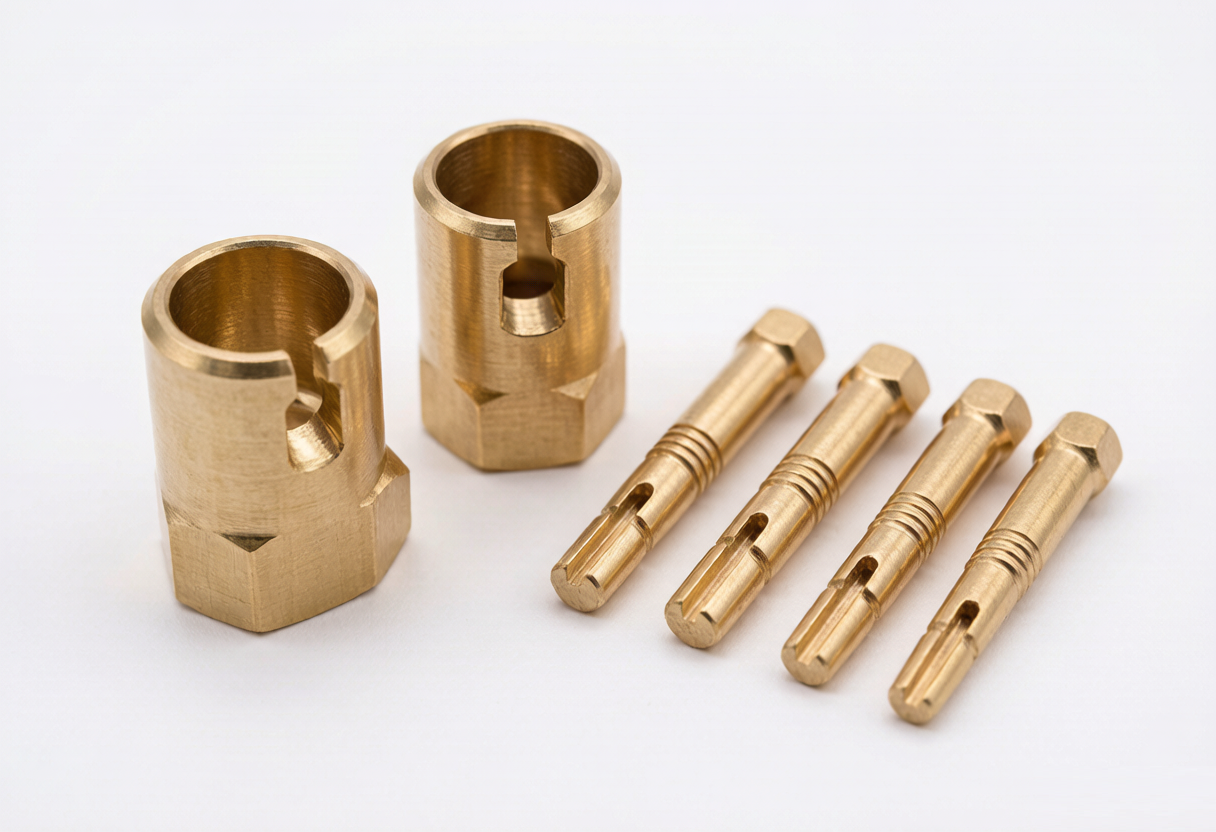
This is one of the strongest distinctions from a stainless page: brass is widely specified for electrical terminals, connector components, contact pins, threaded inserts, grounding parts, cable glands and electrical fittings.
- Conductivity — brass carries current where a machinable, formable metal is needed.
- Machinability — fine threads and contact surfaces turn cleanly.
- Threadability — secure, repeatable mating threads.
- Plating compatibility — tin, nickel or gold can be applied for contact performance.
- Dimensional stability — consistent parts across a production run.
- Terminals
- Connectors
- Contacts
- Inserts
- Grounding
- Cable glands
Brass Components for Fluid and Plumbing Applications
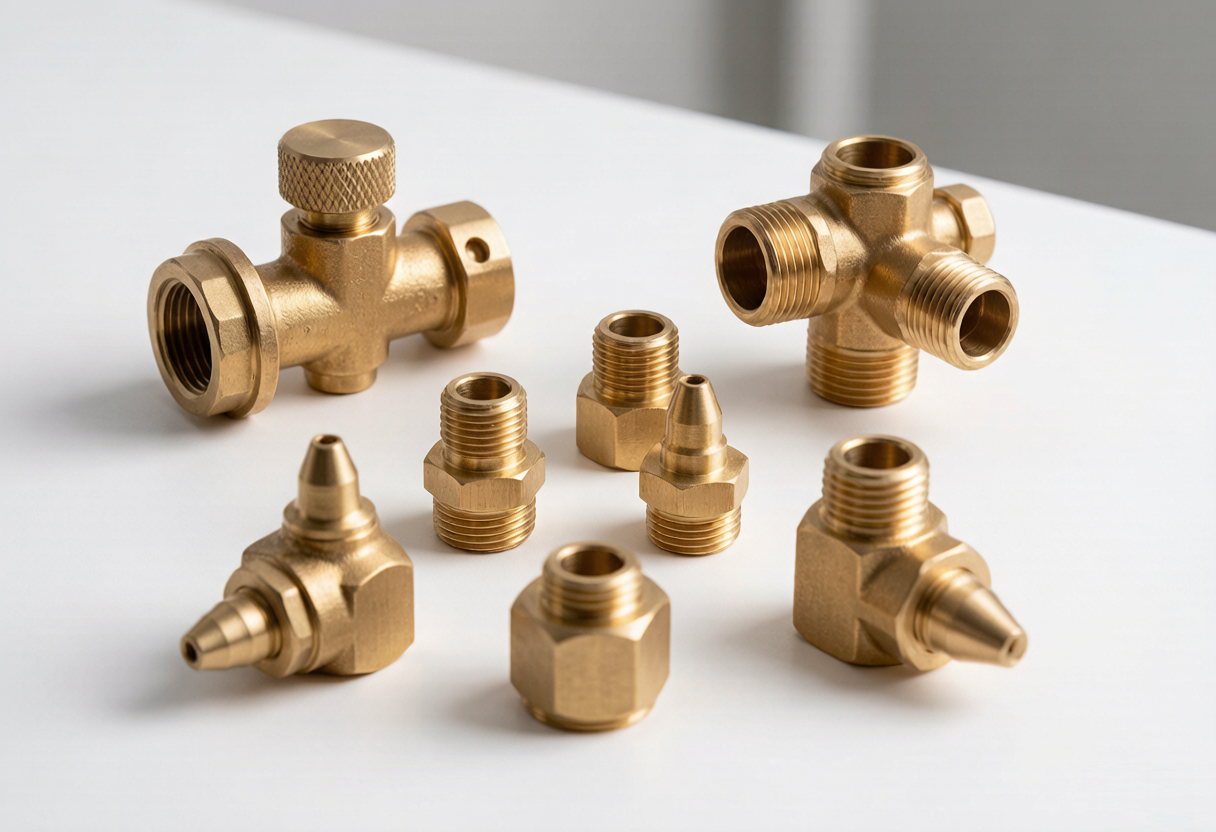
Brass fittings, adapters, valves, nozzles, plugs, connectors and couplings are produced to drawing, with thread, sealing face and dimensional consistency as the priority.
- Thread — NPT, BSP, UNC/UNF or customer-specified standards.
- Sealing — O-ring grooves, sealing faces and shoulder interfaces.
- Pressure — geometry and wall control for rated service.
- Corrosion — grade selection matched to the medium.
- Dimensional consistency — repeatable across the batch.
- Fittings
- Adapters
- Valves
- Nozzles
- Plugs
- Couplings
Brass Components for Marine Applications
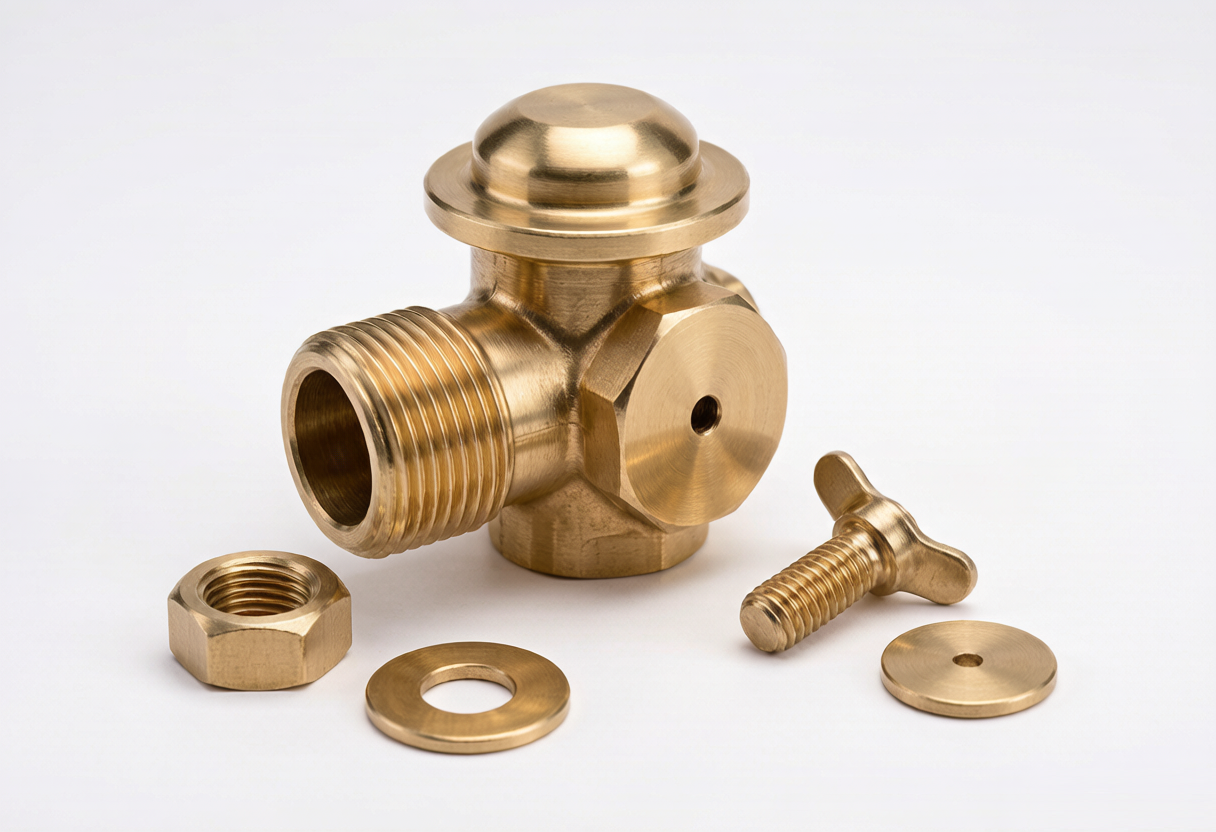
Where the program calls for it, brass fittings, bushings, connectors, valve components and deck hardware can be produced from marine-suitable alloys.
Alloy selection is critical: brass in marine environments must consider dezincification and galvanic corrosion. Brass is not automatically suitable for every marine use — the specific alloy and duty must be confirmed.
- Fittings
- Bushings
- Connectors
- Valve parts
- Deck hardware
CNC Turning Capabilities for Brass Parts
A single brass component often combines several turning operations. The capabilities below are applied to your drawing, with the feature list driving the machine configuration and tooling.
OD Turning
External diameters, steps and profiles.
ID Boring
Internal diameters and bores to tolerance.
Facing
Square reference faces and lengths.
Grooving
Internal, external and face grooves.
Threading
Internal / external, multiple standards.
Drilling
Center, axial and radial holes.
Reaming
Sized bores for fit and finish.
Knurling
Grip and decorative surface patterns.
Chamfering
Edge breaks and lead-in features.
Cross Drilling
Radial holes and intersections.
Parting
Separation to finished length.
Live Tooling / Y / Sub-Spindle
Where the configuration supports it, milling and additional operations are done in one setup.
Brass Turning with Live Tooling and Secondary Milling
Many brass parts are not pure turning. Cross holes, flats, slots and other features are added with live tooling or a secondary milling operation, reducing handling and set-up changes.
A typical flow for a complex brass component:
Combining operations in fewer set-ups reduces cumulative tolerance stack-up and handling — a real advantage for complex brass parts.
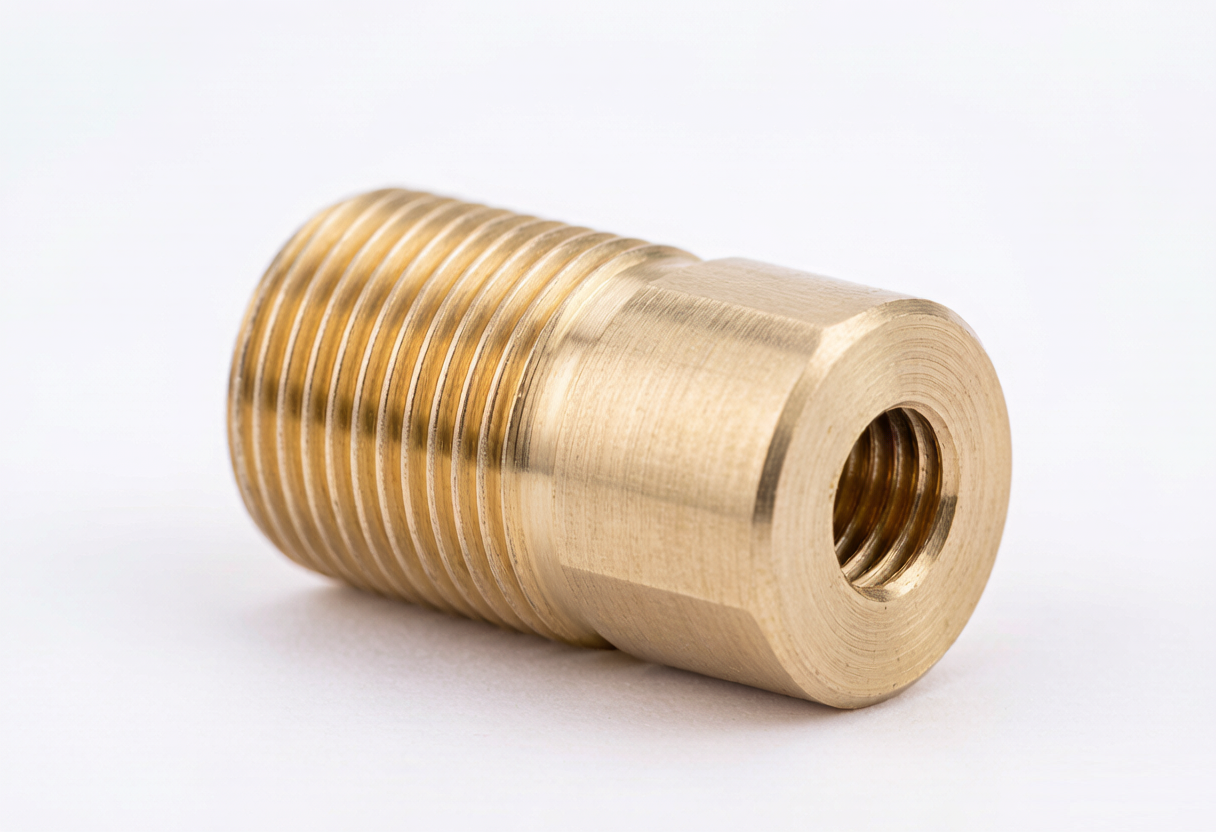
Brass Turning Sizes and Tolerances
Brass is relatively soft, so fixture pressure, cutting parameters and deburring all influence the final dimension. Tolerances are confirmed against feature size, geometry, machine configuration, tooling, material and inspection method.
| Characteristic | What we control |
|---|---|
| Diameter (OD) | Turned to drawing, typical ±0.01 mm |
| Bore (ID) | Bored / reamed to fit requirement |
| Length | Faced and parted to length |
| Concentricity | Between OD and ID features |
| Roundness | Form control on diameters |
| Runout | Axial feature control |
| Thread | Class / pitch per standard |
| Position | Cross-hole and feature location |
Note: Because brass is softer than steel, clamping and deburring method can affect final size. Tell us the critical features and we will plan the process around them.
Custom Brass Threads and Sealing Features
Threads are central to brass fittings, connectors and inserts. Thread size, pitch, class/tolerance, internal or external type and sealing requirement should all be specified on the drawing.
Thread Standards
- Metric — general precision threads.
- UNC / UNF — unified coarse / fine.
- BSP — British standard pipe.
- NPT — National pipe taper.
- Other customer-specified standards.
Sealing Features
- Tapered threads — for sealing joints.
- Straight threads — with separate seal.
- O-ring grooves — for face / bore seals.
- Sealing faces — controlled flatness.
- Shoulder interfaces — axial sealing location.
For plumbing, hydraulic, pneumatic and valve parts, sealing geometry is specified up front — it is more valuable than a generic "custom thread available" claim.
Deburring and Edge Control
Brass machines cleanly, but specific grades, tools and parameters still affect burrs, sharp edges, deformation and surface marks. Edge control is part of the process, not an afterthought.
Manual Deburring
Targeted edge break on critical features.
Brushing
Light edge and surface cleanup.
Tumbling
Batch edge radiusing and finish.
Vibratory Finishing
Consistent deburr for volume.
Controlled Edge Break
Specified radius where function needs it.
Protection
Methods chosen to avoid deformation of thin features.
Brass Surface Finishing and Plating
Finish is chosen by function, not just appearance. For electrical use, plating can affect contact resistance and corrosion; for decorative use, it is about look and durability.
As-Machined
Natural brass appearance, no additional finish.
Polishing
Smooth, bright decorative surface.
Brushing
Satin, directional surface texture.
Nickel Plating
Wear and corrosion resistance.
Chrome Plating
Hard, decorative bright finish.
Tin Plating
Common for solderable / electrical contact.
Gold Plating
Low-contact-resistance electrical use.
Silver Plating
High-conductivity electrical use.
Electroless Nickel
Uniform, hard corrosion-resistant layer.
Passivation note: passivation is not a standard brass treatment in the way it is for stainless steel. Any cleaning or surface treatment for brass must be described by the actual process route, not assumed.
How to Choose a Finish for Brass Components
| Application | Possible Finish |
|---|---|
| Electrical contacts | Tin / Gold / Nickel* |
| Decorative hardware | Polishing / Chrome |
| Corrosion protection | Nickel / suitable coating |
| Plumbing | Application-specific finish |
| Natural brass look | As-machined / polished |
Surface Roughness for Brass Components
Roughness is specified by function rather than a single universal value. Sealing faces and sliding interfaces may need a different finish than a general machined surface.
General Machined
Standard turned surface for non-critical faces.
Fine Turning
Improved surface for appearance or fit.
Polished
Low Ra for decorative or contact use.
Sealing Surfaces
Controlled finish for gasket / O-ring seats.
Sliding Interfaces
Finish matched to wear and motion.
Specify per feature
Tell us which faces are critical and we plan tooling accordingly.
Brass Material Traceability and Quality Control
For OEM programs, knowing the material is as important as the dimensions. Inspection covers material, dimensions, surface and function, with documentation available on request.
Material
- Alloy verification
- Lot / heat traceability
- Material certificate
Dimensional
- OD / ID / length
- Threads and grooves
- Concentricity and runout
Surface
- Roughness check
- Plating thickness
- Cosmetic condition
Functional & Docs
- Thread gauge / leak test if applicable
- Inspection report
- COC / FAI / plating certificate
Material Traceability Flow
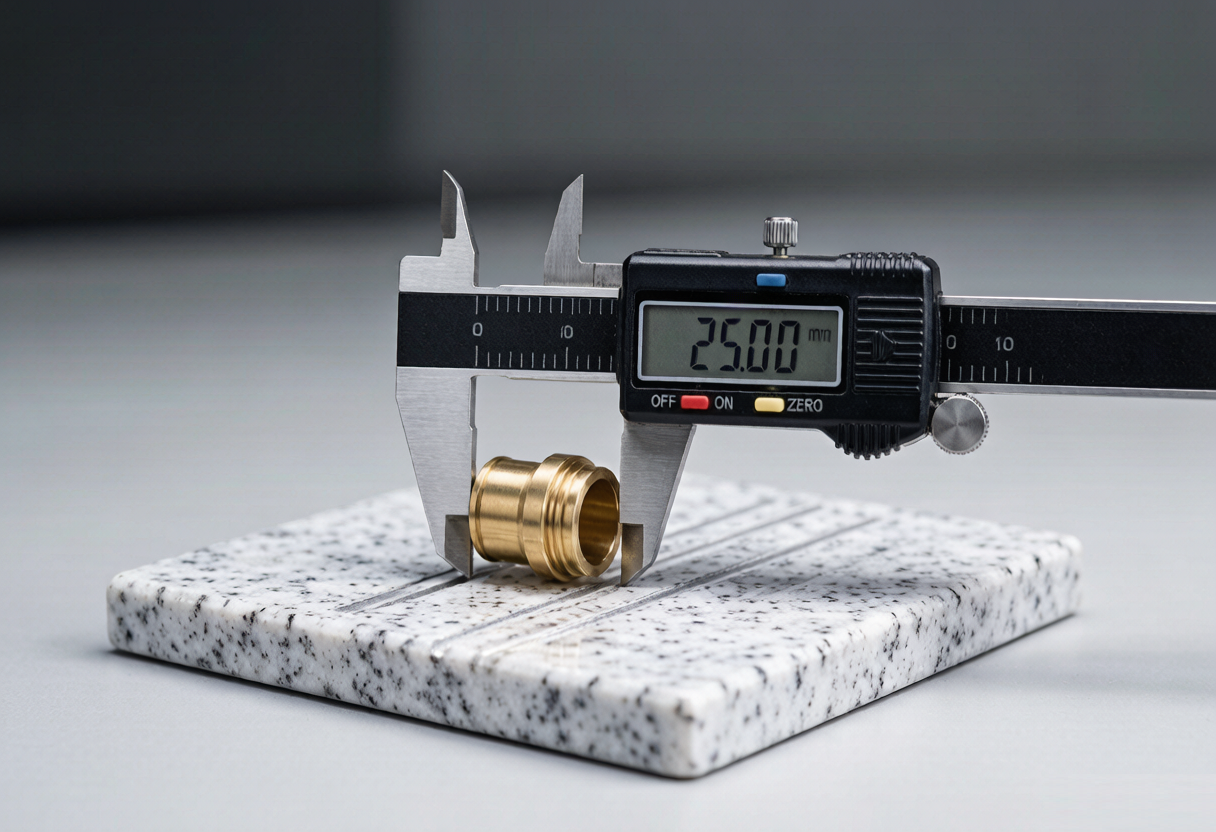
Where the program requires it, lot and heat traceability can be carried from bar stock through machining, finishing and shipment.
Prototype, Low-Volume and Production Brass Components
CNC turning supports both first-article validation and repeat production. Where the machine configuration supports it, Swiss-type turning can be especially effective for high-volume miniature components.
Prototype
Design validation, thread testing and assembly fit before committing to tooling.
Small Batch
Bridge quantities and pilot runs with the same process as production.
Production
Repeat and volume manufacturing with consistent inspection.
Custom Brass CNC Turning Case Studies
Representative component types we manufacture. These are general capability examples, not specific customer programs.
Process: CNC turning + cross milling.
Features: Fine thread, slot and machined contact surface.
Finish: Nickel / tin / gold* per requirement.
Inspection: Dimensional and finish check.
Process: CNC turning.
Features: NPT / BSP thread with sealing face.
Application: Fluid / pneumatic system.
Requirement: Thread and leak performance.
Process: CNC turning.
Features: ID / OD and groove.
Application: Mechanical equipment.
Requirement: Fit and wear performance.
Process: CNC turning.
Application: Marine equipment.
Requirement: Corrosion and galvanic considerations reviewed per alloy.
Why Source Brass Turned Components from a CNC Manufacturer?
You are buying machined components, not resold stock. A turning manufacturer controls the process from bar stock to finished, inspected part.
If your program involves small-diameter, high-volume miniature brass components, ask whether Swiss-type turning is appropriate for the geometry — it can reduce set-ups and handling.
What Affects Brass Turned Part Cost?
Cost is driven by material, geometry and volume together. One factor often overlooked: bar stock diameter and material utilization, because most brass turned parts start from round bar.
- Brass grade — alloy and lead-free status.
- Bar diameter — affects material use.
- Part length — cycle and material.
- Cycle time — complexity per part.
- Material utilization — blank vs finished diameter.
- Threading & cross holes — added operations.
- Knurling — pattern and coverage.
- Secondary milling — flats, slots.
- Surface finish — polish vs as-machined.
- Plating — type and thickness.
- Inspection — level and documentation.
- Quantity — prototype vs volume.
How to Reduce Brass CNC Turning Cost
Machinable Grade
Choose a grade that turns efficiently for the application.
Optimize Blank Diameter
Closer blank-to-finished diameter reduces scrap.
Standard Threads
Use common standards where the design allows.
Right Tolerances
Avoid tighter-than-needed tolerances.
Combine Parts
Group similar parts for one set-up.
Minimize Operations
Reduce secondary steps where possible.
Appropriate Plating
Specify finish by function, not by default.
Increase Batch
Higher quantity lowers unit cost.
Optimize Length
Right-length parts use less material.
Frequently Asked Questions
What brass grades can be CNC turned?
What is the best brass for CNC turning?
Is C360 brass suitable for precision turned parts?
Can you CNC turn C260 brass?
Can you make brass fittings from drawings?
Can you manufacture brass electrical connectors?
Can you machine brass bushings?
Can you make fine threads in brass?
Can you manufacture miniature brass turned parts?
Can brass turned parts be plated?
Can you provide nickel, tin or gold plating?
Can you manufacture lead-free brass components?
Can you provide material certificates?
What tolerances can brass CNC turning achieve?
Can you manufacture prototypes and production quantities?
Can you use Swiss-type turning for brass components?
How much do brass CNC turned parts cost?
What files are needed for a quote?
Request a Brass CNC Turning Quote
Send your drawing and we will respond with grade options, process route, tolerance capability and a quote sized to your quantity.
Accepted files: STEP · IGES · DWG · DXF · PDF · STL