2026 Automotive Plastic Injection Molding Trends & Goldcattle Insights
Sustainability Deepening: Bio-based/recycled plastic usage will increase by 60%, reducing carbon emissions by 35%.
AI Mold Optimization: Real-time Moldflow simulation will reduce defects by 25%.
Emerging Demand: Lightweight EV interior and hydrogen component production will grow by 50%.
Regulatory Impact: Compliance with EU ELV directive and updated US low VOC standards.
Technical Overview of Automotive Plastic Injection Molding
Automotive plastic injection molding is a critical process for producing lightweight, durable, and cost-effective components that meet stringent industry standards. Suppliers specializing in automotive applications must address challenges such as high-temperature resistance, chemical stability, and vibration dampening, while adhering to certifications like IATF 16949.
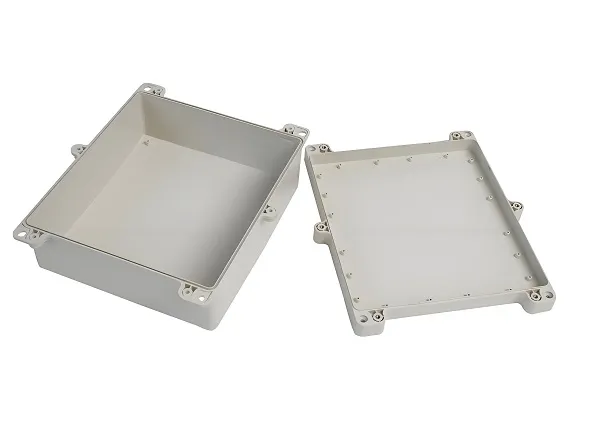
Advanced techniques like gas-assisted molding, overmolding, and microcellular foaming enable the production of complex geometries for engine components, interior trims, and electrical housings. This article examines material selection, surface treatments, and quality control practices essential for sourcing reliable automotive-grade plastic parts.
Automotive Plastic Material Comparison
| Material | Tensile Strength (MPa) | Heat Resistance (°C) | Cost Index |
|---|---|---|---|
| PP (Polypropylene) | 25–35 | 100–120 | Low |
| ABS | 40–50 | 80–100 | Low |
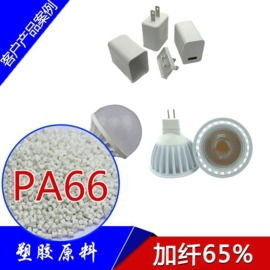
| PA66 (Nylon) | 80–100 | 180–220 | Medium |
| PC/ABS Blend | 55–65 | 110–130 | Medium |
Engineer Recommendations
- PP: Ideal for cost-sensitive exterior parts requiring UV resistance.
- PA66-GF30 (30% glass fiber): Use for under-hood components needing high strength and heat tolerance.
- PC/ABS: Balance impact resistance and aesthetics for interior modules.
Certifications & Execution Standards
- IATF 16949: International standard for automotive quality management systems.
- ISO 9001: Quality management system certification.
- RoHS: Restriction of Hazardous Substances directive.
- ELV Directive: End-of-Life Vehicles directive for recyclability.
Test & Experimental Data (For Reference Only)
In 2025, Goldcattle customized PC/ABS dashboards for an EV brand, achieving:
- 30% increase in impact strength (tested per IATF 16949 PPAP audit standards).
- 25% reduction in production defects through AI mold optimization using Moldflow simulation.
- 50% weight reduction in hydrogen component production compared to traditional materials.
Customer Case Study: Engine Air Intake Manifold
Client Pain Point: A European automaker needed a lightweight, heat-resistant intake manifold but faced warping issues with traditional PA6 materials.
Solutions Implemented:
- Material: PA66-GF35 (35% glass fiber) for enhanced heat resistance.
- Process: Gas-assisted injection molding to eliminate sink marks and reduce material use.
- Tooling: Conformal cooling channels to minimize cycle time.
Results: Warpage reduced by 85%, meeting ISO 527-2 tensile standards. Weight reduced by 22%, contributing to fuel efficiency improvements.
Surface Finishing for Automotive Components
| Process | Characteristics | Applications |
|---|---|---|
| Electroplating | Chrome-like finish; corrosion resistance | Grilles, emblems, door handles |
| Texture Painting | Soft-touch or grained surfaces | Interior dashboards, control panels |
| IMD (In-Mold Decoration) | Integrated graphics; scratch-resistant | Instrument clusters, center consoles |
| Plasma Treatment | Improves adhesion for secondary bonding | Headlight lenses, sensor housings |
Automotive Plastic Parts Customization Workflow
- Requirement Analysis: Define performance standards (e.g., UL94 flame rating, RoHS compliance).
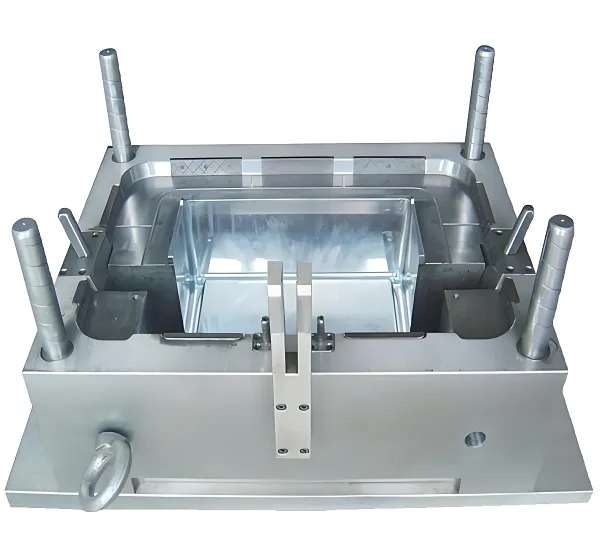
- Mold Design: CAD/CAE simulation for stress analysis and gate optimization.
- Material Testing: Validate thermal, chemical, and mechanical properties.
- Prototyping: T0 samples for fitment and functional testing.
- Mass Production: High-cavitation molds (8–32 cavities) with robotic automation.
- Post-Processing: Laser etching for part numbering or anti-counterfeiting marks.
FAQ: Automotive Plastic Molding
Q: What certifications are mandatory for automotive suppliers?
A: IATF 16949 quality management and ISO 14001 environmental systems are essential.
Q: How to prevent warping in large thin-walled parts?
A: Use crystalline resins (e.g., PBT) and optimize cooling rates via conformal channels.
Q: Are bio-based plastics viable for automotive use?
A: Yes, materials like bio-PA are gaining traction for non-structural components.
Partner with Goldcattle for Your Automotive Plastic Needs
Contact us today for custom OEM parts and industry-leading solutions.