Titanium CNC Machining · Material-Specific Service Hub
Custom Titanium CNC Machining Services
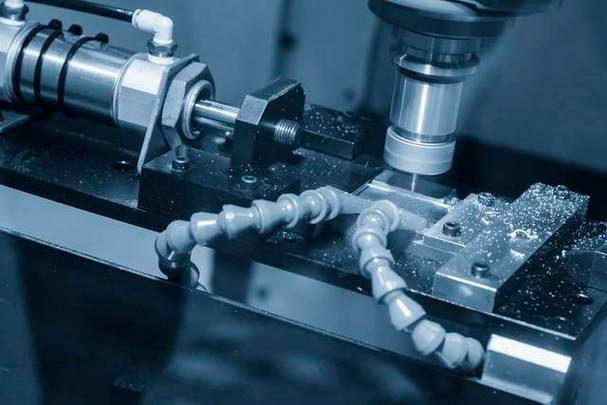
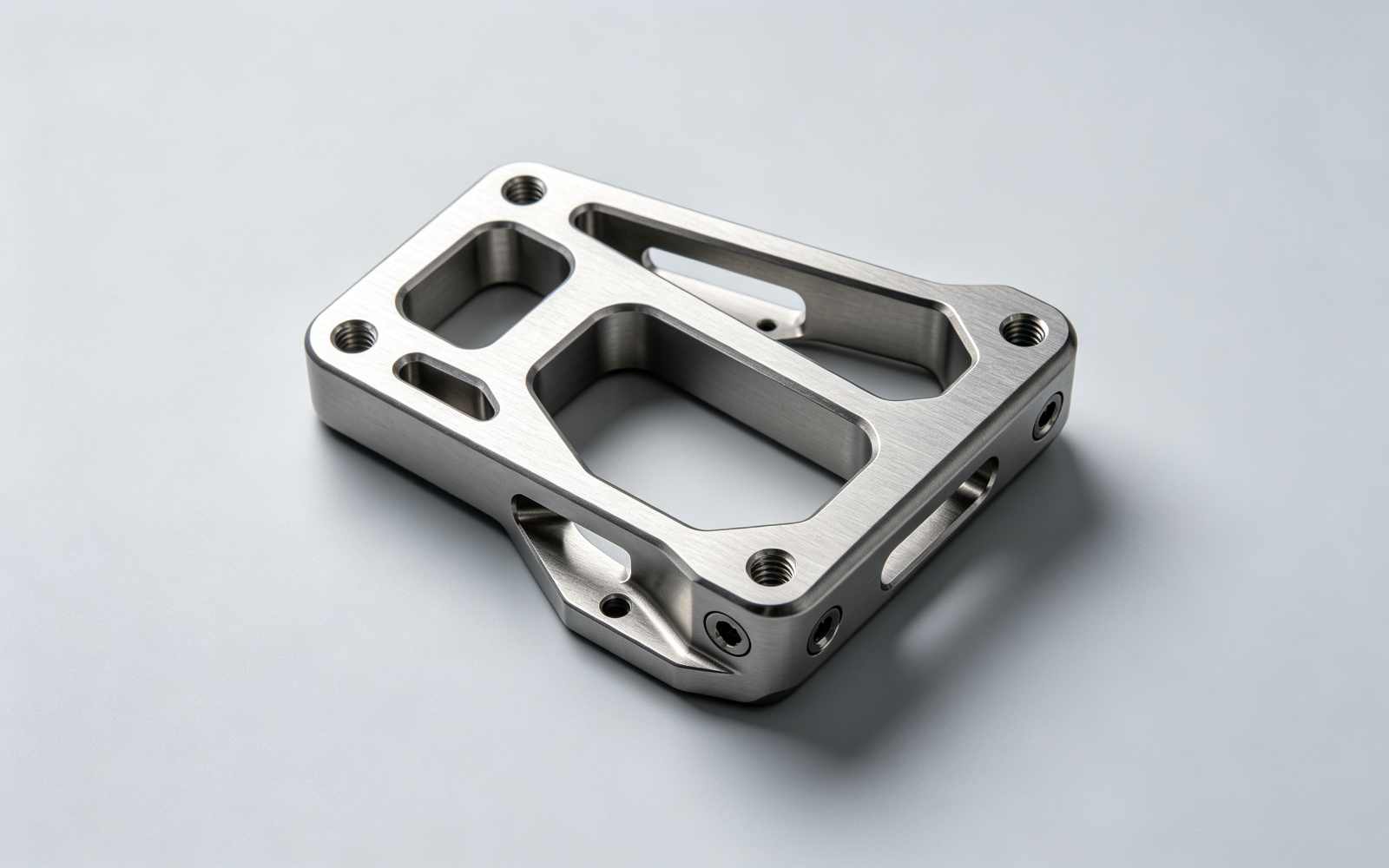
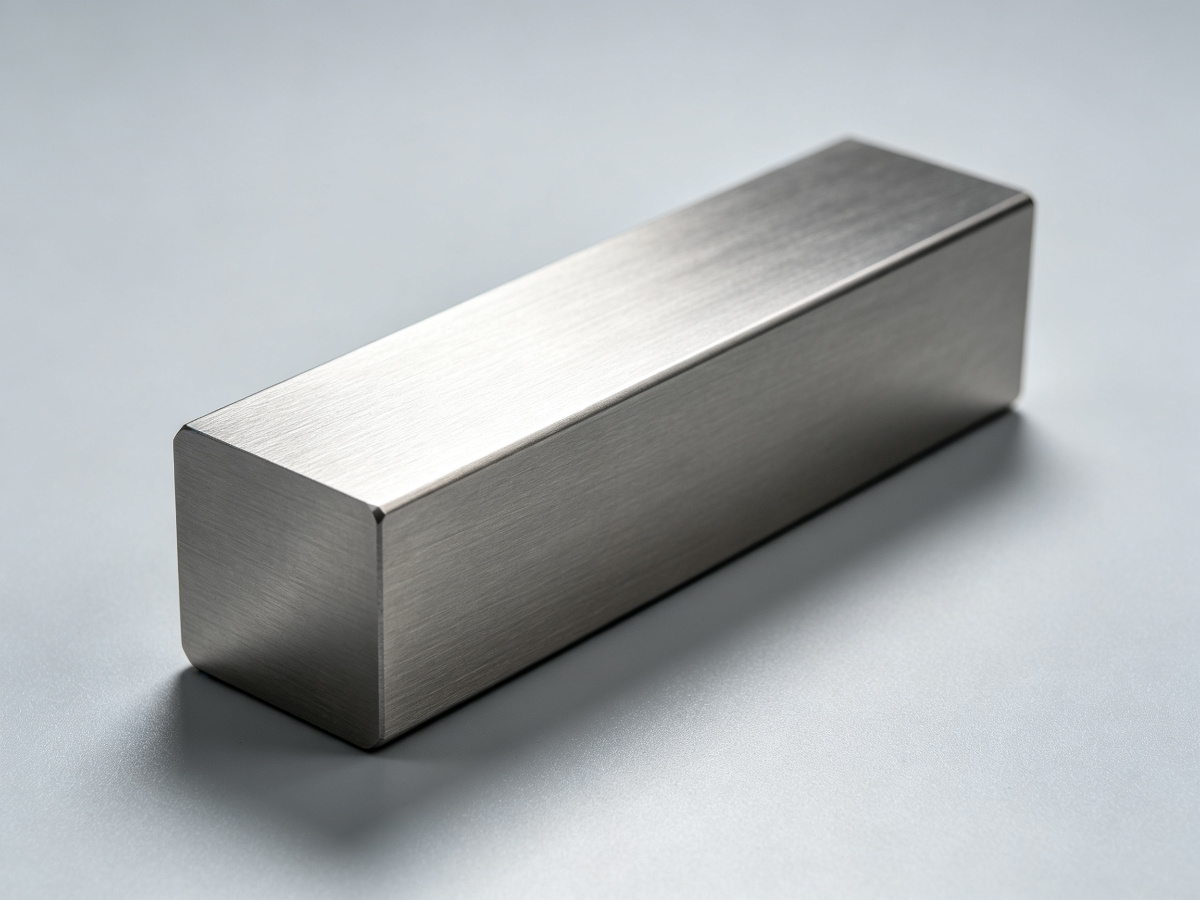
Precision CNC-machined titanium parts produced from your CAD files, engineering drawings or physical samples. We machine Grade 2, Grade 5 (Ti-6Al-4V) and other specified titanium alloys for prototype, low-volume and repeat production.
Titanium needs different process control from aluminum or conventional steels. Our engineering review looks at grade, geometry, tolerances, fixturing, finishing and inspection before we quote — not after.
- Grade 2 / Grade 5Ti-6Al-4V and CP titanium
- 3 / 4 / 5-axisselected per geometry
- 1-off to repeatprototype to production
- Material traceabilityheat / lot where required
Material Map
Titanium grades we machine
We do not claim to machine every titanium grade. Commonly supported grades include commercially pure titanium and Ti-6Al-4V; other alloys are reviewed against the drawing and governing material specification before production.
| Grade | Common designation | Typical engineering consideration |
|---|---|---|
| Grade 1 | Commercially pure Ti | High ductility, excellent corrosion resistance |
| Grade 2 | Commercially pure Ti | Balanced corrosion resistance, ductility and moderate strength |
| Grade 5 | Ti-6Al-4V | High strength-to-weight ratio; our most specified alloy |
| Grade 23 | Ti-6Al-4V ELI | Extra-low interstitial grade for specified implant / medical programs |
| Grade 9 | Ti-3Al-2.5V | Balance of strength, ductility and formability for selected uses |
| Other | Customer specified | Evaluated to the applicable material specification |
Grade 23 / medical programs: For implant and medical-device projects we direct you to our dedicated Medical Titanium CNC Machining page, which covers ASTM F136, clean documentation and medical RFQ requirements in detail.
Selection
Grade 2 vs Grade 5 — choose on engineering need, not habit
Grade 2 · Commercially Pure
Chosen where corrosion resistance, ductility and ease of forming or welding matter more than peak strength. Lower in cost and generally less demanding to machine than Grade 5.
- Corrosion-resistant housings and fittings
- Chemical-process and marine components
- Forms, weldments and moderate-load parts
Grade 5 · Ti-6Al-4V
The most common aerospace and high-performance titanium alloy. High strength with relatively low density, where strength-to-weight is the primary reason to specify titanium over aluminum or steel.
- Aerospace and UAV structural components
- High-performance and motorsport parts
- Load-bearing brackets, mounts and fittings
Final grade selection follows the approved engineering specification. We do not substitute grades to save cost without confirmation.
Machining Reality
Why titanium is difficult to CNC machine
These are the physical reasons titanium needs a different process from aluminum or conventional steels — not a marketing list. Each one drives a specific control on our side.
Low thermal conductivity
Heat does not leave the part through conduction the way it does in aluminum. Cutting heat concentrates in the cutting zone and at the tool edge, so coolant strategy and edge preparation matter.
High strength at temperature
Titanium retains strength under heat and resists plastic deformation, which raises cutting forces and tool load compared with many conventional machining materials.
Work-hardening tendency
Rubbing, dwell or an inefficient toolpath can strain-harden the surface, making the next pass harder and accelerating notching and flank wear.
Tool wear and chemical interaction
Cutting heat and contact with the workpiece shorten tool life. Tool grade, geometry and edge condition are managed deliberately rather than treated as consumables.
Lower modulus and thin-wall deflection
Titanium's relatively low modulus means slender walls and features deflect under cutting forces. Rigid fixturing and a staged machining sequence control what a loose setup cannot.
Our Process Control
How we control titanium machining risk
For each challenge above, we apply a matching control. These decisions are made in DFM review before production, not improvised on the machine.
Thermal control
Process parameters and coolant delivery are selected by grade, operation and geometry to keep heat at the cutting edge manageable.
Tool strategy
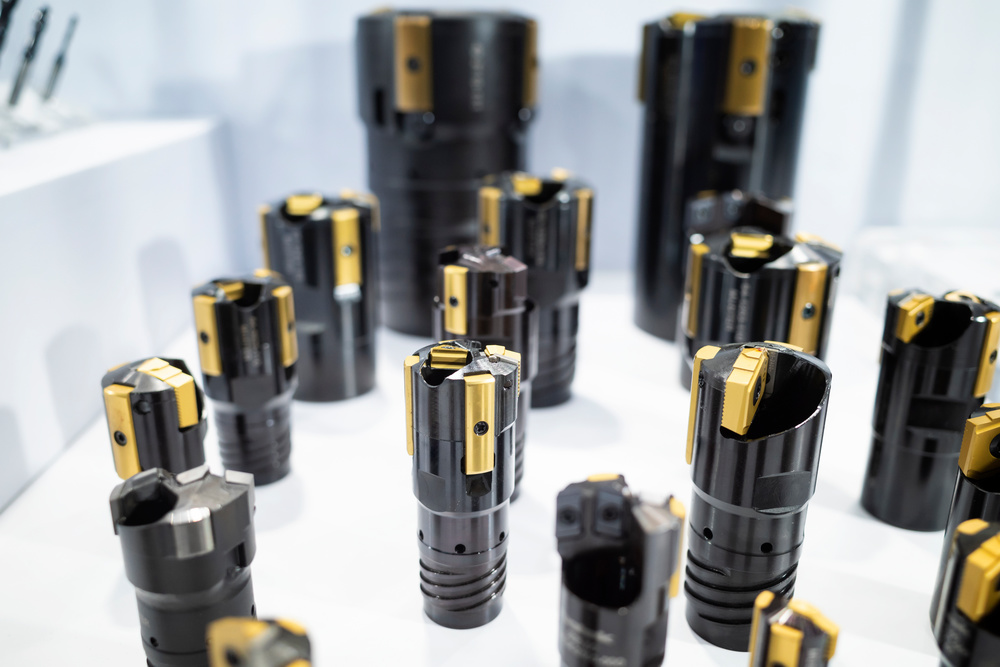
Tool material, geometry, coating and replacement criteria are set for the titanium grade and the roughing / finishing operation.
Rigid workholding
Fixturing is designed to limit vibration and part deflection, especially for thin walls and slender features.
Staged removal
Roughing, semi-finishing and finishing are separated where walls or critical dimensions need material-relief control.
Datum strategy
Primary, secondary and tertiary datums are established so critical features reference a stable, repeatable setup.
In-process inspection
Critical features can be checked during machining before the part is released, reducing surprises at final inspection.
Machine Selection
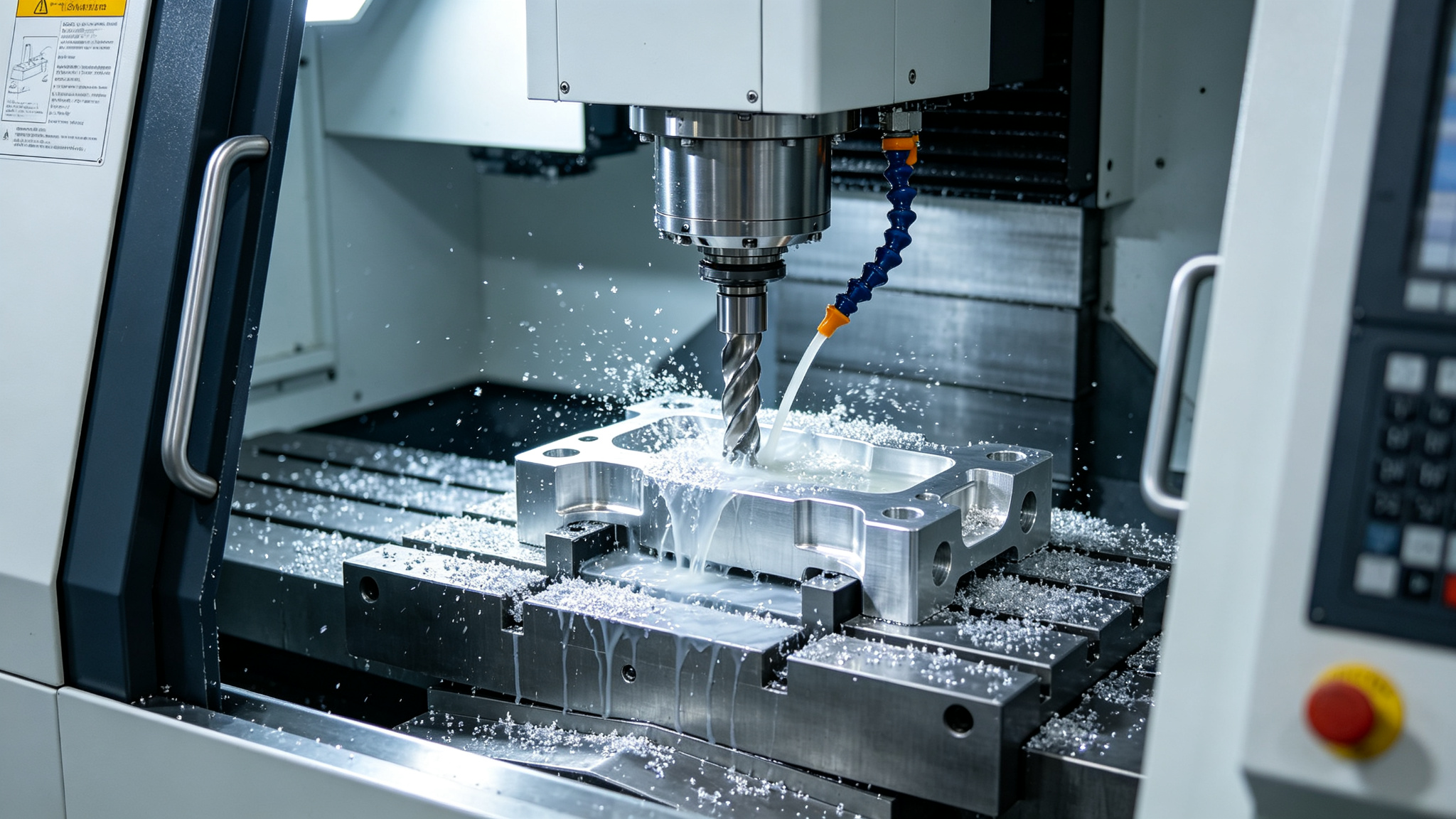
3-axis vs 5-axis titanium machining
5-axis is not automatically "better" — it is the right tool when a titanium geometry rewards fewer setups and better tool access.
| Requirement | 3-axis | 5-axis |
|---|---|---|
| Simple prismatic geometry | Suitable | Usually unnecessary |
| Multiple faces | More setups | Fewer setups |
| Angled holes and pockets | Added fixturing | Better tool access |
| Complex curves and contoured surfaces | Limited | Stronger fit |
| Datum relationships across faces | Setup-dependent | Fewer re-fixturing steps |
| Thin / complex titanium geometry | Can be difficult | Often advantageous |
Accuracy note: 5-axis reduces setups and improves access, but final tolerance still depends on machine condition, fixturing, datum strategy, tool wear, thermal control and inspection — not on the number of axes alone.
Design for Machining
Titanium part design considerations
Thin walls
Evaluate wall thickness against part size, unsupported length, alloy and fixturing rather than applying a universal minimum.
Deep cavities
Tool reach, rigidity and chip evacuation are considered together with pocket depth and tool diameter.
Small holes
Diameter, depth-to-diameter ratio, material and hole tolerance drive drilling strategy and tooling.
Internal radii
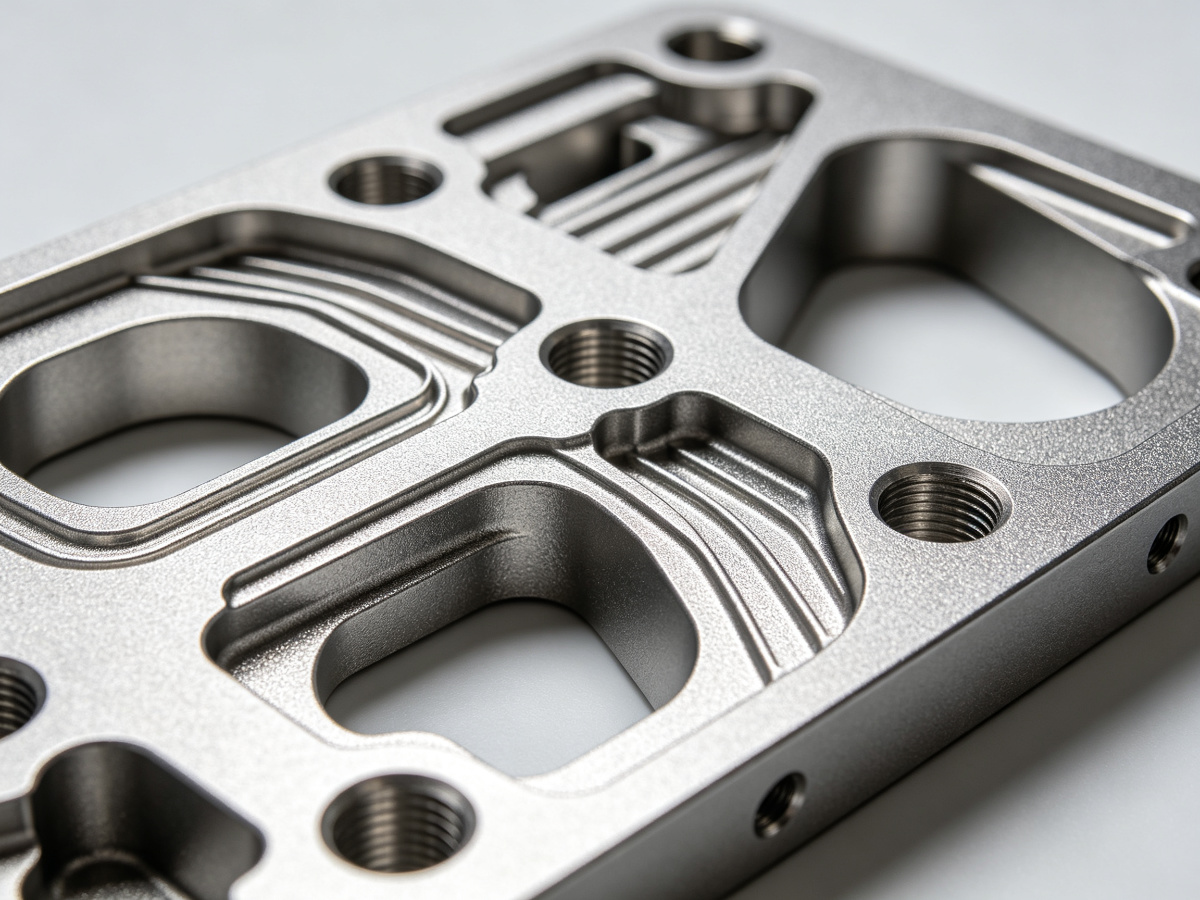
Small internal corners need small tools, which raise deflection, cycle time and tool wear — add realistic radii where the design allows.
Threads
Specify thread standard, depth and tolerance clearly; blind threads and minor threads need deliberate tooling.
Datums
Define primary, secondary and tertiary datums so critical dimensions and inspection reference the same stable setup.
Tolerance & GD&T
Tolerances and critical-feature control
Tight tolerances belong on functional features — not on every dimension. A professional titanium drawing combines a general tolerance with specific tolerances on critical CTQ features and GD&T where interfaces matter.
Where the drawing calls for it, we work to position, flatness, parallelism, perpendicularity, profile, and concentricity or runout requirements, and confirm what is achievable during DFM review before we quote.
- General machining: to drawing and applicable tolerance standard
- Critical features: tighter tolerance evaluated per geometry and inspection method
- Published capability: on selected, suitable features
- CTQ discipline: tight tolerance assigned where it functionally matters
Surface Finishing
Titanium surface finishing
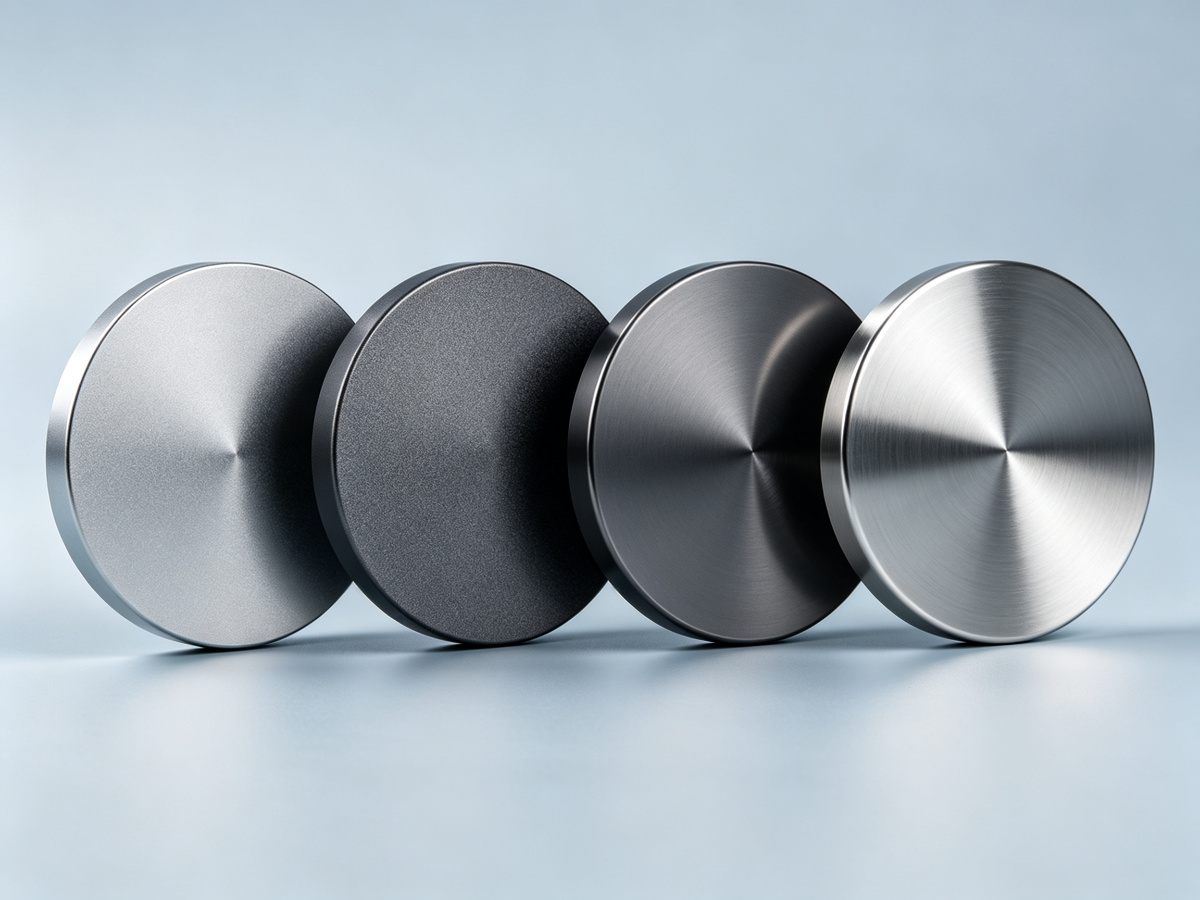
Direct from CNC, where surface appearance is not cosmetic.
Uniform matte appearance and consistent surface.
Where a specified cosmetic or low-roughness finish is required.
Selected for appearance and surface properties as specified on the drawing.
The finish is chosen for appearance, corrosion, wear and dimensional requirements. Titanium anodizing is treated as a surface process, not as an automatic improvement to mechanical properties.
Quality & Traceability
Inspection and material traceability
Material verification
Grade, condition and standard checked against the purchase specification.
Dimensional inspection
Critical dimensions, hole sizes, thickness and interfaces verified.
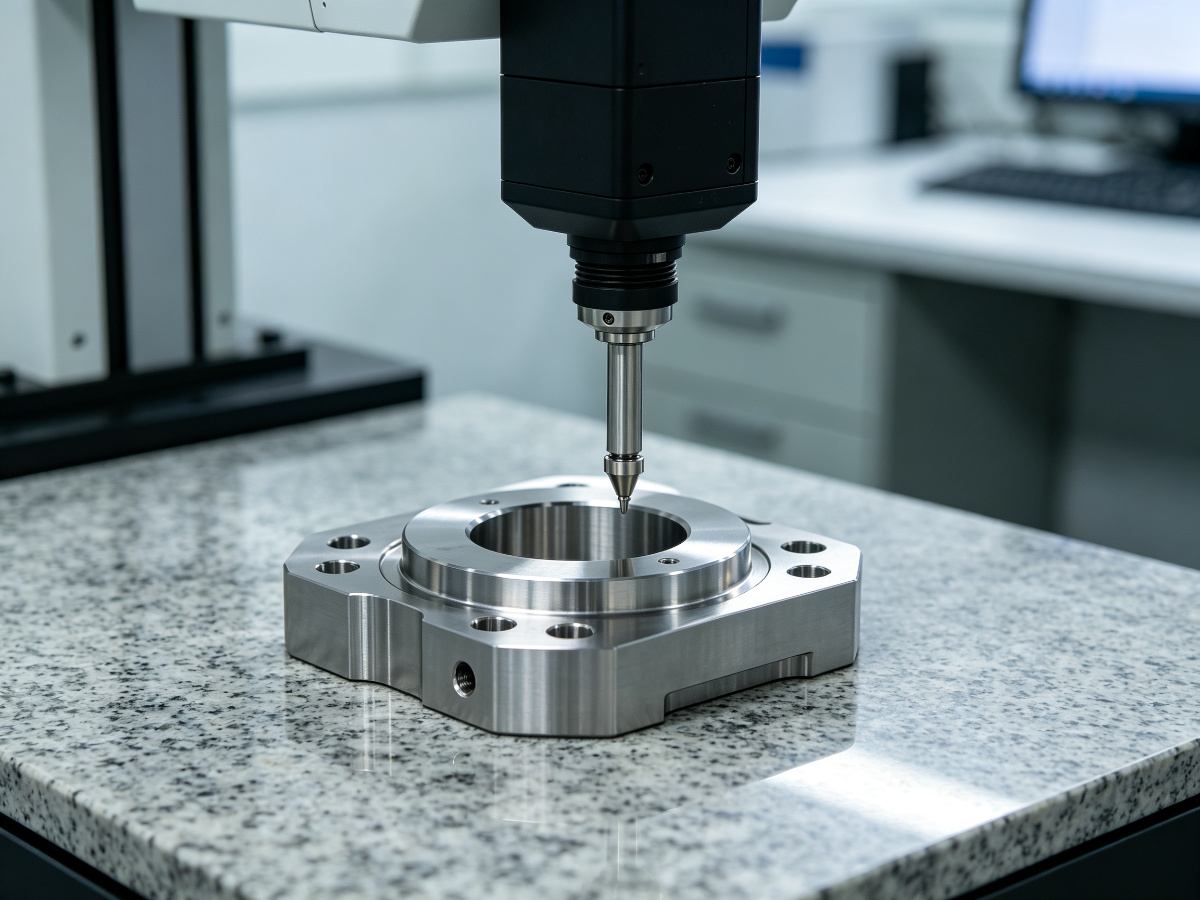
GD&T / CMM
CMM measurement used where required for critical geometry and profile.
Surface and visual
Burrs, tool marks, scratches and finish defects checked against the drawing.
Documentation
MTR / MTC, dimensional report, CMM report, FAI where required, CoC where required.
FAI / FAIR
First-article documentation prepared where required by the customer's program and documented requirements.
Process Selection
CNC machining vs metal 3D printing for titanium
| Factor | CNC machining | Metal 3D printing |
|---|---|---|
| Stock | Billet / bar / plate | Powder |
| Surface finish | Often better as-machined | Usually needs finishing |
| Dimensional control | Strong for machined interfaces | Geometry- and process-dependent |
| Internal channels | Limited | Strong |
| Material removal | Subtractive | Additive |
| Best for | Precision interfaces, low-volume machined parts | Complex internal geometry, topology |
Material Choice
Titanium vs aluminum, vs stainless steel
Titanium vs aluminum
Titanium is heavier and more costly, but delivers much better strength-to-weight, corrosion resistance and high-performance behavior. Choose titanium when its performance justifies the higher material and machining cost — aluminum when weight, ease of machining and cost drive the design.
Titanium vs stainless steel
Titanium is significantly lighter with a strong strength-to-weight advantage and excellent corrosion resistance. Stainless steel is generally lower in cost and easier to machine. Choose titanium for weight-sensitive and high-performance requirements; stainless for cost, stiffness and general durability.
Typical Parts
Where titanium CNC parts are used
Medical and implant-specific work is handled on our dedicated Medical Titanium page.
From Prototype to Production
Titanium CNC at every stage
Prototype
Design validation, first-article geometry and fit checks from your CAD.
Pilot
Functional testing and trial production to approve the process and documentation.
Production
Stable drawing and approved process, with consistent datums and inspection.
Cost
What makes titanium CNC machining cost what it does
Cost drivers
- Material — titanium stock costs more than aluminum and many steels.
- Machining time — more conservative strategy and tighter process control.
- Tool wear — tooling consumption and tool management add cost.
- Complexity — 5-axis, thin walls and deep pockets raise cycle time.
- Tolerance — critical tight-tolerance features need more setup and inspection.
- Finish & documents — post-processing, CMM and certification add QC workload.
How to reduce cost
- Use the lowest-cost grade that still meets the approved requirement.
- Keep tight tolerances on functional CTQ features only.
- Add realistic internal radii and avoid over-deep pockets.
- Consolidate setups and use 5-axis where it genuinely helps.
- Specify threads, surfaces and inspection clearly to avoid rework.
- Group repeat quantities to amortize setup and tooling.
Request for Quote
What we need to quote your titanium part
Have a titanium CNC project?
Send your CAD model, drawing or sample information. We review grade, machining route, critical tolerances, finishing and inspection before quotation.
No complete drawing yet? Send what you have and we will tell you what is missing before we quote.
Frequently Asked
Titanium CNC machining FAQ
What titanium grades can you CNC machine?
Commonly supported grades include Grade 2 and Grade 5 (Ti-6Al-4V). Other grades, including Grade 9 and customer-specified alloys, are reviewed against the drawing and material specification before quoting.
What is the difference between Grade 2 and Grade 5 titanium?
Grade 2 is commercially pure titanium for corrosion resistance and ductility. Grade 5 (Ti-6Al-4V) is an alpha-beta alloy chosen for high strength-to-weight. Grade 2 forms and welds more easily; Grade 5 is used where strength matters.
Why is titanium harder to CNC machine than aluminum?
Titanium has low thermal conductivity, high retained strength, a work-hardening tendency, and interacts more severely with cutting tools. Heat stays near the cutting edge, so tool geometry, coolant, workholding and parameters need tighter control.
Can you machine Ti-6Al-4V Grade 5?
Yes. Grade 5 is our most commonly specified titanium alloy, machined from customer drawings or CAD files with grade, condition and documentation selected to the applicable standard.
Is 5-axis CNC better for titanium?
It helps for parts with multiple faces, angled features or complex contours by reducing re-fixturing and improving tool access. It does not automatically guarantee tighter tolerances; fixturing, datums, tool wear, thermal control and inspection remain critical.
What tolerances can you hold on titanium parts?
Tight tolerances are assigned to functional features based on geometry, material condition, fixturing and inspection method. We confirm achievable tolerances feature-by-feature during DFM review rather than claiming a single number for every dimension.
Can you machine thin-wall titanium components?
Yes, with caution. Thin-wall titanium deflects under cutting forces because of its relatively low modulus. Wall thickness is evaluated against part size, unsupported length, alloy and fixturing, and the machining sequence is staged to control deflection.
What surface finishes are available?
Common options include as-machined, bead blasting, polishing and anodizing, with other treatments applied as specified on the drawing. Finish is selected for appearance, corrosion, wear and dimensional requirements.
Can you provide material certificates and CMM reports?
Yes. Material documentation with grade, condition and heat / lot traceability can be provided, and CMM measurement can be used for critical dimensional and GD&T verification where required by the drawing.
Is titanium CNC more expensive than aluminum?
Generally yes. Titanium stock costs more and usually needs more conservative strategies, tighter tool control and longer cycle times. The added cost is justified when titanium's strength-to-weight, corrosion resistance or performance requirements apply.
Can you produce one prototype?
Yes. One-piece prototype orders are supported for review, fit validation and first-article geometry, subject to the project and quotation.
What files are required for a titanium CNC quote?
A 3D CAD file (STEP, STP, IGES or X_T) plus a dimensioned 2D drawing showing tolerances, GD&T, material specification, surface finish and thread requirements, along with quantity, finish and inspection requirements.
Have a titanium part to machine?
Send your CAD, drawing or sample. Our engineers review grade, machining route, critical tolerances, finishing and inspection before we quote — for Grade 2, Grade 5 Ti-6Al-4V and specified alloys.