OEM MANUFACTURING GUIDE
Complete Guide to Drill Press Stands
Heavy-Duty Industrial Stand Design, Materials, Manufacturing and OEM Customization
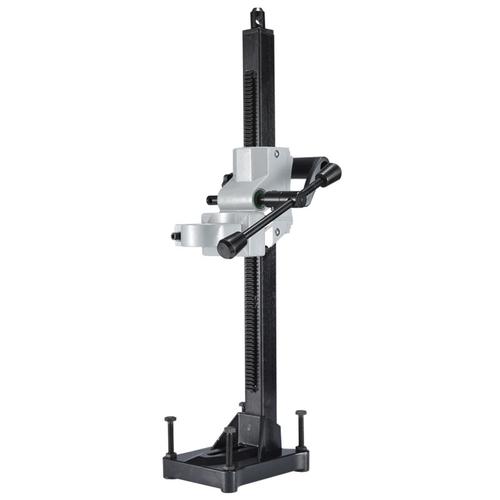 Industrial drill press stand — welded steel construction with powder coat finish
Contents
What Is a Drill Press Stand?
A drill press stand is a purpose-built support structure designed to securely hold a drill press or benchtop drilling machine at an optimal working height. Unlike improvised workbench setups, a dedicated stand provides the rigidity, stability, and vibration dampening required for precision drilling operations in industrial environments.
The stand serves as the foundation between the machine and the floor, absorbing rotational forces during drilling and ensuring that the workpiece remains accurately aligned with the spindle axis. A well-manufactured stand directly influences hole accuracy, surface finish quality, and operator safety.
In B2B procurement contexts, drill press stands are typically sourced alongside machine tools, fabrication equipment, or as replacement/upgraded bases for existing machinery in workshops and production lines.
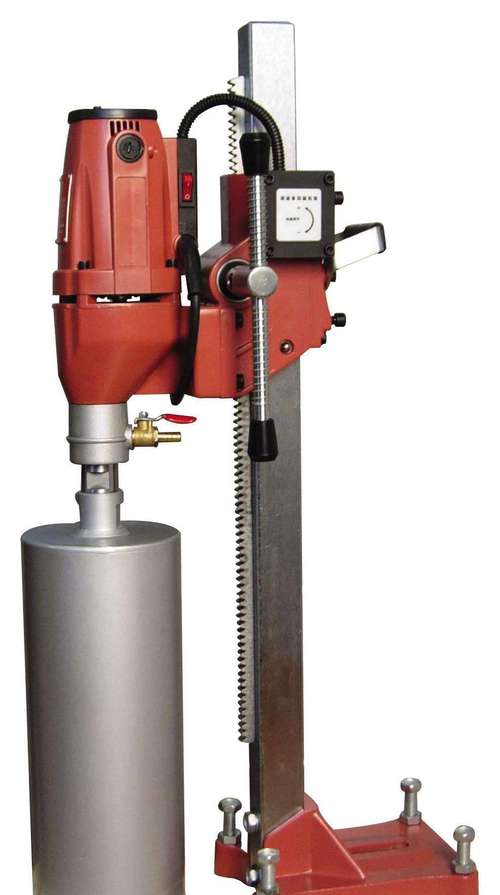 Floor-standing drill press stand with cast iron base
Why Use a Drill Press Stand?
Improve Drilling Accuracy
Rigid construction minimizes deflection, keeping the spindle perpendicular to the work table.
Reduce Vibration
Mass and damping materials absorb motor vibration, protecting both the machine and the workpiece.
Increase Rigidity
Welded steel or cast iron frames resist lateral forces during heavy-duty drilling operations.
Improve Safety
Stable base prevents tipping and reduces the risk of workpiece ejection during high-torque drilling.
Support Heavier Workpieces
Reinforced table and column accommodate large metal stock and heavy assemblies.
Allow Height Adjustment
Adjustable models let operators set ergonomic working heights, reducing fatigue.
Stand vs. Base: What’s the Difference?
| Feature | Drill Press Stand | Drill Press Base |
|---|---|---|
| Definition | Full support structure including column, table, and feet | The bottom platform only — the contact surface with the floor |
| Function | Provides height, stability, and mounting for the entire machine | Distributes weight and prevents tipping |
| Typical Material | Welded steel tube, cast iron, aluminum | Cast iron, steel plate |
| Customization | Height, table size, mounting pattern, feet type all customizable | Width, thickness, hole pattern adjustable |
Types of Drill Press Stands
Selecting the right stand type depends on machine weight, workspace constraints, and operational requirements. Below are the most common configurations procured by industrial buyers.
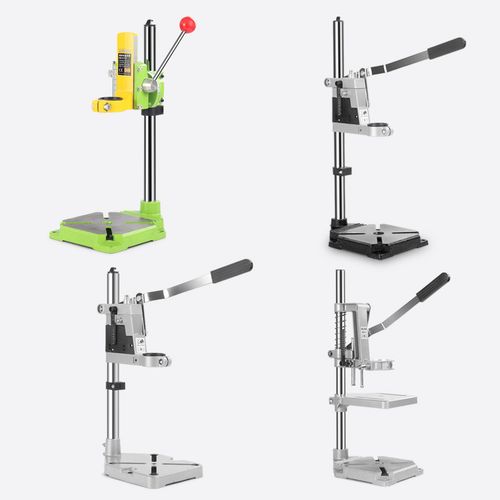
Fixed Drill Press Stand
A non-adjustable stand with a set column height and fixed table position. Typically fabricated from welded steel or cast iron for maximum rigidity.
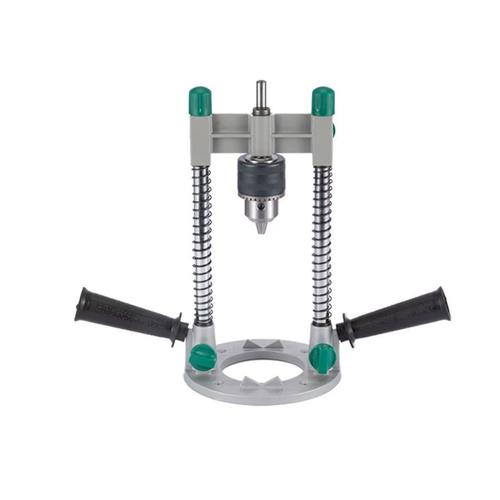
Adjustable Drill Press Stand
Features a telescoping column or adjustable table bracket, allowing operators to change the working height. Commonly uses a rack-and-pinion or locking collar mechanism.
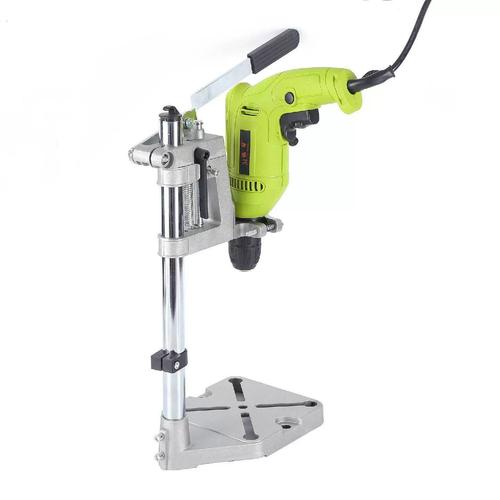
Portable Drill Press Stand
Lightweight construction using aluminum or thin-gauge steel. Often includes locking casters for mobility between workstations.
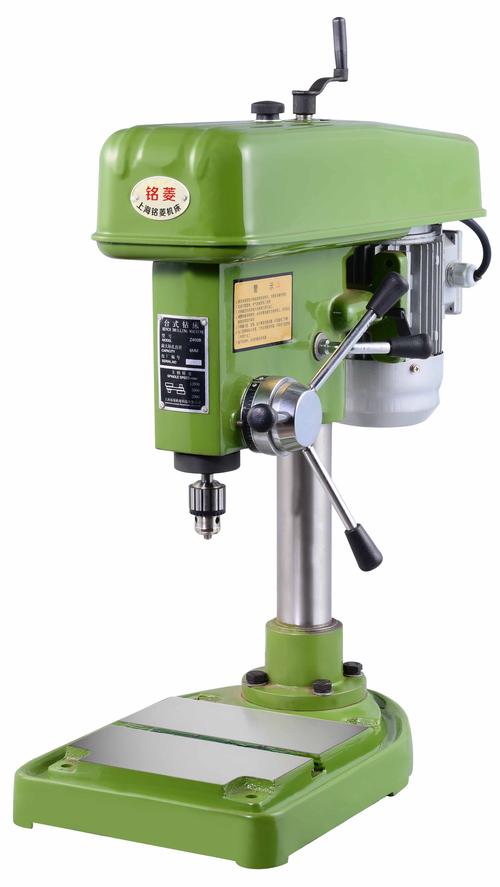
Bench-Mounted Stand
A compact pedestal designed to bolt onto an existing workbench. Typically shorter than floor stands and made from cast iron or thick steel plate.
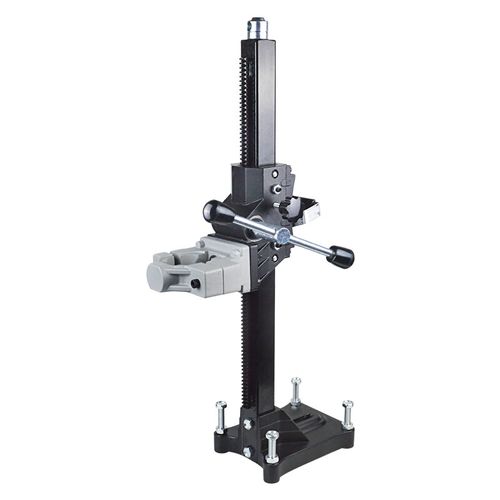
Floor Standing Stand
Full-height freestanding stand with a wide base footprint. The most common type for industrial drill presses, typically 800–1100mm tall with rubber feet or leveling pads.
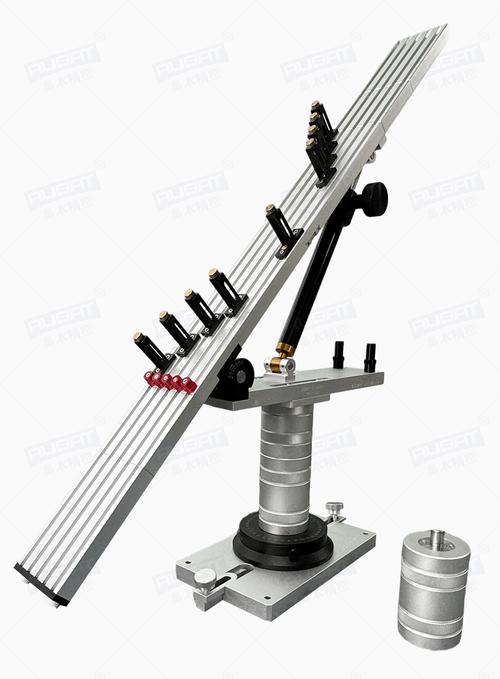
Heavy Duty Stand
Reinforced construction using thick-walled steel tubing (3–5mm) or solid cast iron. Engineered for large radial drill presses and CNC drilling machines weighing 200kg+.
Material Comparison
Material selection directly affects rigidity, corrosion resistance, weight, and cost. The table below compares the four most common materials used in drill press stand manufacturing.
| Material | Tensile Strength | Cost | Corrosion Resistance | Weight | Best Use |
|---|---|---|---|---|---|
| Carbon Steel (Q235/SS400) | 375–500 MPa | Low | Low (requires coating) | Heavy | Indoor industrial workshops |
| Stainless Steel (304/316) | 520–750 MPa | High | Excellent | Heavy | Food, pharmaceutical, marine environments |
| Cast Iron (HT200/HT250) | 200–300 MPa | Medium | Low | Very Heavy | High-rigidity applications, vibration dampening |
| Aluminum (6061-T6) | 290–310 MPa | Medium-High | Good | Light | Portable stands, benchtop applications |
How to Choose the Right Material
INDOOR WORKSHOP
Choose Carbon Steel — cost-effective, strong, with powder coat or paint finish for corrosion protection.
FOOD / PHARMA FACTORY
Choose Stainless Steel 304/316 — hygienic, rust-proof, easy to clean, compliant with sanitary standards.
PORTABLE / LIGHTWEIGHT
Choose Aluminum 6061-T6 — 1/3 the weight of steel, good strength-to-weight ratio, natural corrosion resistance.
MAXIMUM RIGIDITY
Choose Cast Iron HT250 — superior vibration absorption, dimensional stability under load.
Structural Design Considerations
A well-engineered drill press stand must account for multiple structural factors. Each parameter below affects performance, safety, and longevity.
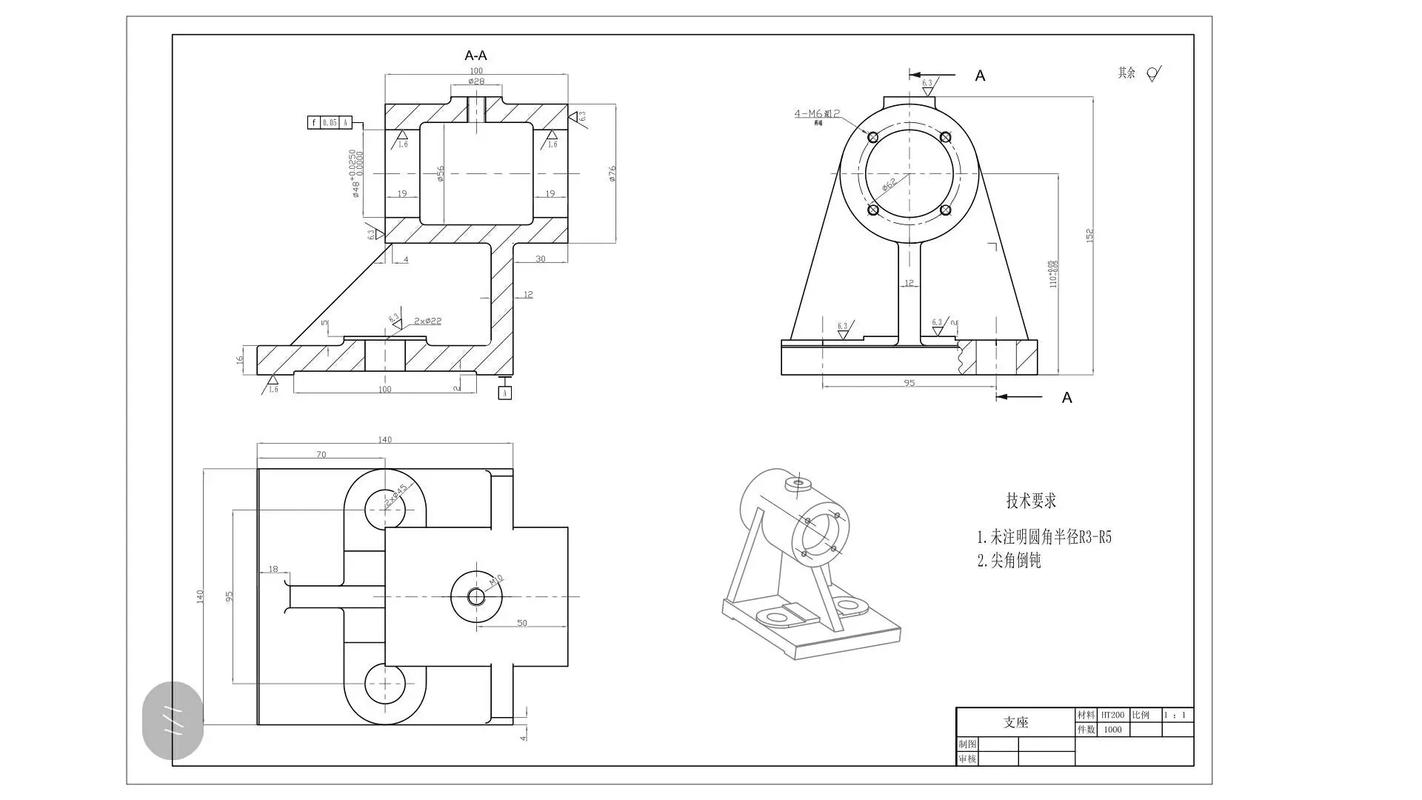 Key structural parameters of an industrial drill press stand
Load Capacity
Stand must support 1.5× the machine weight plus maximum workpiece weight. Typical range: 80–500kg for industrial models.
Rigidity
Determined by wall thickness (2–5mm steel), cross-bracing, and weld quality. Lateral deflection should not exceed 0.1mm under load.
Center of Gravity
Must fall within the base footprint. Wider bases and lower machine mounts improve stability.
Base Width
Minimum 400×300mm for benchtop models; 500×500mm or wider for floor-standing industrial units.
Height Adjustment
Adjustable range typically 50–200mm via telescoping tube or threaded leveling feet.
Anti-Slip Feet
Rubber or polyurethane pads (Shore A 60–80) prevent walking and protect floor surfaces.
Typical Dimensions Reference
| Parameter | Benchtop | Floor Standing | Heavy Duty |
|---|---|---|---|
| Base Size | 300×250mm | 500×450mm | 600×550mm |
| Column Diameter | 50mm | 75mm | 100mm |
| Steel Thickness | 2.0mm | 3.0mm | 4.0–5.0mm |
| Weight Capacity | 80kg | 200kg | 500kg+ |
| Height Range | 400–500mm | 800–1100mm | 900–1200mm |
| Powder Coat Thickness | 60–80μm | 80–120μm | 120–150μm |
Manufacturing Process
Goldcattle follows a 10-step manufacturing workflow to ensure dimensional accuracy, structural integrity, and consistent surface finish across every drill press stand.
01
Design Review
02
CAD Drawing
03
Laser Cutting
04
Tube Cutting
05
CNC Machining
06
Welding
07
Grinding
08
Surface Finish
09
Inspection
10
Packing
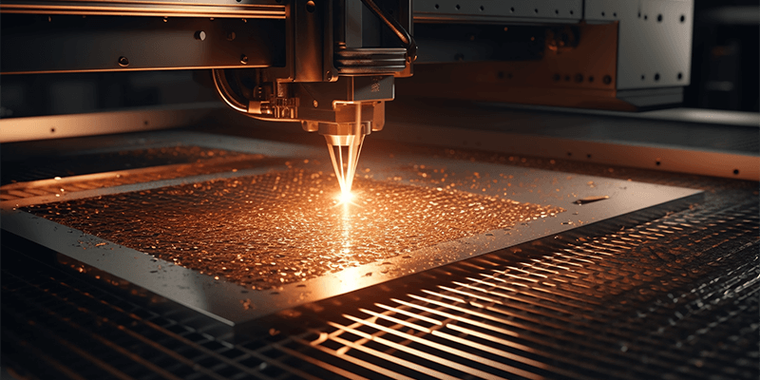 Step 03 — Laser Cutting
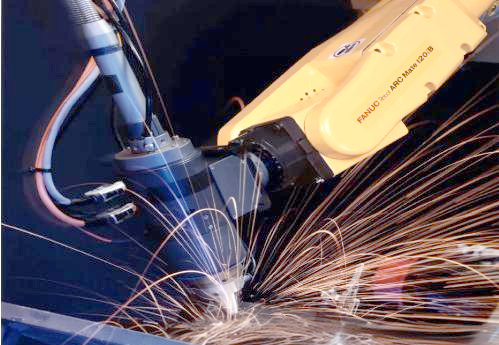 Step 06 — Welding
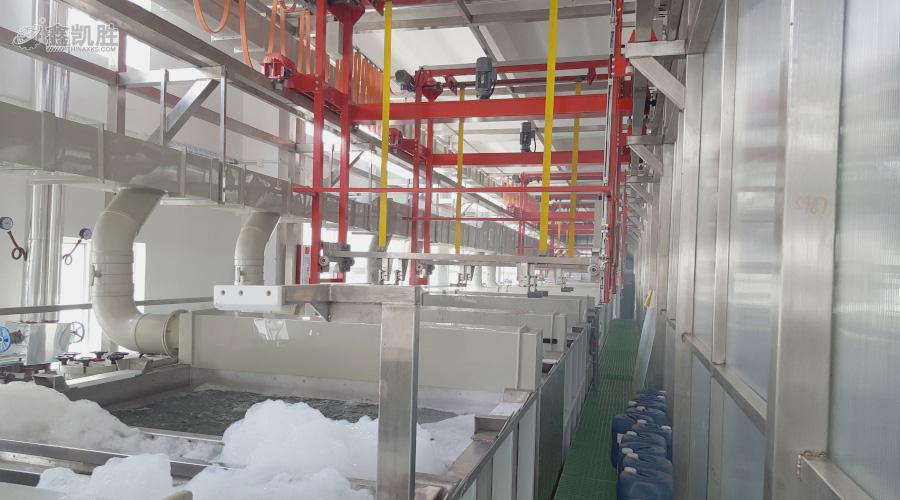 Step 08 — Powder Coating
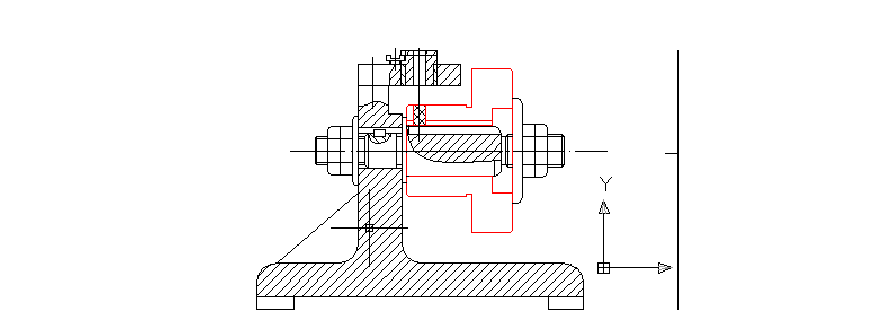 Step 09 — Inspection
Key Manufacturing Parameters
±0.1mm
Laser Cut Tolerance
180°C
Powder Coat Cure Temp
500h
Salt Spray Resistance
≤0.05mm
Column Perpendicularity
Custom Drill Press Stand Manufacturing
Goldcattle provides full OEM/ODM manufacturing for drill press stands. From prototype to mass production, every order follows a structured workflow tailored to buyer specifications.
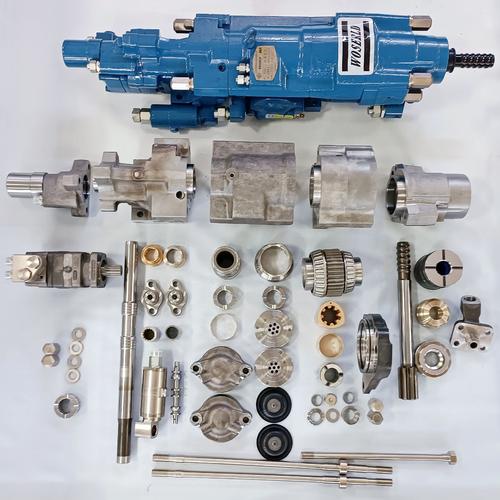 Goldcattle production floor — custom stand assembly area
What We Support
OEM Manufacturing
ODM Design
Drawing-Based Production
Prototype / Sample
Small Batch (10–50 pcs)
Mass Production (500+)
Custom Surface Finish
Custom Packaging & Logo
Customization Workflow
Requirement Review
Buyer provides drawings, samples, or specifications. Our engineers review feasibility, material, and tolerance requirements.
Quotation & DFM Feedback
We provide a detailed quote within 48 hours, including DFM (Design for Manufacturing) suggestions to optimize cost and performance.
Prototype Sample
First article sample produced in 7–15 days. Buyer approves dimensions, finish, and function before mass production.
Mass Production
Production lead time: 15–30 days depending on quantity. In-process quality checks at each manufacturing stage.
Final Inspection & Shipping
100% dimensional inspection, packaging (carton or wooden crate), and export shipping with full documentation.
Typical Applications
Drill press stands are used across a wide range of industries where precision hole-making is required. Each application has distinct requirements for load capacity, material, and environmental resistance.
Design Tips & Buyer Checklist
When specifying a custom drill press stand, consider the following engineering factors. This checklist helps buyers communicate requirements clearly and avoid costly design revisions.
1. Machine Weight & Dimensions
Provide the exact weight and base footprint of your drill press. The stand must support 1.5× the machine weight minimum.
2. Working Height
Standard ergonomic working height is 900–1050mm from floor to table surface. Specify if operators need adjustment range.
3. Mounting Hole Pattern
Provide the bolt circle diameter or hole spacing from the machine base. Tolerance ±0.5mm for bolt-on fit.
4. Vibration Considerations
For high-RPM machines, specify cast iron or add rubber isolation pads between machine and stand to reduce harmonic vibration.
5. Environment & Corrosion
Indoor dry: carbon steel + powder coat. Humid/coastal: stainless or galvanized. Food/pharma: stainless 304 with electropolish.
6. Load Distribution
If the stand will hold additional accessories (vises, lights, chip trays), add their weight to the total load calculation.
7. Operator Safety
Ensure no sharp edges on the stand. All corners should be rounded (R3 minimum). Consider adding a chip guard mount.
8. Maintenance Access
Design should allow access to the machine’s motor, belt housing, and speed controls without removing the stand.
Frequently Asked Questions
Answers to the most common questions from B2B buyers sourcing custom drill press stands.
Q1: How much weight can a drill press stand hold?
Load capacity depends on material and construction. Standard carbon steel floor stands support 200–300kg. Heavy-duty models with 4–5mm wall thickness can support 500kg or more. Always specify your machine weight when requesting a quote.
Q2: Which steel is best for a drill press stand?
For most indoor industrial applications, Q235 or SS400 carbon steel with 3mm wall thickness offers the best strength-to-cost ratio. For corrosive environments, stainless 304 is recommended. Cast iron (HT250) is ideal when maximum vibration dampening is needed.
Q3: Can aluminum be used for drill press stands?
Yes, aluminum 6061-T6 is suitable for portable or benchtop stands supporting machines under 80kg. It is not recommended for floor-standing heavy-duty applications due to lower stiffness compared to steel.
Q4: Should I choose welded or bolted construction?
Welded construction provides superior rigidity and is standard for industrial stands. Bolted construction is used only when disassembly for shipping is required. Welded joints are continuous and ground smooth for structural integrity.
Q5: Can you manufacture from our drawings?
Yes. We accept CAD drawings in STEP, IGES, DWG, DXF, and PDF formats. Our engineers review all drawings for manufacturability and provide DFM feedback before production.
Q6: What is your MOQ for custom stands?
Prototype quantity starts from 1 piece for sample approval. Production MOQ is typically 10 pieces. For large-scale orders (500+), we offer volume pricing.
Q7: What is the typical lead time?
Prototype: 7–15 days. Mass production: 15–30 days depending on quantity and complexity. Rush production is available upon request.
Q8: What surface treatments are available?
Standard: electrostatic powder coating (80–120μm, RAL colors). Options: zinc plating, chrome plating, anodizing (aluminum), electropolishing (stainless), and wet painting. Custom colors and logos available.
Q9: What tolerance can you achieve?
Laser cut parts: ±0.1mm. Machined surfaces: ±0.05mm. Welded assemblies: ±0.5mm overall. CMM inspection reports are provided with each order.
Q10: Can you ship stands fully assembled?
Yes, stands can ship fully assembled or knocked-down (flat-packed) to reduce shipping volume. For stands over 1m tall, flat-pack is recommended for container efficiency. Assembly instructions are included.
Why Choose Goldcattle
Xiamen Goldcattle Industrial Co., Ltd. is a metal fabrication manufacturer based in Xiamen, China, with over 20 years of experience serving B2B clients across North America, Europe, and Australia. Our capabilities cover the full manufacturing chain — from raw material to finished, packaged product.
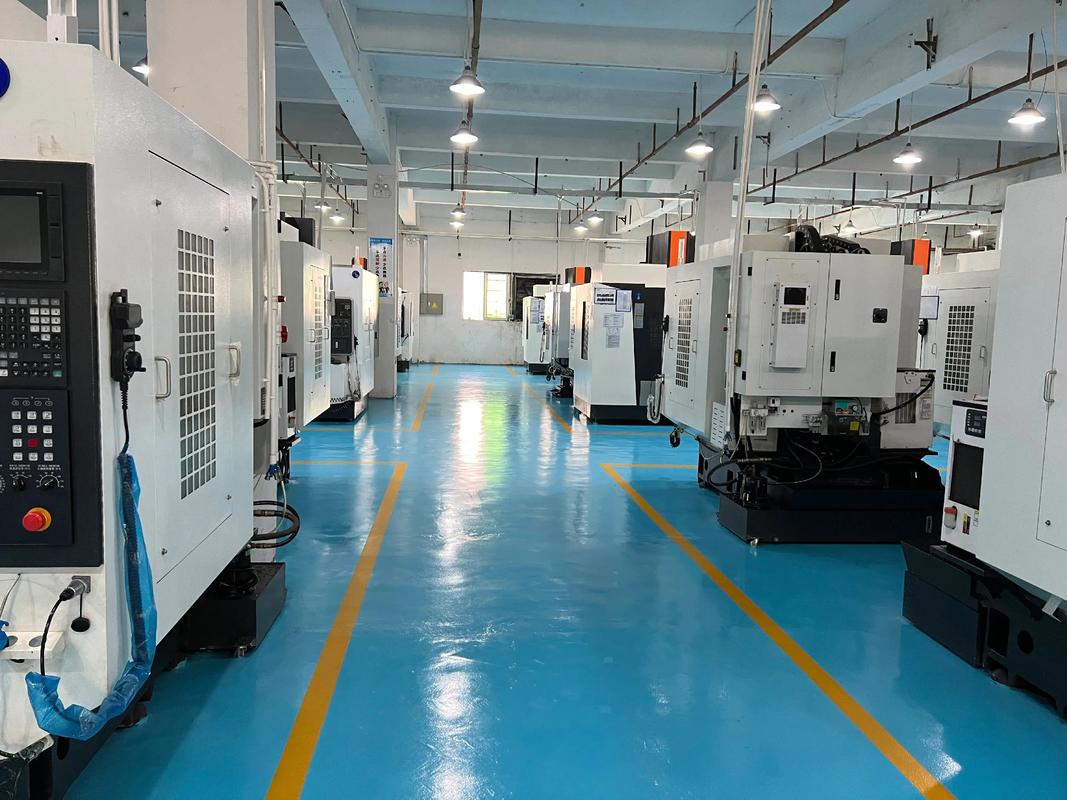 Goldcattle production facility — welding and assembly area
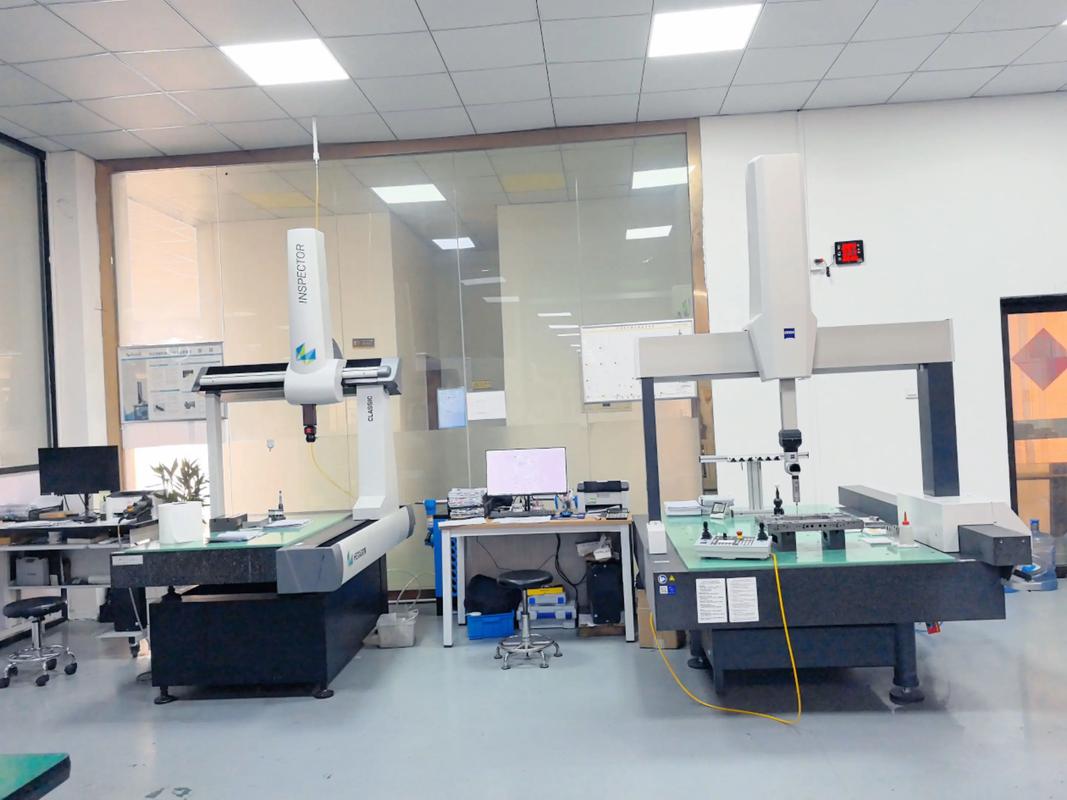 QC laboratory — CMM dimensional inspection
20+
Years Manufacturing Experience
30+
Countries Exported To
ISO 9001
Quality Management Certified
In-House Capabilities
Cutting
Fiber laser cutting (6kW), tube laser, band saw, shearing
Machining
CNC milling (3/4/5-axis), CNC turning, drilling, tapping
Welding
MIG, TIG, spot welding — certified welders (ISO 9606)
Surface Finish
Powder coating, plating, anodizing, electropolishing
Assembly
Mechanical assembly, hardware installation, functional testing
Inspection
CMM, hardness tester, salt spray chamber, dimensional report
OEM/ODM
Drawing-based production, DFM support, prototype to mass
Export
FOB Xiamen, DDP available, full export documentation
Request a Quote for Your Custom Drill Press Stand
Send us your drawings, samples, or specifications. Our engineering team will provide a detailed quotation within 48 hours, including DFM feedback and material recommendations.
Response Time
Within 48 hours
Prototype Available
From 1 piece
Accepted Formats
STEP, IGES, DWG, DXF, PDF