What is Tight Tolerance CNC Machining?
Tight tolerance in CNC machining refers to the ability to control dimensional variation within extremely narrow limits while maintaining consistency across multiple parts.
It’s not just about “high precision” alone. It combines deviation control and repeatability to ensure every single part coming off our line fits perfectly into your critical assembly, no matter the production volume.
Our Tolerance Capability Levels
We help you quickly identify which tolerance level matches your project needs, so you never overpay for unnecessary precision.
| Level | Tolerance Range | Best For |
|---|---|---|
| Standard | ±0.1mm | General industrial parts, non-critical components |
| Precision | ±0.01mm | Automation parts, standard fit assemblies |
| Tight Tolerance | ±0.005mm | Aerospace, medical, semiconductor critical parts |
How We Achieve Extreme Precision
Tight tolerance isn’t accidental. It’s the result of controlled investment in every part of the machining process.
Machine Capability
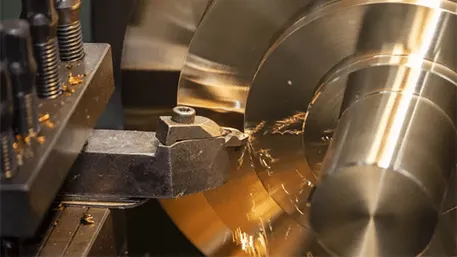
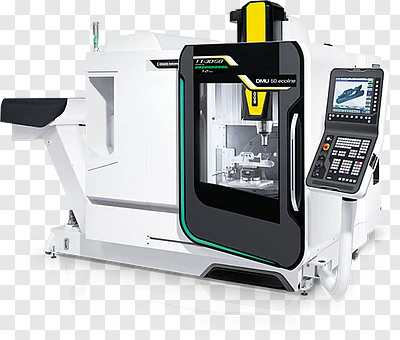
We use high-rigidity 5-axis CNC machines with built-in thermal stability compensation. This eliminates thermal expansion errors that would otherwise ruin tight tolerance results, even during long production runs.
Tooling Expertise
We only use premium, ultra-precision cutting tools with strict wear monitoring. We replace tools before they show any sign of wear, ensuring consistent cutting performance for every part.
Multi-Stage Process Control
We break down tight tolerance jobs into multiple machining stages: roughing, semi-finishing, and final finishing passes. This allows us to release material stress and achieve the final dimension with perfect stability.
Temperature Controlled Environment
Our tight tolerance workshop maintains a constant 20°C (68°F) temperature. This eliminates environmental temperature changes that can cause material expansion or contraction during machining.
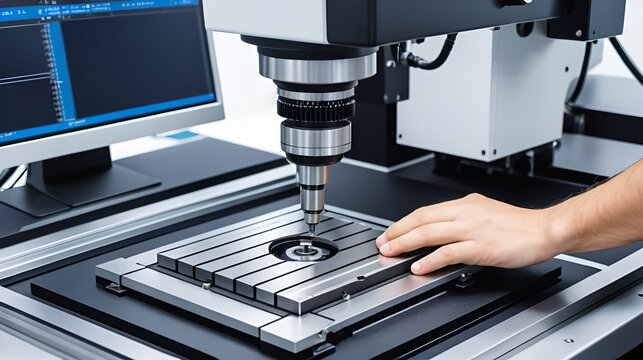
Quality Inspection & Assurance
Precision means nothing if you can’t prove it. That’s why we invest in top-tier inspection equipment to verify every part.
- CMM Inspection: Our coordinate measuring machine verifies every critical dimension with micron-level accuracy.
- Full Inspection Reports: We provide complete first article inspection (FAIR) reports for every job, so you have full documentation for your compliance needs.
- Batch Consistency Checks: We run regular in-process checks to ensure every part in your batch stays within tolerance, no matter how large your order is.
How Material Affects Tight Tolerance
Different materials present different challenges for tight tolerance machining. We have the expertise to handle them all.
| Material | Tolerance Difficulty | Key Challenges |
|---|---|---|
| Aluminum | Easy | Good machinability, minimal stress deformation |
| Stainless Steel | Medium | Work hardening, requires controlled cutting speeds |
| Titanium | Hard | Low thermal conductivity, high tool wear, strict process control needed |
| PEEK / Engineering Plastics | Medium | Material flexibility, requires special fixturing to avoid deformation |
Cost & Tolerance: What You Need to Know
Many customers don’t realize that tighter tolerances don’t just increase cost linearly — they increase it exponentially.
Achieving ±0.005mm tolerance requires:
- Slower machining speeds to avoid tool wear and material deformation
- Multiple finishing passes to refine dimensions
- Additional inspection steps to verify every dimension
- Higher scrap rates if any step goes wrong
That’s why we always work with you to apply tight tolerances only where you actually need them — saving you money without sacrificing performance.
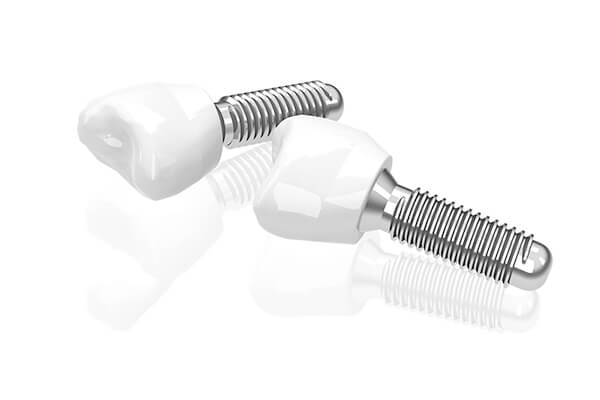
Industry Applications
Our tight tolerance CNC machining serves the most demanding industries where precision is non-negotiable.
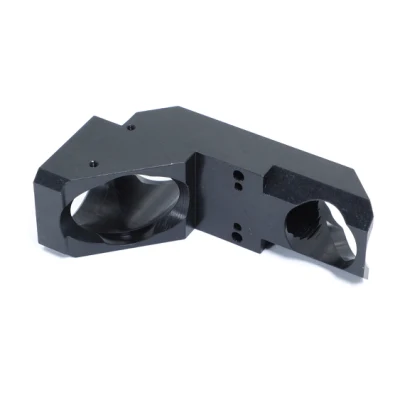
DFM: Design for Manufacturability Tips
As precision machining experts, we help you optimize your design to get the best results at the lowest cost.
- Avoid unnecessary tight tolerances: Only specify tight tolerances on the features that actually need them. General features can use standard tolerances to cut cost.
- Consider material properties: Harder materials like titanium are much harder to hold tight tolerances, so adjust your design expectations accordingly.
- Avoid extremely thin walls: Thin walls can deform during machining, making it impossible to hold tight tolerances. We recommend minimum 0.5mm walls for metal parts.
- Talk to our engineers early: Our team can review your design before you finalize it, suggesting adjustments that will save you time and money without hurting performance.
Success Case Study
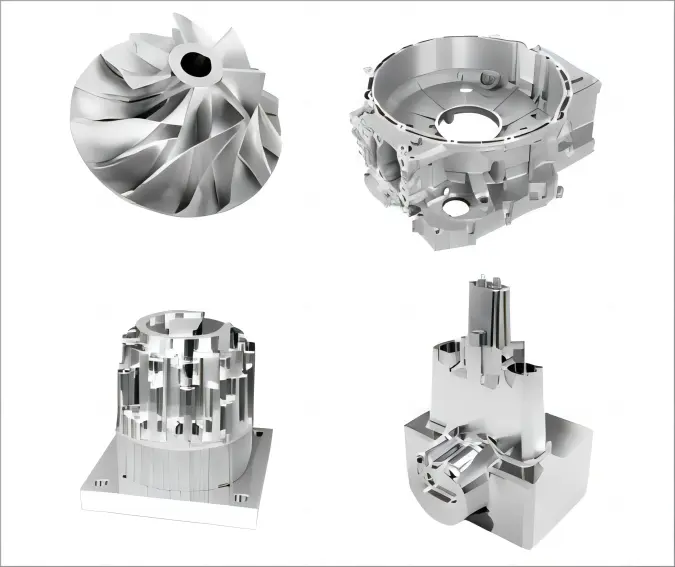
Aerospace Hydraulic Valve Component
A leading aerospace company came to us with a challenge: they needed a titanium hydraulic valve component with ±0.005mm tolerance on the sealing surface, for a batch of 1,000 parts.
- Material: Titanium Grade 5
- Tolerance Requirement: ±0.005mm on critical bore
- Volume: 1,000 parts
- Result: 100% of parts passed CMM inspection, delivered on time, with full AS9100 compliant documentation.
Frequently Asked Questions
What is tight tolerance in CNC machining?
Tight tolerance in CNC machining refers to the ability to control dimensional variation within extremely narrow limits (typically ±0.005mm) while maintaining consistency across all production parts. It’s critical for parts that need perfect fit and function in high-stakes applications.
How tight can CNC machining be?
With our specialized equipment and processes, we can achieve tolerances as tight as ±0.005mm for most materials. For certain materials and part geometries, we can even go tighter, though this requires specialized process planning.
Why does tight tolerance increase cost?
Tighter tolerances require slower machining speeds, multiple finishing passes, specialized tooling, additional inspection steps, and tighter environmental controls. All of these add time and cost to the process, and the cost increases exponentially as tolerances get tighter.
What industries require tight tolerance CNC machining?
Industries like aerospace, medical, dental, and semiconductor manufacturing are the most common users of tight tolerance machining. These industries have critical parts where even a tiny deviation can cause product failure or safety issues.
How do you measure tight tolerance parts?
We use high-precision coordinate measuring machines (CMM) to measure every critical dimension of tight tolerance parts. This allows us to verify that every part meets the required tolerance, and we provide full inspection reports for our customers.
Working on a High-Precision Project?
Our engineering team can evaluate your tolerance requirements and suggest the most efficient machining strategy to save you time and money.