How to Choose the Right CNC Turned Parts Supplier
A practical sourcing guide for engineers and procurement teams seeking precision, quality and reliable production.
Finding a CNC turned parts supplier is easy. Finding one that consistently delivers tight tolerances, stable quality and on-time production is far more difficult.
Whether you source precision shafts, threaded components or complex turned parts, supplier capability directly affects product quality, assembly performance and total project cost.
This guide explains how engineers and purchasing teams evaluate CNC turned parts suppliers and what technical factors matter most before placing an order.
What Are CNC Turned Parts?
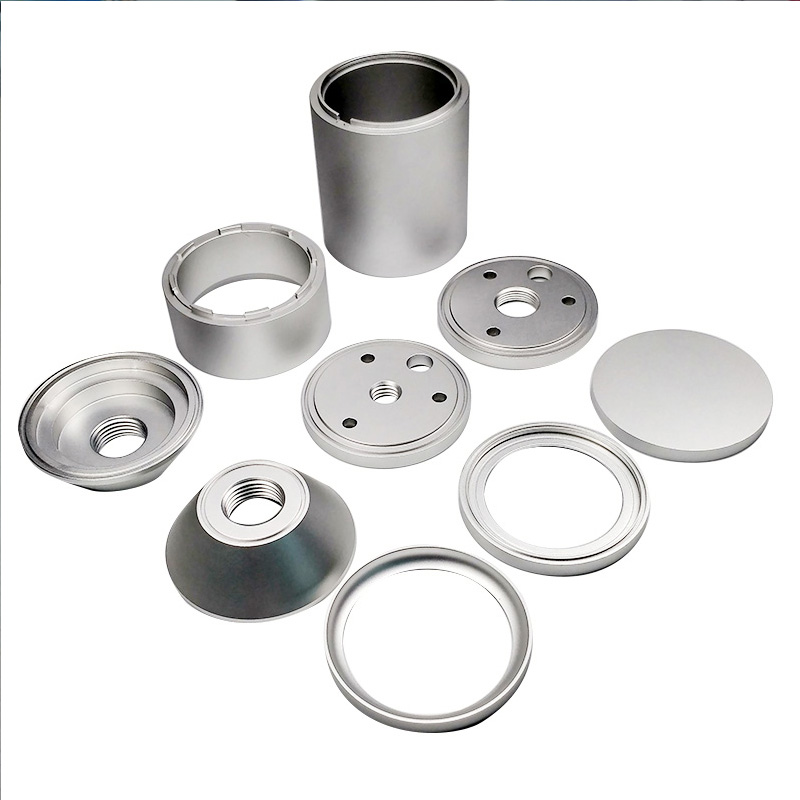
CNC turned parts are components manufactured through CNC turning, a machining process where the workpiece rotates while cutting tools remove material to create cylindrical or rotational geometries.
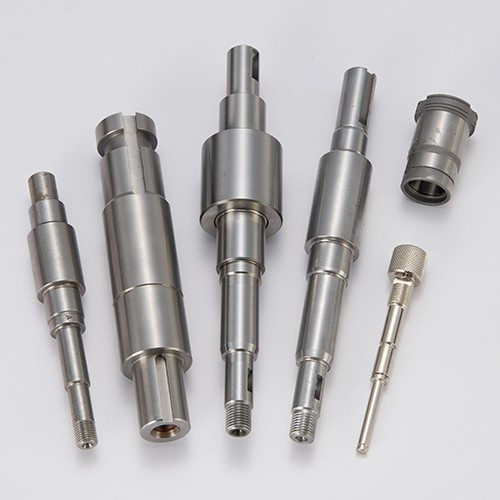
Typical CNC turned components include:
- Shafts
- Bushings
- Pins
- Connectors
- Valve bodies
- Threaded components
Compared with CNC milling, CNC turning is generally more efficient for round or axis-symmetric parts and often delivers better concentricity and lower production cost.
1. Machining Capability
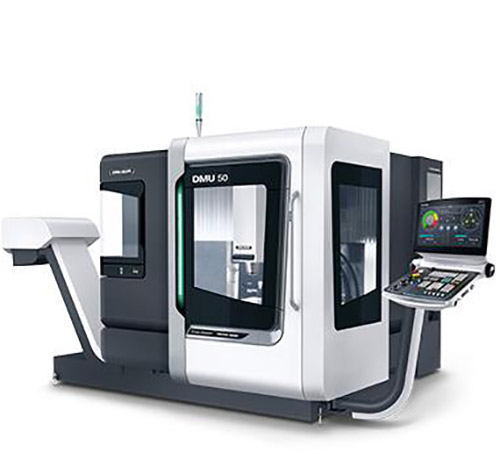
The first step in evaluating a supplier is confirming they have the right equipment and expertise to produce your specific parts. Not all CNC turning machines are created equal.
Reliable suppliers offer a range of machining options to handle different part requirements:
- Standard CNC lathes for general parts
- Swiss-type turning for slender and miniature components
- Turn-mill centers for complex parts requiring both turning and milling
- Multi-axis machines for advanced geometric features
Swiss-type CNC turning is particularly suitable for slender and miniature parts because guide bushings reduce tool deflection and improve dimensional stability, making it ideal for medical, aerospace and electronics components.
2. Tolerance Capability
Tolerance is one of the most critical factors for part functionality, but many buyers make the mistake of over-specifying tight tolerances across all features.
Not every feature requires ultra-tight tolerance. Over-specifying tolerance increases machining time, inspection cost and scrap risk. Experienced suppliers help customers apply tight tolerances only to critical functional dimensions, reducing your total cost without sacrificing performance.
| Tolerance Range | Typical Application |
|---|---|
| ±0.1mm | General industrial parts |
| ±0.01mm | Precision assembly components |
| ±0.005mm | Aerospace & medical devices |
3. Material Expertise
Understanding material machinability is critical to consistent part quality. Different materials require specialized cutting parameters and tooling to avoid defects or excessive tool wear, and only experienced suppliers can handle this properly.
| Material | Key Turning Characteristics |
|---|---|
| Aluminum | Fast machining speed, excellent for lightweight parts, easy to anodize |
| Stainless 304 | Good corrosion resistance, cost-effective for general industrial use |
| 17-4PH | High strength, ideal for aerospace and medical components |
| Brass | Excellent machinability, low friction, perfect for electrical connectors |
| Titanium | High strength-to-weight ratio, requires specialized tooling for heat management |
Technical note: Titanium turning generates high cutting heat and tool wear, requiring lower cutting speed and advanced cooling strategies — a capability only experienced suppliers can master.
4. Surface Finish & Secondary Operations
Many projects require more than just raw machined parts. A reliable supplier can offer in-house secondary operations to eliminate the hassle of working with multiple vendors, reducing lead time and quality risks.
Common secondary services for CNC turned parts include:
- Anodizing (for aluminum parts, enhancing corrosion resistance and color options)
- Plating (nickel, zinc, chrome for improved wear resistance)
- Passivation (for stainless steel, removing free iron to boost corrosion resistance)
- Polishing (for medical or cosmetic applications, achieving smooth surface finishes)
- Heat treatment (increasing material hardness and strength)
Working with a supplier that offers one-stop services ensures consistent quality across all processes and avoids delays from outsourcing multiple steps.
5. Inspection & Quality Control
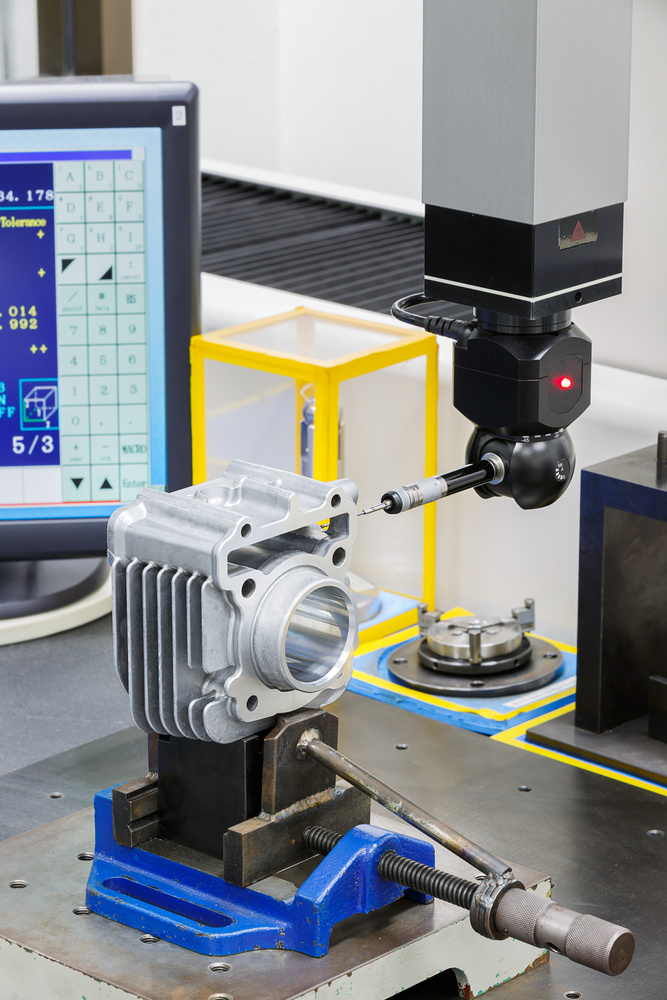
A reliable CNC turned parts supplier should not rely on final inspection alone. Quality control starts with process planning, tooling verification and in-process measurement to catch issues early, before they become costly defects.
Look for suppliers that offer comprehensive quality processes, including:
- First Article Inspection (FAI) to validate production setup
- In-process SPC (Statistical Process Control) to monitor production stability
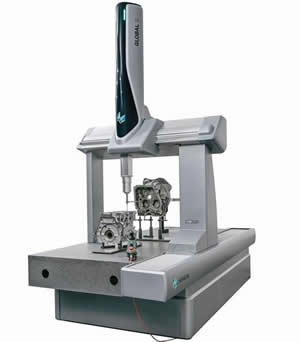
- CMM (Coordinate Measuring Machine) inspection for critical dimensions
- Material certification traceability
- PPAP documentation for automotive and aerospace requirements
These processes ensure that every part meets your specifications, not just the first one, and give you confidence in consistent quality across large production runs.
6. Delivery & Supply Stability
For many procurement teams, late delivery costs more than expensive machining. A delayed part can hold up your entire production line, leading to missed deadlines and lost revenue.
When evaluating a supplier, ask about their capacity and contingency plans. A reliable supplier will have:
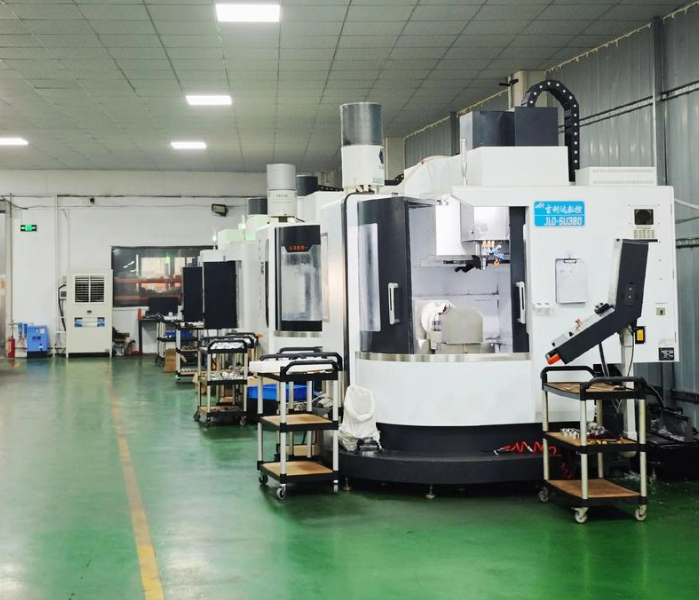
- Sufficient production capacity to handle your order volume
- Backup equipment to avoid downtime if a machine fails
- Proactive tooling management to prevent unexpected delays
- Transparent scheduling and communication to keep you updated on order status
Whether you need prototype parts in a few days or mass production over months, a stable supply chain ensures you get your parts when you need them.
CNC Turned Parts Supplier Evaluation Checklist
Use this quick checklist to vet potential suppliers before sending your RFQ:
- √Can they machine your required materials and part geometries?
- √What tolerance can they consistently hold for your critical features?
- √Do they perform in-process inspection and CMM verification?
- √Can they support both prototype development and mass production?
- √Are finishing and secondary services available in-house?
- √What is their average lead time, and do they offer expedited options?
- √Do they provide DFM (Design for Manufacturability) feedback to optimize your part?
About Goldcattle
At Goldcattle, we support both prototype and production CNC turning projects with multi-axis machining, material expertise and dedicated engineering support. Our team helps customers reduce sourcing risk, optimize part design for manufacturability, and ensure consistent quality and on-time delivery for every order.
With capabilities to hold tolerances as tight as ±0.005mm and experience working with industries including aerospace, medical, automotive and electronics, we are your reliable partner for precision CNC turned parts.
Frequently Asked Questions
What tolerance can CNC turning achieve?
CNC turning can achieve tolerances as tight as ±0.005mm for high-precision applications, though most general parts work well with looser tolerances to reduce cost. Experienced suppliers will work with you to apply the right tolerance for each functional feature to balance performance and cost.
Is Swiss turning better than standard CNC turning?
Swiss turning is not universally better, but it is superior for slender, miniature parts where tool deflection would be a problem with standard lathes. For larger, less complex parts, standard CNC turning is often more cost-effective. The right process depends on your specific part requirements.
What materials are best for CNC turned parts?
The best material depends on your application. Aluminum is popular for lightweight parts, stainless steel for corrosion resistance, brass for electrical components, and titanium for high-strength aerospace applications. A good supplier can help you select the right material based on your part’s functional requirements.
How do I evaluate a CNC turned parts supplier?
Focus on their machining capability, tolerance experience, material expertise, quality control processes, delivery reliability, and ability to provide engineering support. Use our checklist above to ensure you cover all the key factors that impact your project’s success.
What information should I include in an RFQ?
To get an accurate quote, include your 3D CAD model, 2D drawings with critical dimensions and tolerances, material requirements, quantity needed, any required surface finishes or secondary operations, and your expected delivery timeline. This helps suppliers provide you with a precise, actionable quote.