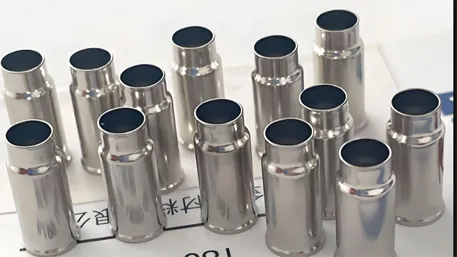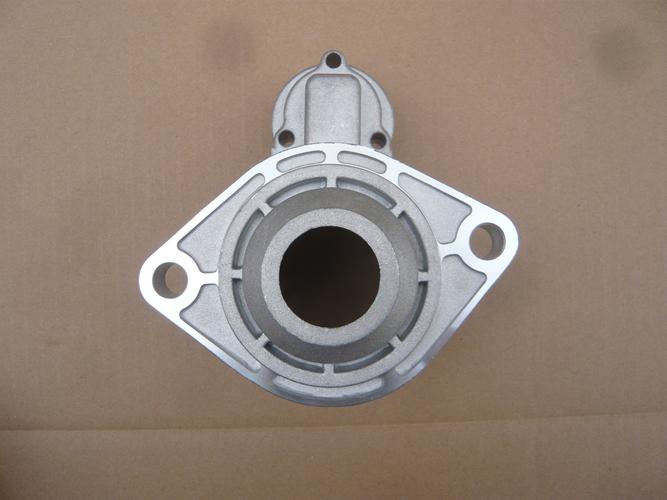
Custom CNC Aluminum Brackets for Industrial OEM Applications
Precision-machined aluminum structural brackets with tight tolerances, anodized finishes, and scalable production for automotive, robotics, electronics, and industrial equipment.
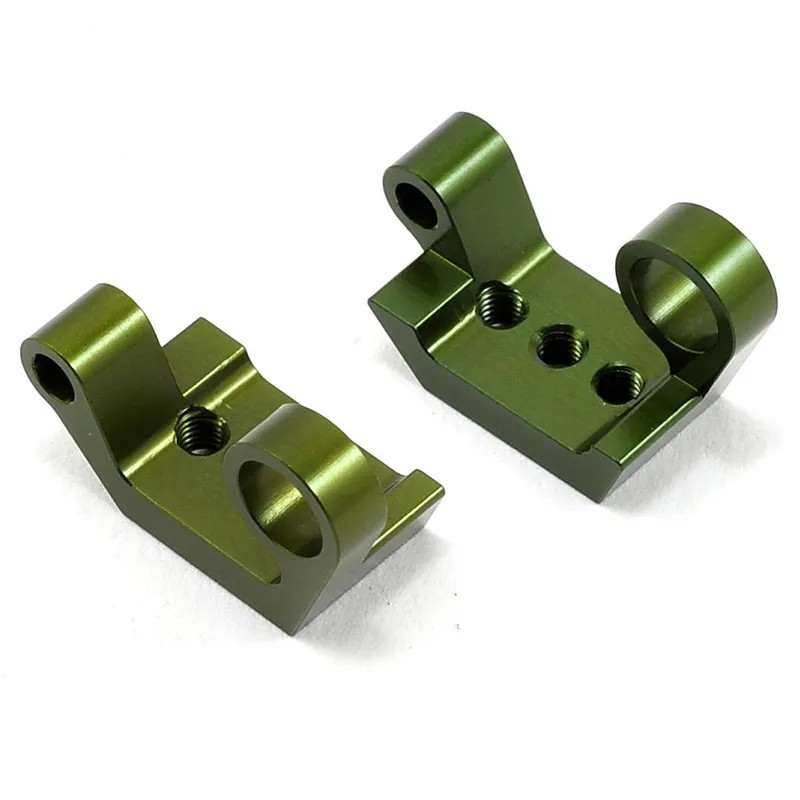
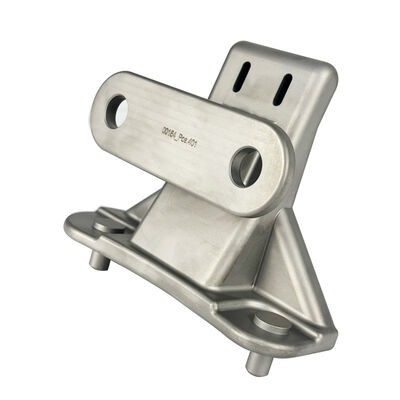
What Is a CNC Aluminum Bracket?
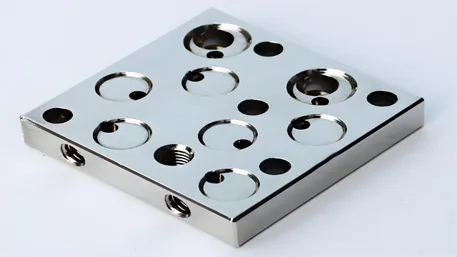
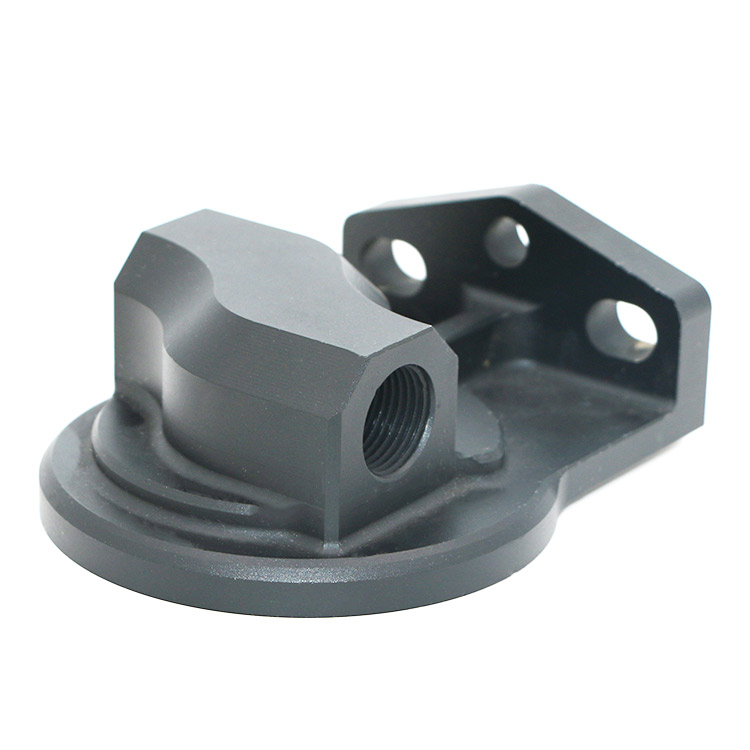
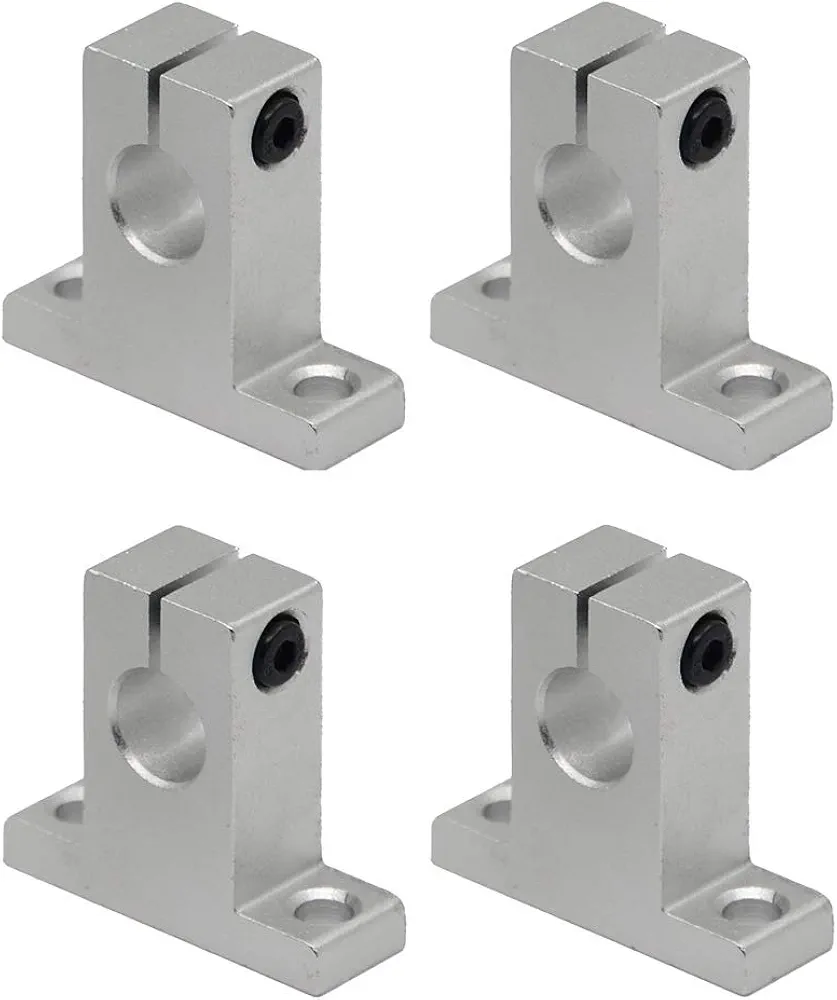
CNC aluminum brackets are precision-machined structural components used to support, connect, stabilize, or mount assemblies in industrial and mechanical systems. Unlike standard stamped parts, CNC-machined brackets deliver exceptional dimensional accuracy and structural reliability for critical applications.
These components serve three core engineering functions:
- Precision positioning of components to ensure proper assembly alignment
- Load distribution to transfer weight and force across mechanical assemblies
- Vibration damping to reduce stress and wear during operation
Why Aluminum Alloys Are Ideal for CNC Brackets
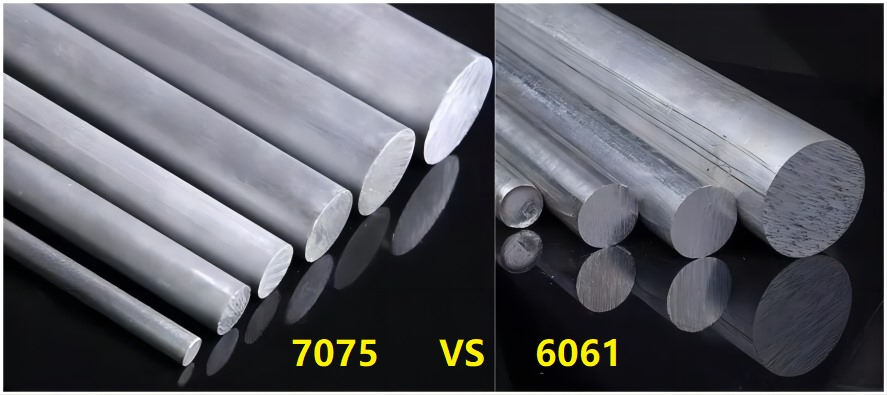
Aluminum alloys offer an unmatched combination of strength-to-weight ratio, corrosion resistance, and machinability, making them the top choice for structural brackets across industries. We work with the most common high-performance alloys to match your application requirements.
Our material selection ensures your brackets deliver the right balance of strength-to-weight ratio, thermal conductivity, corrosion resistance, and anodizing compatibility for your specific use case.
How CNC Machining Ensures Bracket Precision
Our advanced CNC machining capabilities deliver the precision required for critical structural brackets. We use both 3-axis and 5-axis machining centers to handle everything from simple mounting brackets to complex multi-angle structural components.
- ✓
Precision Fixture Positioning
Custom fixtures to eliminate deformation during thin-wall machining
- ✓
Tool Path Optimization
Advanced CAM software to ensure smooth cutting and consistent surface finish
- ✓
Surface Flatness Control
Precision machining to ensure perfect mounting surface flatness
- ✓
Hole Concentricity
CNC probing to ensure perfect hole positioning and alignment
Core Machining Specifications
Common Challenges in Aluminum Bracket Manufacturing
Our engineering team proactively addresses common manufacturing challenges to ensure your brackets meet your performance requirements from the first run.
Industries We Serve
CNC Aluminum Brackets vs. Steel Brackets
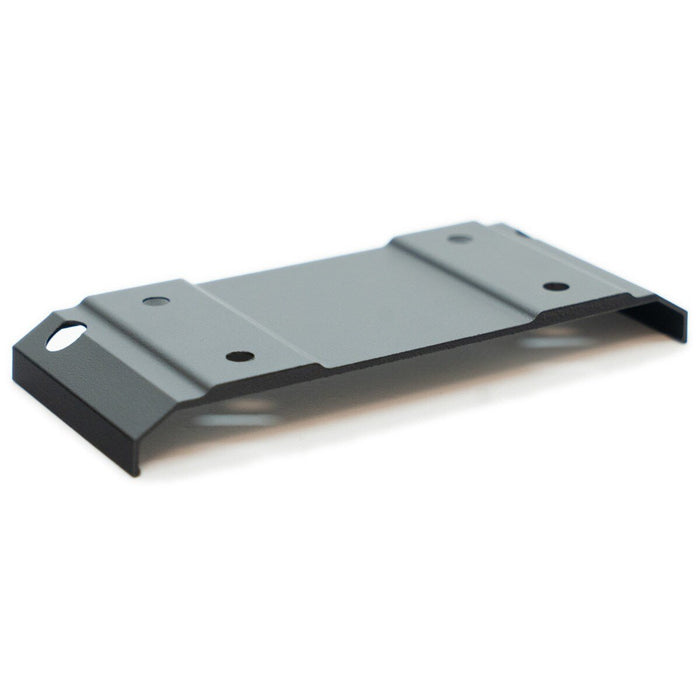
Choosing the right material is critical to your part’s performance. Here’s how aluminum compares to steel for structural bracket applications:
Design Considerations for CNC Aluminum Brackets
Our engineering team can help you optimize your bracket design for manufacturability, cost, and performance. Here are key design considerations:
Rib Reinforcement
Add optimized ribs to increase rigidity without adding unnecessary weight, ensuring your bracket can handle required loads without deformation.
Weight Reduction Pockets
Strategic pocketing to remove excess material in non-critical areas, reducing overall part weight while maintaining structural strength.
Corner Radius Optimization
Proper corner radii to reduce tool wear, eliminate stress concentrations, and ensure smooth machining without burrs.
Mounting Hole Spacing
Optimized hole positioning to ensure proper assembly alignment and tolerance stack-up management for consistent fit.
Example OEM Bracket Applications
Our Engineering & Quality Capabilities
Machining Capabilities
Quality Assurance Process
- Material traceability and incoming inspection
- First Article Inspection (FAI) before mass production
- In-process quality checks during production runs
- Final dimensional verification before shipment
Documentation Support
RoHS Compliance
REACH Compliance
PPAP Documentation
Full Inspection Report
Frequently Asked Questions
What aluminum alloy is best for CNC brackets?
For most general applications, 6061-T6 is the best choice, offering a great balance of strength, machinability, and cost. For high-stress or lightweight applications, 7075 aluminum provides higher strength, while 5052 is ideal for outdoor or marine use due to its corrosion resistance.
What tolerance can CNC machining achieve for brackets?
Our precision CNC machining can achieve tolerances as tight as ±0.01 mm for critical components, with standard tolerances ranging from ±0.01 mm to ±0.05 mm depending on part size and complexity.
Can aluminum brackets be anodized?
Yes, aluminum brackets can be anodized to improve corrosion resistance, wear resistance, and appearance. We offer clear, black, and colored anodizing options, as well as other surface finishes like sandblasting and powder coating.
What is the difference between 6061 and 7075 aluminum?
6061 aluminum offers a balanced combination of strength, weldability, and machinability, making it ideal for general-purpose applications. 7075 aluminum has a much higher strength-to-weight ratio, making it suitable for high-stress applications like aerospace and robotics, though it is more expensive.
Are CNC aluminum brackets suitable for outdoor applications?
Yes, aluminum brackets are excellent for outdoor applications. Aluminum naturally forms a protective oxide layer that resists corrosion, and with anodizing, this protection is further enhanced. Alloys like 5052 are particularly well-suited for outdoor and marine environments.
Ready to Start Your Bracket Project?
Get your free DFM feedback and competitive quote for your custom CNC aluminum brackets. Our engineering team is ready to help you optimize your design for performance and cost.