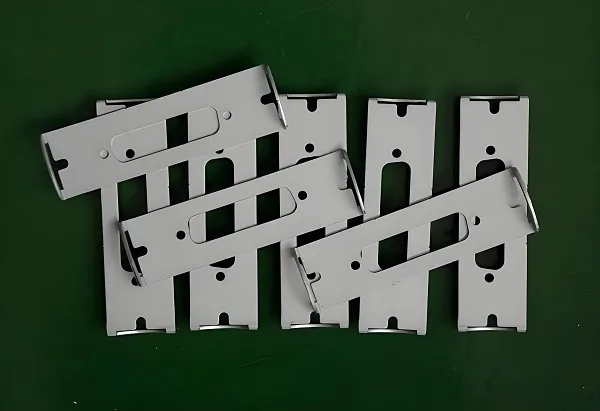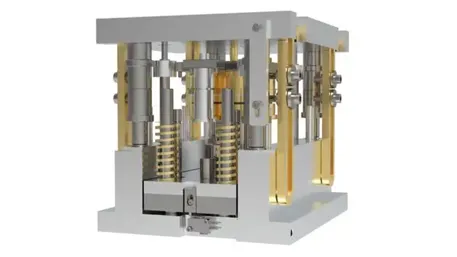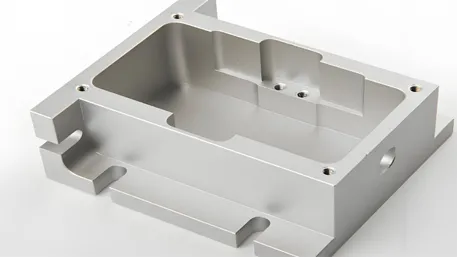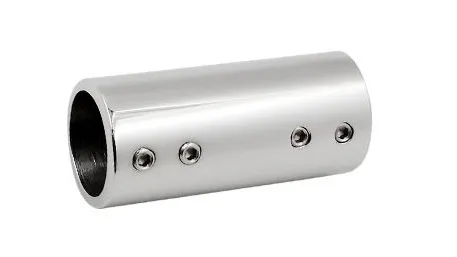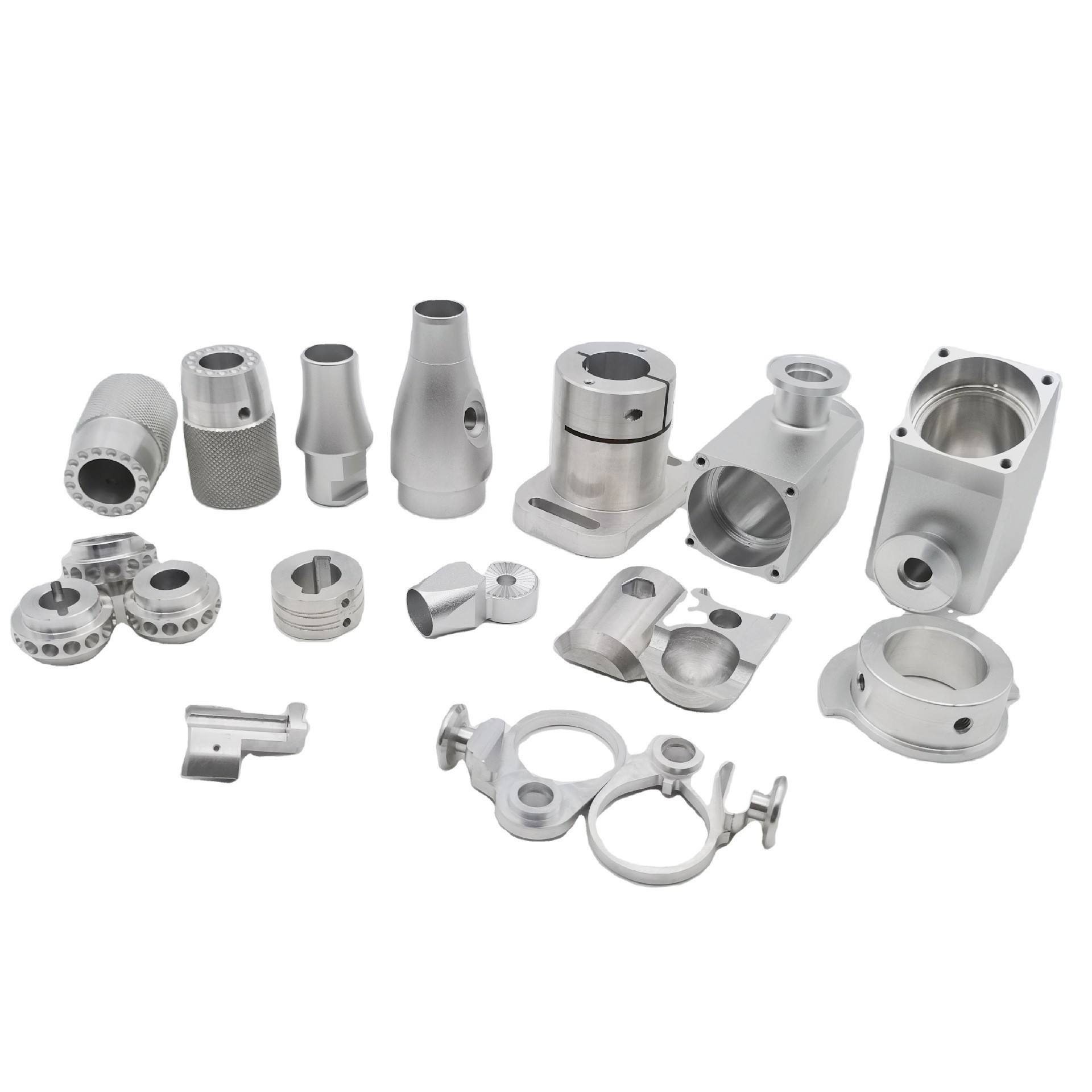
Precision CNC Medical Metal Parts for Critical Medical Applications
High-precision machined medical components with tight tolerances, material traceability and consistent manufacturing quality to support your device development.
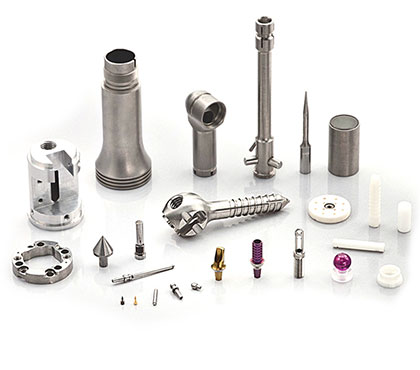
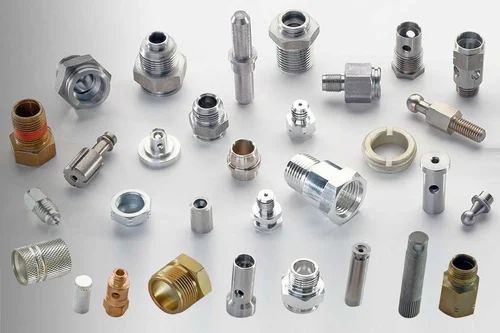
Common Challenges in Medical Metal Component Manufacturing
Medical device components have unique requirements that go far beyond standard industrial parts. Even small variations can impact the safety and reliability of your entire device:
- Ultra-tight dimensional tolerances to ensure perfect assembly
- Burr-free edges to eliminate safety and contamination risks
- Stable dimensional consistency across large production batches
- Biocompatible materials that meet regulatory requirements
- Full material and process traceability for regulatory audits
Why CNC Machining Is Preferred for Medical Metal Components
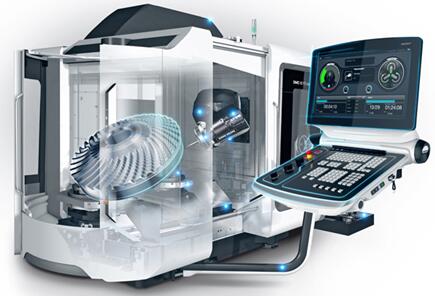
CNC machining has become the gold standard for medical component manufacturing, not just because it is cost-effective, but because it delivers the consistency and precision that medical devices demand.
Unlike other manufacturing methods, CNC machining offers:
- Unmatched precision for tight-tolerance medical designs
- Excellent repeatability for consistent mass production
- Ability to produce complex, custom geometries with ease
- Flexible production that works for both prototypes and volume
Common Metals Used in Medical CNC Machining
Selecting the right material is critical for medical components, as it directly impacts biocompatibility, strength, corrosion resistance, and regulatory compliance. We work with a full range of medical-grade metals to match your application needs:
| Material | Key Features | Typical Applications |
|---|---|---|
| 316L Stainless Steel | Excellent corrosion resistance, easy to sterilize, cost-effective | Surgical instruments, diagnostic equipment |
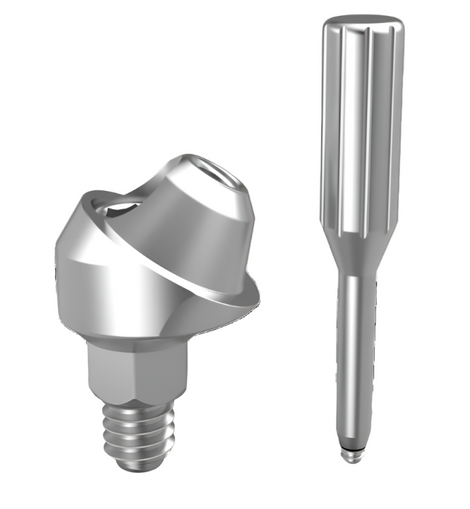
| Titanium (Ti-6Al-4V ELI) | Superior biocompatibility, high strength-to-weight ratio | Orthopedic implants, dental components |
| Medical Grade Aluminum | Lightweight, excellent machinability, good strength | Device housings, portable medical equipment |
| 17-4PH Stainless Steel | High strength, hardenable, good corrosion resistance | Precision medical devices, surgical tool components |
Why Burr-Free Machining Matters in Medical Components
For medical components, burrs are not just a cosmetic issue—they present real safety and performance risks that can compromise your entire device.
Unremoved burrs can:
- Interfere with tight assembly fits between components
- Create sharp edges that pose safety risks to patients or staff
- Break off during use, leading to internal contamination
- Create hidden areas that trap contaminants during cleaning
That is why we invest in specialized deburring and surface finishing processes, ensuring every medical part we deliver is completely burr-free and ready for your assembly or sterilization process.
Precision Manufacturing Capabilities
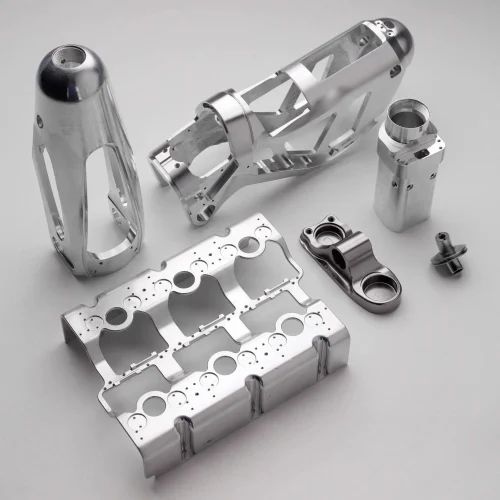
We don’t just claim high precision—we back it up with quantifiable capabilities that meet the strict requirements of medical device manufacturing:
| Capability | Range |
|---|---|
| Dimensional Tolerance | ±0.005 – 0.01 mm |
| Surface Finish | Ra 0.4 – 1.6 μm |
| Supported Materials | Titanium, 316L SS, Aluminum, 17-4PH |
| Inspection Methods | CMM, Optical Measurement |
| Production Volume | Prototype to Mass Production |
Quality Control and Traceability
For medical manufacturing, traceability and quality control are non-negotiable. We have built a rigorous quality system to ensure every part we produce meets your requirements and supports your regulatory compliance:
- Incoming material inspection and certification
- In-process inspection at critical manufacturing steps
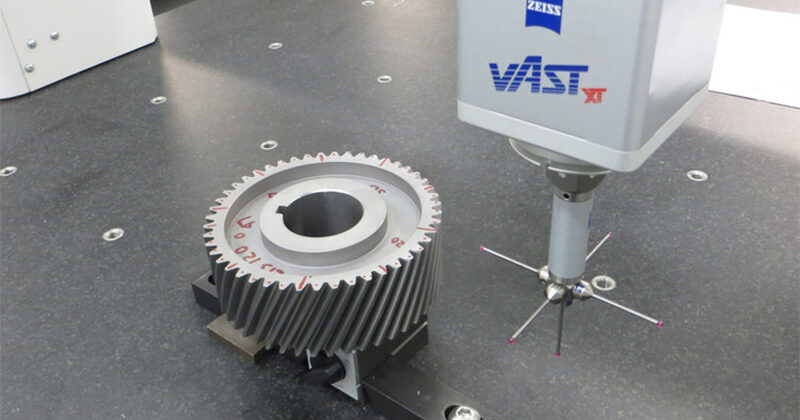
- Final CMM verification of all critical dimensions
- Unique batch identification for every production run
- Full traceable manufacturing records for audits
- Cleanroom-compatible packaging options
Applications of CNC Medical Metal Parts
We have extensive experience manufacturing precision components for a wide range of medical applications, helping our clients bring safe, reliable devices to market:
Surgical Instruments
Precision components for surgical tools, forceps, and handheld devices that require tight fits and smooth operation.
Diagnostic Equipment
High-precision parts for diagnostic devices, imaging equipment, and laboratory analysis tools.
Orthopedic Systems
Biocompatible titanium and stainless steel components for orthopedic implants, fixation devices, and surgical tools.
Dental Devices
Precision machined parts for dental implants, prosthetics, and dental surgical instruments.
Medical Automation
High-accuracy components for medical robotics, automated dispensing systems, and lab automation equipment.
Our CNC Medical Parts Manufacturing Process
We follow a structured, validated manufacturing process to ensure every medical part we deliver meets the highest standards of quality, consistency, and traceability:
Drawing Review
Review your CAD files and specifications.
DFM Analysis
Optimize design for medical manufacturing.
Material Selection
Source certified medical-grade materials.
CNC Machining
Precision machining with tight tolerance control.
Deburring
Specialized process to ensure burr-free edges.
Process Inspection
In-process checks to verify dimensions.
Final Verification
Full CMM inspection and documentation.
Clean Delivery
Clean packaging and traceable documentation.
Frequently Asked Questions
What metals are used for CNC medical parts?
We work with a range of medical-grade metals including 316L stainless steel, titanium (Ti-6Al-4V ELI), medical grade aluminum, and 17-4PH stainless steel. Each material is selected based on your specific application requirements for biocompatibility, strength, and corrosion resistance. Our team can help you choose the optimal material for your device.
Can you machine titanium medical parts?
Yes, we have extensive experience machining titanium medical parts, including orthopedic implants and dental components. Titanium is an excellent material for medical applications due to its superior biocompatibility and high strength-to-weight ratio, and our processes are optimized to work with this challenging material to achieve tight tolerances and smooth finishes.
What tolerances can you achieve for medical parts?
We can achieve extremely tight tolerances as low as ±0.005 mm for medical components, depending on your specific requirements. All parts are inspected using CMM and optical measurement equipment to verify that every dimension meets your specifications before delivery, ensuring consistent quality across every production run.
How do you ensure burr-free machining for medical parts?
We use a combination of precision machining techniques and specialized secondary deburring processes to ensure all medical parts are completely burr-free. This includes manual and automated deburring, polishing, and surface finishing to remove even the smallest micro-burrs, eliminating safety and contamination risks for your device.
Are medical parts traceable?
Yes, full traceability is a core part of our medical manufacturing process. Every batch of parts includes unique identification, and we maintain complete records of material certifications, inspection results, and manufacturing process data. This allows us to provide full traceability documentation to support your regulatory audits and quality system requirements.
Do you support prototype and mass production?
Yes, we support both prototype development and mass production for medical components. Our flexible manufacturing system allows us to handle low-volume prototype orders to support your R&D and testing phase, as well as high-volume production runs to support your commercial launch, with consistent quality across all volumes.
What inspection methods do you use for medical parts?
We use a combination of inspection methods to verify medical part quality, including Coordinate Measuring Machine (CMM) inspection for dimensional verification, optical measurement for surface finish, and visual inspection to ensure burr-free edges. We also perform incoming material inspection to verify material certifications before production begins.
Can you machine parts based on my CAD files?
Yes, we can manufacture custom medical parts based on your CAD drawings, 2D blueprints, or even physical samples. We support all common CAD formats including STEP, IGES, DWG, and PDF. Our engineering team will review your files to perform a DFM (Design for Manufacturability) analysis, ensuring your design is optimized for medical manufacturing and providing you with a detailed quote.
Ready to Start Your Medical Component Project?
Whether you need a single prototype or high-volume production, we have the expertise, capabilities, and quality system to deliver the precision medical components you need. Our engineering team is ready to review your design and help you bring your device to market.