Quick Answer
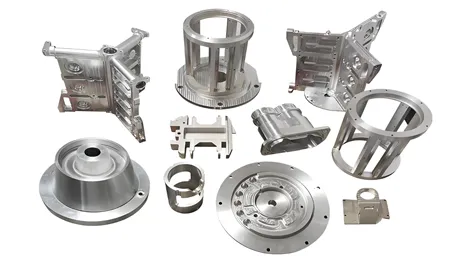
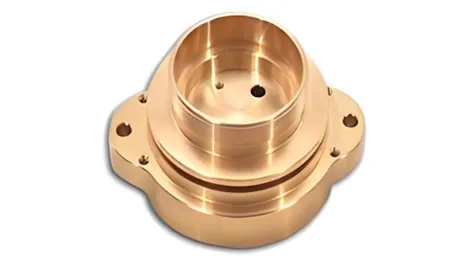
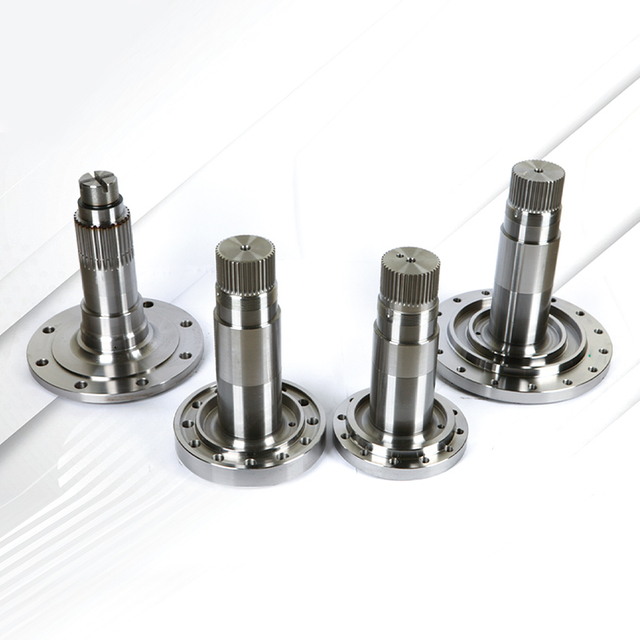
Our custom CNC stainless steel flange shafts are precision-machined to tight tolerances for industrial, automotive, and mechanical applications. We support low- to high-volume production with stainless steel grades such as 304, 316, and 17-4PH, ensuring durability, corrosion resistance, and dimensional accuracy for your most demanding projects.
Product Specifications
Our custom flange shafts are manufactured to your exact requirements, with a wide range of standard capabilities to support most industrial applications. Below are our typical specification ranges, we can also accommodate custom requirements for special projects:
| Specification | Range / Available Options |
|---|---|
| Material Grades | 304, 316, 17-4PH Stainless Steel |
| Shaft Diameter | 6mm – 120mm |
| Total Length | 20mm – 1500mm |
| Tolerance Capability | ±0.01mm – ±0.05mm |
| Surface Finish | Ra 0.4 – 1.6 μm |
| Machining Processes | CNC Turning, Milling, Grinding |
| Custom Features | Flanges, Keyways, Threads, Cross Holes, Splines |
Industry Applications
Our custom stainless steel flange shafts are used across a wide range of industries, where their combination of strength, corrosion resistance, and precision make them ideal for critical rotating and connecting components:
- Automotive Components: Precision shafts for transmission systems, steering mechanisms, and drivetrain assemblies, ensuring reliable performance under variable load conditions.
- Industrial Machinery: Custom rotating shafts, couplings, and spindle components for manufacturing equipment, conveyor systems, and power transmission units.
- Robotics: Lightweight yet strong flanged shafts for robot actuators, joint mechanisms, and end-of-arm tooling, enabling precise movement and long service life.
- Medical Devices: Corrosion-resistant, sterilizable shafts for surgical instruments, diagnostic equipment, and medical robotics, meeting strict FDA and ISO requirements.
- Aerospace: High-strength shafts for aerospace actuators, landing gear components, and turbine systems, meeting strict aerospace material and precision standards.
How We Ensure Precision
Achieving tight tolerances for stainless steel shafts requires specialized processes and strict quality control. We have developed a standardized manufacturing workflow to ensure consistent precision across every part we produce:
- Multi-Axis CNC Control: Our 5-axis machining centers allow us to machine complex features in a single setup, eliminating setup errors that can affect dimensional accuracy. Learn about our 5-axis capabilities.
- Thermal Deformation Compensation: We use real-time thermal monitoring and compensation to account for heat expansion during machining, ensuring parts remain within tolerance as they cool.
- High-Quality Tooling: We use carbide cutting tools specifically designed for stainless steel, minimizing tool wear and deflection during the cutting process.
- Custom Fixturing: Custom workholding solutions ensure that parts remain stable during machining, eliminating movement or deformation under cutting forces.
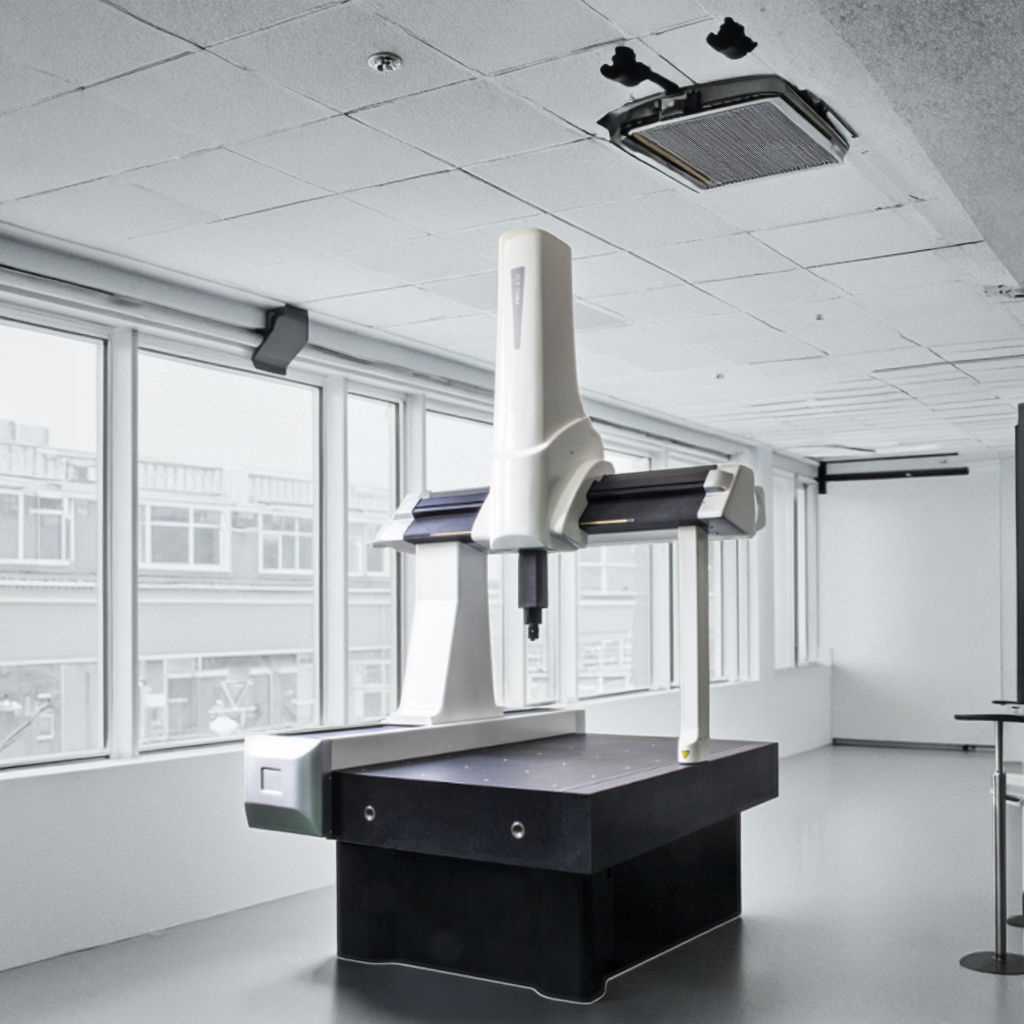
- In-Process Inspection: We perform regular in-process checks using micrometers, calipers, and CMM inspection to verify dimensions at every step of production.
Material Selection Guide
Choosing the right stainless steel grade is critical to ensuring your flange shafts perform as expected in your application. We offer three primary stainless steel options, each with unique properties to meet different requirements:
| Material | Key Benefits | Typical Use Case |
|---|---|---|
| 304 SS | Cost-effective, good corrosion resistance, easy to machine | General industrial applications, non-corrosive environments |
| 316 SS | Excellent corrosion resistance, marine-grade, chemical resistant | Marine, chemical processing, medical devices |
| 17-4PH | High strength, wear resistance, heat treatable | Aerospace, high-stress components, heavy-duty machinery |
Engineering Challenges & Our Solutions
Manufacturing precision stainless steel flange shafts comes with unique engineering challenges, due to the material’s properties. Our team has years of experience overcoming these challenges to deliver parts that meet your exact requirements:
Work Hardening
Stainless steel has a tendency to work harden during cutting, which can lead to increased tool wear and dimensional variation. We use specialized cutting parameters and climb milling techniques to minimize this effect, ensuring consistent cutting conditions.
Thermal Expansion
Stainless steel has a higher thermal expansion coefficient than many other metals, meaning it changes size as it heats up during machining. We use flood cooling and thermal compensation systems to keep part temperatures stable, ensuring that final dimensions are accurate after cooling.
Tool Deflection
The high strength of stainless steel means that cutting forces are higher, which can lead to tool deflection during long reach cuts. We use short, rigid carbide tools and optimized feed rates to minimize deflection, ensuring that long shafts remain straight and concentric.
Case Study: Aerospace Actuator Flange Shaft
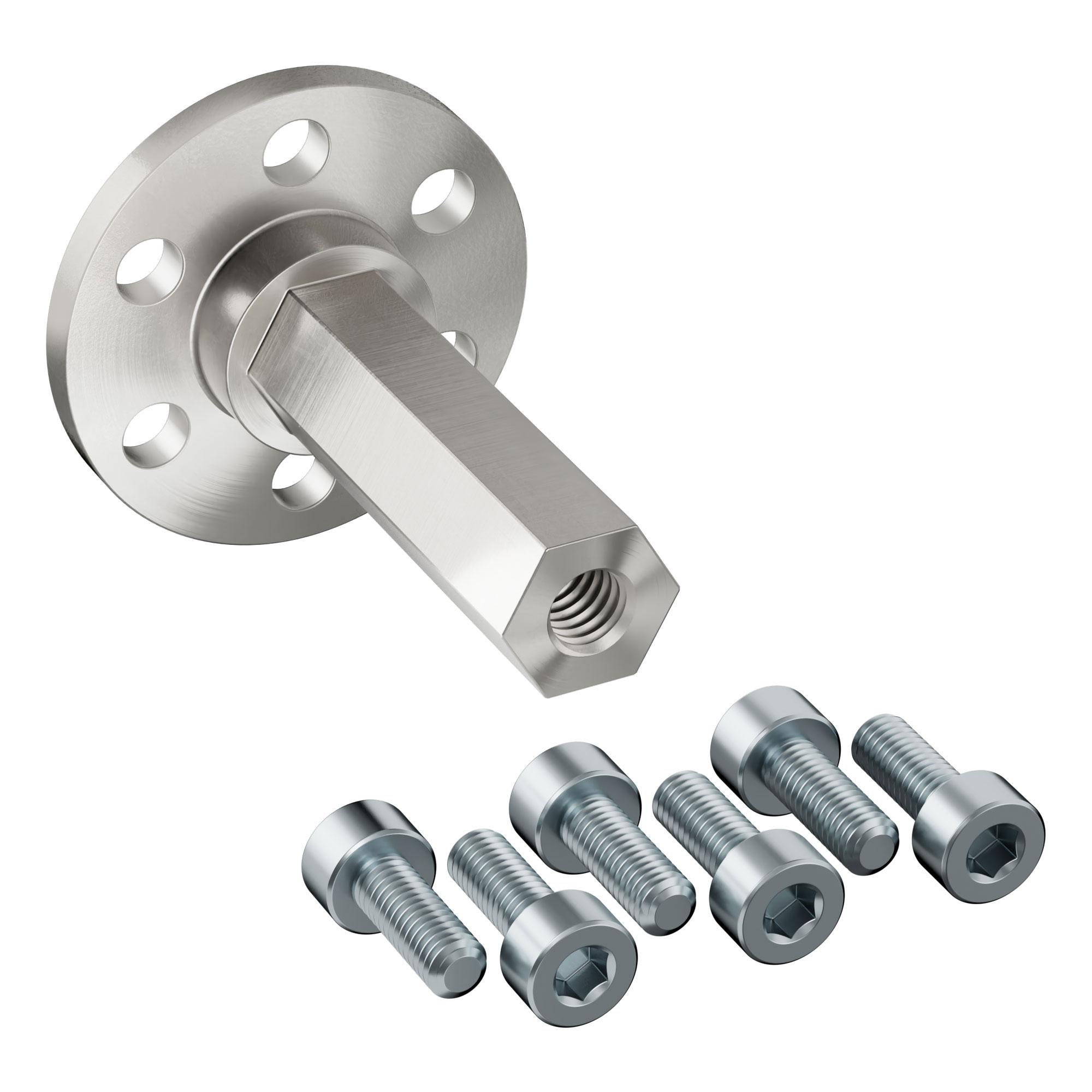
We recently worked with an aerospace customer to produce a custom flange shaft for their aircraft actuator system, which required extremely tight tolerances and high strength to meet aerospace standards.
Project Requirements: 17-4PH stainless steel, ±0.02mm tolerance across 8 critical dimensions, 500-piece production run, full material traceability and CMM inspection reports.
Our Solution: We used 5-axis CNC turning and milling to machine all features in a single setup, eliminating setup errors. We also implemented thermal compensation to account for stainless steel’s expansion, and used custom fixturing to support the thin flange section during machining.
Project Result: We delivered the parts in 4 weeks, with 100% of parts passing CMM inspection, meeting the tight tolerance requirements. The customer was able to reduce their assembly time by 20% thanks to the consistent fit of our precision shafts.
About Xiamen Goldcattle Plastic CNC Machining
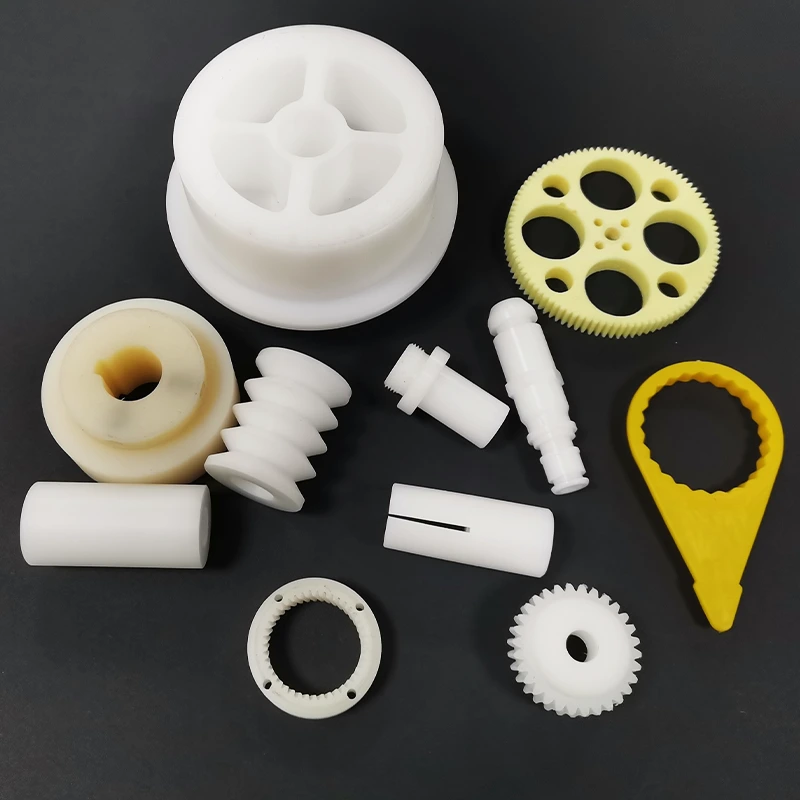
At Xiamen Goldcattle, we specialize in precision plastic CNC machining for global industrial clients across aerospace, medical, electronics and automotive sectors. With over 25 years of experience processing engineering plastics including POM, ABS, PC, PEEK and PEKK, we have developed specialized techniques to overcome common challenges like thermal deformation, dimensional drift and surface finish issues that often plague plastic machining projects. Our team of skilled engineers works closely with North American and European customers to deliver tight-tolerance parts that meet strict industry specifications.
Frequently Asked Questions
What tolerance can be achieved for stainless steel flange shafts?
For standard applications, we can hold tolerances of ±0.05mm. For critical parts, we can achieve tolerances as tight as ±0.01mm, depending on the size and complexity of the part.
Which stainless steel is best for corrosion resistance?
316 stainless steel offers the best corrosion resistance, making it ideal for marine, chemical, and medical applications where exposure to corrosive elements is a concern.
Can low-volume orders be accommodated?
Yes, we support both low-volume prototype orders (as low as 1 piece) and high-volume production runs up to 100,000 pieces, with consistent quality across all order sizes.
What surface finishes are available?
We offer a range of surface finishes, from as-machined (Ra 1.6μm) up to polished finishes (Ra 0.4μm). We can also provide passivation, electropolishing, and other surface treatments to meet your requirements.
How do you ensure dimensional accuracy during CNC machining?
We ensure accuracy through regular machine calibration, thermal deformation compensation, custom fixturing, in-process inspection, and final CMM inspection for every critical dimension, ensuring parts meet your drawing requirements.