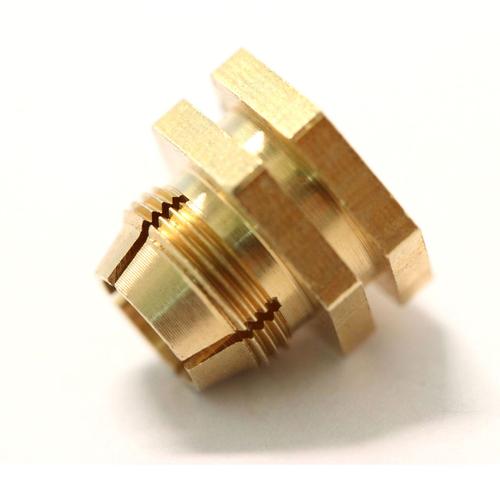
Kitchen hardware is more than an accessory — handles, hinges, drawer slides, and connecting fittings must combine aesthetic appeal with mechanical reliability that withstands decades of daily use.
For procurement professionals and hardware brand owners, finding a manufacturer that can deliver custom designs, maintain consistent quality across bulk orders, and meet international durability standards is the central sourcing challenge.
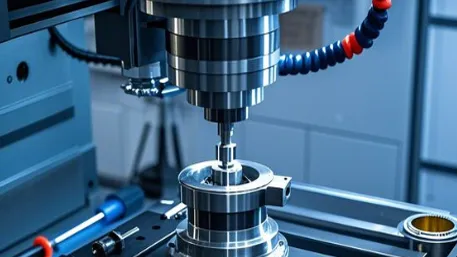
Goldcattle provides custom CNC kitchen hardware manufacturing services covering the full process — from DFM review and prototyping to mass production with verified quality control. We work with stainless steel, aluminum, brass, and zinc alloy, delivering precision-machined components that meet ANSI/BHMA cycle testing requirements and ISO coating standards.
What Are CNC Kitchen Hardware Accessories?
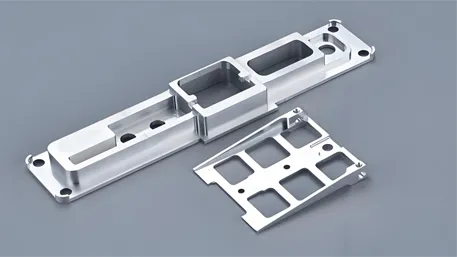
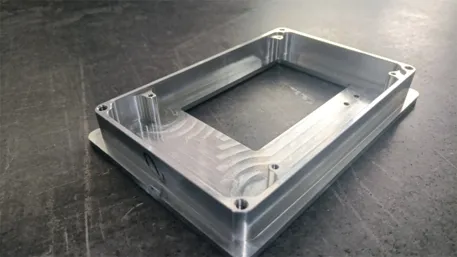
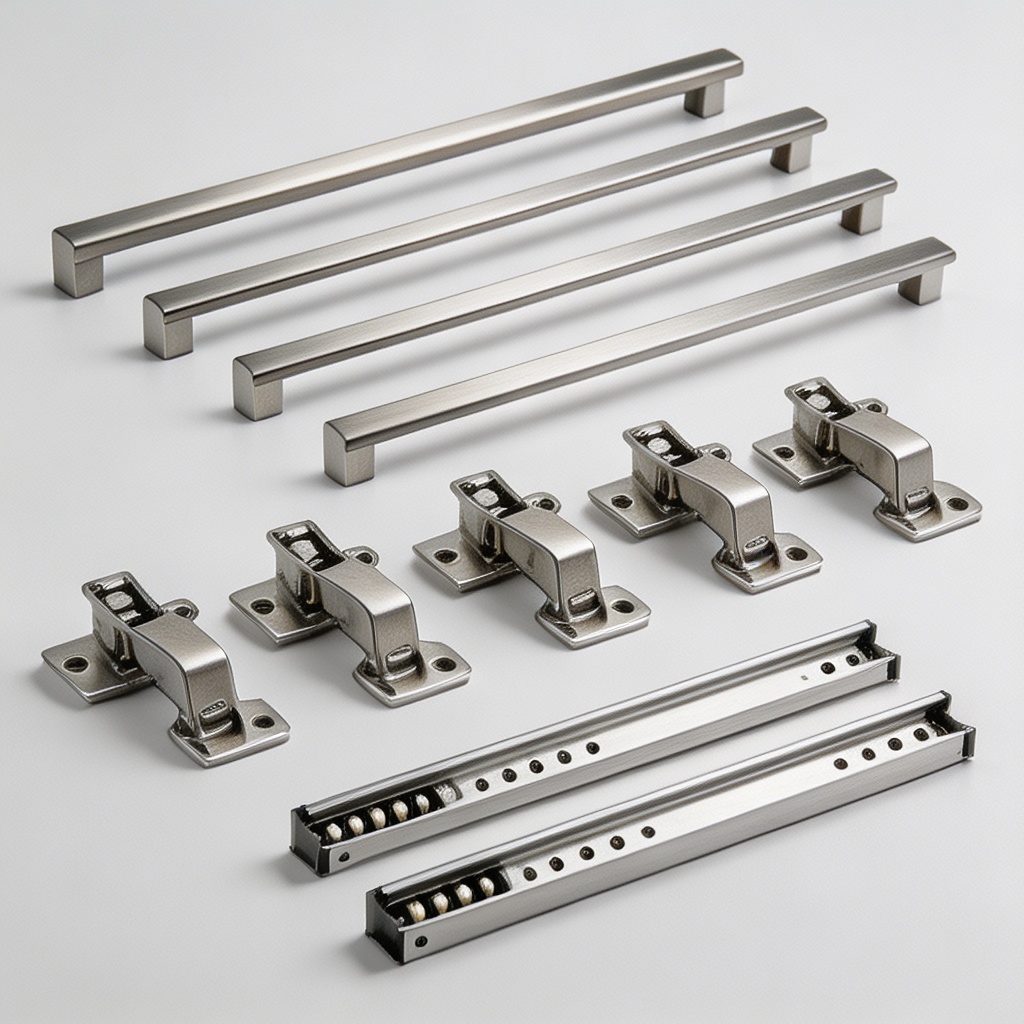
CNC kitchen hardware accessories are precision-machined metal components used in cabinet and furniture systems — including handles, knobs, hinges, drawer slides, connecting fittings, shelf brackets, and custom decorative elements. Unlike mass-produced stamped hardware, CNC-machined hardware delivers tighter dimensional tolerances, superior surface finish consistency, and the flexibility to produce custom designs without dedicated stamping dies — making it ideal for OEM projects, high-end brands, and renovation-specialist supply chains.
In summary, CNC kitchen hardware accessories are custom-manufactured metal fittings produced through computer-controlled machining rather than stamping, offering higher precision, better surface quality, and greater design flexibility for cabinet and furniture applications.
Our Custom Kitchen Hardware Manufacturing Capabilities
Materials We Process
Choosing the right material directly determines the durability, corrosion resistance, and feel of your kitchen hardware.
| Material Category | Specific Grades | Key Properties | Typical Applications |
|---|---|---|---|
| Stainless Steel | 304, 316 | Excellent corrosion resistance; food-safe; high strength | High-end handles, hinges exposed to moisture; commercial kitchen fittings |
| Aluminum Alloys | 6061, 6063 | Lightweight; good corrosion resistance; anodizable | Modern aesthetic handles; decorative trim |
| Brass | C360, C377 | Classic appearance; good machinability; develops patina | Premium decorative handles, knobs; traditional-style hardware |
| Zinc Alloy | ZAMAK 3, ZAMAK 5 | Excellent castability for complex shapes; good plating adhesion | Die-cast handles with electroplated finishes |
We process 304 and 316 stainless steel for corrosion-resistant applications, 6061 aluminum for lightweight modern designs, brass for premium traditional aesthetics, and zinc alloy for cost-efficient die-cast components — with full material traceability across all orders.
Manufacturing Processes
| Process | Capability | Best For |
|---|---|---|
| CNC Milling (3-axis / 5-axis) | Precision machining of handles, brackets, custom profiles | One-off prototypes to medium-volume production; complex geometries |
| CNC Turning | Cylindrical components — knobs, spacers, connectors | Round hardware; high concentricity requirements |
| CNC Laser Cutting | Sheet metal profiles with clean edges | Decorative panels, mounting plates, backplates |
| Die Casting (Zinc Alloy) | High-volume production of complex shapes | Zinc alloy handles with intricate detailing |
| Precision Polishing & Brushing | Surface refinement for aesthetic and functional requirements | Final finishing of visible hardware surfaces |
Tolerances & Precision
| Feature Type | Standard Tolerance | Achievable Tolerance |
|---|---|---|
| Linear dimensions | ±0.05 mm | ±0.01 mm |
| Hole center distance | ±0.05 mm | ±0.02 mm |
| Thread specifications | 6H standard | Per customer drawing |
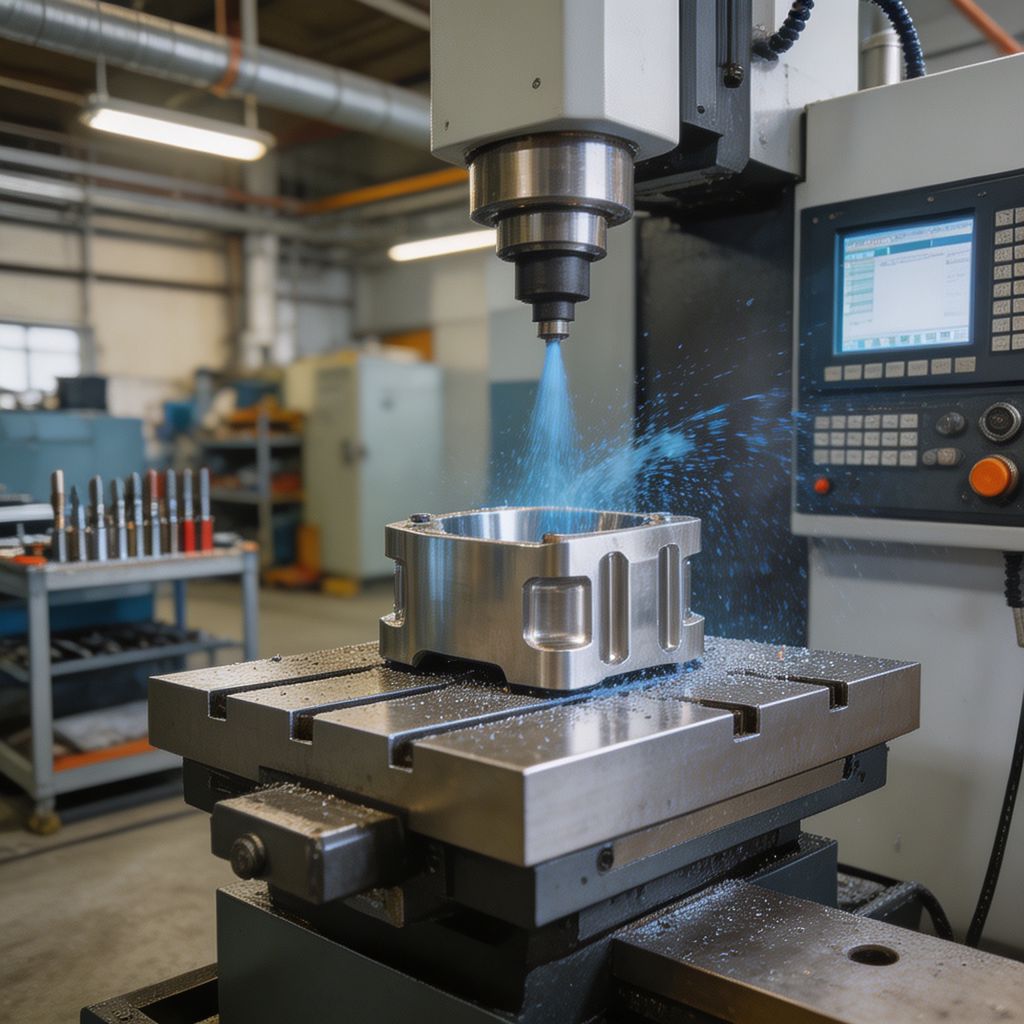
Our precision is verified through CMM inspection on every batch. Standard machining tolerances of ±0.01 mm are achievable for critical fit-features such as mounting hole centers and thread specifications.
Surface Finishing Capabilities
Surface treatment for kitchen hardware must meet both aesthetic needs and pass corrosion resistance testing.
| Finish Type | Process Description | Best Application |
|---|---|---|
| Brushed / Satin | Abrasive brushing creates a uniform linear grain texture | Modern stainless steel handles — hides fingerprints, scratch-resistant |
| Mirror Polished | Multi-stage polishing to Ra ≤0.2 μm | Premium decorative hardware; high-end showroom fittings |
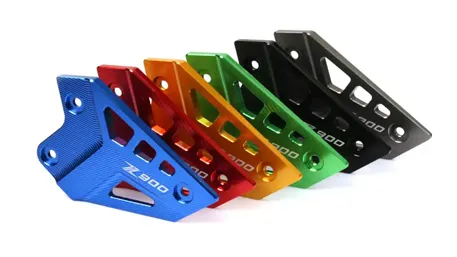
| Anodized (Aluminum) | Electrochemical surface conversion creating a durable oxide layer with color options | Colored aluminum handles; corrosion-resistant trim |
| Electroplated (Chrome / Nickel) | Metal deposition for bright or satin finish with enhanced corrosion protection | Traditional-style handles; high-wear surfaces in commercial settings |
| PVD Coating | Physical Vapor Deposition — thin-film ceramic coating in gold, black, rose gold, etc. | High-end decorative hardware requiring superior scratch and tarnish resistance |
PVD coating has become the standard configuration for high-end kitchen hardware. ISO 23100:2024 specifically specifies the technical requirements for decorative PVD coatings for kitchen and bathroom hardware, covering key performance indicators and test methods such as discoloration resistance, wear resistance, corrosion resistance and adhesion.
Surface finishing is the difference between hardware that fails a salt spray test and hardware that looks new after years of use. We offer the full spectrum — from brushed and polished stainless steel to anodized aluminum and PVD-coated brass — with corrosion resistance verified to applicable ISO standards.
Quality Standards for Kitchen Hardware
In North American and European markets, cabinet hardware is not just a decorative element — it’s a mechanical component that must pass rigorous performance testing.
ANSI/BHMA Standards
The Builders Hardware Manufacturers Association (BHMA) has developed American National Standards for cabinet hardware. The ANSI/BHMA A156.9-2020 standard covers nearly 100 types of cabinet hardware including hinges, pulls, knobs, latches, and drawer slides, and includes operational testing, cycle testing, strength testing, and finish testing.
Specific durability requirements:
- Grade 1 Hinges: Must pass 100,000 cycle tests, with no degradation in function or appearance throughout the test
- Pulls: Must withstand 75 lbf (approx. 334N) static load test without chipping, disassembly, or breakage
- Salt Spray Testing: Verifies corrosion resistance to ensure long-term appearance retention of architectural metals and coatings
ISO 23100:2024 — PVD Coating Standard
ISO 23100:2024 specifies the evaluation methods for decorative PVD coatings for kitchen and bathroom hardware, covering five dimensions: color evaluation, discoloration resistance, corrosion resistance, abrasion resistance, and adhesion, providing a unified performance evaluation system for global high-end hardware coatings.
Our manufacturing processes are aligned with ANSI/BHMA A156.9 durability requirements and ISO 23100:2024 coating standards. Whether your market requires Grade 1 cycle testing documentation or PVD coating adhesion certification, we provide the quality verification data to support your compliance requirements.
In summary, high-quality kitchen hardware is defined by measurable performance criteria — not subjective appearance. Cycle testing, load testing, and corrosion resistance testing per ANSI/BHMA and ISO standards form the foundation of reliable hardware manufacturing.

Customization Options & OEM Services
For brand owners, distributors, and OEM procurement teams, the ability to customize kitchen hardware — not just select from a catalog — determines whether a supplier can support long-term business growth.
What We Customize
| Customization Dimension | What We Offer |
|---|---|
| Design | Custom shapes, dimensions, profiles per your CAD drawings or reference samples |
| Material | Stainless steel (304/316), aluminum (6061), brass, zinc alloy — matched to application |
| Surface Finish | Brushed, polished, anodized, electroplated, PVD — specified to your brand standards |
| Logo/Branding | Laser engraving, embossing, or custom packaging with your brand identity |
| Mounting Specifications | Per EU standard (32 mm system), US standard, or custom hole patterns |
| Packaging | Retail-ready packaging, bulk industrial packaging, custom labeling |
Our OEM/ODM Process
- Design Receipt — You provide CAD files (STEP, IGES, SolidWorks) or reference samples
- DFM Review — Our engineering team analyzes manufacturability and provides optimization suggestions within 24–48 hours
- Sample Production — Prototype samples delivered within 7–10 working days for approval
- Mass Production — Full production run with in-process quality checks
- Inspection & Shipping — Final inspection with dimensional report; packaging per your specifications
From a hand sketch to a production run of 50,000 handles, our OEM service covers every stage — engineering review, prototyping, finishing, and logistics. We support both startups launching a hardware line and established brands expanding their product range.
Common Kitchen Hardware Problems & Our Solutions
This problem-solution list addresses the main failure modes in kitchen hardware manufacturing, proposing systematic preventive measures that reflect our front-end control concept for product quality.
| Problem | Root Cause | Impact | Our Solution |
|---|---|---|---|
| Rust / Corrosion | Inferior material grade or inadequate surface treatment | Premature product failure; brand quality complaints | Use 304/316 stainless steel; salt spray testing per ANSI/BHMA |
| Surface Scratches / Tarnish | Insufficient coating hardness or poor plating adhesion | Hardware looks worn after months; retail returns | PVD coating per ISO 23100; 3-stage surface inspection |
| Loose Fitting / Mounting | Oversized tolerances on hole centers or threads | Installation difficulty; wobbly handles; contractor frustration | Precision drilling to ±0.02 mm; 100% thread gauge inspection |
| Inconsistent Batch Quality | Lack of in-process QC; manual variability | Unpredictable field performance; mixed quality units | CNC repeatability; FAI per batch; documented traceability |
| Coating Peeling / Chipping | Poor adhesion between base material and coating | Rapid aesthetic degradation; sharp edge safety hazard | Proper surface preparation; adhesion testing per standards |
| Zinc Alloy Handle Breakage | Die casting porosity; thin-wall section failure | Handle snaps during use; product liability risk | Optimized die casting parameters; X-ray porosity inspection |
By systematically addressing these failure modes through material selection, manufacturing precision, surface treatment verification, and documented inspection, we deliver kitchen hardware that consistently meets your quality standards — from the first sample to the 50,000th unit.
Case Study — Custom Stainless Steel Cabinet Handles
Project: Custom Stainless Steel Cabinet Pull Handles for European Kitchen Brand
Industry: Premium Kitchen Cabinetry
Material: 304 Stainless Steel
Finish: Brushed / Satin
Challenge: The client required a custom handle profile that maintained a consistent brushed grain direction across all visible surfaces, with mounting hole center distance tolerance of ±0.1 mm to ensure universal fit with their standard cabinet door pre-drilling pattern. Surface finish had to withstand 96-hour salt spray testing without visible corrosion.
Our Solution:
- Programmed 5-axis CNC toolpaths to machine the curved handle profile in a single setup, eliminating grain direction inconsistency caused by re-fixturing
- Applied brushing process using controlled abrasive grade and linear motion to achieve uniform grain direction across all surfaces
- Performed salt spray testing per client specification; delivered full test data with shipment
- Implemented go/no-go mounting jig inspection for 100% verification of hole center distance
Results:
- Mounting hole tolerance: consistently within ±0.05 mm (better than required)
- Salt spray test: no visible corrosion at 96 hours
- Batch rejection rate: 0% across 10,000-unit order
- Repeat order: client placed second order within 60 days
This project demonstrates our approach to custom kitchen hardware manufacturing — understand the end-use requirements and engineering specifications, design the process to meet them, and verify with data at every stage.
Why Choose Our Kitchen Hardware Manufacturing Services
Choosing a kitchen hardware supplier involves balancing custom design flexibility, consistent quality, competitive pricing, and reliable delivery. Here’s what sets our service apart:
- ✅ Full Customization from Prototype to Mass Production — We accept CAD files and reference samples; DFM feedback within 24–48 hours; prototype delivery within 7–10 working days
- ✅ Multi-Material & Multi-Process Capability — Stainless steel, aluminum, brass, zinc alloy; CNC machining, die casting, laser cutting; in-house surface finishing
- ✅ Standards-Aligned Manufacturing — ANSI/BHMA A156.9 cycle testing; ISO 23100 PVD coating standards; salt spray corrosion verification
- ✅ Verified Quality Control — CMM dimensional inspection; FAI documentation; batch traceability
- ✅ OEM/ODM Flexibility — Custom logo engraving/embossing; custom packaging; retail-ready or bulk industrial packaging
- ✅ Competitive Lead Times — Standard orders within 4-6 weeks; expedited options available; confirmed delivery date at order confirmation
In summary, the right kitchen hardware manufacturing partner should deliver more than products — they should provide engineering support, verified quality, and reliable fulfillment. Our integrated approach covers all three from prototype to final delivery.
Our Core Capabilities At A Glance
🔧
Materials
Stainless Steel (304, 316), Aluminum, Brass, Zinc Alloy
📐
Precision
±0.01 mm standard on critical fit features
🎨
Surface Finishes
Brushed, Polished, Anodized, Plated, PVD Coated
📋
Standards
ANSI/BHMA A156.9, ISO 23100:2024
⚙️
Processes
CNC Milling, Turning, Laser Cutting, Die Casting
🏷️
Services
OEM/ODM, Custom Branding, DFM within 24-48h
FAQ — Custom Kitchen Hardware Manufacturing
Q1: What materials are commonly used for kitchen cabinet hardware?
The most common materials are stainless steel (304 and 316 grades for corrosion resistance), aluminum alloys (6061 and 6063 for lightweight applications), brass (for premium traditional designs), and zinc alloy (ZAMAK 3/5 for die-cast handles with electroplated finishes). The choice depends on the end-use environment — moisture-exposed areas such as near sinks require stainless steel or properly coated brass.
Q2: How durable are CNC machined cabinet handles?
Cabinet handles manufactured to ANSI/BHMA A156.9 standards are tested for durability through cycle testing and static load testing. Grade 1 hinges are required to pass 100,000 cycles without degradation, and pulls must support a 75 lbf (334 N) static load without chipping, disassembly, or breakage.
Q3: Can CNC machining produce custom kitchen hardware designs?
Yes. CNC machining is ideal for custom kitchen hardware because it does not require dedicated stamping dies or molds. A new design only requires reprogramming the toolpath — enabling rapid prototyping (7–10 working days) and cost-efficient small-to-medium production runs. This makes CNC machining the preferred manufacturing method for OEM projects, high-end brands, and short-run custom hardware lines.
Q4: What surface finishes are available for kitchen hardware?
Common surface finishes include brushed/satin, mirror polished, anodized (for aluminum), electroplated chrome or nickel, and PVD coating (available in gold, black, rose gold, etc.). PVD coating is increasingly the standard for high-end decorative hardware, with ISO 23100:2024 specifying requirements for color, discoloration resistance, corrosion resistance, abrasion resistance, and adhesion.
Q5: What is the difference between CNC machining and die casting for kitchen hardware?
CNC machining removes material from a solid workpiece to produce the final shape — ideal for prototypes, small-to-medium volumes, and designs requiring tight tolerances. Die casting injects molten metal into a mold — ideal for high-volume production (typically >5,000 units) of zinc alloy handles with complex shapes. CNC requires no mold investment; die casting requires mold fabrication but offers lower per-part cost at high volumes.
Q6: Can you do OEM/ODM with custom branding and packaging?
Yes. We support full OEM/ODM services including custom logo engraving or embossing on hardware, custom packaging design (retail-ready or bulk industrial), and custom labeling. Our OEM process covers design receipt → DFM review → prototype approval → mass production → inspection → packaging and shipping.
Q7: What quality testing do you perform on kitchen hardware?
We perform CMM dimensional inspection on critical fit features, thread gauge inspection on threaded hardware, visual inspection on surface finish quality, and corrosion resistance testing per applicable standards. First-article inspection (FAI) documentation is provided for new products and new production batches. Testing is aligned with ANSI/BHMA A156.9 and ISO 23100 requirements.
Q8: What are your minimum order quantities (MOQ) and lead times?
Our MOQ is flexible depending on the product type and customization requirements. Prototypes can be produced in quantities as low as 10–50 units. Mass production MOQ varies by process — typically 500 units for CNC machining and 1000 units for die casting. Standard lead time for prototypes is 7–10 working days; mass production lead time is confirmed at order placement. Contact our team with your requirements for a specific MOQ and lead time estimate.
Ready to develop your custom kitchen hardware line?
Upload your CAD file or send your reference sample.
- → Get a quote within 24 hours
- → Free DFM analysis included
- → Prototype delivery in 7–10 working days