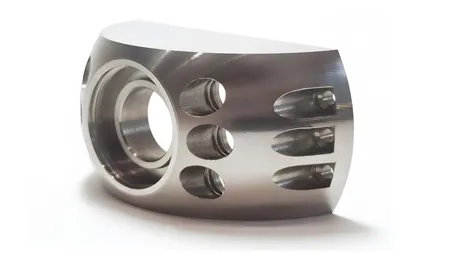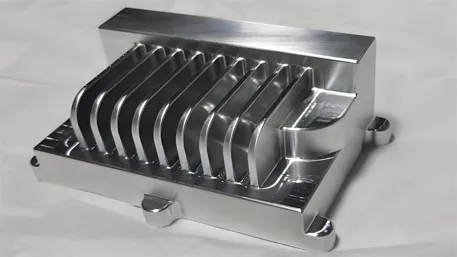
How Is CNC Cutting Done? Complete Guide to Process, Precision and Industrial Applications
Understand how CNC cutting works, what materials it supports, and how precision manufacturers ensure consistent quality in industrial production.
What Is CNC Cutting?
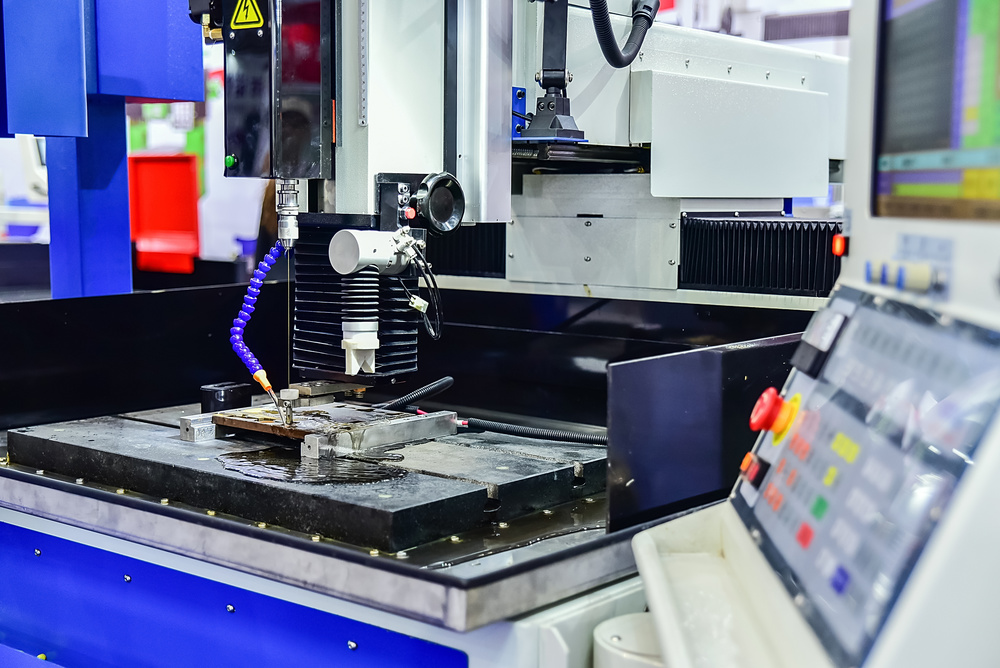
CNC (Computer Numerical Control) cutting is a precision subtractive manufacturing process that uses pre-programmed computer software to dictate the movement of factory tools and machinery. Unlike manual cutting, which relies on human operators to control the cutting tools, CNC cutting automates the entire process, eliminating human error and enabling consistent, repeatable results.
This technology allows manufacturers to produce complex, custom parts with extremely tight tolerances, making it ideal for industrial production across a wide range of industries. Whether you need prototype parts or high-volume mass production, CNC cutting delivers the precision and efficiency that modern manufacturing requires.
Step-by-Step CNC Cutting Process
CAD Design
Our engineers start with your 2D or 3D CAD drawing, or help you optimize your design for manufacturability.
CAM Programming
We convert the CAD model into machine-readable G-code, which controls the exact movement of the cutting tool.
Machine Setup
Our technicians set up the machine, secure the workpiece, and calibrate the tools to ensure accuracy.
Tool Selection
We select the optimal cutting tool based on your material and required precision to ensure the best results.
Material Cutting
The CNC machine automatically cuts the material according to the programmed path, removing excess material to form the part.
Post Finishing
We perform required post-processing such as deburring, polishing, anodizing or heat treatment as requested.
Quality Inspection
Every part goes through strict quality inspection to ensure it meets your exact specifications before shipping.
Materials Suitable for CNC Cutting
CNC cutting works with a wide range of materials, making it versatile for various industrial applications. Here are the most common materials we work with:
| Material | Machinability | Typical Use |
|---|---|---|
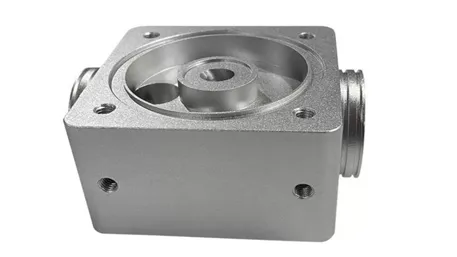
| Aluminum 6061/7075 | Excellent | Aerospace brackets, automotive parts |
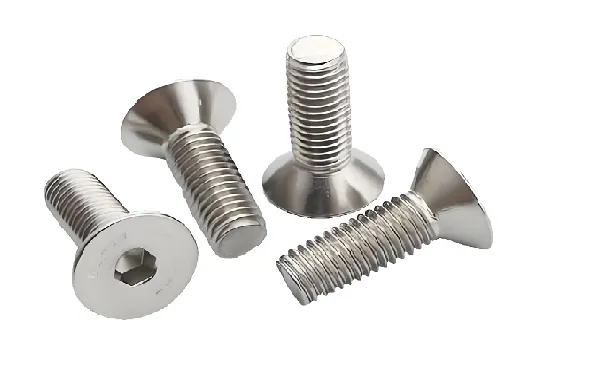
| Stainless Steel 304/316 | Good | Medical components, food equipment |
| Carbon Steel | Good | Industrial machinery, structural parts |
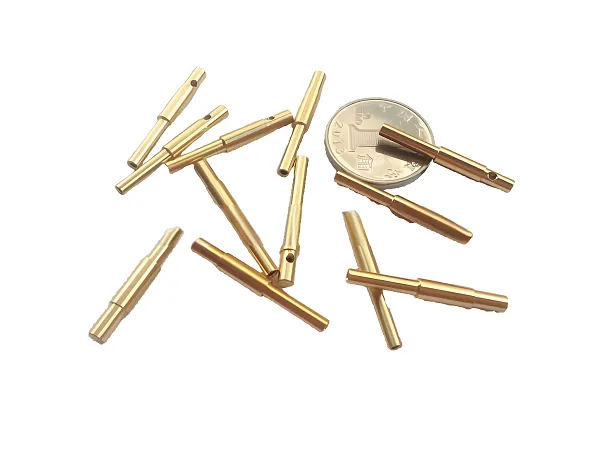
| Copper/Brass | Very Good | Electrical connectors, heat sinks |
| Engineering Plastics | Excellent | Medical parts, insulation components |
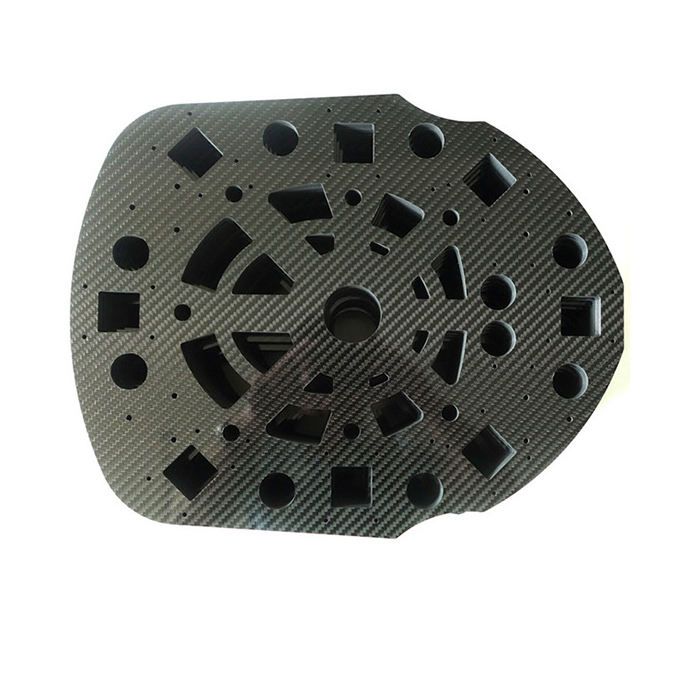
| Carbon Fiber | Good | Aerospace, drone components |
Typical Precision and Tolerances
One of the biggest advantages of CNC cutting is its ability to achieve extremely tight tolerances, which is critical for industrial parts that require perfect fit and function. At Goldcattle, we can achieve the following precision levels:
- •Standard Precision: ±0.05mm for general industrial parts
- •High Precision: ±0.01mm for critical functional components
- •Ultra Precision: ±0.005mm for medical and aerospace applications
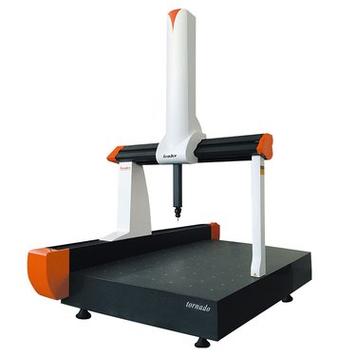
We use CMM (Coordinate Measuring Machine) to verify every critical dimension, ensuring your parts meet the required precision every time.
Common CNC Cutting Challenges & Our Engineering Solutions
Burr Formation
Burrs are small raised edges left on the part after cutting. Our solution: We use optimized tool path design and specialized cutting parameters to minimize burrs, followed by automated deburring processes to ensure smooth, clean edges without extra cost.
Heat Deformation
Cutting generates heat that can cause material deformation. Our solution: We use high-pressure coolant systems to control cutting temperature, and adjust feed rates based on material thermal properties to prevent part warping.
Surface Roughness
Poor surface finish can affect part function and appearance. Our solution: We select the right tool materials and cutting speeds based on your workpiece material, and can provide additional polishing to achieve the required Ra value.
Thin Wall Warping
Thin-wall parts are prone to warping during cutting. Our solution: We design custom fixtures to secure the workpiece, and use optimized feed rates and tool paths to maintain stability during the entire cutting process.
CNC Cutting vs Other Cutting Methods
Not sure which cutting method is right for your project? Here’s a comparison to help you choose:
| Cutting Method | Typical Precision | Material Suitability | Best For |
|---|---|---|---|
| CNC Cutting | ±0.005mm | All metals & plastics | Precision industrial parts |
| Laser Cutting | ±0.1mm | Thin sheet materials | Thin sheet profile cutting |
| Waterjet Cutting | ±0.1mm | Heat-sensitive materials | Thick, heat-sensitive parts |
| Manual Cutting | ±0.5mm | Simple, low-precision parts | Low-volume, non-critical parts |
Industrial Applications of CNC Cutting
Aerospace
Medical
Automotive
Industrial Automation
Consumer Electronics
Robotics
Why Choose Goldcattle for Your CNC Cutting Service
✅
26+ Years Experience
We have over 26 years of experience in precision CNC cutting, serving global customers across various industries.
✅
ISO Certified Quality
Our factory is ISO 9001 certified, with strict quality control processes to ensure consistent quality.
✅
Prototype to Mass Production
We support full lifecycle production, from 1-piece prototype to 100k+ mass production orders.
✅
Free DFM Analysis
Our engineering team provides free Design for Manufacturing analysis to optimize your design and reduce cost.
✅
Fast Lead Time
Our standard lead time is 3-15 days, with expedited service available for urgent projects.
✅
IP Protection
We strictly protect your intellectual property, and are happy to sign NDA to secure your design data.
Frequently Asked Questions
What is the difference between CNC cutting and CNC machining?
CNC cutting is a specific type of CNC machining that focuses on separating material to create custom parts, while CNC machining is a broader term that includes various processes like milling, turning, and drilling.
Can CNC cutting achieve tight tolerances?
Yes, our precision CNC cutting can achieve tolerances as tight as ±0.005mm, which is suitable for critical medical, aerospace and automotive components that require perfect fit.
What industries use CNC cutting?
CNC cutting is widely used across many industries including aerospace, medical, automotive, industrial automation, consumer electronics, and robotics, for producing high-precision custom parts.
What materials are best for CNC cutting?
CNC cutting works with almost all common engineering materials, including aluminum, steel, stainless steel, copper, engineering plastics like POM/PEEK, and carbon fiber, making it very versatile.
Can you support both prototyping and mass production?
Absolutely. We support the full product lifecycle, from 1-piece prototype orders to high-volume mass production of 100,000+ parts, with consistent quality and lead time.
How long does CNC cutting usually take?
Our standard lead time for CNC cutting parts is 3-15 days, depending on part complexity, material, and order quantity. We also offer expedited service for urgent projects.
Need Precision CNC Cutting for Your Project?
Upload your drawings for free engineering review and instant quotation. Our team will get back to you within 24 hours.