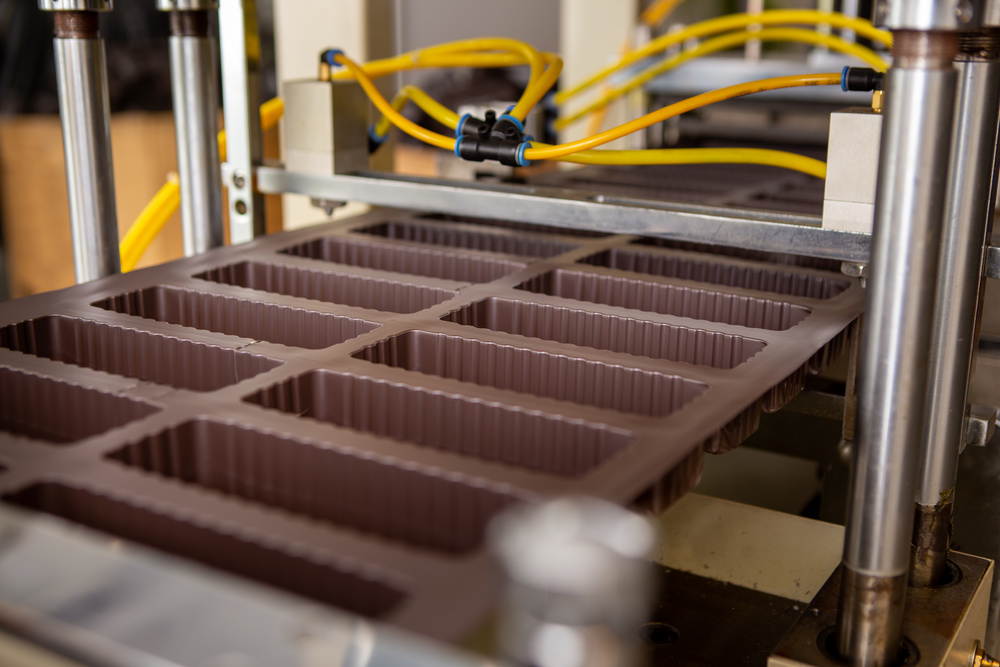
Plastic Press Molding: Process, Materials and Custom Manufacturing
Get high-quality custom molded plastic parts with cost-effective tooling and flexible production for your project.
| Process | Plastic Press Molding |
| Materials | ABS / PP / PC / PA / Engineering Plastics |
| Tolerance | ±0.1 mm |
| MOQ | 10 Pieces Minimum |
| Lead Time | 7–15 Days |
| Max Part Size | 48″ x 48″ (1220 x 1220 mm) |
What Is Plastic Press Molding?
Plastic press molding, also known as compression molding, is a reliable manufacturing process that shapes raw plastic material into custom parts using controlled heat and pressure. Unlike other methods that force molten plastic into a mold cavity, this process places pre-measured material directly into an open mold, then closes it to apply uniform pressure until the material takes the exact shape of the mold.
This method produces parts with consistent material density and uniform strength throughout, making it ideal for large, load-bearing components that need reliable performance over time.
💡 Fun fact: Press molding is one of the oldest plastic manufacturing processes, dating back to the 1800s when it was first used to make billiard balls from celluloid!
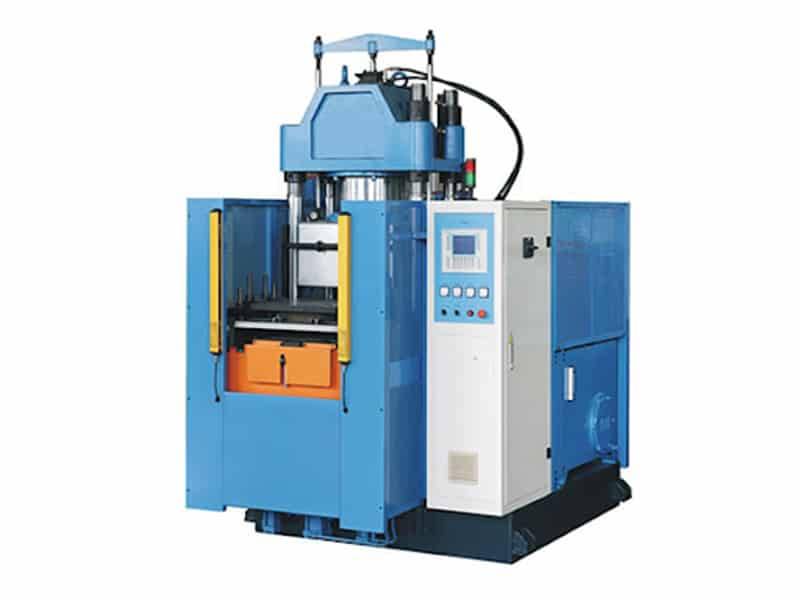
Step-by-Step Press Molding Process
1. Material Preparation
We prepare your chosen plastic material, pre-heat it to soften it, then precisely weigh the exact amount needed for your part to eliminate waste.
2. Mold Loading
The softened material is placed directly into the open, heated mold cavity — a key difference from injection molding’s closed-mold injection.
3. Press & Forming
The mold closes, and the hydraulic press applies 100-2000 psi pressure while maintaining 300-400°F heat, forcing material to fill every mold detail.
4. Curing/Cooling
Thermoset plastics cure under heat for permanent shape; thermoplastics cool to solidify, locking in precise dimensions within ±0.1mm.
5. Demolding & Finishing
We remove the finished part, trim excess flash, run final inspections, and prepare it for direct shipping to your facility.
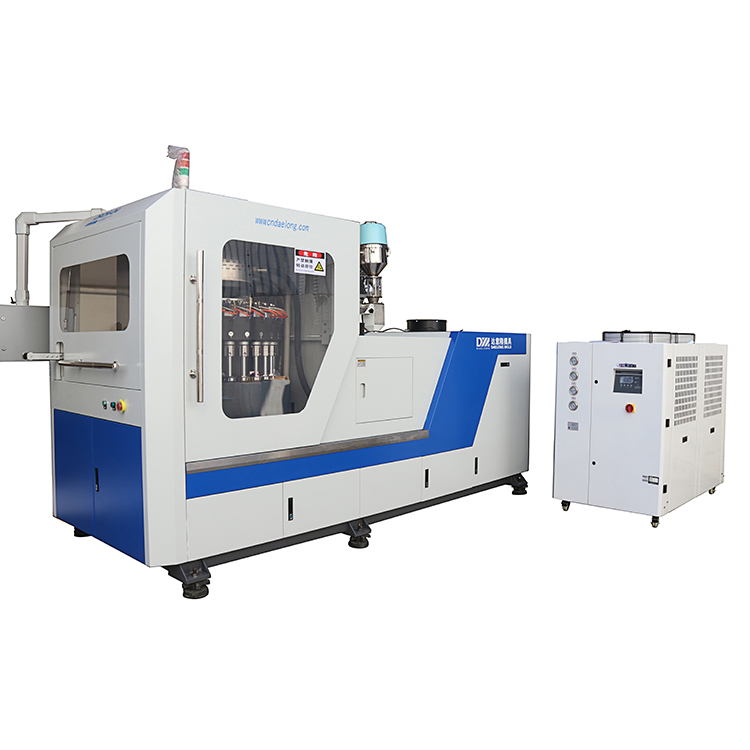
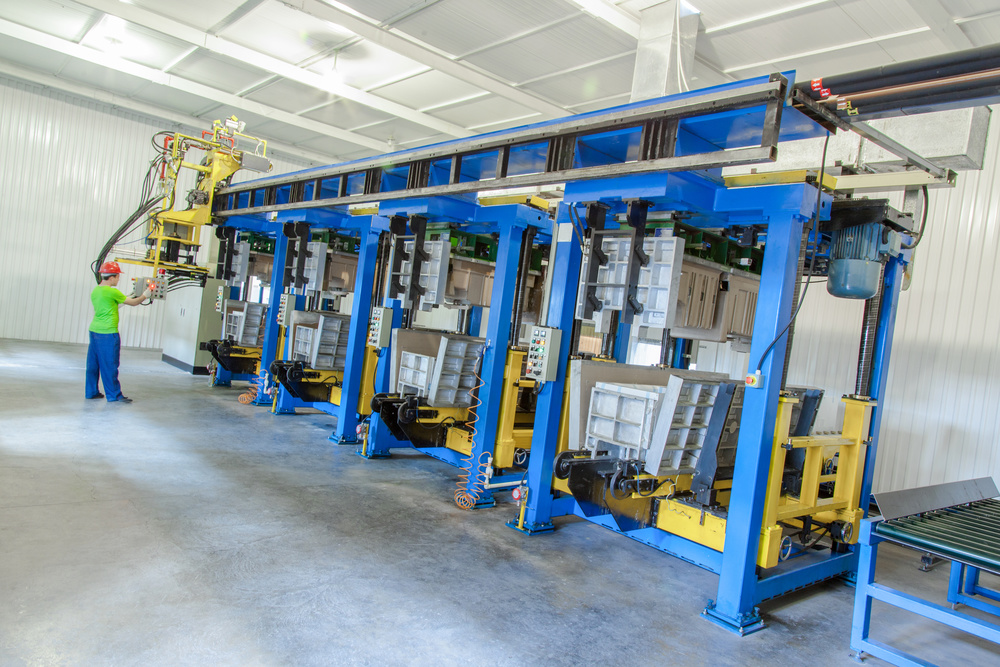
Our high-speed compression molding production line
Key Advantages of This Process
Lower Tooling Cost
Unlike injection molds with complex hot runners, press molds have a simple structure, cutting tooling costs by up to 50% for most projects.
Flexible MOQ
We support orders from 10 to 100,000 pieces, no 1000+ minimum like injection molding, perfect for prototyping or small runs.
Large Part Capability
Produce parts up to 48×48 inches, far larger than standard injection molding can handle cost-effectively for large panels.
Material Versatility
Works with thermoset, thermoplastic, and fiber-reinforced composites, adding 30% more strength for heavy-duty applications.
Press Molding vs Injection Molding
Choosing the right process is critical. Here’s a detailed comparison to help you pick the best fit for your project:
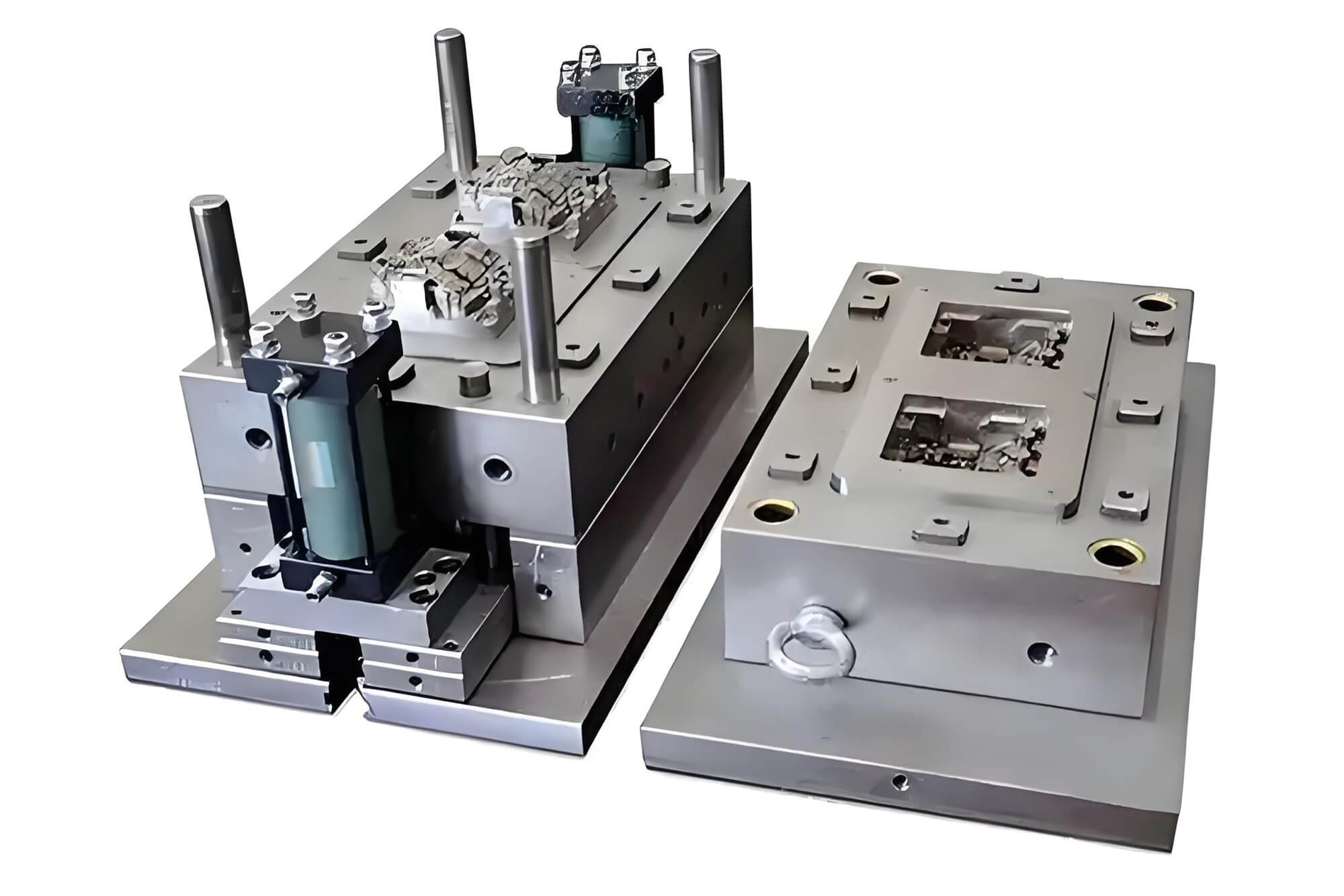
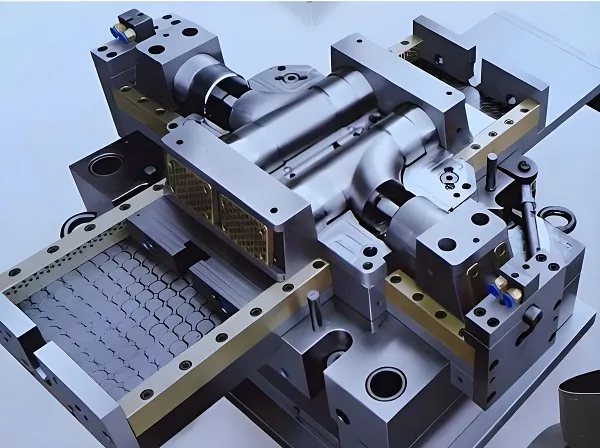
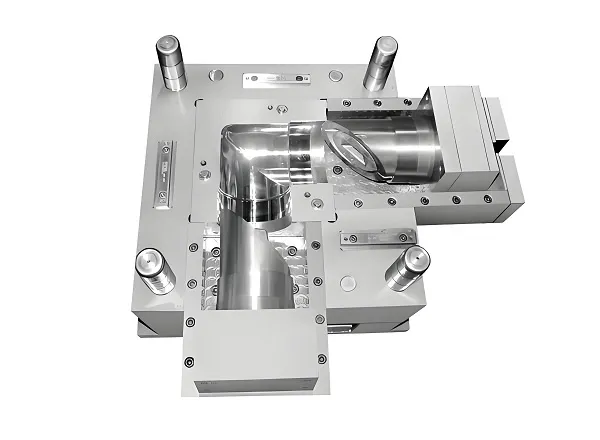
Custom precision mold for press molded parts
Materials Selection Guide
Choosing the right material is critical. We’ve broken down the technical specs to help you pick the best option for your performance needs:
ABS
Key specs: 20 kJ/m² impact strength, 1.05 g/cm³ density
Ideal for appliance housings, electronics enclosures, and automotive trim. Resists drops and daily wear without cracking.
PP (Polypropylene)
Key specs: 320°F melting point, acid/base resistant
Perfect for trays, containers, and industrial parts. Lightweight, low-cost, and withstands moderate heat and chemicals.
PC (Polycarbonate)
Key specs: 88% light transmittance, 200x impact strength of glass
Great for protective covers and lens parts. Nearly as clear as glass, but virtually unbreakable for high-impact applications.
PA (Nylon)
Key specs: 0.3 friction coefficient, self-lubricating
Used for gears and mechanical parts. Low friction reduces wear, extending equipment lifespan without extra lubrication.
Typical Custom Molded Products
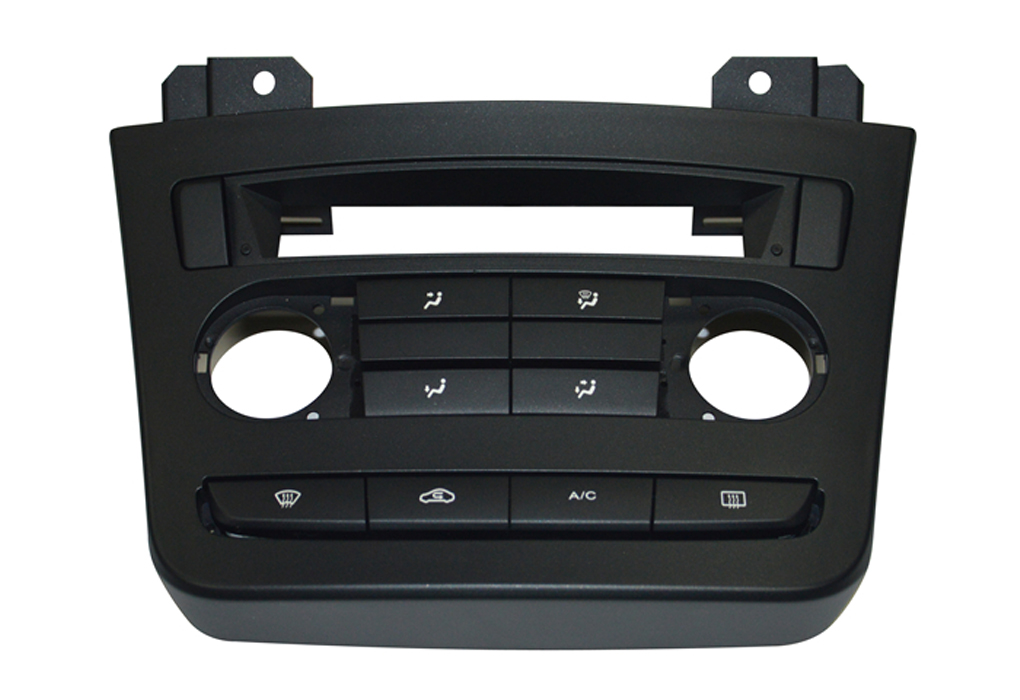
Our process can produce a wide range of custom parts. Common products we manufacture include:
- Automotive interior panels and dash trim parts
- Home appliance housings and structural shells
- Electrical insulation components and connector parts
- Protective equipment covers and industrial enclosures
- Material handling trays and storage containers
- Machine brackets and load-bearing structural parts
Our End-to-End Manufacturing Capabilities
We handle your entire project from design to delivery, so you don’t need to work with multiple vendors:
Mold Design & Manufacturing
Rapid Prototype Production
Compression Molding
CNC Secondary Machining
Painting & Surface Finishing
Full Part Assembly
Custom Branded Packaging
Door-to-Door Global Shipping
Quality Assurance Process
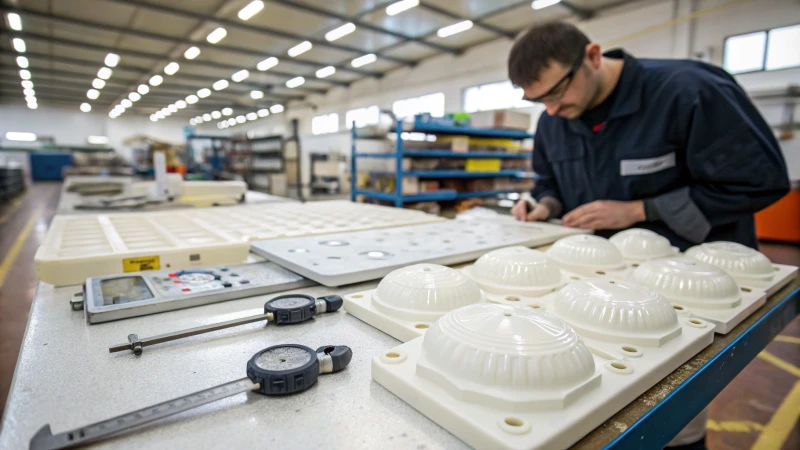
We ensure every part meets your exact specs with our 5-step quality control process:
- Incoming material testing to verify material properties and certifications
- First article inspection (FAI) to validate mold and part dimensions
- In-process CMM dimensional checks every 2 hours during production
- Final appearance and functional testing for 100% of parts
- Drop test packaging inspection to prevent shipping damage
Cost Factors in Press Molding
Understanding these factors helps you plan your budget accurately. Here’s what impacts your final project cost:
Mold Complexity
Simple flat part molds start at $800, while parts with custom textures or details can go up to $3,000.
Material Selection
Engineering plastics cost 20-50% more than standard materials, due to their enhanced performance properties.
Production Volume
Per-unit cost drops from ~$15 for 100 pieces to ~$2.5 for 10,000 pieces, as tooling costs are spread out.
Secondary Operations
Painting, pad printing, or assembly add small costs, but deliver fully finished parts ready for your production line.
Industries We Serve
Automotive
Interior trim, dash components, and structural panels that meet IATF 16949 automotive industry standards.
Electronics
Device housings, insulation components, and protective covers that meet RoHS and REACH requirements.
Home Appliance
Appliance outer shells, control panel parts, and trays that meet FDA food-safe standards where needed.
Industrial Equipment
Protective covers, machine brackets, and wear-resistant parts for heavy-duty industrial machinery.
Frequently Asked Questions
Is press molding suitable for low-volume production?
Absolutely. It’s far more cost-effective than injection molding for runs under 10,000 pieces, thanks to 50% lower tooling costs and faster setup.
What tolerance can you hold with this process?
We can hold a standard tolerance of ±0.1mm for most parts, with tighter tolerances available for high-precision applications upon request.
Can you work with my custom material?
Yes. We work with a wide range of custom and specialty materials, including customer-supplied materials for specific project requirements.
Do you offer prototype services?
Yes. We can produce 1-10 prototype parts in 3-5 days to test your design before full production, so you can validate fit and function.
What file formats do you accept for designs?
We accept STEP, IGES, STL, DWG, and PDF files. Our engineers can review your design for manufacturability for free.
Li Gong
Plastic Mold Engineer | 15+ Years Manufacturing Experience
Last Updated: May 18, 2026
Ready to Start Your Project?
Get a free, no-obligation quote and DFM review for your custom parts today.