
Custom Metal Stamping Services, Built to Your Drawing
We stamp small and medium metal parts to your drawing: brackets, clips, contacts, tabs, plates and shields. Each project starts with the part and the quantity. We review the route, the die, the material and the inspection plan before we quote.
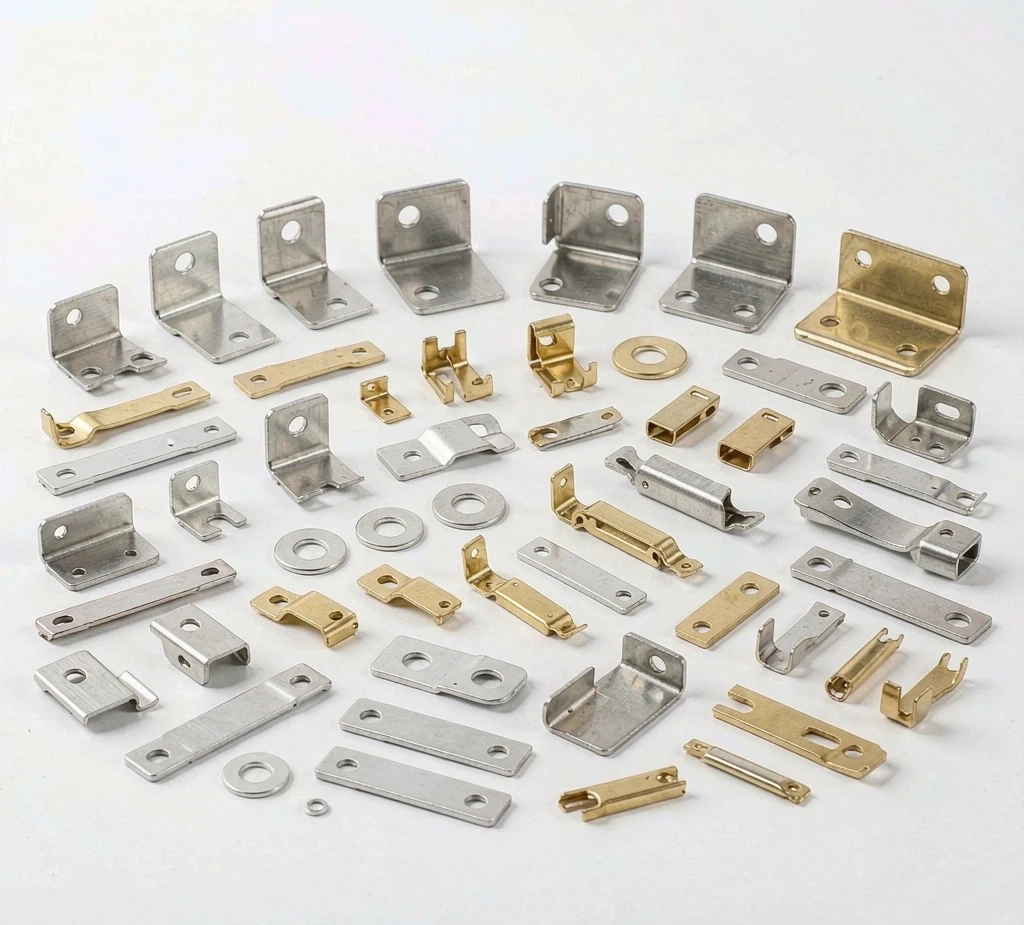
What does a custom metal stamping service actually do? It turns flat sheet metal into repeat parts with a press and a die. The die cuts, holes, bends or forms the sheet again and again, so each part fits the same way. A specialist reviews your drawing, suggests the stamping route, plans the die, agrees the material and thickness, and inspects the parts that matter. Goldcattle works from your drawing or sample. We do not publish a fixed press tonnage, a blanket tolerance or a single price for every part.
What stamping covers
Custom stamping is for parts that must be made again and again with the same shape. It works best when the drawing is stable and the volume justifies a die. We review the part before we suggest the route.
Stable, repeating parts
Parts with the same geometry across batches, where a die gives consistent fit and appearance.
Made to your print
We work from your 2D drawing, 3D model or approved sample, not from a stock catalogue.
Small to medium parts
Brackets, clips, contacts, plates and shields that fit in a press and a die.
Cut, hole, bend, form
One part can pass through several die stations before it is finished and inspected.
Scope boundary
- We do not make large welded frames or complete sheet metal assemblies under this service.
- We do not quote a fixed press tonnage or a blanket tolerance without seeing the part.
- We confirm material, thickness, die route and inspection plan before the price is released.
Stamping vs sheet metal fabrication
Buyers often use these two names for the same part. They are different routes. The right choice depends on quantity, part size and how long the part will be made.
Swipe the table to see all columns.
| Point | Metal stamping | Sheet metal fabrication |
|---|---|---|
| How it cuts | Die and press | Laser, punch or waterjet |
| Best quantity | Steady repeat volume | One-off and small batches |
| Tooling | Die cost up front | Little or no dedicated tooling |
| Part size | Small and medium parts | Large panels and enclosures |
| Change cost | Die change can cost more | Program change is easy |
| Unit cost at volume | Lower per part | Higher per part |
Parts we make
The list below shows the part families we usually review. It is not a stock list. Each part is made to the drawing you approve.
Brackets
L-brackets, angle brackets and mounting plates with holes and bends.
Clips & tabs
Spring clips, retaining tabs and snap features for assembly and service.
Contacts & terminals
Flat contacts, connectors and terminals where edge and thickness matter.
Plates & washers
Flat plates, spacers, shims and washers cut and finished to the drawing.
Shields & covers
Metal shields, covers and guards formed from sheet to protect other parts.
Formed features
Embosses, ribs, flanges and hemming that add stiffness without extra parts.
The stamping process, step by step
A stamped part can pass through several die stations. Each station does one job. We review the whole route so the stations work together.
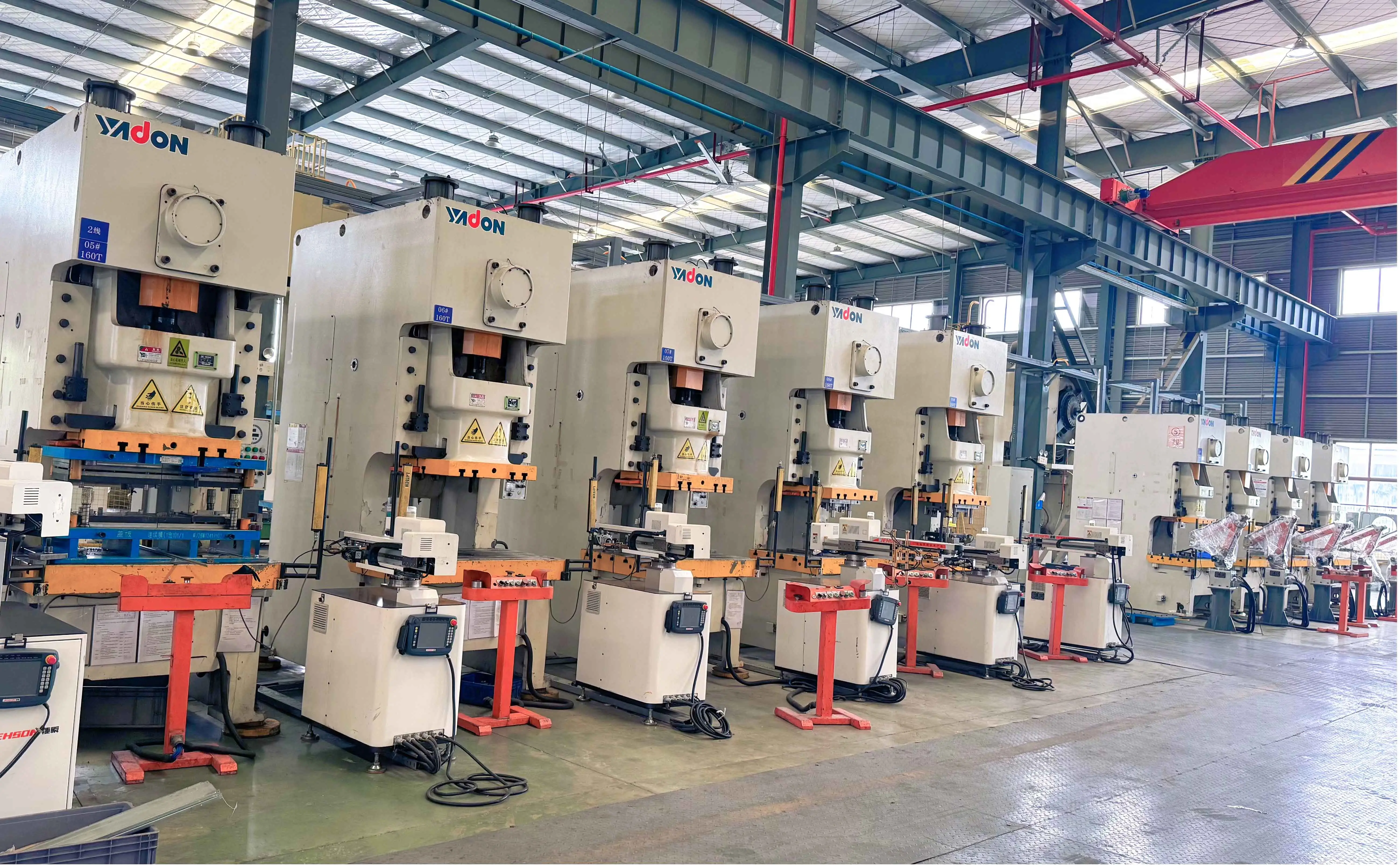
- Material preparation our scope
Confirm the grade, thickness and coil or sheet supply. - Cutting or blanking die step
Cut the flat shape from the sheet before forming. - Piercing die step
Punch holes, slots and features to the drawing. - Bending & forming die step
Form angles, flanges and shapes to the flat pattern. - Trimming die step
Remove extra material and finish the part outline. - Edge finishing by agreement
Deburr or tumble the edges the drawing calls out. - Inspection our scope
Check the features that matter against the drawing.
Materials and thickness
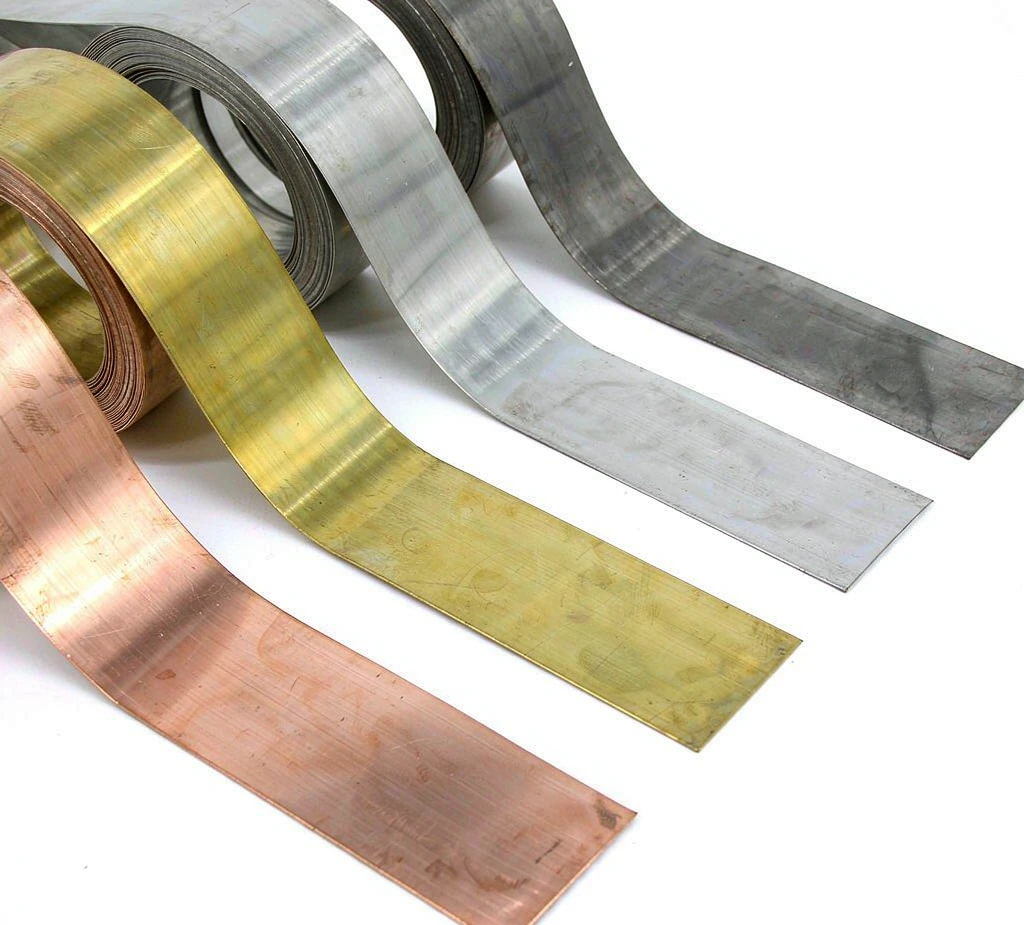
The material and the thickness affect the die, the press and the forming result. We confirm both with you before we plan the tool.
Swipe the table to see all columns.
| Material family | Why it is chosen | Points to review |
|---|---|---|
| Cold-rolled steel | Low cost, good formability | Protection after forming, edge condition |
| Galvanized steel | Corrosion resistance built in | Coating at cut edges, forming limits |
| Stainless steel | Corrosion resistance and strength | Springback, work hardening, surface finish |
| Aluminum | Low weight, good appearance | Forming limits, springback, marking |
| Copper / brass | Conductivity and appearance | Springback, cost, edge finish |
Tooling and dies
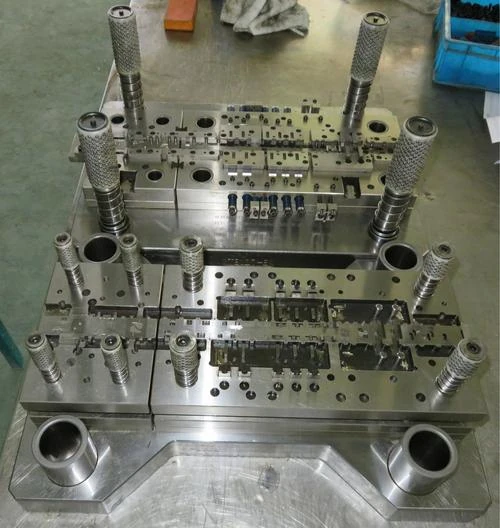
The die is the largest cost in many stamping projects. We agree the die type, owner and maintenance plan with you before work starts.
Swipe the table to see all columns.
| Die route | Best for | What we agree first |
|---|---|---|
| Simple / single-operation die | Small batches and simple parts | One step at a time, lower tool cost |
| Compound die | Flat parts with several features | Several cuts in one station |
| Progressive die | Steady repeat volume | Number of stations, strip layout, who owns the die |
| Forming / bending die | Parts with bends and forms | Bend radius, springback, datum plan |
- Strip layout — plan how the part sits in the strip to reduce waste.
- Punch and die clearance — set for the material and thickness.
- Burr direction — decide which side carries the burr and where it matters.
- Wear parts — agree which parts can be replaced and how.
- Maintenance — plan cleaning and checks for a long run.
- Ownership — state who owns the die and where it is stored.
Send your drawing and yearly quantity. We review the route, material, die and inspection plan before we quote, and raise any questions with you first.
Design for stamping
A short design review can prevent die changes later. We look at the part as it will be cut, formed and measured.
- Bend radius — keep it in line with the material and thickness.
- Hole size — relate hole diameter to sheet thickness.
- Edge distance — leave enough material near holes and bends.
- Flat pattern — confirm how the part unfolds before the die is cut.
- Springback — allow for material that springs back after forming.
- Burr direction — mark which edge must be clean for assembly.
- Datum plan — define how the part will be held and measured.
- Revision control — record every change after sample approval.
What if a tolerance is not realistic for a stamped part?
We review it feature by feature. We explain which features need tighter control and which ones drive die cost. Any change goes back to you for approval. We do not silently change the drawing.
Evidence discipline: no blanket stamping tolerance is published, and CNC tolerances are not used for stamped parts.
From sample to repeat production
Each stage has a clear output, so you know what is approved before we move on.
- Drawing and quantity review our scope
Confirm the part function, material, volume and quality needs. - DFM questions our scope
List bend, hole, edge and tolerance questions before the die. - Die planning by agreement
Agree die type, ownership and maintenance plan. - First samples our scope
Make early parts for fit and dimensional checks. - Sample approval your team
Approve the drawing revision, material and inspection result. - Repeat batches our scope
Follow the approved revision and the agreed inspection plan. - Change control both teams
Record material, die or drawing changes before the next batch.
Secondary operations
Some parts need work after stamping. We include a step only when the process and the inspection method are clear.
Deburring
Remove sharp edges from handling and assembly areas by an agreed method.
Plating & coating
Protect the part and meet the appearance you need, with the finish agreed first.
Welding & assembly
Add studs, nuts or joined features when the process and check are defined.
Marking
Apply marks only when artwork, position and durability needs are defined.
Edges, burrs and surface condition
On stamped parts, the edge often decides if the part is usable. We plan the edge work with the die, not after it.
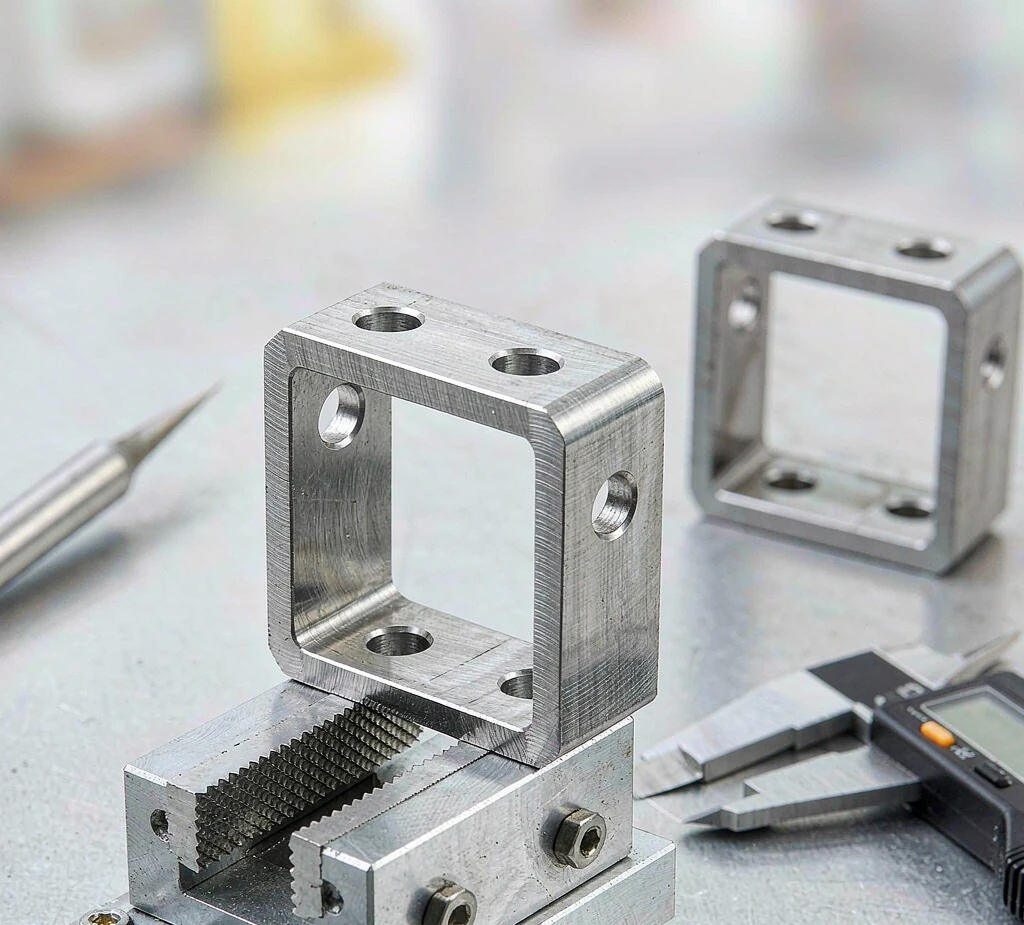
- Burr side — agree which face carries the burr and whether it matters.
- Cut edge — review the edge left by blanking and piercing.
- Formed edge — check flanges and bends for cracks or marks.
- Surface — protect the face from scratches during the run and in packing.
Quality and inspection
We plan checks around the features that matter to your part, not around a single number on a page.
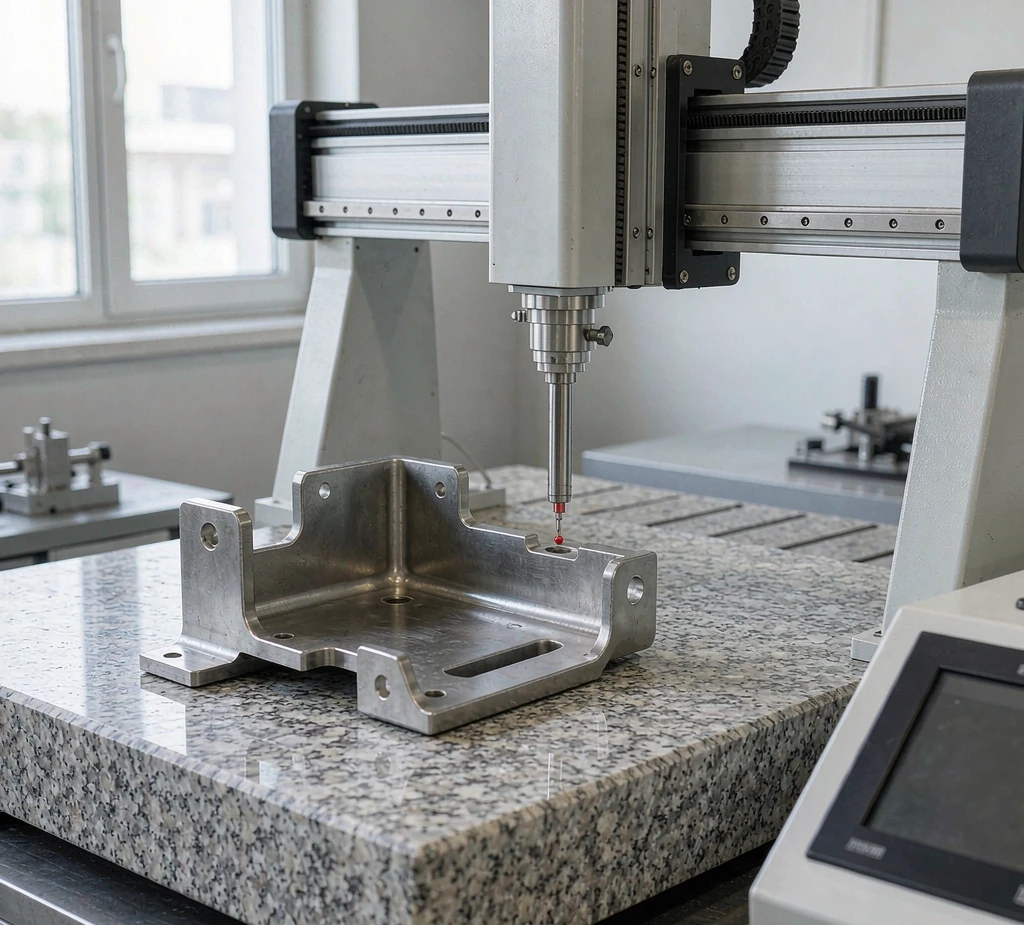
Swipe the table to see all columns.
| Check | Typical items | When it applies |
|---|---|---|
| Dimensional | Key sizes, hole position, flatness, bend angle | Per drawing and datum plan |
| Edge | Burr, sharp edge, cut and formed condition | Per agreed edge standard |
| Visual | Scratches, marks, surface finish | Agreed appearance sample |
| First article | Full dimensional report against the drawing | When agreed in advance |
| Documentation | Material grade, thickness, lot record | Per project requirement |
Where stamped parts are used
Buyers often search by the system they are building. We group work by where the part sits, which helps us ask the right questions.
Electrical & electronics
Contacts, terminals, shields and brackets where edge and thickness matter.
Automotive components
Brackets, clips and mounting parts. We confirm grade and validation needs per part.
Industrial equipment
Mounting plates, guards and formed parts for machines and tools.
Appliances & hardware
Flat parts, covers and small formed pieces for consumer and building products.
What a good RFQ should include
A complete package helps us quote the real work. If something is missing, we ask before we price.
Frequently asked questions
What is metal stamping?
Metal stamping shapes flat sheet metal into parts with a press and a die. The die cuts, holes, bends or forms the sheet in repeated strokes. It suits parts that must look and fit the same way in every batch. We work from your drawing or sample.
How is stamping different from sheet metal fabrication?
Sheet metal fabrication often uses laser cutting, bending and welding for one-off or large panels. Stamping uses a dedicated die and is usually chosen for repeat parts in steady volume. The die costs money up front, but each part can be made quickly and consistently. We review your quantity and part to suggest the right route.
What kinds of parts do you stamp?
We make small and medium stamped parts such as brackets, clips, contacts, tabs, washers, plates and shields. Work starts from your drawing. We do not list a fixed catalogue and we do not make large welded assemblies under this service.
Which materials and thicknesses can be stamped?
Common choices include cold-rolled steel, galvanized steel, stainless steel, aluminum, copper and brass. Thickness is reviewed for each part because it affects the die, the press and the forming result. We confirm the exact grade, thickness and supply with you before we quote. We do not publish one thickness range for every part.
Do you make the stamping die in house?
Die work is agreed per project. Goldcattle lists mold making as one of its six core processes, and we confirm the real tooling route, owner and maintenance plan for your part. We do not assume every die is built at our plant and we do not claim tool ownership you have paid for.
Can you help with design for stamping?
Yes. We review bend radius, hole size, edge distance, flat pattern, springback, burr direction and how the part will be measured. We send questions before the die is cut. We do not change your drawing without your approval, because changes after tooling can add cost.
What tolerance can stamping hold?
Stamped tolerances depend on material, thickness, part size, feature type and die condition. We review tolerances feature by feature and explain which ones need extra control. We do not quote one blanket tolerance for all parts and we do not use CNC machining tolerances for stamped parts.
Do you offer progressive dies, fineblanking or four-slide work?
These are real processes, but they are not right for every part. We confirm the process after we review the drawing, quantity and tolerance. We do not promise a progressive die, fineblanking or four-slide process for a part that does not need it.
What is the minimum order and lead time?
Prototype quantities can start small. Volume quantity is agreed per part after sample approval, because die work and material needs are different for every part. We do not publish one fixed minimum order or one fixed lead time for all stamping projects.
How do you control burrs and sharp edges?
We review burr direction in the die design and agree which edges must be free of burrs. Deburring or tumbling can be added when the method is clear. We inspect the edges that matter for assembly and handling. We do not promise a burr-free result on every edge without an agreed standard.
What inspection do you provide?
We can check key dimensions, hole position, flatness and edge condition against the drawing and datum plan. A first article report can be provided when agreed in advance. We do not claim 100% inspection or a fixed capability index for every part. Reports show what was actually measured.
What should I send for a quote?
Send a 2D drawing with critical dimensions and tolerances, a 3D model if available, material grade and thickness, yearly volume and any surface or quality requirements. Mark the drawing revision clearly. If the drawing is old or incomplete, send a sample and we will list the questions before we quote.
Have a metal part to stamp?
Send your 2D drawing, material, thickness and quantity. Include critical dimensions, assembly notes and any finish or quality needs. We review the route, die, material and inspection plan before we quote. STEP · STP · IGES · DWG · DXF · PDF. NDA on request.
Xiamen Goldcattle Plastic & Metal Products Co., Ltd. · Founded in 1998 · manufacturing to your drawings and samples.