Precision CNC Machining Manufacturer for OEM Industrial Components
From Single Prototypes to High-Volume Production — Engineered in Xiamen, Shipped Globally
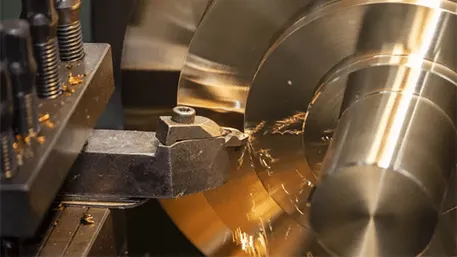
Goldcattle manufactures high-precision CNC machined parts for aerospace, medical, automotive, robotics, and industrial OEMs. In-house 5-axis milling, multi-axis turning, CMM inspection, and a complete quality system — all under ISO 9001 control.
3/4/5-Axis Machining
Complex contours, deep cavities, compound angles in single setups
Tight Tolerance
±0.01mm standard, ±0.005mm precision with full reports
Wide Material Range
Metals, alloys, engineering plastics & more
Scalable Production
1pc prototype to 100,000+ units, 3-15 day lead times
Full Quality Assurance
CMM inspection, traceability, PPAP support available
Technical Manufacturing Capabilities
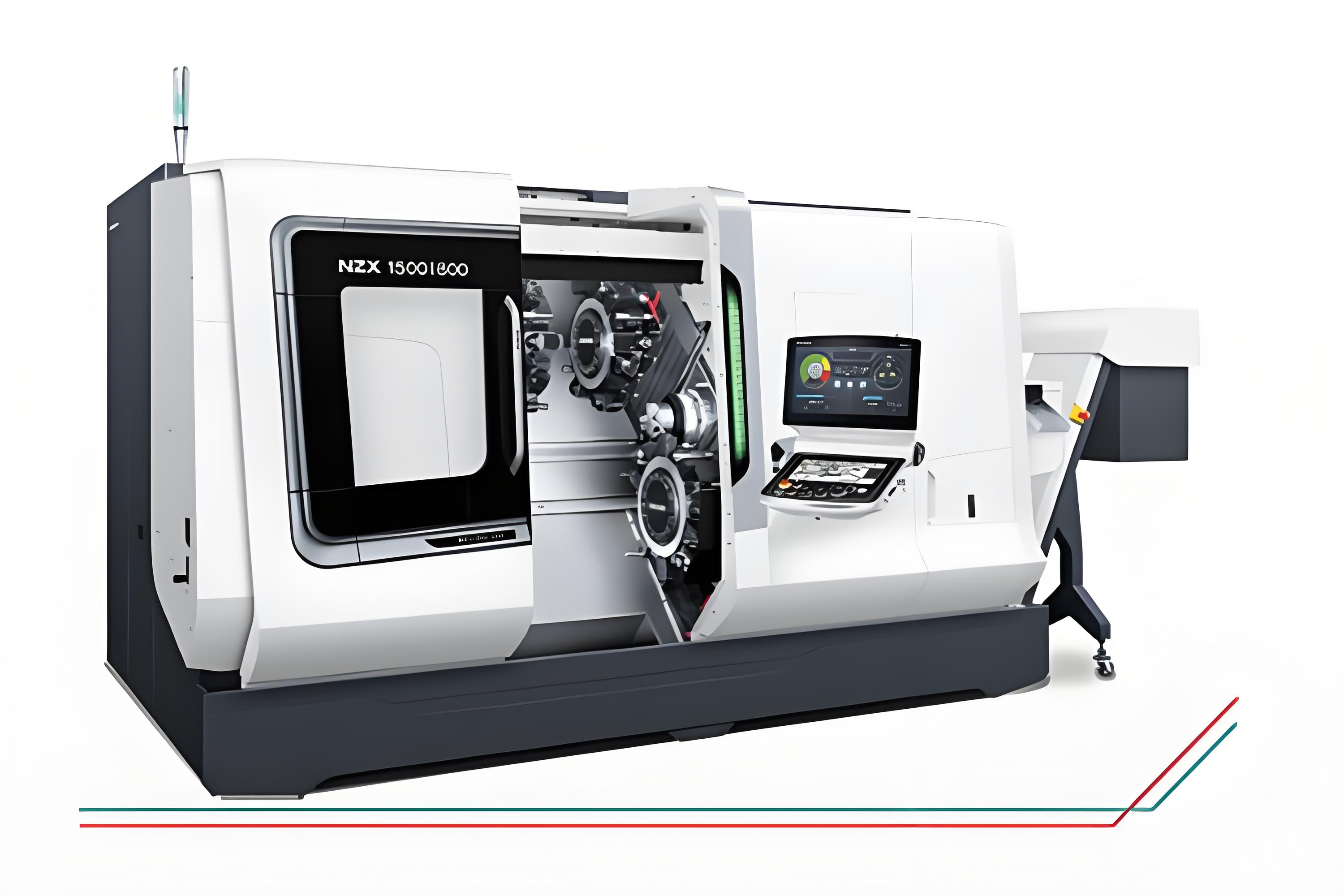
The following engineering parameters are the core basis for buyers to evaluate supplier professionalism, based on Goldcattle’s existing equipment and process capabilities.
| Capability | Specification |
|---|---|
| CNC Milling | Up to 5-axis simultaneous machining |
| CNC Turning | Multi-axis with live tooling |
| Maximum Part Size (Milling) | 1200 × 800 × 500 mm |
| Maximum Turning Diameter | 400 mm |
| Standard Machining Tolerance | ±0.01 mm |
| Precision Tolerance (feature-dependent) | ±0.005 mm |
| Minimum Feature Size | 0.2 mm |
| Surface Roughness (Ra) | Standard Ra 0.8 µm; precision Ra 0.4 µm achievable |
| Minimum Wall Thickness (Metals) | 0.5 mm (aluminum), 0.8 mm (stainless steel) |
| Inspection Equipment | CMM, 2D optical comparator, height gauge, surface roughness tester, thread gauges, hardness tester |
| Quality Management | ISO 9001:2015 certified production environment |
| Batch Size | 1 pc prototype to 1,000,000+ mass production |
| Lead Time (Prototype) | 3–7 working days |
| Lead Time (Production) | 7–15 working days (volume-dependent) |
| File Formats | STEP (.stp), IGES (.igs), SolidWorks, Parasolid (.x_t), DWG, PDF, STL |
Key Procurement Note: The above capability data is derived from existing equipment configuration and daily production data. For projects requiring PPAP, FAI (First Article Inspection), or special process certifications, we recommend clarifying documentation requirements during the inquiry stage.
Material Capability — Metals & Engineering Plastics
Goldcattle’s CNC machining capabilities cover a wide range of materials from general metals to high-performance engineering plastics. Below are the main processed materials and their typical applications:
Metals
| Material | Key Characteristics | Typical Parts |
|---|---|---|
| Aluminum 6061-T6 | Excellent machinability, good strength-to-weight ratio, corrosion resistant | Electronic housings, automotive brackets, industrial fixtures |
| Aluminum 7075-T6 | Very high strength, lightweight | Aerospace structural components, drone frames, high-stress brackets |
| Stainless Steel 303 | Free-cutting austenitic grade, good corrosion resistance | Fittings, shafts, fasteners |
| Stainless Steel 304/316 | Superior corrosion resistance, good toughness | Medical device components, food processing parts, marine fittings |
| Titanium Ti-6Al-4V (Grade 5) | Highest strength-to-weight ratio, biocompatible | Orthopedic implants, aerospace fasteners, high-performance automotive parts |
| Brass | Excellent electrical conductivity, free-machining | Electrical connectors, pneumatic fittings, sensor housings |
| Copper | Superior thermal and electrical conductivity | Heat sinks, EDM electrodes, electrical busbars |
Engineering Plastics
| Material | Key Characteristics | Typical Parts |
|---|---|---|
| PEEK | Exceptional chemical resistance, steam sterilizable, continuous service to 250°C | Medical instrument components, semiconductor parts, oil & gas seals |
| Delrin (POM) | High stiffness, low friction, excellent dimensional stability | Gears, bearings, snap-fit assemblies, conveyor components |
| Nylon (PA6/PA66) | Good strength, wear resistance, good fatigue performance | Structural spacers, wear pads, cable management parts |
| PTFE (Teflon) | Extremely low friction, excellent chemical resistance, wide temperature range | Seals, gaskets, chemical processing components |
| ABS | Good impact resistance, dimensional stability, cost-effective | Prototype housings, functional mockups, mounting brackets |
| Polycarbonate (PC) | Extreme impact resistance, optical clarity | Transparent covers, sight glasses, medical device housings |
All metal materials can be provided with material certification and heat number traceability. Engineering plastic processing requires specific tooling strategies and cooling solutions, which we uniformly consider during the process planning stage.
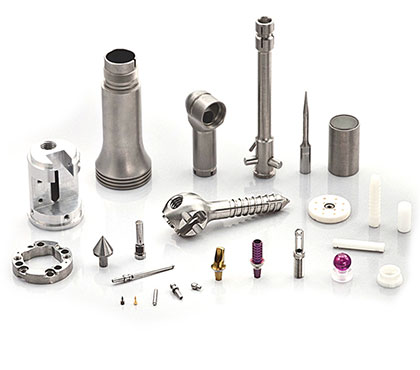
Industries Served — Precision Parts by Application
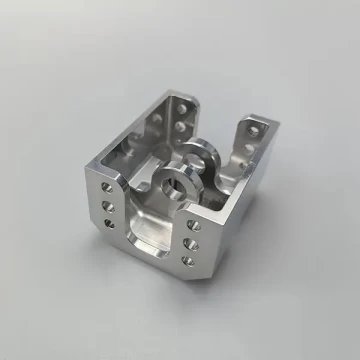
Different industries have different tolerance levels, documentation requirements, and process control needs for CNC machined parts. Goldcattle’s production system has been structurally adapted for the following industries:
| Industry | Typical Parts | Requirements We Fulfill |
|---|---|---|
| Aerospace & Defense | Structural brackets, avionics housings, actuator components | AS9100-aligned processes, ±0.005mm tolerances, FAI documentation, full traceability |
| Medical & Surgical | Orthopedic cutting guides, instrument handles, endoscope components | Biocompatible materials, surface finish Ra ≤0.4µm, cleanroom-ready packaging, validated passivation |
| Automotive & EV | Engine components, sensor housings, battery enclosure parts, transmission parts | PPAP Level 3 documentation, high-volume production, serial traceability, functional coating integration |
| Robotics & Automation | End-of-arm tooling, precision gears, sensor brackets, motion system components | Wear-resistant materials, tight-tolerance gear profiles, balanced rotating parts, hard anodizing for wear surfaces |
| Industrial Equipment | Valve bodies, pump components, precision shafts, conveyor components | Chemical-resistant materials, high cycle life, tight geometric tolerancing (GD&T) |
| Consumer Electronics | Device enclosures, heat sinks, RF housings, connector bodies | Cosmetic surface finishes, tight flatness requirements for PCB fitment, rapid prototyping |
Our engineering team identifies the part’s industry at project initiation to determine applicable tolerance standards, documentation packages, and process control plans.
Quality Assurance & Inspection Systems
Quality system is the core element for European and American buyers to evaluate supply chain risks. Goldcattle’s quality control process runs through the entire process from material incoming to final shipment:
Inspection Process
- Incoming Material Inspection — Verify material certificates, heat numbers, and perform spectral analysis to confirm material quality when necessary
- In-Process Inspection — First article inspection + patrol inspection, key dimensions are continuously monitored during processing
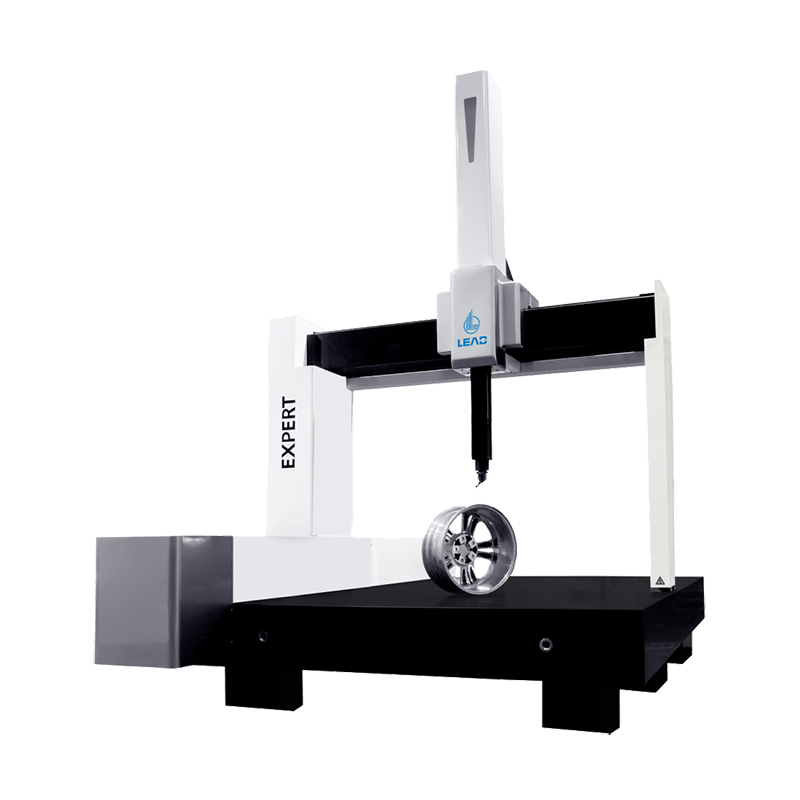
- CMM Dimensional Verification — Random sampling per batch (or 100% inspection as per customer requirements) for full coordinate measurement
- Surface Roughness & Hardness Testing — Surface roughness tester and hardness tester to verify functional surface performance
- Final Inspection & Documentation — Full inspection or AQL sampling before shipment, issue complete inspection reports
- Full Traceability — Complete traceability chain from raw material heat number to final parts
Quality Documentation Available
- CMM dimensional inspection report (standard delivery)
- Material certification / heat number certificate
- FAI (First Article Inspection) report, as per AS9102 format
- PPAP Level 3 documentation package (automotive industry)
- Process capability study (Cpk/Ppk)
- RoHS / REACH compliance statement
Certifications
ISO 9001:2015 — Certified quality management system. Supplier audits and customer on-site audits are all welcome.
Our CNC Machining Workflow
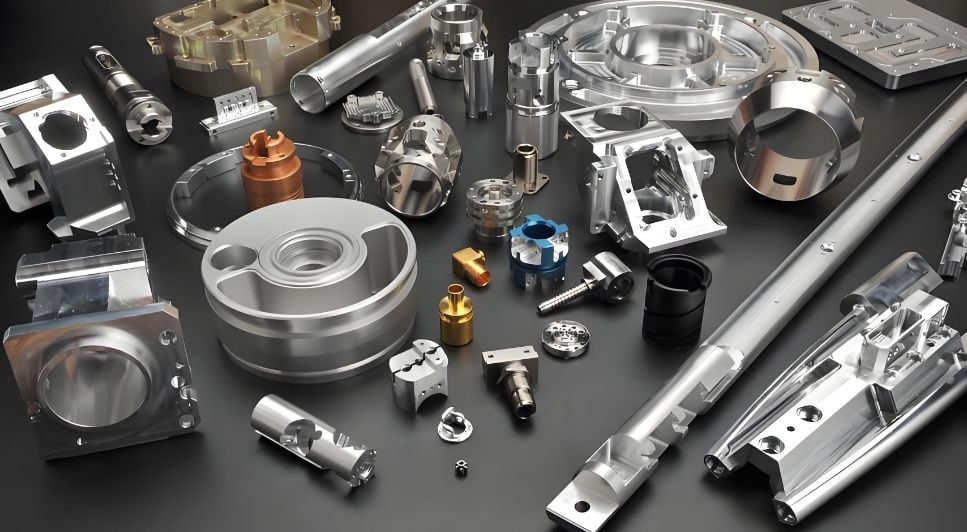
From engineering drawings to finished parts, Goldcattle adopts a standardized process flow to ensure consistency and traceability for every batch:
| Step | Process | Description |
|---|---|---|
| 1 | CAD File Review | Receive STEP/IGES files, engineering team conducts initial manufacturability assessment |
| 2 | DFM Feedback | Provide design optimization suggestions for tolerance, tool accessibility and cost reduction |
| 3 | Toolpath Programming | CAM programming, optimize cutting strategy, feed rate and tool path to balance efficiency and precision |
| 4 | Fixture & Tooling Setup | Custom fixture design and manufacturing (if needed), tool selection and pre-adjustment |
| 5 | CNC Machining | 3/4/5-axis machining, process parameters are strictly monitored |
| 6 | Deburring & Finishing | Vibratory deburring, manual finishing, anodizing/passivation/plating as required |
| 7 | CMM Inspection | Full dimensional inspection, generate inspection report |
| 8 | Packaging & Shipping | Protective packaging based on part features, complete shipping documents, global delivery |
Process transparency is the cornerstone of supply chain trust. Customers can request status updates and inspection data at any node.
3-Axis vs 5-Axis CNC Machining — When to Choose Which
Buyers often face the decision of axis selection when evaluating part processing solutions. The following table provides a technical comparison:
| Criterion | 3-Axis CNC Machining | 5-Axis CNC Machining |
|---|---|---|
| Geometry Complexity | Prismatic parts, 2.5D features, planar surfaces | Complex sculpted surfaces, compound angles, deep cavities |
| Number of Setups | Multiple setups often required for multi-sided parts | Single setup for up to 5 faces, reducing handling time and alignment errors |
| Tolerance Stack-Up | Cumulative setup errors increase with more operations | Minimized setup changes reduce tolerance accumulation |
| Surface Finish on Contours | Stepped tool paths may require post-processing | Simultaneous 5-axis motion produces smoother contour finishes |
| Tool Reach | Limited to vertical/angled approach within 3 axes | 5-axis enables shorter tool overhangs in deep cavities, reducing chatter |
| Production Efficiency | Slower for complex parts requiring multiple setups | Faster overall cycle for complex geometries |
| Cost | Lower machine hour rate, simpler fixturing | Higher machine hour rate, offset by reduced setups and shorter lead time |
| Best For | Simple brackets, flat plates, basic housings, prototypes | Impellers, turbine blades, orthopedic implants, complex aerospace parts |
Selection Recommendation: If the part features span more than 3 machining surfaces, or include compound angle cavities, 5-axis machining usually delivers better tolerance consistency and shorter delivery cycles. Our engineering team will recommend the most economical processing strategy during the DFM stage.
DFM (Design for Machining) Optimization Guidelines
Optimizing part design can significantly reduce CNC machining costs, shorten lead times, and improve quality. Below are the DFM recommendations accumulated by Goldcattle’s engineering team:
</
| Design Feature | Recommendation | Rationale |
|---|---|---|
| Internal Corner Radii | R ≥ ⅓ × cavity depth; minimum R0.5 mm | Allows standard end mill processing, avoids additional cost of EDM for root cleaning |
| Wall Thickness (Metals) | Minimum 0.5 mm (aluminum), 0.8 mm (stainless steel) | Thinner walls are prone to machining vibration and deformation |
| Hole Depth | Depth/diameter ratio ≤ 10:1 | Deep hole drilling increases the risk of drill deflection and breakage |
| Tolerance Assignment | Only mark precision tolerances at functional interfaces | Over-labeling precision tolerances doubles inspection time and processing cost |
| Thread Design | Blind hole thread depth ≤ 2.5× diameter | Thread strength beyond this depth is limited, but processing cost increases significantly |
| Undercuts | Adopt standard dovetail or T-slot dimensions | Non-standard tools increase cost and delivery time |
| Edge Breaks | Clearly mark chamfer 0.1–0.5 mm × 45° or fillet R0.1–0.3 mm | Eliminate burrs, improve safety, avoid drawing ambiguity |
Submit your STEP or IGES file to get free DFM feedback. Our engineering team will mark potential processing issues and provide modification suggestions to reduce costs without sacrificing functionality.
Case Study — Lightweight Aerospace Structural Bracket
Project Background: A European aerospace supplier needed a lightweight aluminum bracket for satellite structures. Key requirements: extreme weight reduction (over 40% weight loss), ±0.01 mm assembly tolerance, and complete material traceability documentation.
| Industry | Aerospace |
| Material | Aluminum 7075-T6 |
| Machining Process | 5-axis CNC milling (single setup) |
| Key Tolerance | ±0.01 mm on mating interfaces |
| Surface Finish | Ra 0.8 µm, hardcoat anodize (Type III) |
| Challenge | Achieving thin-wall geometry (0.8 mm web sections) without distortion |
| Solution Applied | Stress-relieved blank, vacuum fixturing, staged roughing/finishing, reduced radial engagement toolpaths |
| Inspection | CMM full dimensional report, material cert, anodizing cert, FAI per AS9102 |
| Production Volume | Initial batch: 150 units; follow-on: 600 units |
| Lead Time | 18 working days from drawing approval to first article delivery |
Result: All 150 first articles passed inspection with zero rejections. The customer has included this part in a long-term supply agreement. This case demonstrates Goldcattle’s engineering capabilities and quality system for aerospace-grade thin-walled structural parts.
Buyer’s Guide — How to Select a CNC Machining Partner
Choosing a CNC machining partner is a key decision that affects product quality, delivery reliability, and long-term supply chain costs. Below are the key dimensions B2B buyers should focus on when evaluating suppliers:
- Tolerance & Precision Capability — Can the supplier stably meet the tolerances marked on the part drawing? Ask for actual production data rather than theoretical values.
- Material Expertise — Does the supplier have mass processing experience with your target materials (e.g. 7075-T6, 316L, PEEK)? Cutting strategies vary greatly for different materials.
- Inspection & Quality Systems — Do they have CMM inspection and provide inspection reports with the goods? Do they hold ISO 9001 or higher certification?
- DFM Engineering Support — Can the supplier provide design for manufacturability feedback during the quoting stage, or do they just process according to the drawing?
- Production Scalability — Can they seamlessly support the transition from prototype (1–10 pcs) to mass production (10,000+ pcs) without sacrificing quality consistency?
- Lead Time Reliability — What is the supplier’s historical on-time delivery rate? Do they have emergency capacity?
- Communication Responsiveness — Is the inquiry response speed within 24 hours? Is there a dedicated engineering contact during the project?
- Industry Experience — Does the supplier have experience in your industry (aerospace, medical, automotive, etc.) and understand the special requirements of the industry?
Frequently Asked Questions (FAQs)
What CNC machining tolerances can Goldcattle hold?
Standard machining tolerance is ±0.01 mm. Depending on part geometry and material, critical features can reach ±0.005 mm. All production batches are provided with CMM inspection reports.
Do you do 5-axis CNC machining?
Yes. We have 5-axis simultaneous machining centers, which can complete complex curved surfaces, compound angles and deep cavity processing in a single clamping, reducing turnaround time and improving position accuracy.
What materials do you machine?
We process aluminum (6061/7075), stainless steel (303/304/316), titanium alloy (Ti-6Al-4V), brass, copper, as well as engineering plastics (PEEK, Delrin, Nylon, PTFE, ABS, PC). See the material capability table above for details.
Can you provide material certifications?
Yes. Material certification (mill test report) is a standard delivery for production orders. All materials remain fully traceable throughout the production process.
Do you support low-volume CNC production?
Yes. We support prototype processing (starting from 1 piece), small batch production (10–500 pieces) and mass production (10,000+ pieces). There is no minimum order quantity limit.
How long does a quote take?
We provide detailed quotes within 24 hours after receiving 3D files and requirements (usually reply the same day).
What inspection reports do you provide?
Each shipment is standardly accompanied by a CMM full-size inspection report. Material certificates, FAI reports (AS9102 format), PPAP documents and process capability studies can be provided as required.
Can you machine engineering plastics?
Absolutely. We process engineering plastics such as PEEK, Delrin (POM), Nylon, PTFE, ABS and polycarbonate, using specialized cooling strategies and tools.
What industries do you serve?
We mainly serve aerospace, medical devices, automotive and electric vehicles, robotics and automation, industrial equipment and consumer electronics industries. Each industry has unique tolerance and documentation requirements, and we adapt our processes accordingly.
Do you provide DFM (Design for Manufacturing) feedback?
Yes. Our engineering team provides free DFM analysis after receiving CAD files, identifies potential processing issues and suggests cost reduction optimization solutions.
Can you handle complex geometries with tight tolerances?
Yes. Using 5-axis processing, we can handle complex contours, compound angles and deep cavities while maintaining precision tolerances. Our fixture design and tool path strategies are specifically optimized for difficult-to-process features.
Can you sign NDAs (Non-Disclosure Agreements)?
Yes. We regularly sign NDAs to protect customers’ intellectual property and design documents. NDAs can be signed before any technical discussion starts.
How do you manage international shipping and logistics?
We ship globally via DHL, FedEx, UPS (for prototypes and small batches) and sea freight (for mass production). All goods are accompanied by compliance documents. We offer trade terms such as EXW, FOB, CIF, DAP, etc.
Do you offer surface finishing services?
Yes. We provide in-house anodizing (Type II/III), passivation, electropolishing, zinc/nickel plating, powder coating, sandblasting and chemical film treatment.
What is your typical lead time for CNC machined parts?
Prototype: 3–7 working days. Mass production parts: 7–15 working days (volume dependent). Emergency orders can be negotiated for expedited service.
How do you ensure quality consistency across production batches?
We use Statistical Process Control (SPC) to monitor key dimensions, develop standardized process parameter files for each set of molds/part numbers, and perform CMM inspection for each batch. Process capability studies (Cpk) can be provided as required.
What file formats do you accept for quoting?
STEP (.stp) and IGES (.igs) are the preferred formats. We also accept SolidWorks, Parasolid (.x_t), DWG, PDF and STL. For concept phase projects, sketches and reference pictures can be used to initiate DFM discussions.
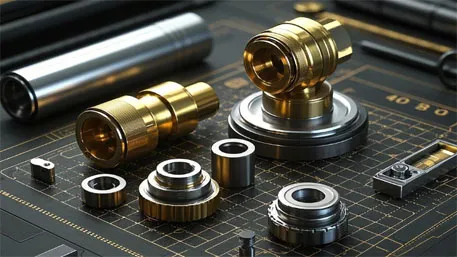
Start Your Precision Machining Project
Ready to discuss your CNC machining project?
Please send the following information to [charlie@plasticmetalparts.com] or use our secure inquiry system:
- ✓ 3D CAD File — STEP or IGES preferred; PDF drawings with key dimensions are also acceptable
- ✓ Material Requirements — Or describe the application scenario, we will recommend the best material
- ✓ Quantity Required — Prototype / Small batch / Mass production
- ✓ Surface Finishing Requirements — Functional or cosmetic specifications
- ✓ Critical Tolerances & Functional Features — Mark the functional interfaces
- ✓ Application Scenario / Industry — Help us apply the appropriate industry standards
Process after inquiry:
- 24-hour confirmation of receipt and start of engineering review
- DFM feedback — Provide manufacturability analysis and optimization suggestions
- Transparent quote — Including tooling (if needed), unit price and delivery cycle
- First article sampling and inspection report — For your evaluation
- Mass production delivery — With complete quality documents, global shipping
No CAD file? Send concept sketches or reference pictures, our engineering team can help build 3D models and provide quotes.
We promise to reply to all inquiries within one working day.
.png)