How to Choose a Precision CNC Machining Supplier: Procurement and Quality Guide
Many CNC machining suppliers can quote your project. Far fewer can consistently hold tolerance, document inspection data, and deliver production batches on time. For engineers and procurement teams, supplier selection is ultimately a risk management decision—not simply a price comparison.
✅ Tolerance consistency
✅ Quality control system
✅ DFM engineering support
✅ Full traceability
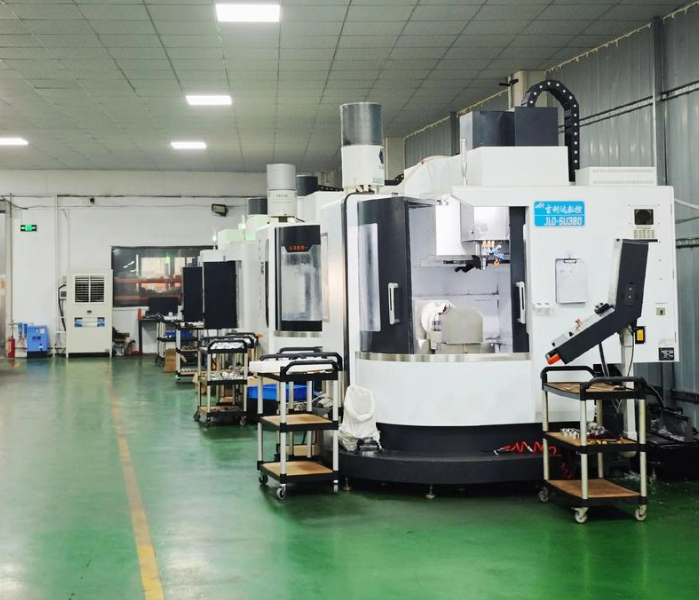
Why Supplier Selection Matters in Precision CNC Machining
Choosing the wrong supplier can lead to costly problems that far outweigh any initial price savings. Here are the most common risks procurement teams face:
Tolerance Inconsistency
A supplier may hit tight tolerances on prototypes but fail to maintain them in production batches, causing assembly failures and scrap.
Hidden Outsourcing
Some suppliers outsource your project to third parties without telling you, losing control over quality and communication.
Delivery Delays
Production delays can stop your assembly line, costing thousands of dollars per day in downtime and missed deadlines.
Material Mismatch
Unreliable suppliers may substitute cheaper materials, causing your parts to fail performance or compliance tests.
Key Criteria for Evaluating a CNC Supplier
To reduce these risks, you need a structured evaluation framework. Here are the core criteria you should assess, and why they matter:
Can a Supplier Really Hold Tight Tolerances?
Many suppliers claim they can hold ±0.005mm tolerances. But in reality, tight tolerance machining depends on far more than just the machine’s accuracy. Here’s what really matters:
- Thermal Stability: The factory environment and machine temperature control are critical. Even small temperature changes can cause material expansion that affects micron-level tolerances.
- Tooling Condition: High-quality, sharp tools are required to maintain consistent cutting forces. Worn tools cause deflection and dimensional drift.
- Fixturing Design: Custom fixtures prevent workpiece deflection during cutting, especially for thin-walled or large parts.
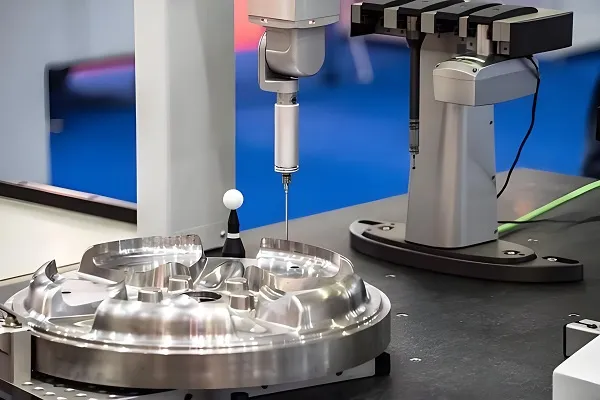
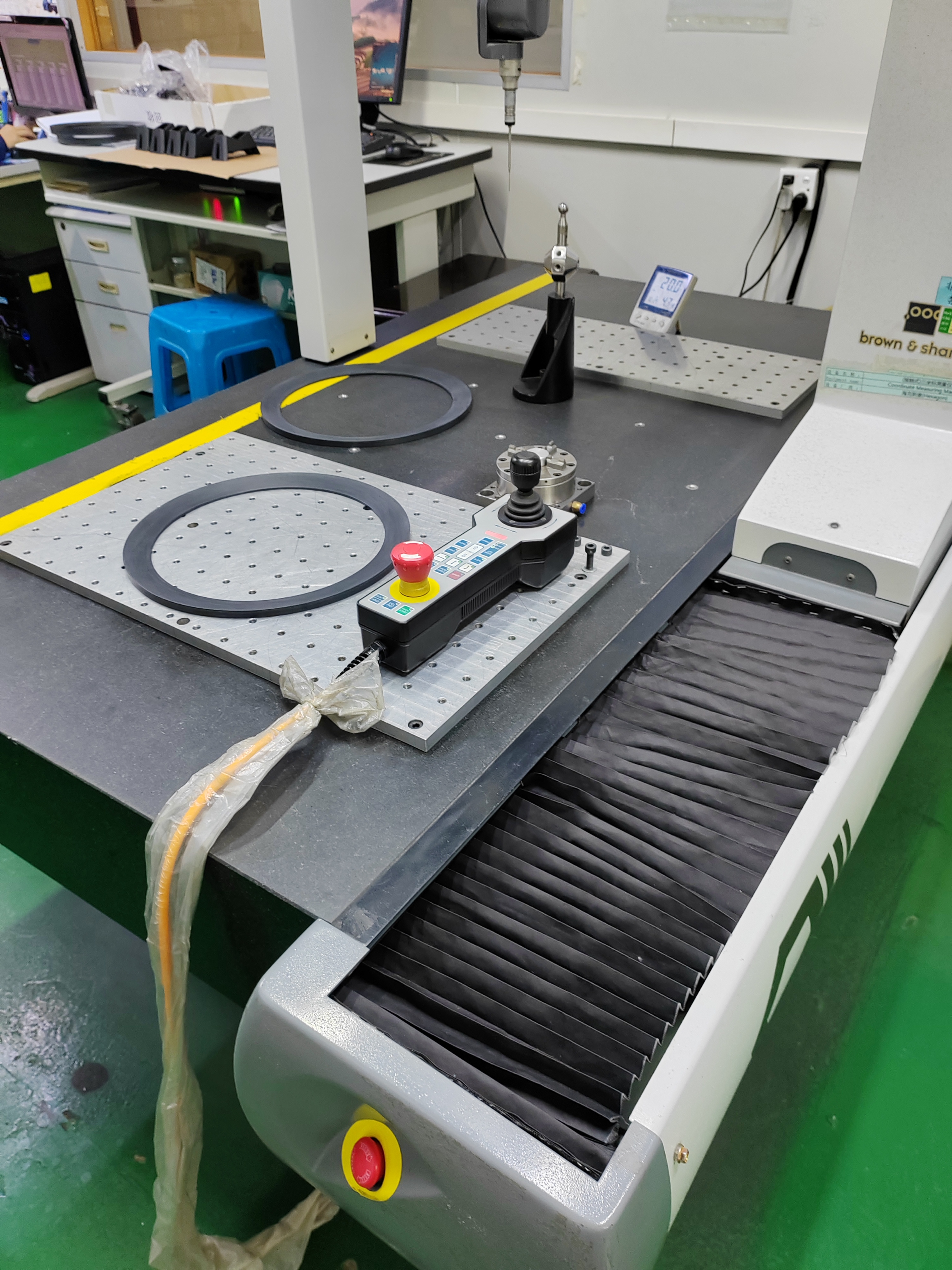
- Inspection Discipline: Regular in-process and final inspection using calibrated CMM equipment verifies that tolerances are actually being held.
In-House Manufacturing vs Outsourcing
One of the biggest hidden risks is outsourcing. Many suppliers claim to do everything in-house, but actually pass your work to subcontractors. Here’s why full in-house manufacturing matters:
Questions Buyers Should Ask Before Choosing a CNC Supplier
Use this checklist to quickly evaluate potential suppliers. These questions will help you identify red flags early:
✅ Can you provide sample CMM inspection reports from similar projects?
✅ Do you handle all manufacturing processes in-house, or do you outsource?
✅ What tolerance can you consistently repeat across production batches?
✅ What is your batch QC system for production runs?
✅ Can you provide DFM feedback on my design before production?
✅ Do you provide material test reports and traceability documentation?
Engineering Case Study
Here’s how we helped a European automotive client solve their supplier problem:
Challenge
The client had a critical automotive hub part requiring ±0.005mm tolerance. Their previous supplier could not maintain consistent tolerance across 500,000-unit batches, causing 15% scrap rate and production delays.
Solution
We redesigned the custom fixturing to eliminate workpiece deflection, implemented SPC (Statistical Process Control) for in-process monitoring, and used our in-house CMM for 100% inspection of critical features.
Result
We reduced the client’s scrap rate from 15% to less than 0.2%, maintained 99.8% on-time delivery, and helped them cut their total supply chain costs by 20%.
Goldcattle’s Precision CNC Capability Snapshot
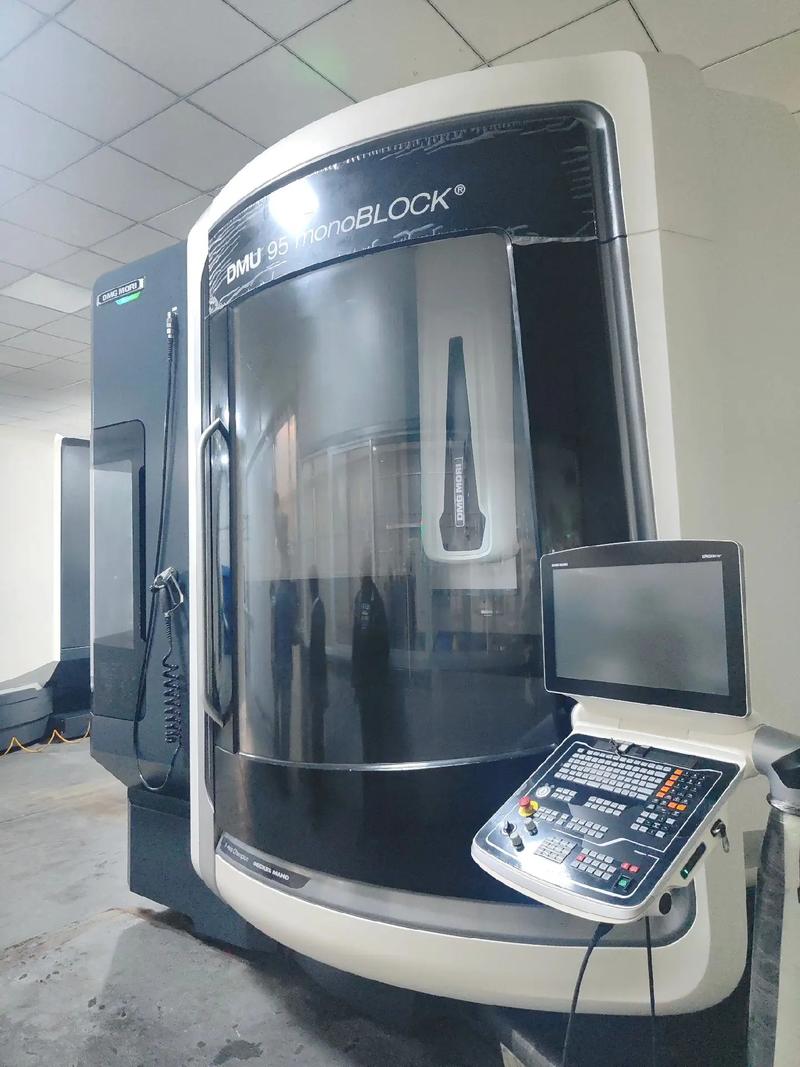
As a full in-house OEM precision CNC manufacturer, we have the systems and expertise to help you eliminate procurement risk for your CNC machined components:
What Information Do We Need for Your Precision CNC Quote?
To provide you with an accurate, fast quote and free DFM review, we recommend preparing the following information. This helps us avoid back-and-forth communication and deliver your quote within 24 hours:
3D CAD File
Your part’s 3D model, preferably in STEP or IGES format.
Material Specification
The material of your part, such as aluminum, stainless steel, etc.
Tolerance Requirements
Critical dimensional tolerances and required surface finish.
Production Volume
Your expected production quantity, to optimize pricing.
Frequently Asked Questions
How do I evaluate a CNC machining supplier?
Evaluate their machine capability, quality control system, material expertise, DFM support, and delivery performance. Use a structured checklist to avoid focusing only on price.
Can suppliers really maintain ±0.005 mm tolerances?
Yes, but it requires more than just a good machine. It also requires thermal control, high-quality tooling, custom fixturing, and disciplined inspection processes to maintain consistency.
Should I choose local or overseas CNC supplier?
It depends on your needs. Overseas suppliers like Goldcattle can offer significant cost savings while providing the same quality standards, with full communication and logistics support for global clients.
What certifications matter most for CNC suppliers?
ISO 9001 is the baseline. For specific industries, ISO 13485 for medical, IATF 16949 for automotive, and AS9100 for aerospace are important.
How important is DFM support from my supplier?
DFM support can save you 20-40% on production costs by optimizing your design for manufacturability, reducing lead time, and eliminating potential defects before production starts.