Not automatically in every situation. Paying a Chinese supplier for an injection mold is evidence of payment, but it does not by itself settle ownership of the physical tool, permitted use, custody, intellectual property, or the right to move the mold. Before paying the tooling deposit, the quotation, purchase order and signed agreement should identify the mold, state when ownership transfers, define storage and maintenance, restrict unauthorized use, and explain how the tool and production records are released if the relationship ends.
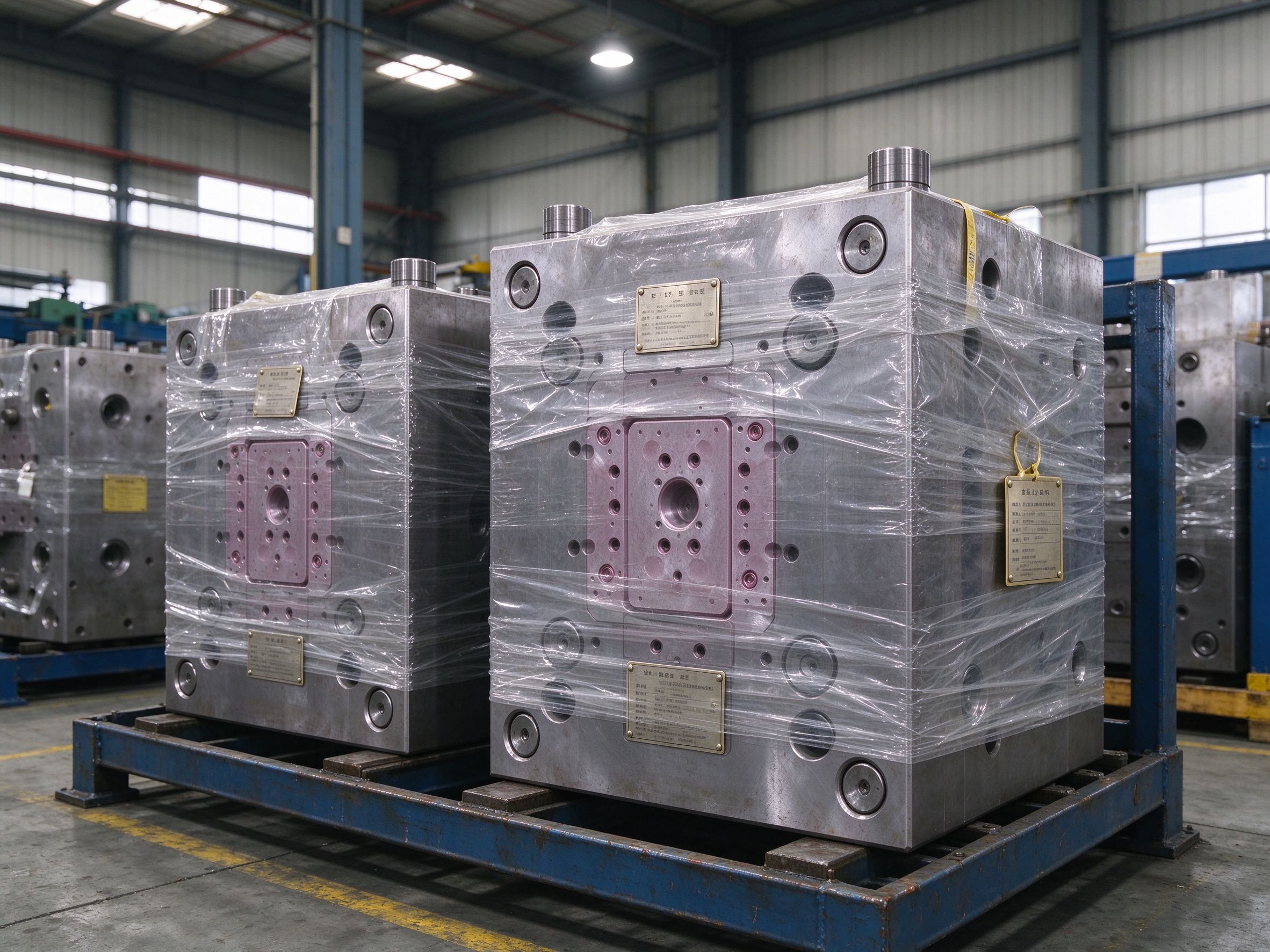
Payment is the starting point, not the whole answer. A separate tooling fee, an amortized mold cost built into the piece price, and a supplier-funded tool may carry different ownership and transfer terms. The signed agreement, not the payment receipt, should state which mold you own, when ownership transfers, how it is stored and used, and how it is released when production ends. For cross-border projects, have the terms reviewed under the applicable law rather than relying on a verbal promise.
How Tooling Payment Arrangements Change Ownership
| Payment arrangement | Do not assume | Verify in writing |
|---|---|---|
| Separately charged mold fee | Payment alone settles ownership, use and transfer rights | Which specific mold assets are owned, the transfer milestone, release and handover process |
| Mold cost amortized through piece price | After N parts, the mold is automatically yours | Amortization unit price, cumulative quantity, when ownership changes, buyout terms if production stops early |
| Supplier funds the mold | Buying parts means buying the tool | Who owns the mold, what exclusive or preferential rights the buyer has, whether a buyout option exists |
| Co-funded tooling | Ownership splits by funding share | Agreed ownership share, usage rights, future investment, maintenance cost and exit terms |
| Supplier contracts but a third party builds or stores the mold | The signing supplier alone can release the tool | Relationship between contracting party, mold maker, custodian and payer; who enforces handover |
What the Mold Ownership Agreement Must Say
A short line such as "the mold belongs to the customer" leaves most practical questions open. The agreement should cover:
- Mold identity — mold number, part number, cavity count, steel and any internal or serial marking that ties the agreement to the physical tool.
- Transfer milestone — whether ownership passes on final payment, on acceptance of T1 samples, or on another defined event.
- Use restrictions — whether the supplier may run the mold for other customers, and under what conditions.
- Storage and maintenance — where the mold is kept, who maintains it, insurance coverage, and wear or damage responsibility during production.
- Modifications and spares — who approves engineering changes, who pays for modifications, and which spares are included.
- Third-party involvement — if heat treatment, surface treatment or sub-assemblies are outsourced, how those components are tracked and released.
- End-of-relationship release — who pays for final teardown, rust-proofing, packing and freight, and what documentation accompanies the mold.
Does a Tooling Invoice Prove You Own the Mold?
Each document helps, but none alone closes the question.
| Document | What it helps show | What it does not settle by itself |
|---|---|---|
| Mold quotation | Scope and price discussed between parties | Ownership has already transferred |
| Purchase order / signed agreement | Agreed commercial terms and responsibilities | Dispute outcome without legal review |
| Mold invoice and payment record | That a payment for the tool occurred | All related design and IP rights transferred |
| Mold number, photos, asset list | Which physical tool and components are involved | Legal ownership just because the tool is labeled |
| Mold 2D/3D files, product CAD | Technical traceability of the tool | Owning the physical mold means owning all design copyright |
What Exactly Are You Paying For?
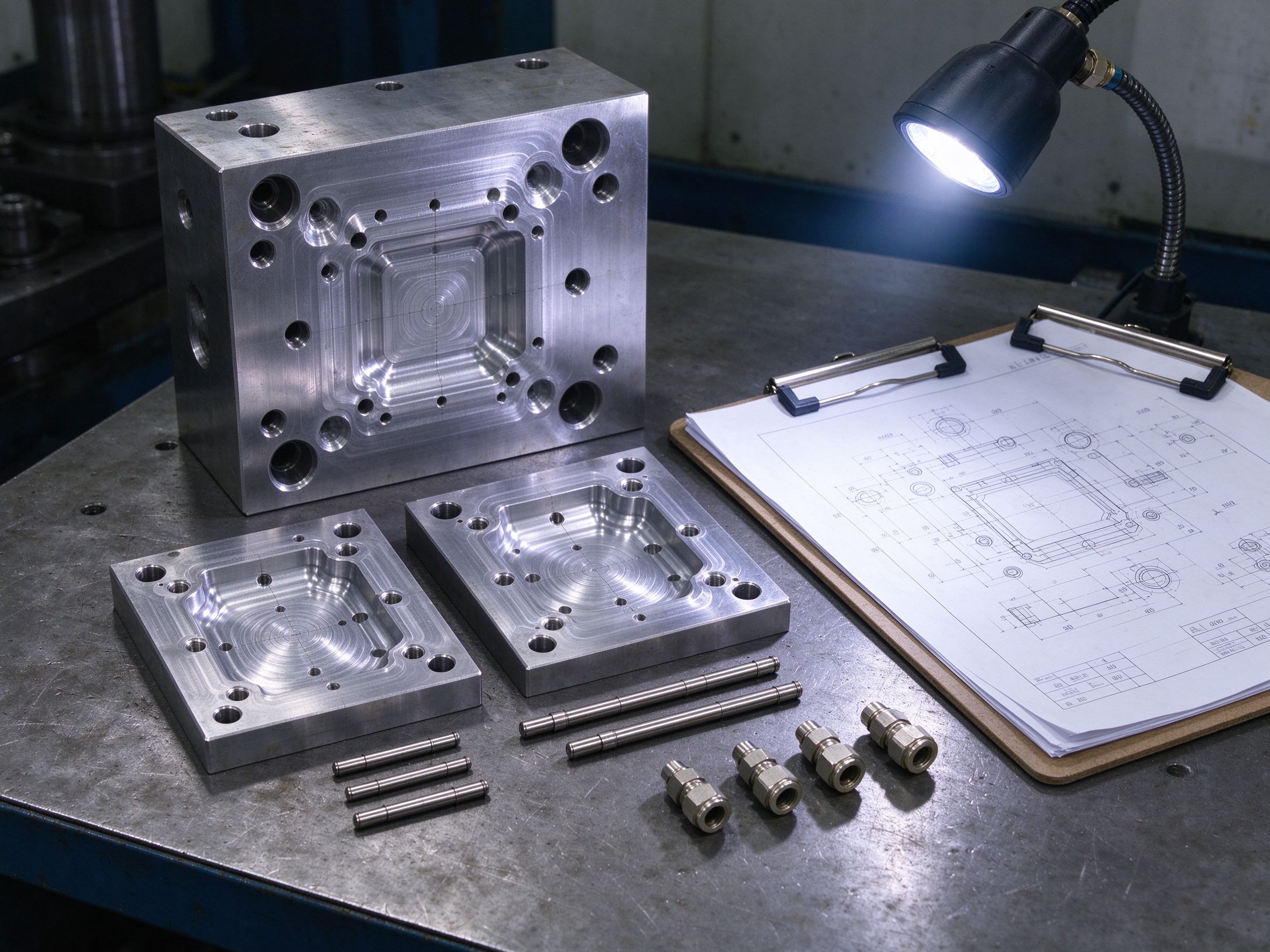
A mold is a set of components, not a single object. Confirm which of these are included in the tooling you pay for:
- Mold base and frame
- Cavity and core inserts
- Sliders, lifters, angled pins and side-action components
- Hot runner system, nozzles and controllers, if used
- Cooling fittings, ejector pins, return pins and springs
- Spares and wear parts delivered with the mold
- Related fixtures, gages and inspection fixtures paid for under the project
- Mold design files, BOM, process parameters and maintenance manual
A situation where you own part of the tool but cannot run it without an insert the supplier retained is not a working mold. The scope must cover what the receiving factory needs to produce the part.
Ownership, Custody, Usage Rights and IP Are Different
| Concept | What it means | Typical issue in China sourcing |
|---|---|---|
| Ownership | Who legally owns the physical mold and its components | Can be ambiguous when tooling is amortized or supplier-funded |
| Custody | Where the mold physically sits and who maintains it day to day | Mold remains at the supplier even when the customer is the nominal owner |
| Usage rights | Who may run the mold, for whom, and under what exclusivity | Supplier may run customer molds for other orders unless restricted |
| Product design IP | Rights to the part design the customer provided | Protected by NDA, but should not be confused with mold ownership |
| Mold design IP | Rights to the mold design created by the supplier | May stay with the supplier even when the physical tool is yours; files may not be delivered |
A generic NDA protects confidentiality of drawings. It does not, by itself, transfer mold ownership, define custody, or guarantee release of the tool. Those points belong in the tooling agreement.
Can You Move the Mold to Another Factory?
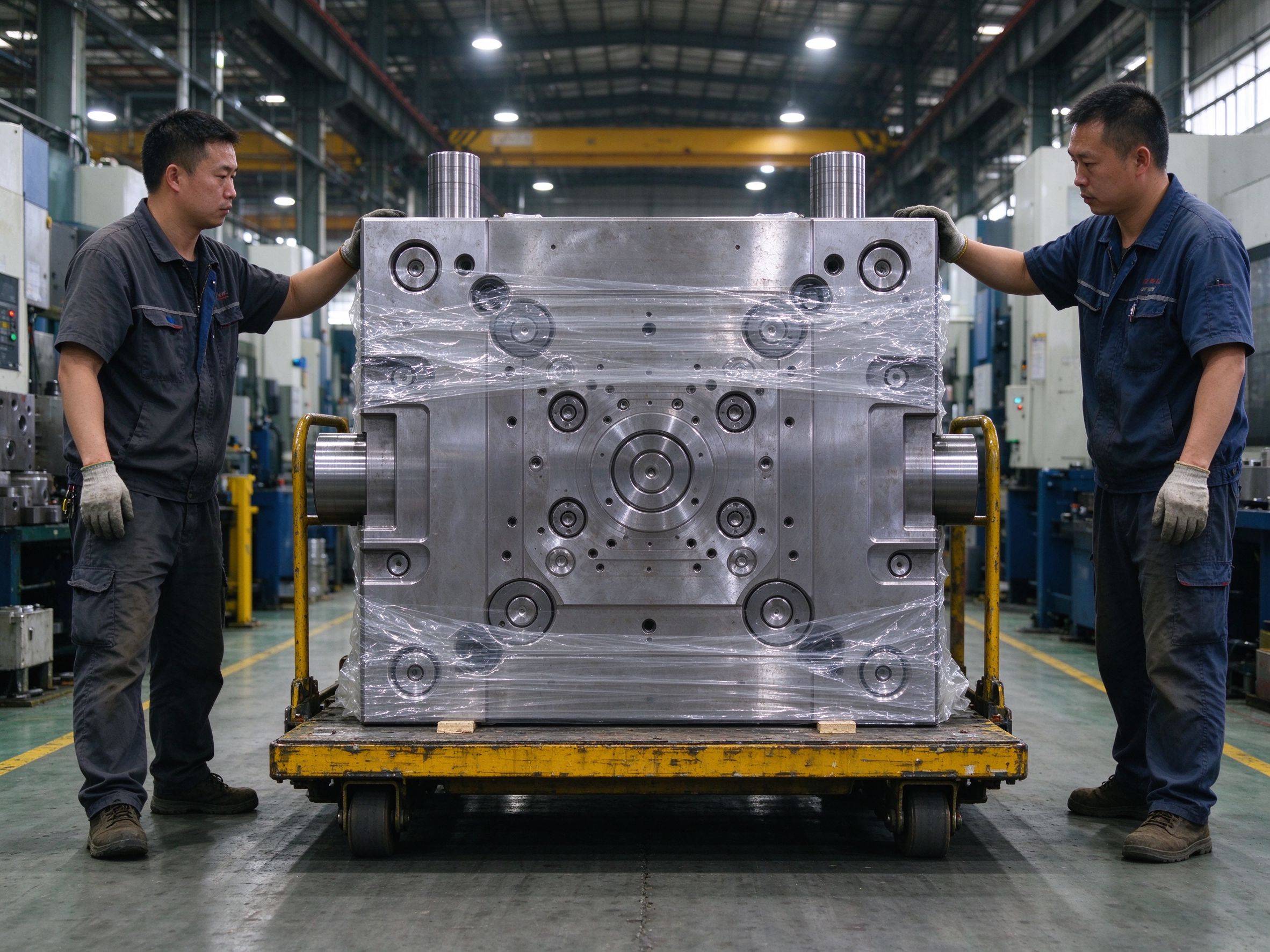
Before asking for a mold release, the receiving factory needs to confirm machine compatibility (tie-bar spacing, mold height, locating ring, nozzle radius, ejection, cooling interfaces). The handover package should include:
- Mold number, condition report and maintenance history
- 2D and 3D mold files, BOM, spare parts list
- Last approved process parameters and material spec
- Dimensional reports and appearance standard from T1/T2
- Samples from the last approved production run
- Teardown, rust-proofing, packing and freight responsibility
- Who covers the first trial run at the new factory if the mold does not drop in
Buyer Checklist Before Paying a Tooling Deposit
Document alignment
- Quotation, PO and agreement name the same legal entity
- Mold number and part number appear in every document
- Payment milestones match ownership transfer milestones
Scope and rights
- Component list matches what you expect to receive
- Use restrictions and exclusivity are stated
- Mold design files and BOM delivery are committed
End game
- Storage, maintenance and insurance during production
- Release conditions, teardown and freight cost
- Machine compatibility check for a backup molder
For Goldcattle projects, our standard tooling terms state that the customer-owned mold is released after agreed payment milestones, with files, BOM and maintenance records handed over on request. The exact milestone is written into each project agreement rather than assumed from the invoice.
Frequently Asked Questions
Do I own the mold after I pay the final tooling invoice?
The mold cost was spread into the part price. Do I own it now?
Can I ask the factory to move my mold to another molder?
Does owning the mold mean I own the mold design copyright?
What if my supplier uses a third party to build the mold?

Get Tooling Terms That Match Your Project
Send the part design, expected volume and production plan. We will return a DFM review, mold proposal and written tooling terms covering ownership, storage, documentation and release — before the deposit is due.
Xiamen Goldcattle · Manufacturing since 1998 · Injection mold making and custom CNC machining · Related: how to compare China mold makers →