26 Years of CNC Manufacturing Excellence for Racing & Off-Road Applications
ISO 9001:2015 Certified | SAE Standard Compliant | 26 Years Manufacturing Experience
Why Choose Custom Steering Tie Rods?
As a master mechanic with 20 years of experience, I’ve seen firsthand how inferior tie rods can cause catastrophic failures on the track or trail.
Stock tie rods are designed for average driving conditions, but when you’re pushing your vehicle to the limits in racing or off-road environments,
you need components that can handle the extra stress.
At Goldcattle, we specialize in custom CNC machined steering tie rods that offer unmatched precision, strength, and durability.
Our 26-year history in CNC manufacturing ensures that every component meets the highest industry standards.
Professional Insight: 90% of steering system failures in high-performance applications are due to inadequate tie rod design.
Custom machined components provide 30-50% higher fatigue resistance compared to OEM parts.
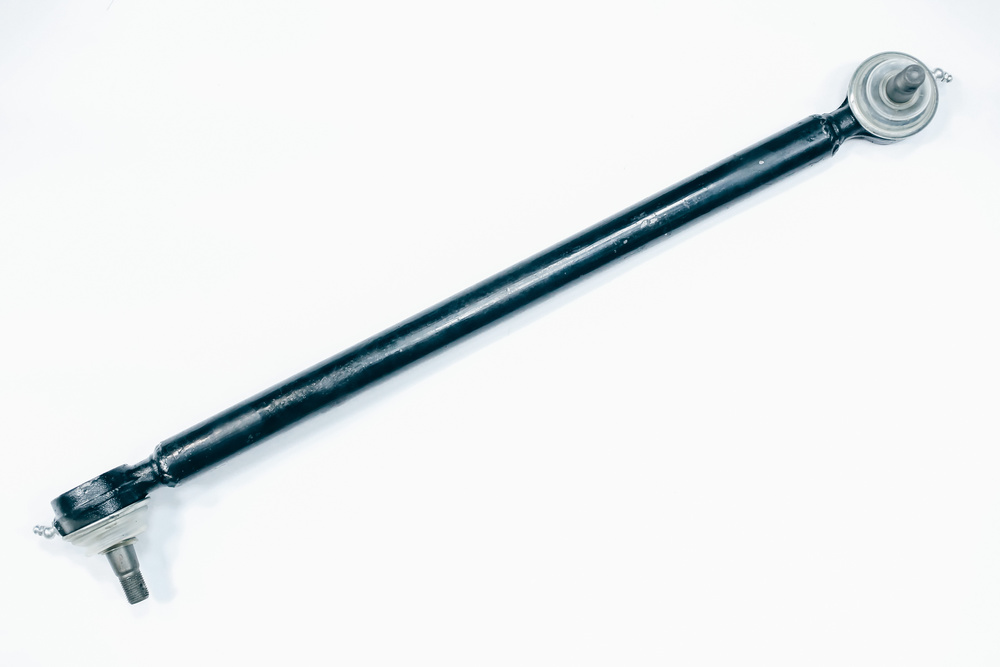
Precision machined steering tie rod assembly with adjustable ends
Understanding Steering Tie Rod Function
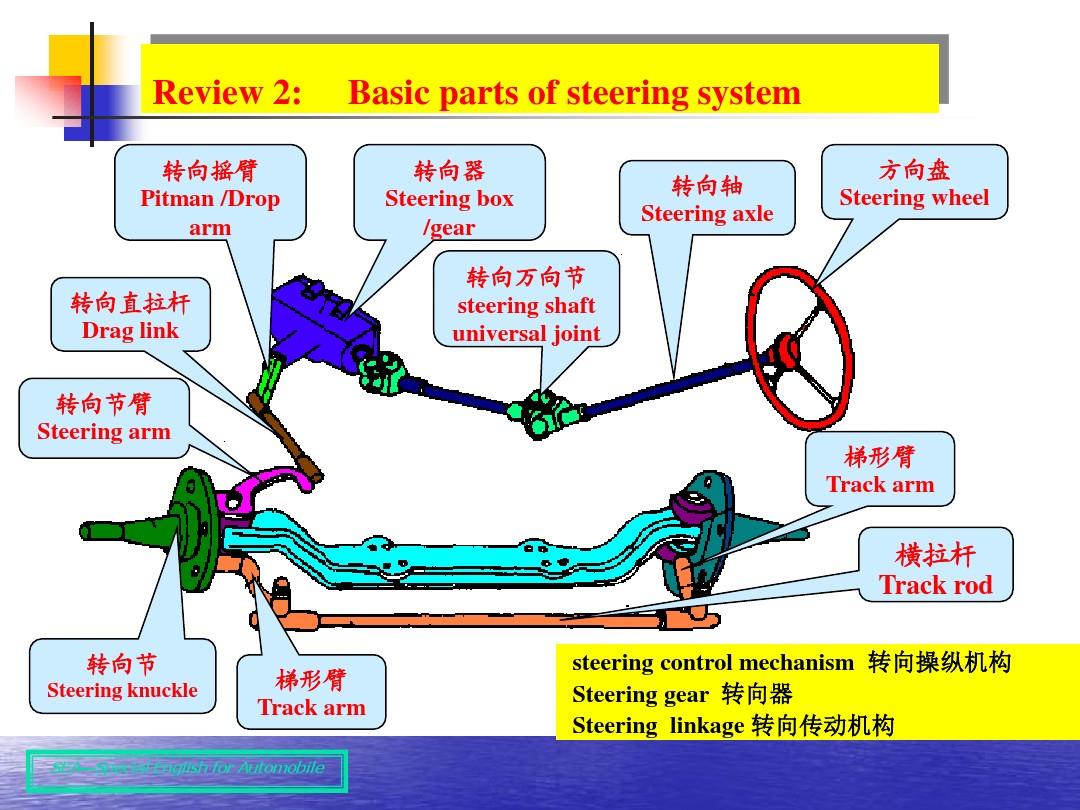
Complete steering system diagram showing tie rod placement
Tie rods are critical components in the steering system that connect the steering gear to the steering knuckle.
They transmit the steering input from the driver to the wheels, allowing for precise control of the vehicle’s direction.
- Inner Tie Rod: Connects to the steering rack or gearbox
- Outer Tie Rod: Connects to the steering knuckle
- Adjustable Sleeve: Allows for toe alignment adjustments
- Ball Joint: Provides flexibility for suspension movement
Our 26-Year CNC Manufacturing Process
Complete Manufacturing Workflow
Material Selection
High-quality alloy steel sourced from certified mills
Forging
Hot forging to create initial shape and improve grain structure
CNC Machining
5-axis precision machining to tight tolerances
Heat Treatment
Quenching and tempering for optimal strength
Surface Treatment
Corrosion-resistant coating and precision finishing
Precision CNC Machining Technology
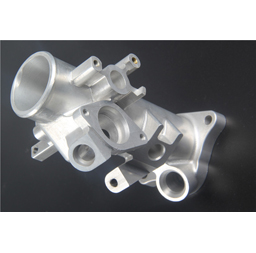
Precision CNC machined automotive components
We use state-of-the-art 5-axis HAAS and DMG CNC machines to achieve tolerances of ±0.005mm, which is critical for maintaining proper steering geometry.
This level of precision ensures that your tie rods will fit perfectly and provide consistent performance.
One of the key advantages of our manufacturing process is our use of thread rolling instead of traditional thread cutting.
This process increases the fatigue strength of the threads by over 30% by cold-working the metal, making our tie rods much more resistant to failure under heavy loads.
Technical Specification: Our CNC machines operate at spindle speeds up to 12,000 RPM with 0.1 micron positioning accuracy,
allowing us to achieve surface finishes as smooth as Ra0.4.
Advanced Heat Treatment Process
After machining, all our tie rods undergo a rigorous heat treatment process in our industrial furnaces to enhance their mechanical properties.
This process involves heating the steel to precise temperatures and then quenching it to create a hardened surface while maintaining a tough core.
The result is a component that offers both high strength and excellent toughness, able to withstand the impacts and vibrations of off-road racing without becoming brittle.
- Austenitizing: Heating to 850-900°C to form austenite structure
- Quenching: Rapid cooling in oil or water to create martensite
- Tempering: Reheating to 200-300°C to reduce internal stresses
- Hardness Testing: Verification of 38-42 HRC hardness range
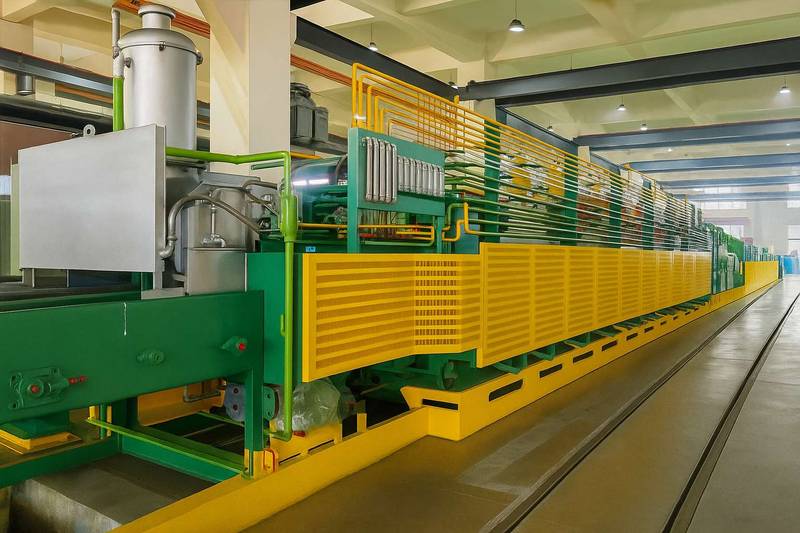
Industrial heat treatment furnace with precise temperature control
Surface Finishing & Corrosion Protection
All our tie rods receive a precision surface finishing process that achieves a Ra0.4 roughness rating. This smooth surface finish helps prevent noise, vibration, and harshness (NVH) issues,
ensuring quiet operation even under extreme conditions.
We offer several corrosion protection options depending on the application:
| Coating Type | Salt Spray Resistance | Best For | Durability |
|---|---|---|---|
| Electroplated Zinc | 480 hours | Daily driving | 3-5 years |
| Black Oxide | 240 hours | Racing applications | 1-3 years |
| Hard Chrome Plating | 720 hours | Off-road use | 5-8 years |
| Stainless Steel Passivation | >1000 hours | Coastal areas | 8-12 years |
Comprehensive Material Selection Guide
As a mechanic, I always recommend choosing the right material for your specific application. The material you select will directly impact the performance, durability, and cost of your tie rods.
| Material | Tensile Strength | Yield Strength | Weight (per meter) | Best For | Salt Spray Hours | Estimated Lifespan | Cost Relative |
|---|---|---|---|---|---|---|---|
| 4140 Alloy Steel | 655 MPa | 415 MPa | 7.8 kg | Daily Driving / Trucks | 480 | 5-8 years | $$ |
| 4130 Chromoly | 670 MPa | 450 MPa | 7.7 kg | Racing / Performance | 720 | 3-6 years (racing) | $$$ |
| 304 Stainless Steel | 515 MPa | 205 MPa | 7.9 kg | Coastal Areas | >1000 | 8-12 years | $$$$ |
| 6061-T6 Aluminum | 310 MPa | 276 MPa | 2.7 kg | Lightweight Racing | 1000+ | 2-4 years (racing) | $$$ |
Professional Material Selection Tips
Daily Driving Applications
For regular street use, 4140 alloy steel provides the best balance of strength, durability, and cost.
It offers excellent fatigue resistance and can handle the occasional pothole or curb impact.
Racing Applications
4130 chromoly is the top choice for racing due to its superior strength-to-weight ratio.
It’s lighter than 4140 steel but stronger, which helps reduce unsprung weight and improve handling.
Off-Road Use
For rock crawling and off-road racing, we recommend 4140 alloy steel with hard chrome plating.
This combination provides excellent impact resistance and corrosion protection from mud and water.
Coastal Environments
304 stainless steel is the best choice for coastal areas due to its excellent corrosion resistance.
While it’s not as strong as alloy steel, it will last significantly longer in saltwater environments.
Material Testing & Quality Control
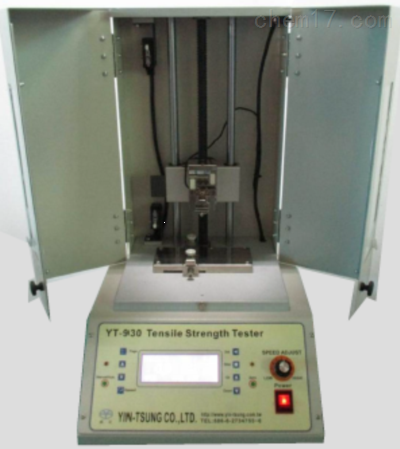
Tensile strength testing machine for material verification
All materials undergo rigorous testing before being used in production. We perform tensile strength tests, hardness tests,
and chemical analysis to ensure that every batch meets our strict quality standards.
Our quality control process includes:
- Chemical composition analysis using spectrometers
- Tensile strength testing to verify material properties
- Hardness testing using Rockwell and Brinell testers
- Ultrasonic testing for internal defects
- Salt spray testing to verify corrosion resistance
Corrosion Resistance Testing
We use advanced salt spray testing equipment to verify the corrosion resistance of our finished products.
This test involves exposing the components to a saltwater mist for extended periods to simulate real-world conditions.
Our standard requirement is 480 hours of salt spray exposure without significant corrosion, which is significantly higher than the industry standard of 240 hours.
For coastal applications, we offer components that can withstand over 1000 hours of salt spray testing.
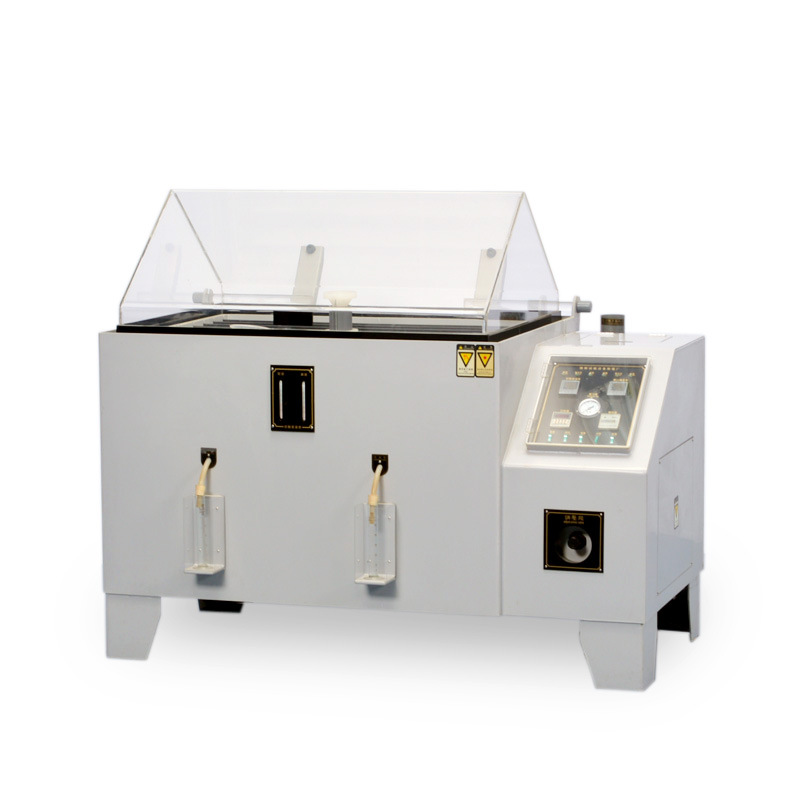
Salt spray testing chamber for corrosion resistance verification
From a Master Mechanic’s View: Why 90% Custom Rods Fail
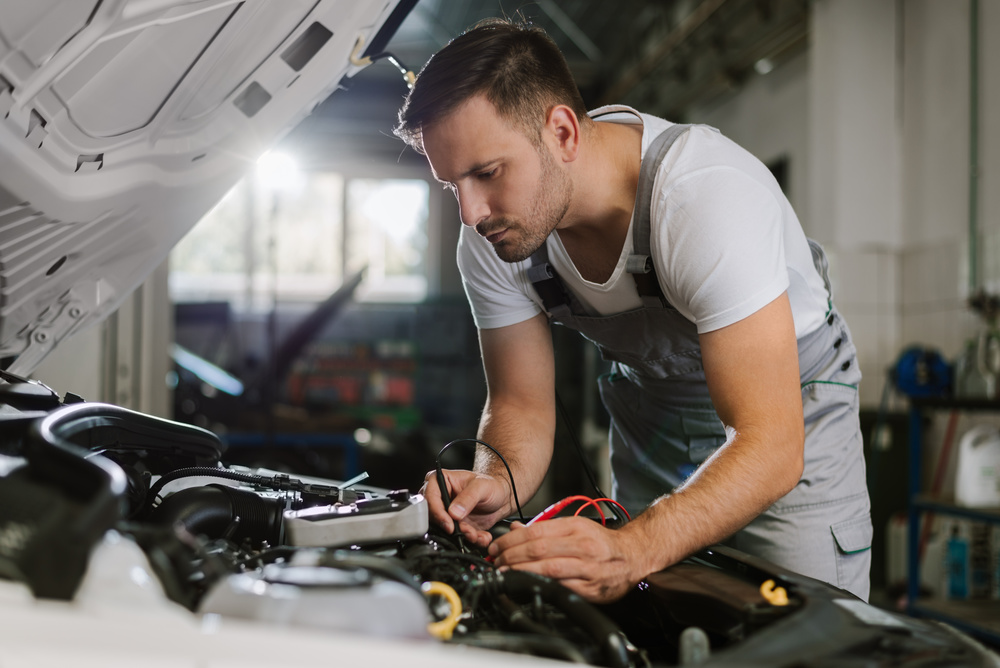
Professional mechanic diagnosing steering system issues
Over my 20-year career, I’ve diagnosed and repaired thousands of steering systems. The number one cause of tie rod failure is not the material itself,
but poor installation and lack of proper maintenance.
Here are the most common issues I see in my shop:
- Improper torque specifications: 70% of failures are due to loose connections from incorrect torque
- Incorrect toe alignment: Causes premature tire wear and stress on tie rod ends
- Lack of regular inspection: Most drivers don’t check for ball play until it’s too late
- Using inferior parts: Cheap aftermarket parts that don’t meet OEM standards
- Failure to rebalance after installation: Causes vibration and accelerated wear
Complete Installation Guide & Torque Specifications
Step-by-Step Installation Procedure
- Raise the vehicle and support it on jack stands
- Remove the wheel and tire assembly
- Disconnect the outer tie rod end from the steering knuckle using a ball joint separator
- Mark the position of the adjustable sleeve for alignment reference
- Disconnect the inner tie rod end from the steering rack
- Install the new inner tie rod end and torque to specifications
- Adjust the sleeve to match the reference mark
- Connect the outer tie rod end to the steering knuckle
- Torque all fasteners to the specified values
- Reinstall the wheel and lower the vehicle
- Perform a wheel alignment to set proper toe specifications
| Component | Torque Specification | Notes |
|---|---|---|
| Outer Tie Rod End | 40-60 Nm (30-45 ft-lbs) | Use new cotter pin after installation |
| Inner Tie Rod End | 60-80 Nm (45-60 ft-lbs) | Use special inner tie rod tool |
| Adjustable Sleeve Lock Nut | 80-100 Nm (60-75 ft-lbs) | Use thread locker for high-vibration applications |
| Wheel Lug Nuts | 90-120 Nm (65-90 ft-lbs) | Torque in star pattern |
Professional Warning: Always use a calibrated torque wrench to ensure proper installation. Too little torque can cause the tie rod to come loose,
while too much can damage the threads or cause the housing to crack. Never reuse cotter pins – always install new ones after any steering component repair.
Precision Toe Alignment Guide
After installing new tie rods, proper toe alignment is critical for tire wear and handling. Toe refers to the angle of the wheels relative to the centerline of the vehicle.
Here’s what I recommend for different applications:
Street Driving Specifications
- Toe In: 1-3 mm total (0.5-1.5 mm per side)
- Benefits: Improves straight-line stability
- Reduces: Tire wear and highway vibration
- Recommended For: Daily drivers and family vehicles
Racing Specifications
- Toe Out: 0-2 mm total (0-1 mm per side)
- Benefits: Improves turn-in response
- Considerations: May increase tire wear
- Recommended For: Circuit racing and autocross
Off-Road Specifications
- Toe In: 2-4 mm total (1-2 mm per side)
- Benefits: Enhances straight-line stability at high speeds
- Considerations: More resistant to impact misalignment
- Recommended For: Desert racing and rock crawling
Towing Specifications
- Toe In: 3-5 mm total (1.5-2.5 mm per side)
- Benefits: Improves stability under heavy loads
- Reduces: Wandering when towing heavy trailers
- Recommended For: Trucks and SUVs used for towing
Remember to check and adjust your alignment after any suspension modification, after hitting a large obstacle off-road, or if you notice uneven tire wear.
I recommend checking alignment every 12,000 miles or at least twice a year for performance vehicles.
Complete Maintenance Inspection Guide
How to Inspect Tie Rods for Wear
Regular inspection is key to preventing steering failure. Here’s how I inspect tie rods in my shop:
Visual Inspection
- Check for cracks or damage to the tie rod ends
- Inspect rubber boots for tears or damage
- Look for signs of corrosion or rust
- Check for loose or missing cotter pins
Functional Testing
- Jack up the vehicle and support it safely
- Grasp the tire at 12 and 6 o’clock positions
- Check for play by rocking the tire
- Any movement over 0.5mm indicates wear
Professional Tip: If you notice any play in the tie rods, replace them immediately. A failing tie rod can separate while driving,
causing loss of steering control. This is especially important for high-performance and off-road vehicles that experience more stress.
Complete Customization Options
At Goldcattle, we offer complete customization to meet your specific requirements. Whether you need tie rods for a vintage restoration project,
a high-performance racing vehicle, or a specialized off-road application, we can design and manufacture the perfect solution.
Custom Dimensions
We can manufacture tie rods to any length or diameter specification, from 200mm to 1200mm in length.
Thread Configurations
Available in metric and imperial threads, including M12x1.5, M14x1.5, 5/8″-18, 3/4″-16, and custom thread sizes.
Custom Finishes
Choose from black oxide, zinc plating, hard chrome, powder coating, or custom colors to match your vehicle.
Application-Specific Custom Designs
Vintage Car Restoration
We can recreate tie rods for classic cars that are no longer available from OEM suppliers.
- Exact OEM specifications
- Period-correct finishes
- Improved materials for better durability
- Optional upgrades for better performance
High-Performance Racing
Lightweight designs with increased strength for track and racing applications.
- Titanium and aluminum options
- Adjustable length designs
- High-strength thread rolling
- Heat-treated for maximum strength
Off-Road Vehicles
Heavy-duty designs that can withstand the rigors of off-road use.
- Increased diameter for strength
- Reinforced ball joint housing
- Corrosion-resistant coatings
- Heavy-duty rubber boots
Commercial Vehicles
Heavy-duty designs for trucks, buses, and commercial vehicles.
- High-load capacity designs
- Extended service life
- Low-maintenance features
- Corrosion-resistant for harsh environments
Custom Design Process
Consultation
We discuss your specific requirements, application, and performance needs to determine the best design approach.
Design & Engineering
Our engineering team creates 3D models and performs FEA analysis to ensure the design meets your performance requirements.
Prototype Development
We create a prototype for testing and validation, allowing you to verify fit, function, and performance before full production.
Production
Once the design is approved, we move to full production with strict quality control at every stage of manufacturing.
Real World Applications & Case Studies
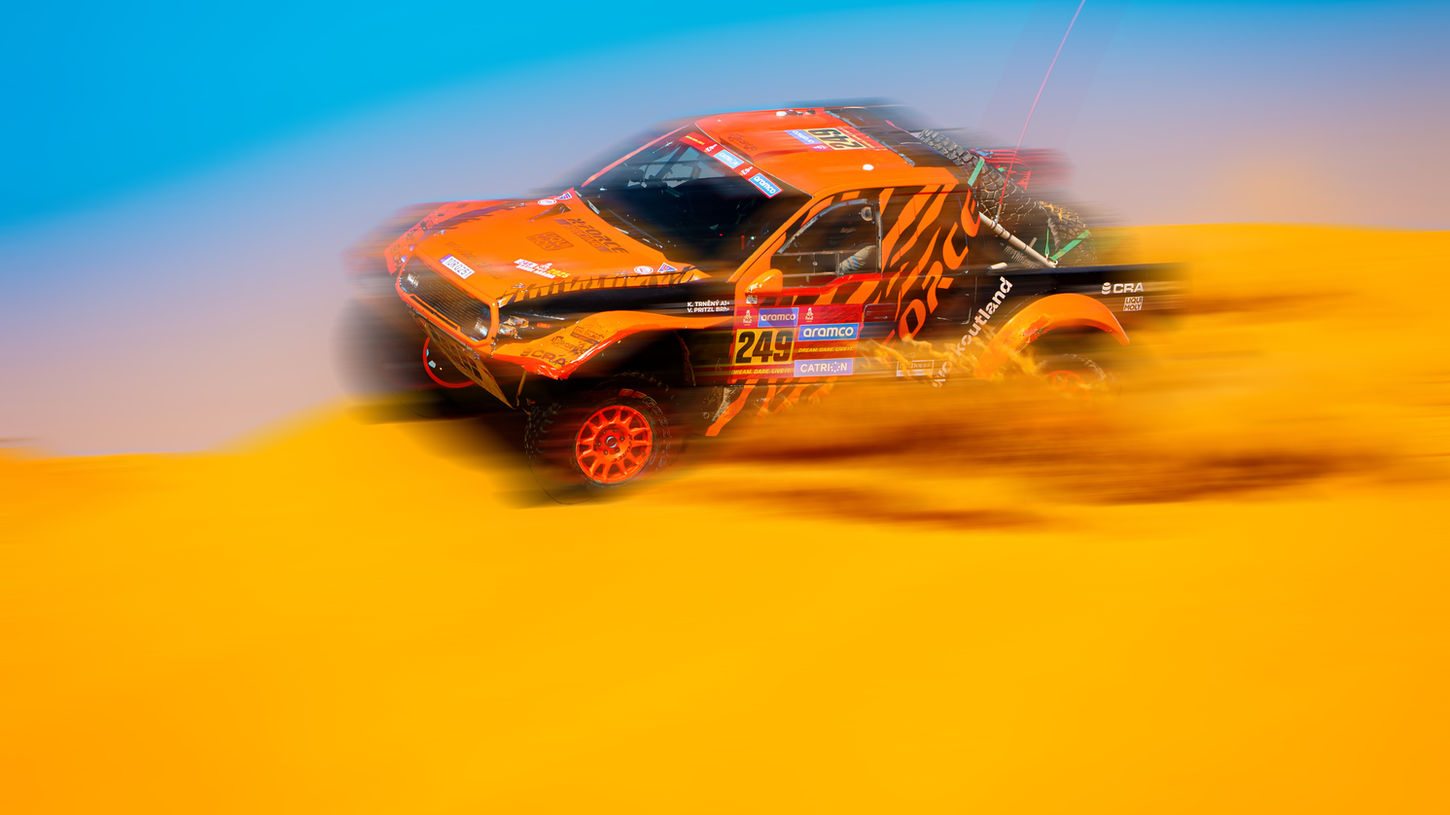
Off-road racing vehicle in desert conditions
Case Study 1: Baja 1000 Desert Racing Championship
Last year, we supplied custom chromoly tie rods to a desert racing team competing in the Baja 1000.
Their previous tie rods were failing after just 200 miles of rough desert terrain due to bending and fatigue.
After analyzing their failure mode, we designed custom tie rods with:
- Increased diameter from 22mm to 25mm for higher strength
- Thread rolled ends for 30% higher fatigue resistance
- Heat treatment to 40 HRC for optimal strength and toughness
- Hard chrome plating for corrosion resistance
The team completed the entire 1000-mile race without any steering issues and reported improved handling and confidence at high speeds over rough terrain.
Case Study 2: Rock Crawling Competition
A rock crawling team came to us after repeatedly bending their stock tie rods on extreme obstacles.
They needed tie rods that could handle the high impact loads of rock crawling while maintaining precise steering control.
We designed custom heavy-duty tie rods with:
- 4140 alloy steel construction for maximum impact resistance
- Reinforced ball joint housing to prevent cracking
- Adjustable length for precise alignment adjustments
- High-angle ball joints for increased suspension articulation
The team went on to win their next competition without any steering failures, even when navigating 45-degree rock inclines and large boulders.
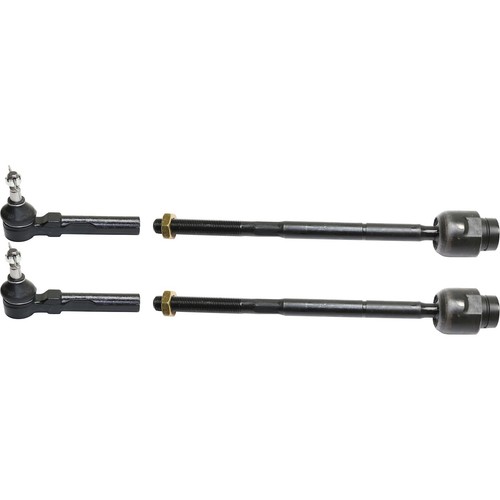
Heavy-duty steering tie rod end set for rock crawling
Vintage car restoration project with custom tie rods
Case Study 3: Vintage Car Restoration
A classic car restoration shop needed replacement tie rods for a 1967 Shelby Mustang that were no longer available from OEM suppliers.
The original tie rods were prone to failure and didn’t handle the modern tires and suspension upgrades the customer wanted.
We created custom tie rods that matched the original appearance but with modern materials and manufacturing techniques:
- Original dimensions and appearance for correct fit
- 4130 chromoly steel for improved strength and durability
- Period-correct cadmium plating finish
- Upgraded ball joints for better performance and longevity
The customer was thrilled with the result – the car handles better than new while maintaining its original classic appearance.
Frequently Asked Questions
How often should I replace my tie rods?
For daily driving with quality tie rods, you can expect 5-8 years of service life. For racing or off-road applications, this drops to 2-3 years depending on usage.
I recommend inspecting your tie rods every 12,000 miles or at the first sign of steering issues.
What are the signs of a failing tie rod?
Common signs include: excessive play in the steering wheel, uneven tire wear, steering wheel vibration, clunking noises when turning, and the vehicle pulling to one side.
If you notice any of these symptoms, have your tie rods inspected immediately.
Can I install tie rods myself?
While it’s possible for experienced DIY mechanics, I recommend professional installation. Proper torque specifications and alignment are critical for safety and performance.
Improper installation can lead to catastrophic failure.
What warranty do you offer on your tie rods?
We offer a 1-year warranty on all our tie rods for manufacturing defects. For racing applications, we offer a 6-month warranty due to the extreme usage conditions.
Our warranty covers material and workmanship defects, but not damage from improper installation or misuse.
How long does custom production take?
Standard custom orders typically take 2-3 weeks from design approval to production completion. For complex designs or large quantities,
lead times may extend to 4-6 weeks. We offer expedited production for an additional fee.
Do you offer international shipping?
Yes, we ship worldwide using DHL, FedEx, and UPS. We have experience exporting to over 50 countries and can handle all necessary documentation.
Shipping times vary by destination but typically take 3-7 business days for express delivery.
Can you match OEM specifications?
Yes, we can match OEM specifications for most vehicles. We can work with your drawings, samples, or OEM part numbers to create exact replacements.
We also offer optional upgrades to improve performance and durability over the original components.
What is the minimum order quantity?
We accept orders for as few as 1 piece for custom designs. For standard designs, we recommend a minimum order of 4 pieces (2 sets) to optimize pricing.
We offer volume discounts for orders of 10 pieces or more.
Get Your Custom Quote Today
Our team of experts will work with you to design the perfect tie rods for your application. Get a free quote within 24 hours.
We respect your privacy. Your information will only be used to process your quote request.