FAQ
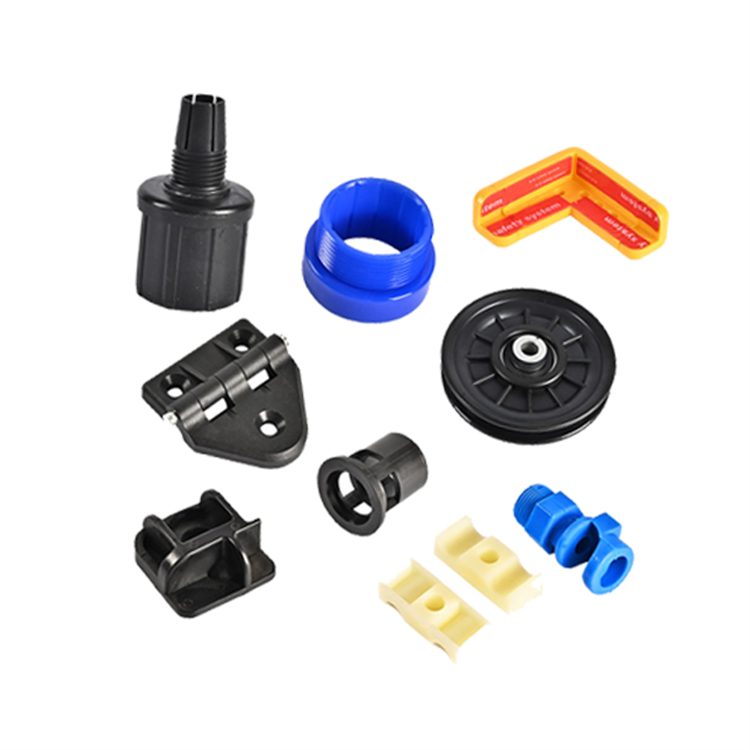
Custom PP injection molded parts
In industries such as packaging, automotive interiors, and home appliances, polypropylene (PP) has become the material of choice for injection

首页 » Process Guide » Page 60
In industries such as packaging, automotive interiors, and home appliances, polypropylene (PP) has become the material of choice for injection
Answer Whether CNC is faster than 3D printing depends on the scenario: CNC is generally faster for mass-producing simple parts, while
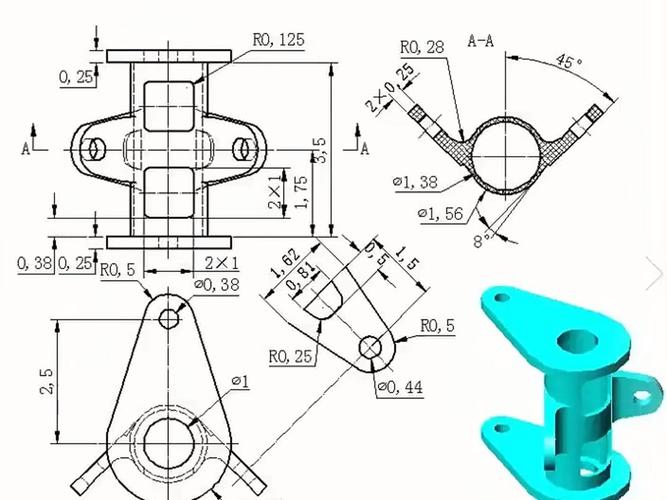
Answer The time to CNC a part varies based on part complexity, material, equipment, and process. Simple parts (e.g., standard components)
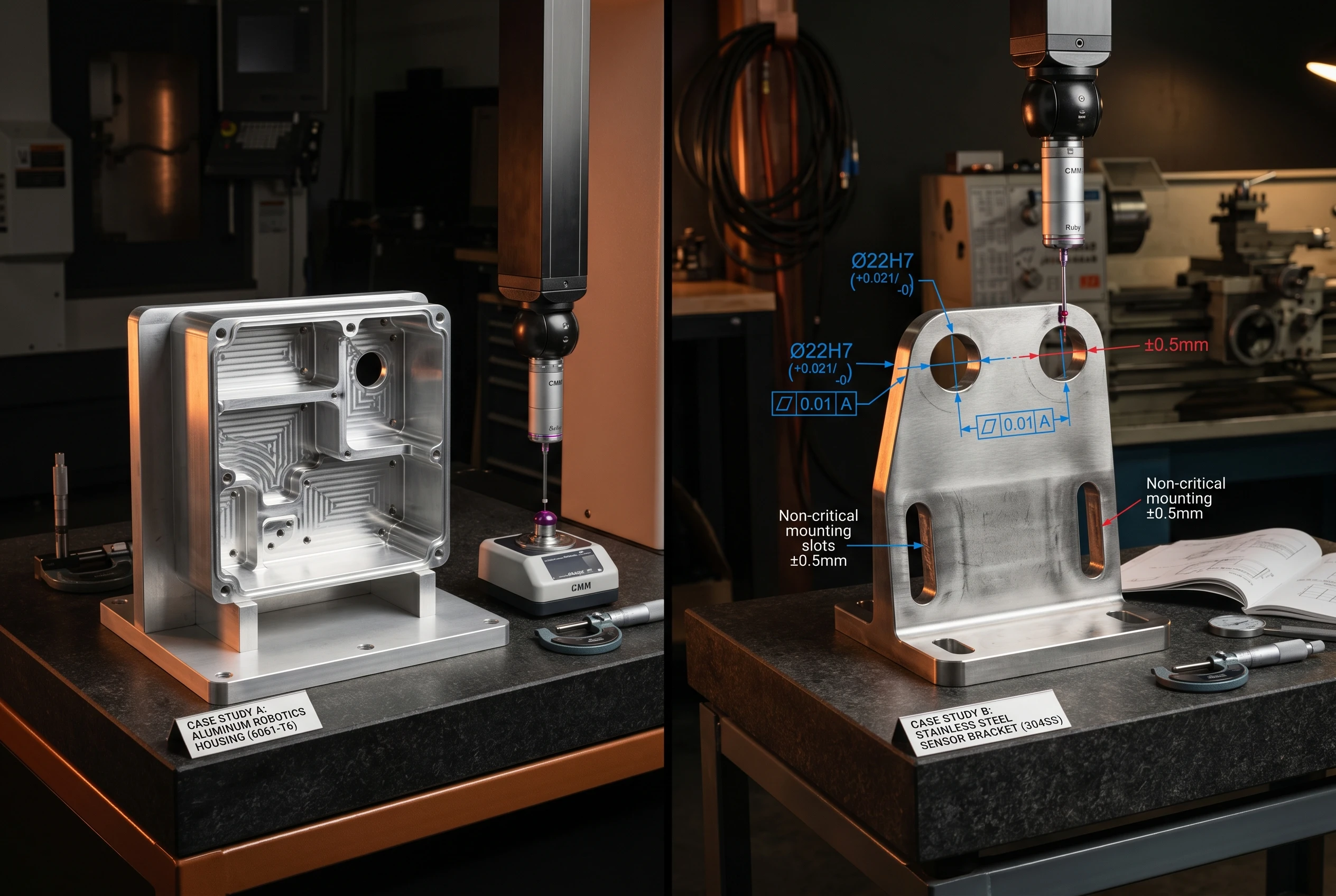
CNC Part Design Guide: DFM Rules to Reduce Cost and Improve Manufacturability Design CNC Parts Correctly the First Time —
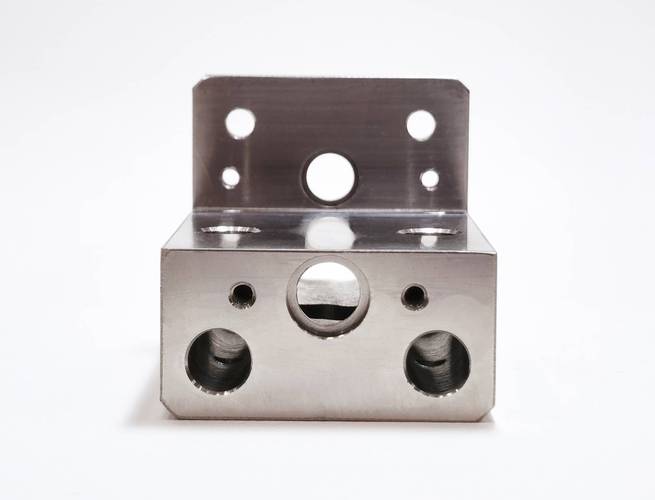
Answer “Custom parts” refer to non-standard components designed and manufactured according to specific user requirements, application scenarios, or technical specifications,
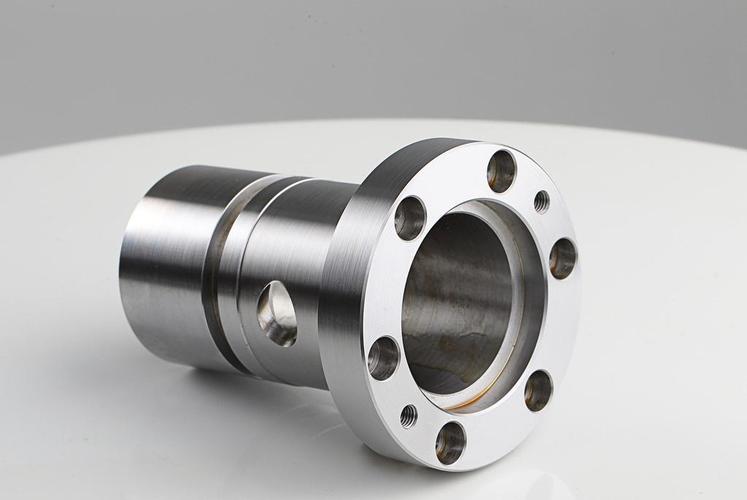
In the realm of modern manufacturing, CNC machining centers play a pivotal role in transforming design concepts into high –

CNC machining parts are the backbone of robotic systems, determining their motion accuracy, load-bearing capacity, and overall reliability. With the
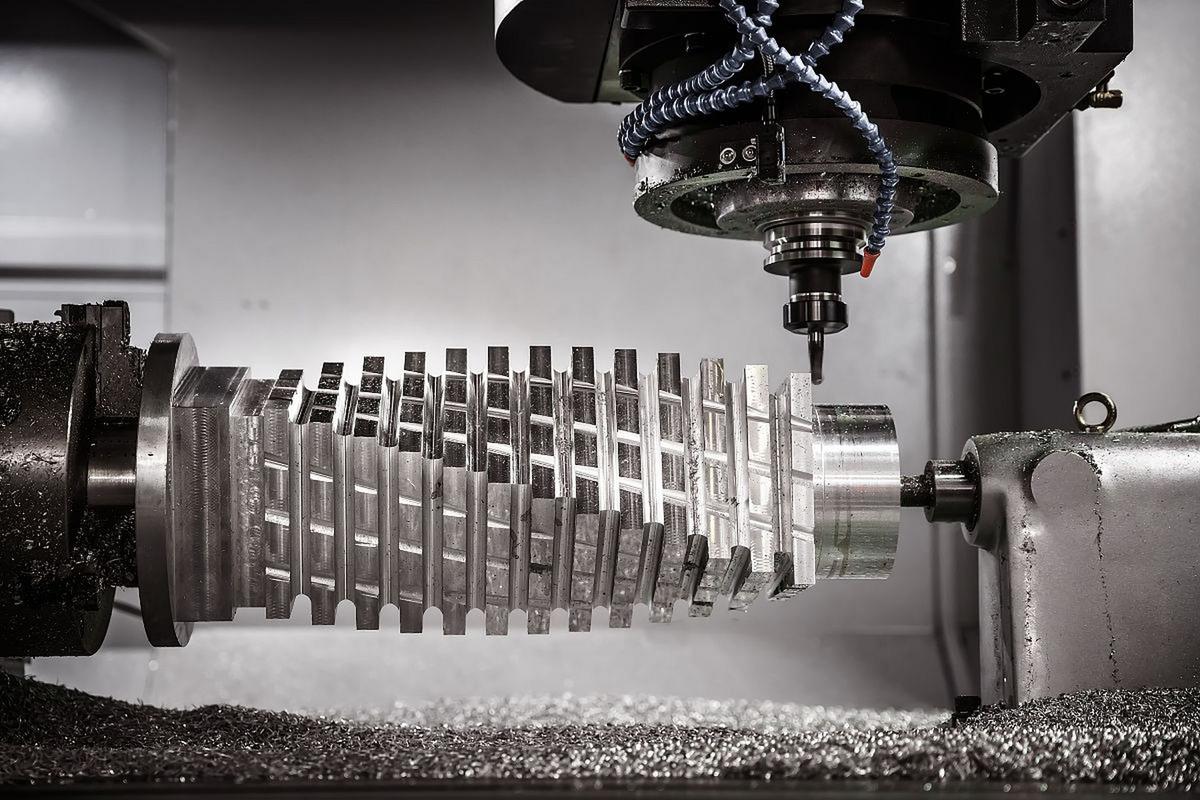
Senior Milling Engineer, Goldcattle 12 years experience, led 150+ precision machining projects Last Updated: January 2026 | Content based on
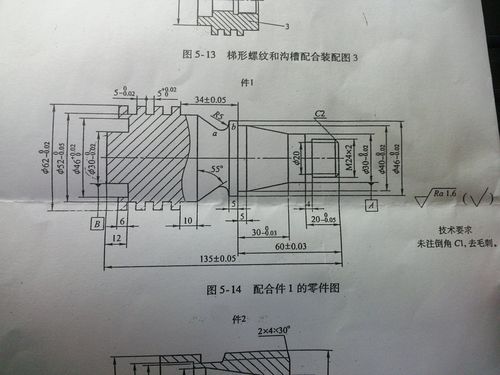
Understanding CNC Turning and Turned Metal Parts Metal turnings generally refer to metal chips or shaped components produced during the
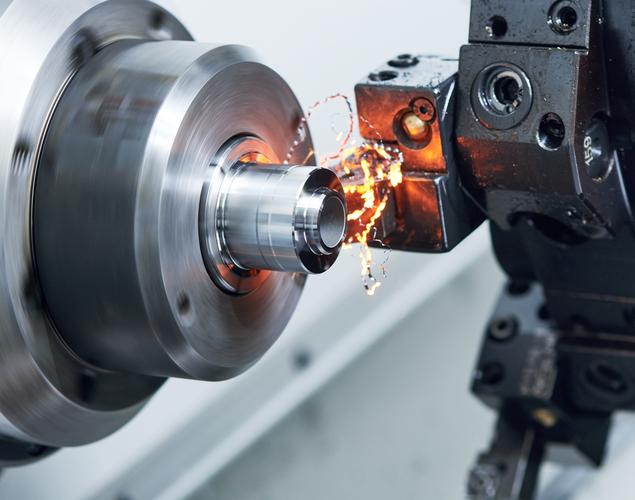
Answer: The main steps of turning include: Firstly, clamp the workpiece and the tool to ensure accurate positioning and firm