Fluoropolymer Manufacturing
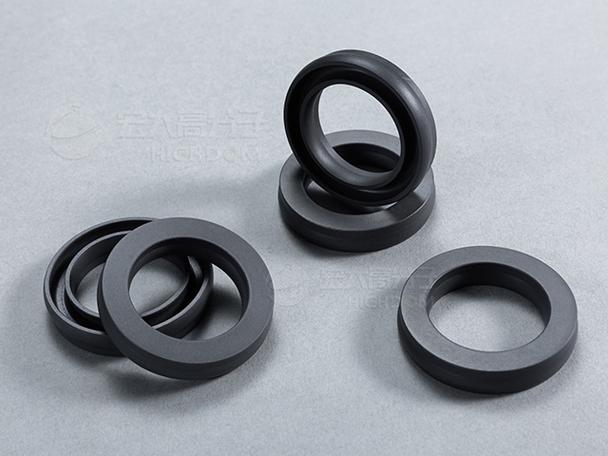
Custom Teflon™ Injection Molded Parts
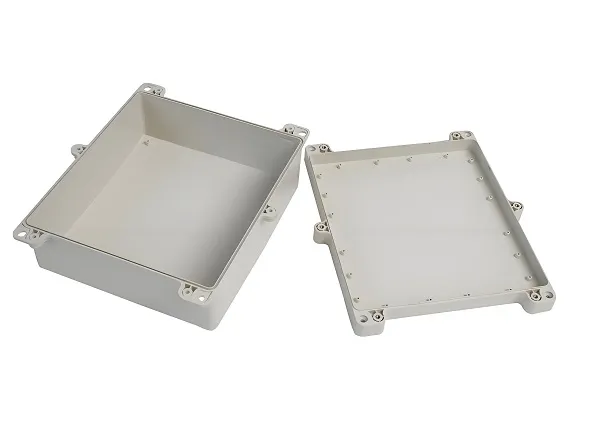
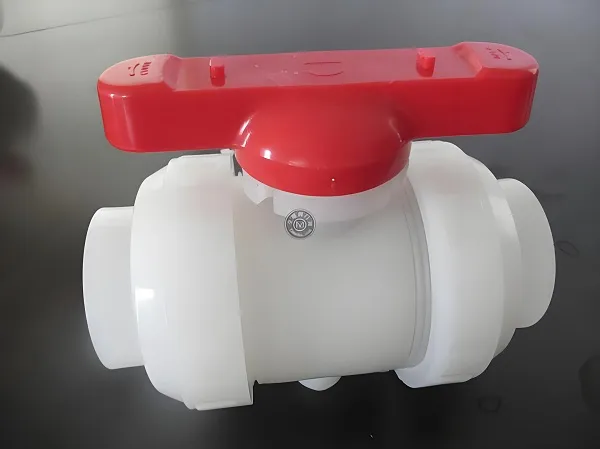
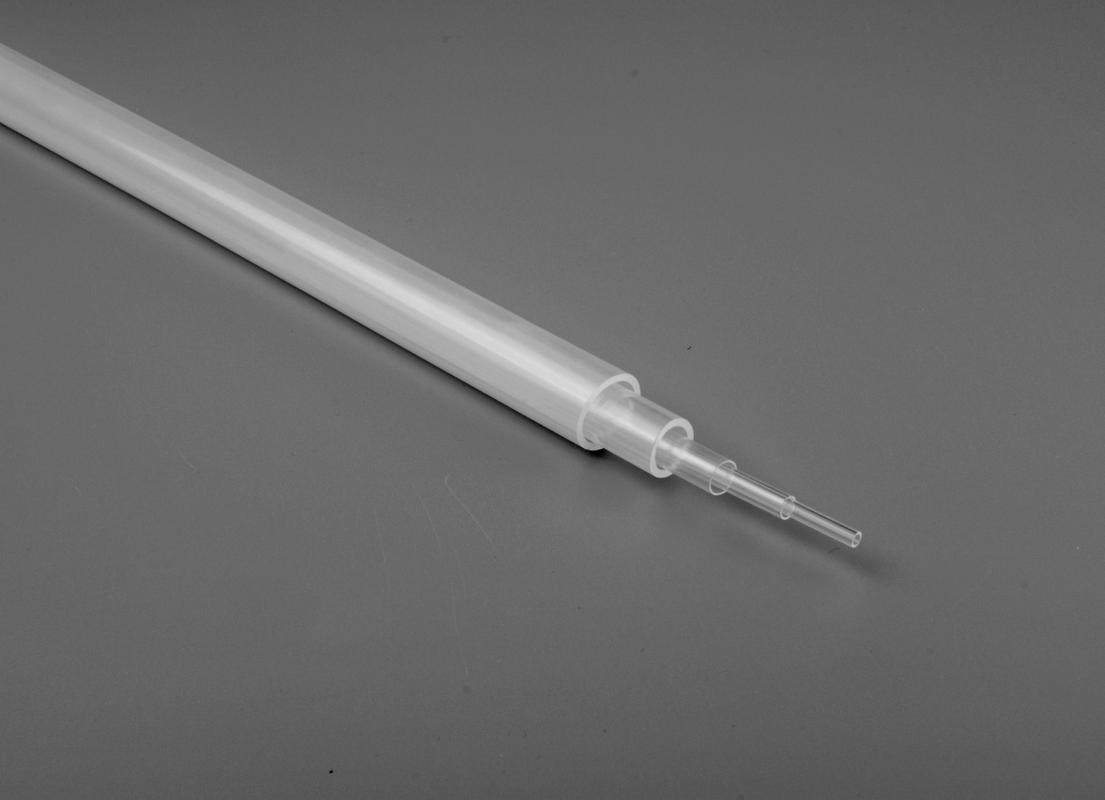
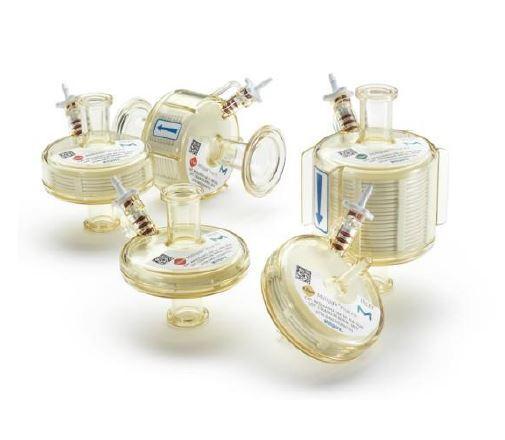
PTFE, PFA, FEP and other fluoropolymer components manufactured to your specifications. High-purity, chemical-resistant, temperature-tolerant — from prototype to production.
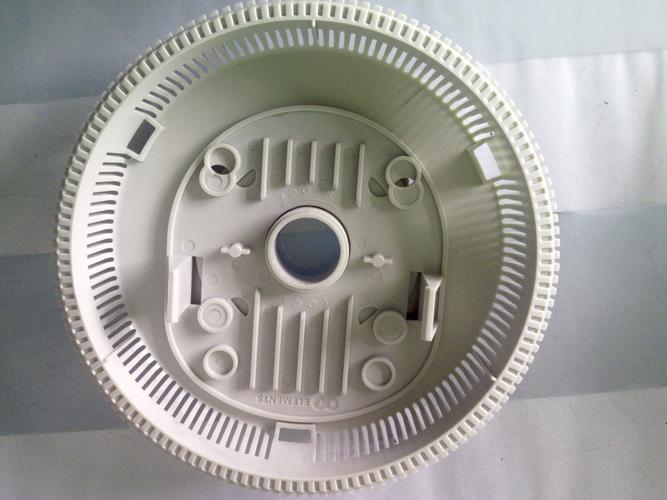
Manufacturing Capabilities
Teflon Parts Capability Snapshot
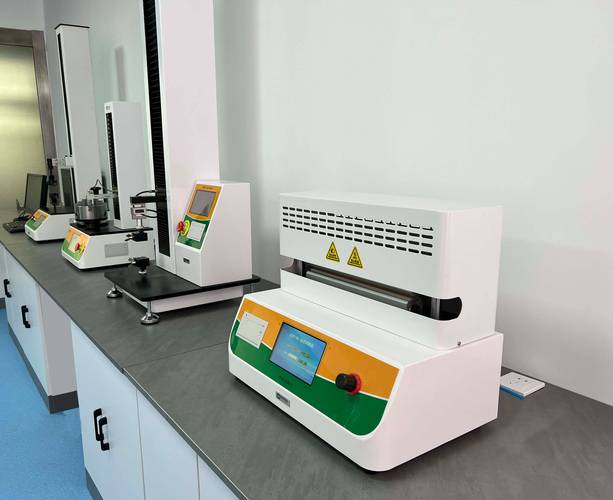
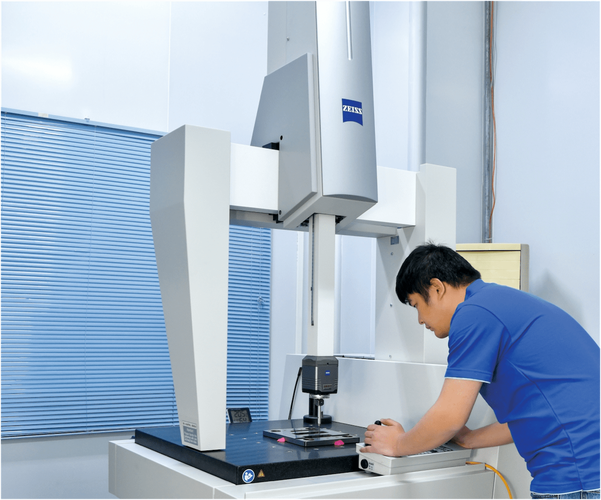
Dimensional inspection on a PTFE valve seat
Material Science
Fluoropolymer Material Selection Guide
PTFE vs PFA vs FEP — Quick Comparison
PTFE excels in temperature and chemical extremes but cannot be melt-processed like PFA or FEP. Choose PFA for complex injection-molded shapes requiring ultra-high purity. FEP offers transparency and good moldability. Our engineers help select the optimal grade for your application.
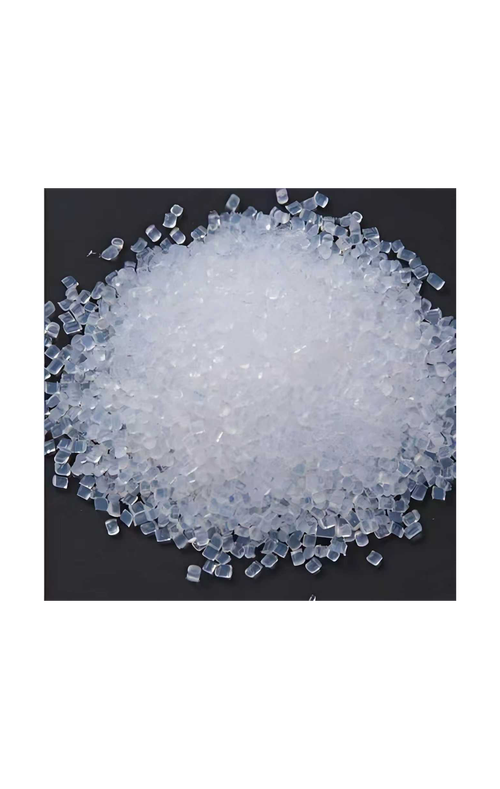
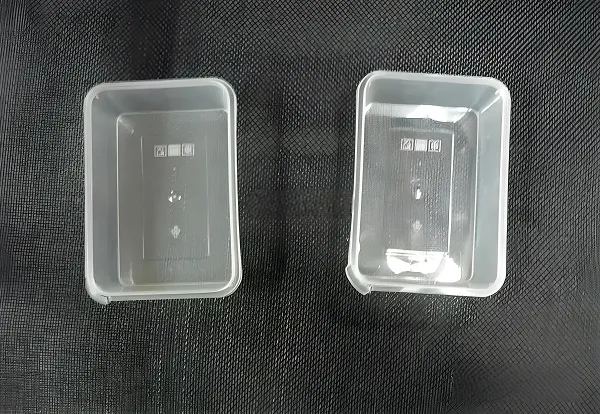
Material samples: PTFE, PFA, FEP
Production Workflow
Injection Molding Process & Key Control Points
Teflon fluoropolymers require specialized screw designs, corrosion-resistant tooling, and precise temperature control. Each step includes a checkpoint.
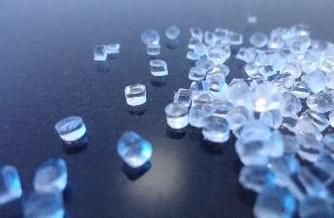
STEP 1
Material Prep
Check: Resin dried to <0.02% moisture. Lot traceability recorded.
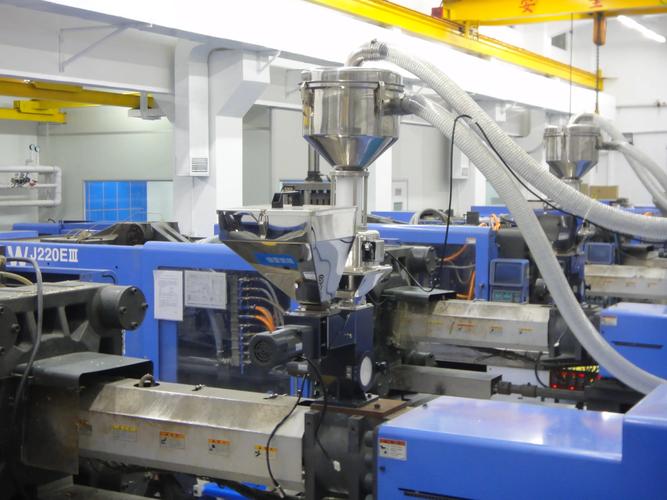
STEP 2
Molding
Check: Barrel temp profile monitored zone-by-zone. Injection pressure logged.
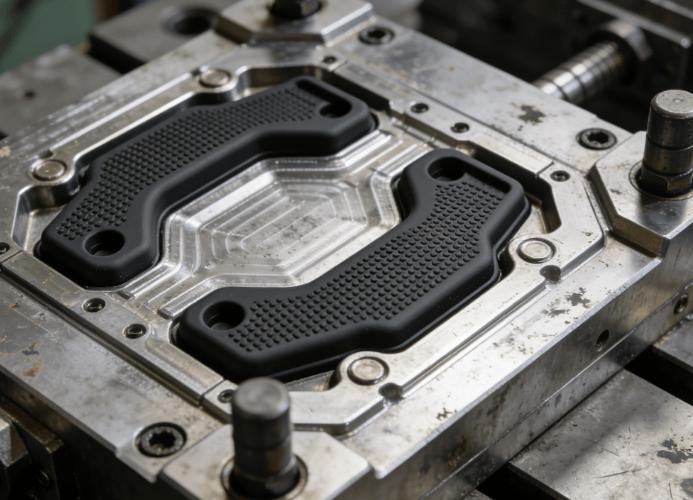
STEP 3
Cooling & Ejection
Check: Uniform cooling to prevent warpage. Part weight verified against standard.
STEP 4
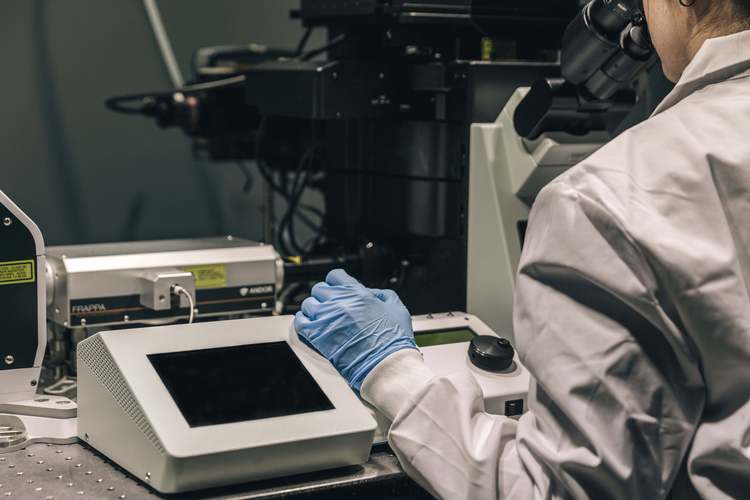
Inspection
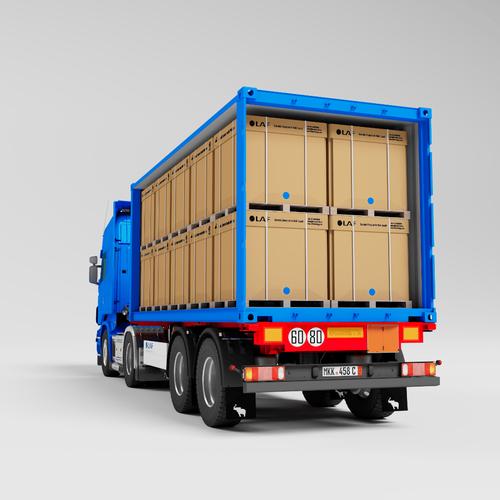
Check: AQL sampling, dimensional CMM report, visual defects under light.
STEP 5
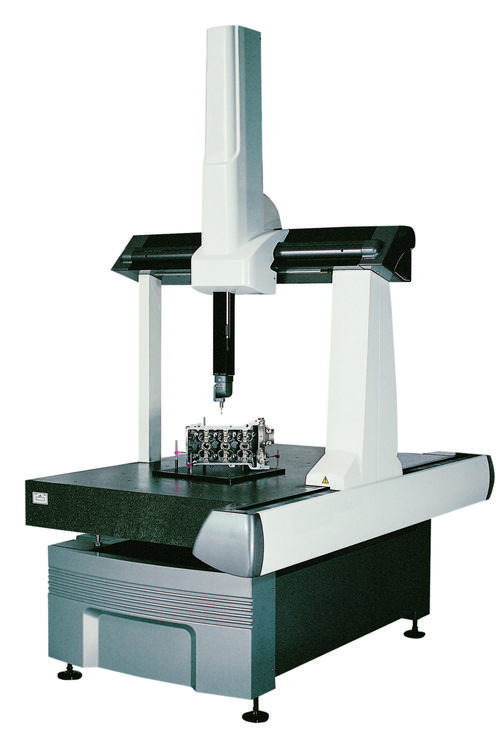
Pack & Ship
Check: Anti-static packaging. Cleanroom bagging for high-purity parts.
Specifications
Key Technical Parameters
| Materials | Virgin PTFE, glass-filled PTFE, carbon-filled PTFE, PFA, FEP, ETFE, PVDF |
| Process Methods | Injection molding (PFA/FEP/ETFE/PVDF), compression molding (PTFE), CNC machining (all) |
| Temperature Resistance | -200°C to +260°C (PTFE), 200°C (FEP), 150°C (ETFE/PVDF) |
| Hardness | Shore D 50 – 65 (typical PTFE) |
| Tensile Strength | 20 – 35 MPa (unfilled PTFE), up to 45 MPa (glass-filled) |
| Dielectric Strength | >18 kV/mm |
| Certifications | FDA, USP Class VI, EU 10/2011 available for select grades |
Problem Solving
Fluoropolymer Processing Challenges & Solutions
Porosity / Voids
Cause: Moisture in resin or improper compression.
Solution: Resin pre-drying protocol; optimized compression cycle with vacuum assist for PTFE.
Dimensional Instability
Cause: High coefficient of thermal expansion.
Solution: Mold design compensates for shrinkage; post-mold annealing stabilizes dimensions.
Cold Flow / Creep
Cause: PTFE deforms under sustained load.
Solution: Filled PTFE grades (glass, carbon, bronze) significantly reduce creep.
Contamination
Cause: Cross-contamination from tooling or environment.
Solution: Dedicated fluoropolymer tooling, cleanroom molding for semiconductor/medical grades.
Working with Goldcattle
Custom Teflon Parts OEM Development
Xiamen Goldcattle specializes in high-performance fluoropolymer component manufacturing. We serve chemical processing plants, semiconductor equipment makers, medical device companies, and aerospace suppliers across North America and Europe. Our engineering team provides DFM (Design for Manufacturing) feedback on every incoming drawing — evaluating material choice, wall thickness, undercuts, and tolerance feasibility before tooling begins.
Accepted formats: STEP, IGES, DWG, PDF. Typical prototype lead time: 2–3 weeks.
Project Experience
Case Studies
Buyer Questions
Frequently Asked Questions
Can PTFE be injection molded?
PTFE cannot be melt-processed like PFA or FEP. It is typically compression molded or machined. We offer injection molding for PFA, FEP, ETFE, and PVDF.
What is the difference between PTFE and PFA?
Both have similar chemical resistance and temperature range. PFA is melt-processable, enabling complex injection-molded shapes; PTFE is compression molded.
Do you provide material certifications?
Yes. Full material certs and test reports are provided with every shipment. FDA, USP Class VI, and EU compliance documents available.
What is the minimum order quantity?
Prototypes from single units. Production MOQ depends on part size and complexity, typically 100–500 units.
Can you manufacture from our CAD drawings?
Absolutely. STEP, IGES, DWG, and PDF files are accepted. We provide DFM feedback before tooling.
What tolerances can you hold?
±0.05mm for machined PTFE; ±0.1mm for injection-molded PFA/FEP parts, depending on geometry.
Are filled PTFE compounds available?
Yes. Glass fiber, carbon, graphite, bronze, and MoS2 filled PTFE grades for improved wear and creep resistance.
How long is the production lead time?
Prototypes: 2–3 weeks. Mass production: 3–5 weeks after sample approval, depending on quantity.
Do you offer cleanroom molding?
Yes, ISO Class 7 cleanroom available for semiconductor and medical-grade fluoropolymer parts.
What industries do you serve?
Chemical processing, semiconductor, medical devices, aerospace, food processing, and oil & gas.
Manufacturer Profile
Teflon Parts Manufacturer Snapshot
Company
Xiamen Goldcattle
Products
Teflon / Fluoropolymer Parts
Materials
PTFE, PFA, FEP, ETFE, PVDF
Processes
Injection, Compression, Machining
Industries
Chemicals, Semi, Medical, Aerospace
Production Scale
Prototype to Mass Production
Engineering
DFM Review & Material Consulting
Location
Xiamen, China