Custom Precision Metal Stamping Dies Manufacturer
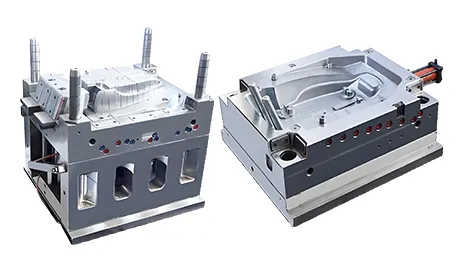
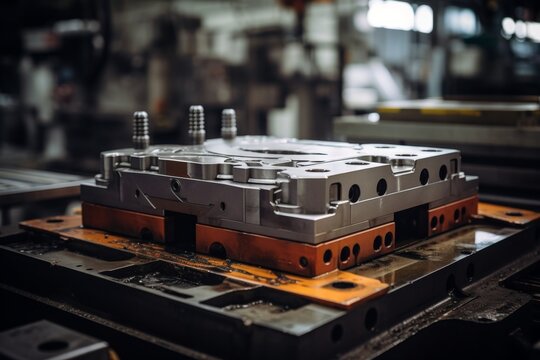
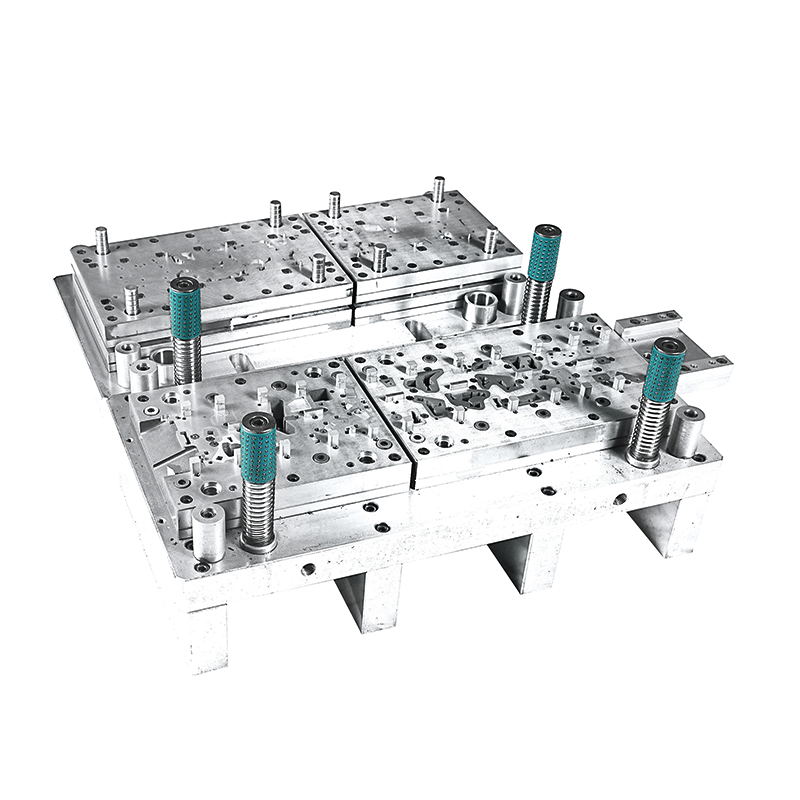
Goldcattle provides custom precision metal stamping dies for automotive, electronics, appliance, and industrial OEM applications. We manufacture progressive dies, transfer dies, compound dies, and precision tooling for high-volume production with tight tolerance control and long tool life.
Our engineering team works closely with you to optimize designs, reduce production costs, and ensure your tooling meets the most demanding industry standards.
💡 Fun Fact: A single well-engineered progressive die can replace up to 10 separate stamping operations, cutting production time by 70%!
Our Manufacturing Capabilities
Types of Metal Stamping Dies We Manufacture
Progressive Dies
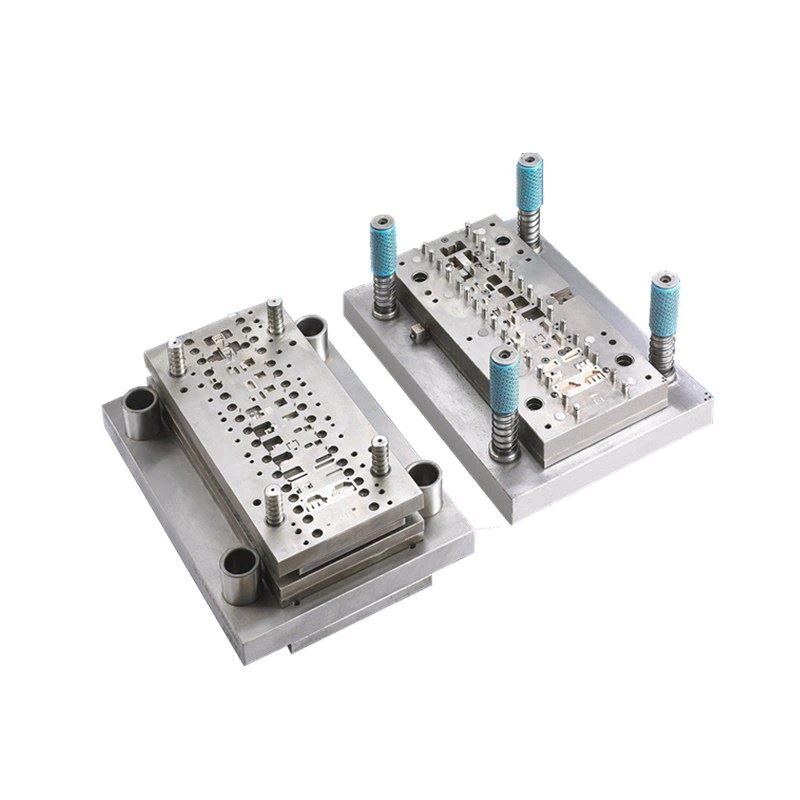
Our progressive stamping dies are designed for high-speed, high-volume production. They perform multiple stamping operations sequentially as the metal strip feeds through the tool, delivering exceptional part consistency and reducing per-unit production costs. Ideal for automotive hardware, electronic connectors, and small to medium-sized parts that require mass production.
Transfer Dies
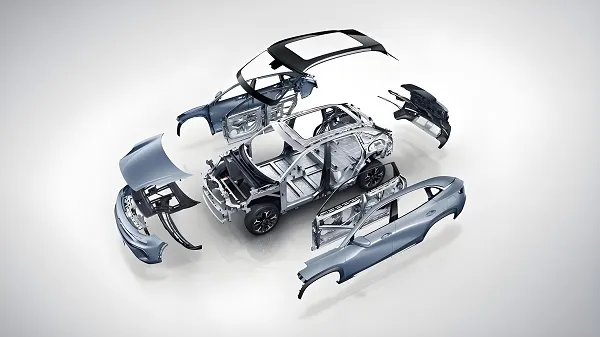
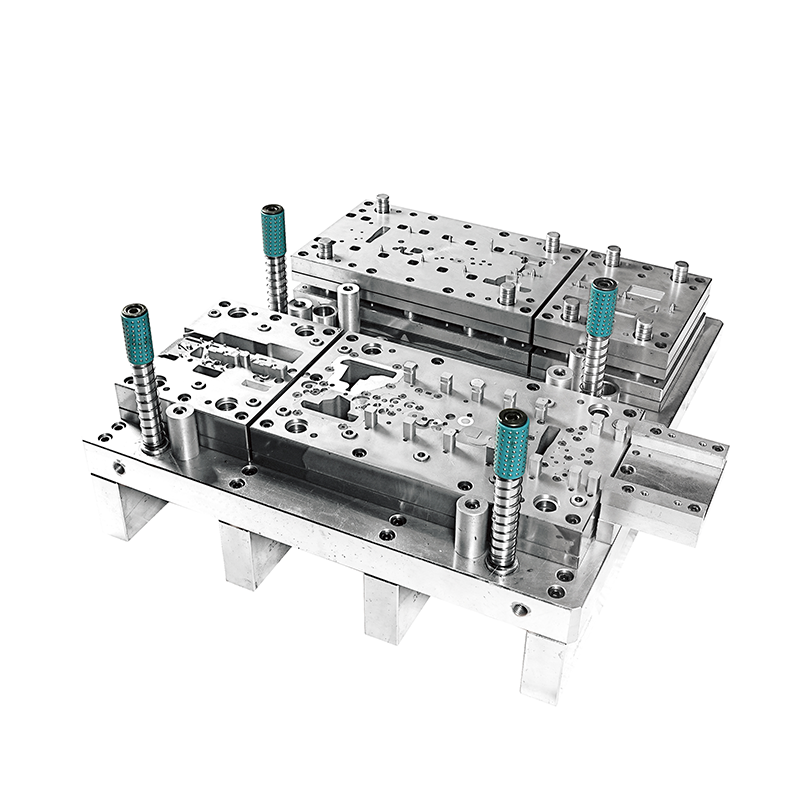
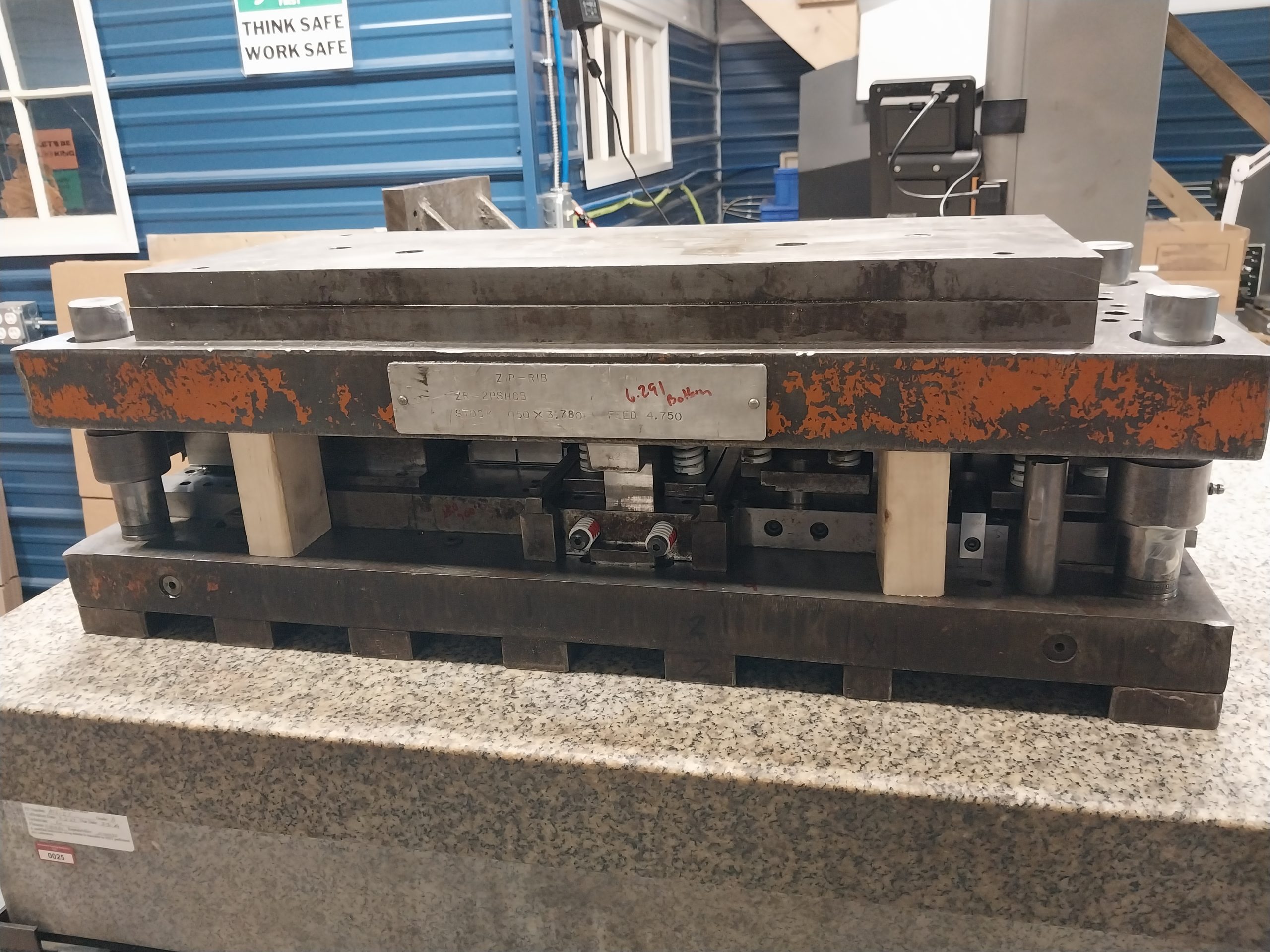
For larger, more complex parts and deep drawing applications, our transfer dies are the perfect solution. Instead of feeding a continuous strip, these dies transfer the part between stations, allowing us to handle heavier materials and larger components that can’t be processed with progressive tooling. Commonly used for automotive structural parts and large appliance components.
Compound Dies
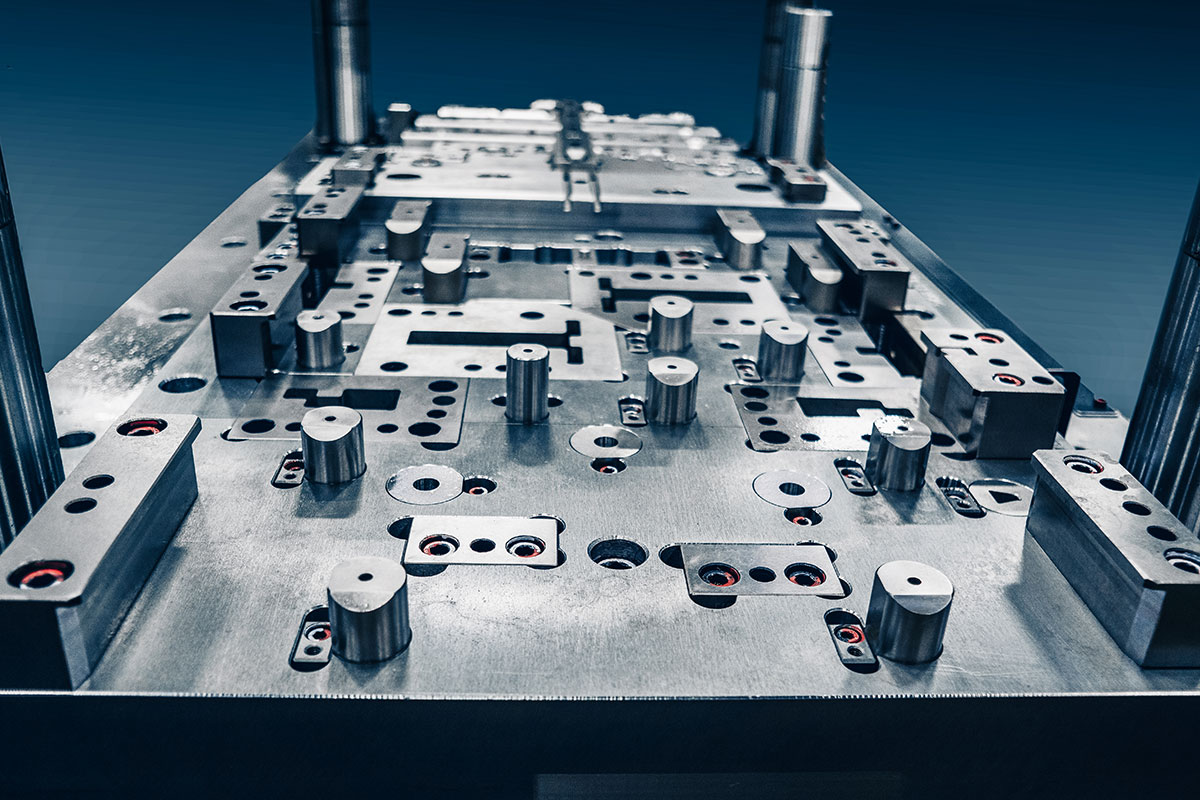
Compound dies complete multiple cutting operations in a single press stroke, delivering extremely high accuracy for hole positions and part dimensions. This makes them ideal for parts that require perfect flatness and precise tolerances, such as washers, gaskets, and precision electronic components.
Fine Blanking Dies
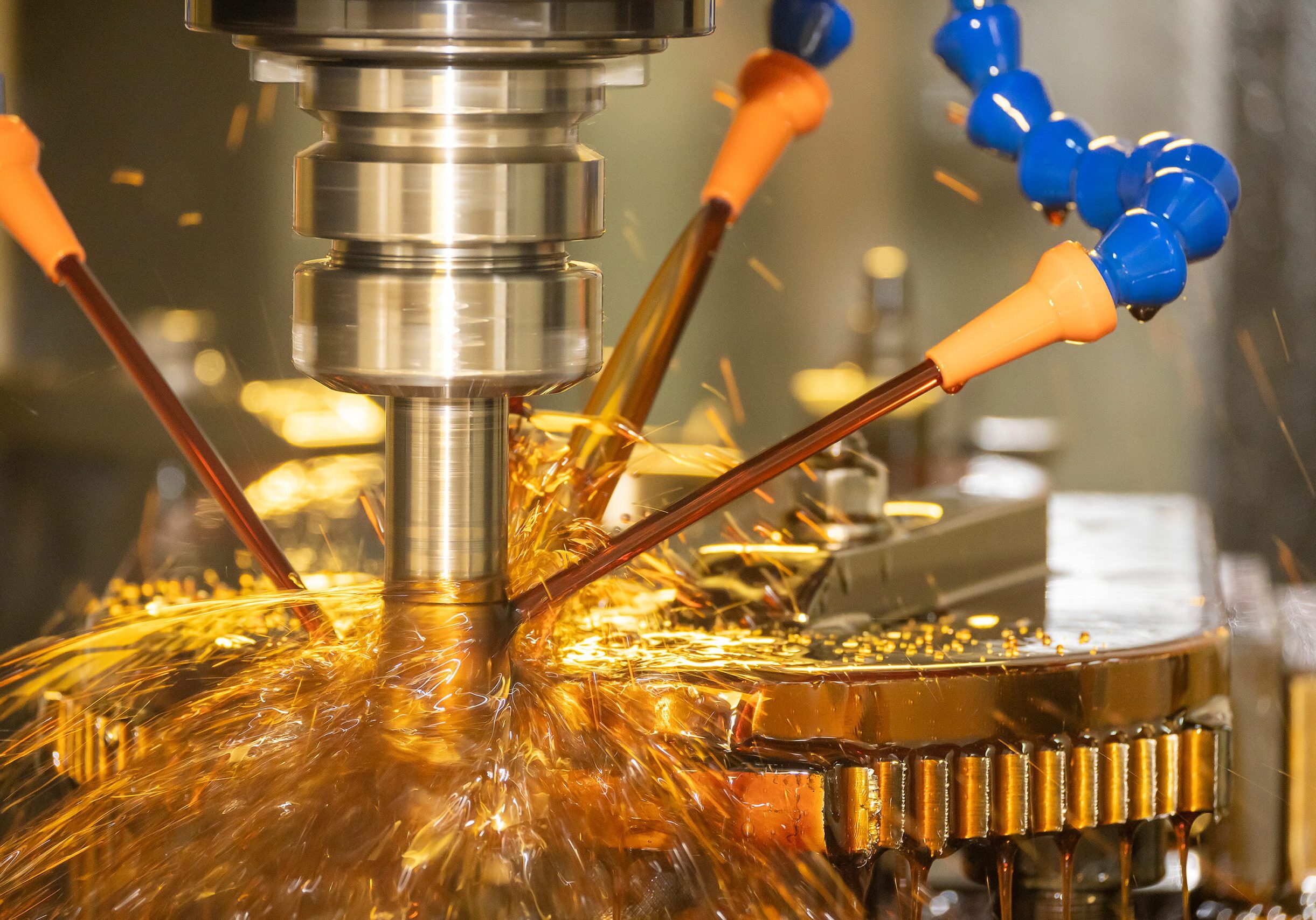
Our fine blanking dies produce parts with completely smooth, burnished edges, eliminating the need for secondary finishing operations. This precision process delivers tight tolerances and clean cut surfaces, perfect for high-precision gears, sprockets, and parts that require perfect edge quality for assembly.
💡 Did you know? Fine blanking can achieve edge quality that’s 10x smoother than standard stamping, removing the need for deburring!
Tool Steel Selection for Long Die Life
Industry Applications
Automotive
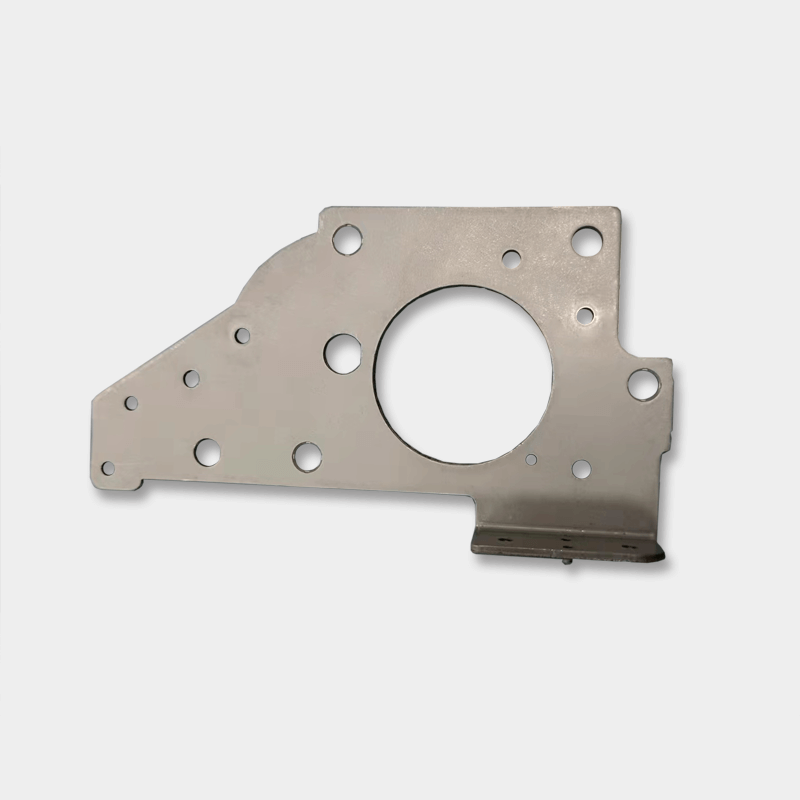
Brackets, reinforcement plates, structural components, connector terminals, and sensor parts that meet IATF 16949 standards.
Electronics
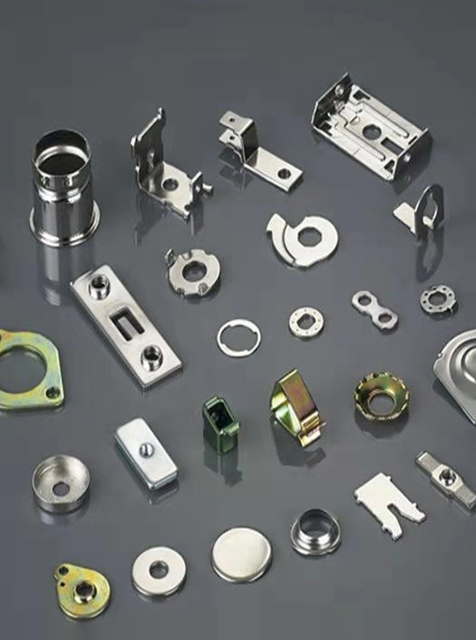
EMI shielding parts, connector terminals, lead frames, and precision components for consumer electronics and telecom devices.
Home Appliances
Washer and dryer components, oven parts, refrigerator hardware, and structural parts for major home appliances.
Industrial Equipment
Heavy equipment components, machinery parts, hydraulic system parts, and custom tooling for industrial manufacturing.
Medical Equipment
Surgical instrument parts, device housings, and precision components that meet strict medical industry quality standards.
DFM & Engineering Support
Our engineering team doesn’t just build tooling – we partner with you to optimize your part design for manufacturability. We help you reduce costs, improve quality, and speed up production before you even start mass manufacturing.
- ✅ Material optimization to reduce material costs without sacrificing performance
- ✅ Tolerance review to ensure feasible specifications that meet your requirements
- ✅ Cost reduction suggestions for tooling and production
- ✅ Tool life optimization to maximize your tooling investment
- ✅ Production feasibility analysis to avoid costly surprises later
Stamping Die Life & Maintenance
The actual lifespan of your stamping die depends on several factors, including the material being stamped, stamping speed, proper lubrication, and regular maintenance. Our team provides detailed maintenance guidelines to help you get the maximum lifespan from your tooling investment.
💡 Fun Fact: With proper maintenance, a carbide progressive die can last up to 10 million shots – that’s enough to produce parts for every household in a small country!
Quality Control for Precision Stamping Dies
We maintain strict quality control standards throughout the entire tooling manufacturing process to ensure your dies meet the highest precision requirements. Every die goes through a rigorous inspection process before delivery.
- ✅ CMM inspection for full dimensional verification
- ✅ Hardness testing to ensure proper tool steel properties
- ✅ Material certification with full traceability
- ✅ First article inspection to validate initial part quality
- ✅ Tooling validation with trial stamping runs
- ✅ Detailed dimensional reports for full documentation
We are ISO 9001 certified, and our quality system ensures consistent, reliable tooling that meets your industry’s strictest requirements.
Frequently Asked Questions
What is a precision metal stamping die?
A precision metal stamping die is a specialized tool used to cut or form metal sheet into specific shapes and dimensions with extremely high accuracy. These dies are essential for mass producing consistent, high-quality metal parts across various industries.
What is the difference between progressive die and transfer die?
Progressive dies use a continuous metal strip that moves through multiple stations, performing operations sequentially. Transfer dies move individual parts between stations, making them suitable for larger, heavier parts that can’t be processed with a continuous strip.
What materials are used for stamping dies?
We use a variety of tool steels including SKD11, DC53, D2 steel, and carbide, depending on your application requirements. The material is selected based on factors like production volume, the material being stamped, and required precision.
How long does a stamping die last?
The lifespan of a stamping die varies by type and usage. Progressive dies typically last 500,000 to 5 million shots, while transfer dies last 300,000 to 1 million shots. Proper maintenance can significantly extend this lifespan.
What tolerance can precision stamping dies achieve?
Our precision stamping dies can achieve tolerances as tight as ±0.01mm, depending on the part size and material. This level of precision is suitable for the most demanding applications in automotive, electronics, and medical industries.
How much does a custom stamping die cost?
The cost of a custom stamping die depends on factors like part complexity, size, required precision, and material. Contact our team with your part drawings for a detailed, no-obligation quote tailored to your specific needs.
How long does tooling production take?
Our standard lead time for custom stamping dies is 15-25 days. For urgent projects, we can offer expedited production to meet your tight deadlines.
Can you support low-volume production?
Yes, we support production volumes from prototype testing all the way up to mass production. We can work with you to provide the right solution whether you need a few test parts or millions of production parts.
What industries use precision stamping dies?
Precision stamping dies are used across a wide range of industries including automotive, electronics, home appliances, industrial equipment, medical devices, aerospace, and more.
How do you ensure tooling accuracy?
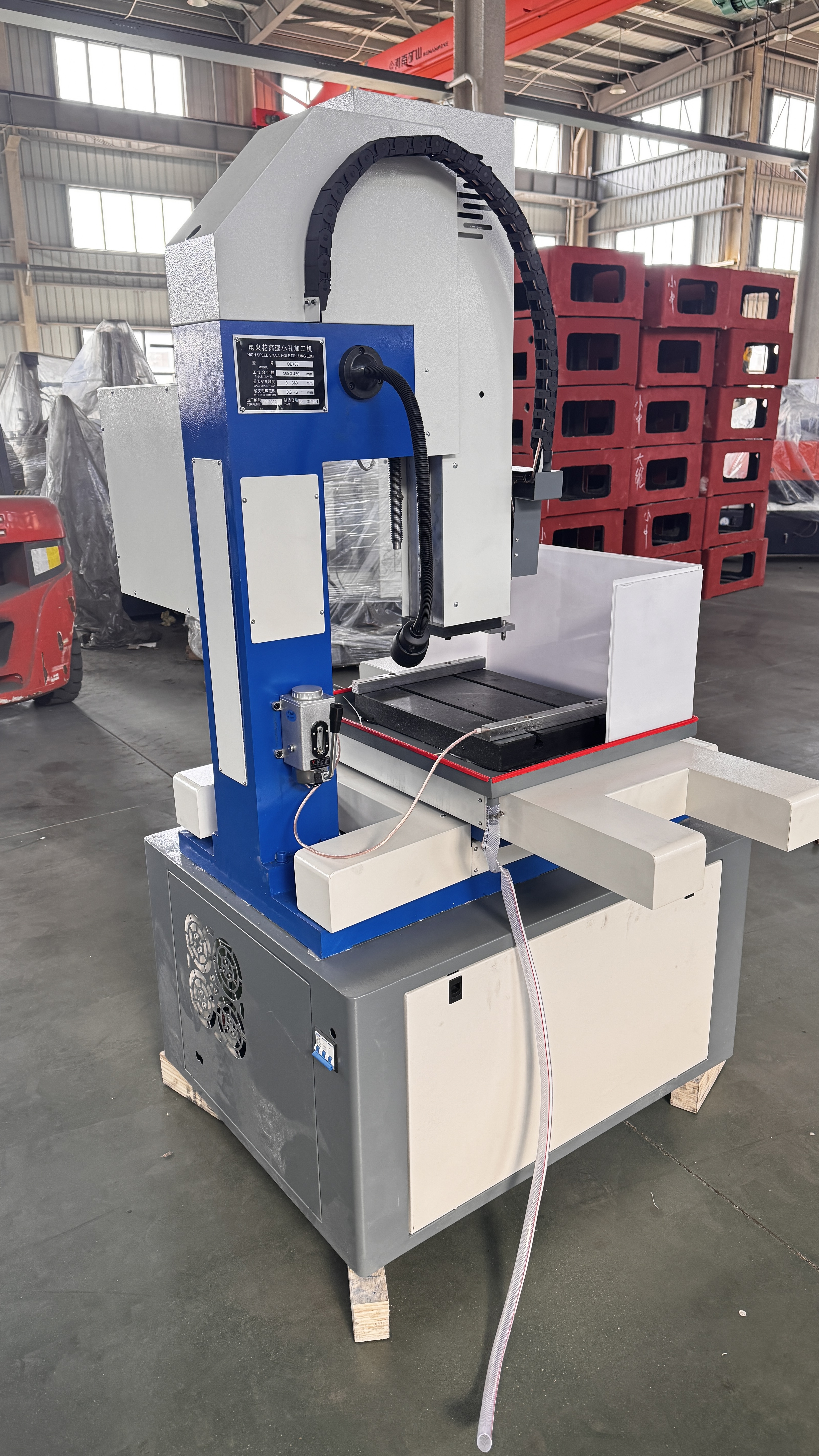
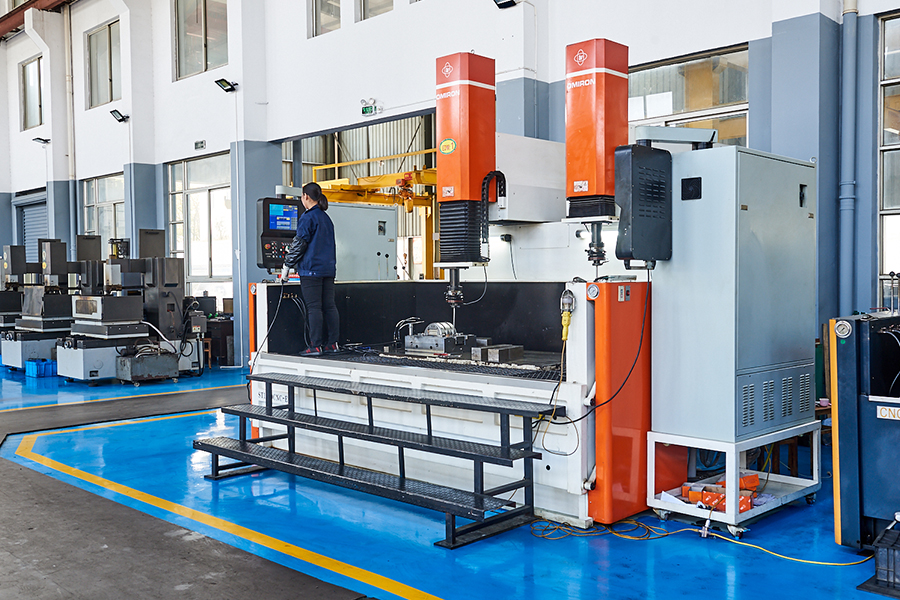
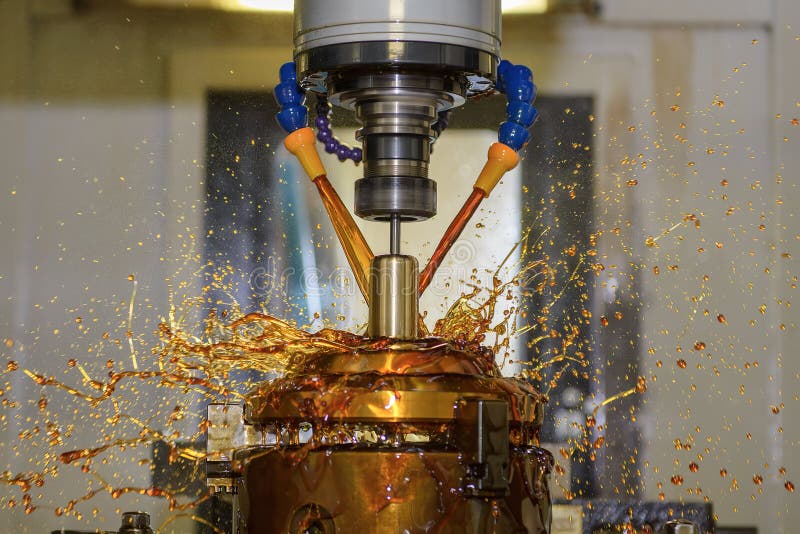
We use advanced CNC machining, EDM, and CMM inspection to ensure the highest accuracy. Every die goes through rigorous testing and validation before delivery, including trial stamping runs to verify part quality.