Our Low Volume Injection Molding Service
Xiamen Goldcattle is a professional precision injection molding manufacturer with 26 years of industry experience. We specialize in custom low-volume injection molding services, delivering production-grade plastic parts for global clients across North America, Europe and Asia.
Whether you need prototype validation, pilot production or bridge manufacturing before mass production, our fully in-house production capabilities ensure you get consistent, high-quality parts with strict ±0.02mm tolerance control, no outsourcing risks, and 98% on-time delivery to meet your project timelines.
We support all common thermoplastics and custom tooling solutions, helping you reduce upfront investment and speed up your product launch.
Quick Facts
Quick Answer
Low-volume injection molding is typically used for production runs between 100 and 10,000 units, providing a balance between tooling investment, production speed and part consistency. It is the ideal solution for prototyping, pilot production and bridge manufacturing before scaling to mass production.
What Is Low Volume Injection Molding?
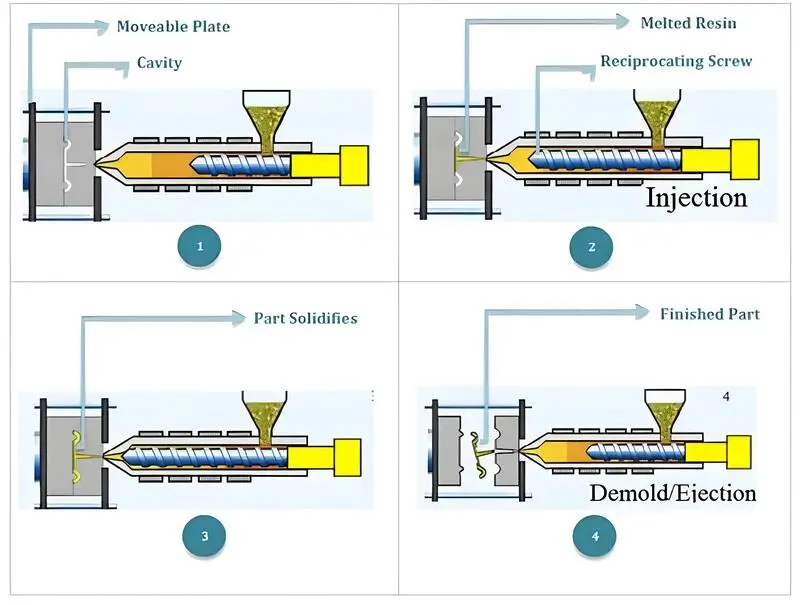
Low-volume injection molding is a specialized manufacturing process that produces small to mid-sized batches of plastic parts using cost-optimized tooling. Unlike traditional mass production molding, this approach prioritizes fast turnaround and reduced upfront investment, making it perfect for product development phases.
Our standardized process ensures consistent quality across every part, with clear milestones to keep your project on track:
- DFM Analysis (2-3 days): We review your design to identify manufacturability risks and optimization opportunities.
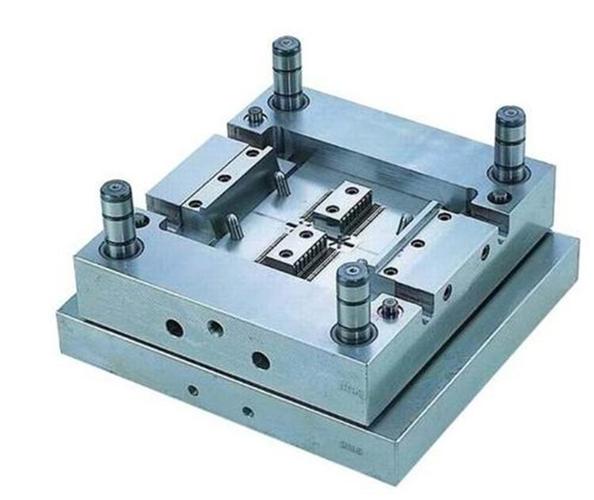
- Tooling Fabrication (10-15 days): We build custom tooling tailored to your production volume needs.
- Production (3-7 days): Injection molding with precise process controls, typical cycle time of 30-60 seconds per part.
- Post-Processing & Inspection: Deburring, surface finishing, and strict quality checks to meet your specifications.
When Is Low Volume Injection Molding the Best Choice?
This process is designed to support your product development journey, whether you are launching a new product, testing a market, or validating a design before full-scale production. It is particularly valuable for:
New Product Introduction (NPI)
Validate your product design with functional, production-grade parts before mass production.
Pilot Production
Run small batches to test your supply chain and manufacturing process before scaling.
Market Testing
Launch a limited run to test market demand without the risk of large inventory investment.
Bridge Manufacturing
Keep your product on the market while you wait for your full-scale production tooling to be ready.
Production Volume Comparison
| Quantity Range | Recommended Process |
|---|---|
| 1–20 pcs | 3D Printing |
| 20–200 pcs | CNC Machining |
| 200–10,000 pcs | Low Volume Injection Molding |
| 10,000+ pcs | Mass Production Injection Molding |
Quick Decision Tip: This guide helps you avoid overinvesting in expensive tooling for small runs, or missing out on unit cost savings for mid-sized batches. Choose the right process to match your project stage.
How Does It Compare to Other Processes?
Low Volume Injection Molding vs CNC Machining
Many buyers compare these two options for mid-sized runs. Here’s how they stack up:
| Factor | Low Volume Injection Molding | CNC Machining |
|---|---|---|
| Initial Tooling Cost | Higher ($1,500-$5,000) | Lower (No tooling required) |
| Unit Cost (for 1,000 pcs) | Lower ($2-$5 per part) | Higher ($10-$20 per part) |
| Complex Plastic Parts | Excellent (Intricate geometries, undercuts) | Limited (Hard to reach internal features) |
| Scalability | Excellent (Easily scale to mass production) | Moderate (Unit costs stay high as volume grows) |
Low Volume Injection Molding vs 3D Printing
3D printing is great for very small runs, but injection molding delivers production-grade parts for larger batches:
| Factor | Low Volume Injection Molding | 3D Printing |
|---|---|---|
| Material Properties | Production-grade thermoplastics, full material properties | Limited prototype materials, anisotropic strength |
| Surface Finish | Smooth, production-quality finish | Layer lines, requires post-processing |
| Cost for 500 pcs | $3,000-$8,000 total | $10,000-$20,000 total |
| Functional Testing | Perfect for functional and environmental testing | Limited to form and fit testing |
Tooling Options for Low Volume Production
We offer multiple tooling solutions to match your project needs, balancing cost, speed, and durability:
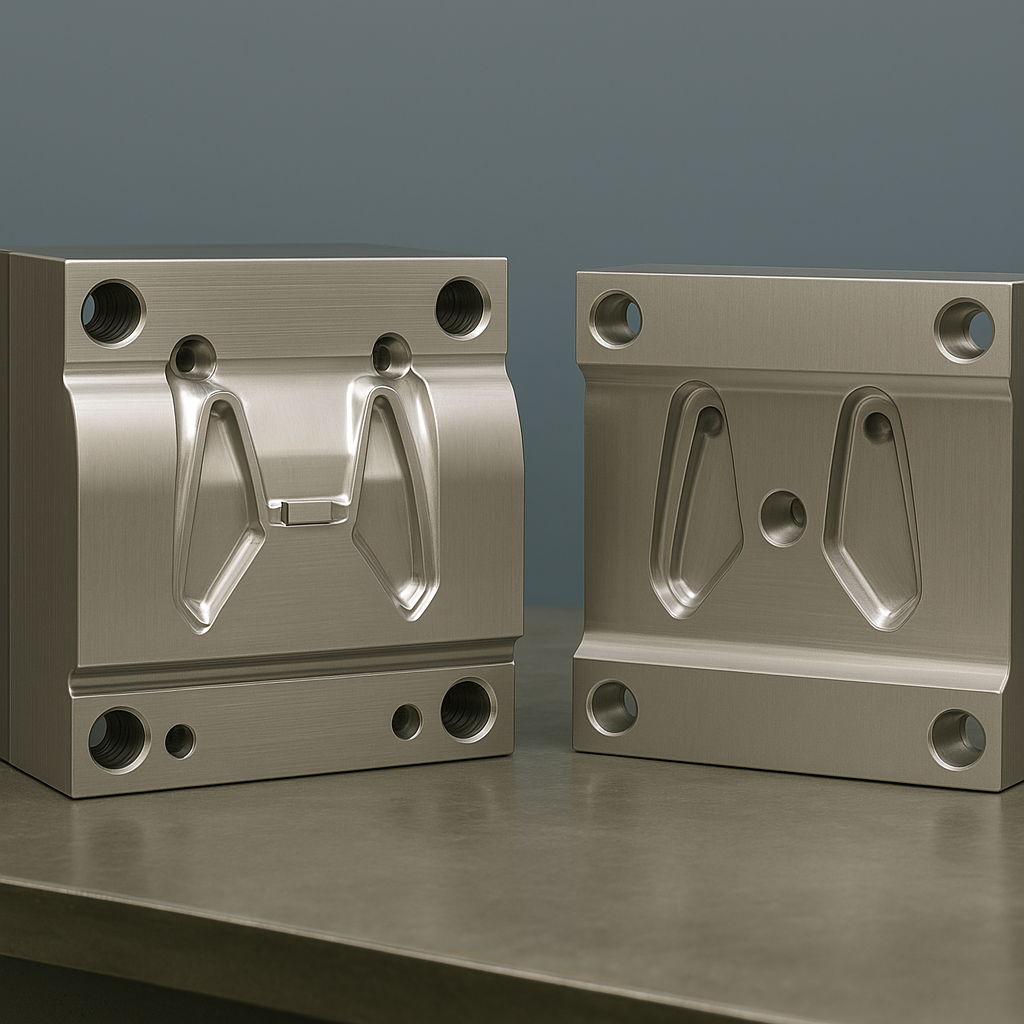
Aluminum Mold (Most Popular)
Our most common option for low-volume projects. Aluminum molds are fast to machine and cost-effective, while still delivering high-quality parts with our standard ±0.02mm dimensional tolerance.
- Cycle life: 5,000-10,000 shots
- Lead time: 10-15 days
- Cost: 60-70% less than steel tooling
Soft Tooling
For ultra-fast prototyping with very limited runs. Soft tooling uses epoxy or other lightweight materials to get you parts in as little as 7 days.
- Cycle life: Up to 500 shots
- Lead time: 7-10 days
Pre-Hardened Steel Mold
For projects that need longer tool life, or plan to scale up gradually. Steel molds offer greater durability for higher volume runs.
- Cycle life: 100,000+ shots
- Lead time: 20-25 days
Pro Tip: Aluminum tooling is perfect for bridge production. You can launch your product and start generating revenue while you finalize your full-scale steel tooling for mass production.
Material Selection Guide
We work with a wide range of production-grade thermoplastics to meet your application requirements. Here are our most popular options:
| Material | Key Properties | Typical Applications |
|---|---|---|
| ABS | Tensile Strength: 40 MPa, Heat Deflection: 80°C, High impact resistance | Consumer electronics housings, toys, automotive interior parts |
| PC (Polycarbonate) | Tensile Strength: 65 MPa, Heat Deflection: 120°C, Transparent, high impact strength | Transparent parts, safety components, medical devices, electronics |
| PP (Polypropylene) | Tensile Strength: 35 MPa, Heat Deflection: 100°C, Chemical resistant, low cost | Packaging, household goods, automotive components, medical parts |
| PA66 (Nylon) | Tensile Strength: 80 MPa, Heat Deflection: 180°C, Wear resistant, high strength | Gears, bearings, automotive underhood parts, mechanical components |
| POM (Acetal/Delrin) | Tensile Strength: 70 MPa, Heat Deflection: 110°C, Low friction, high stiffness | Precision gears, fasteners, springs, mechanical parts |
| TPU (Thermoplastic Polyurethane) | Hardness: 60A-95A, High elasticity, abrasion resistant | Seals, gaskets, flexible components, wheels, grips |
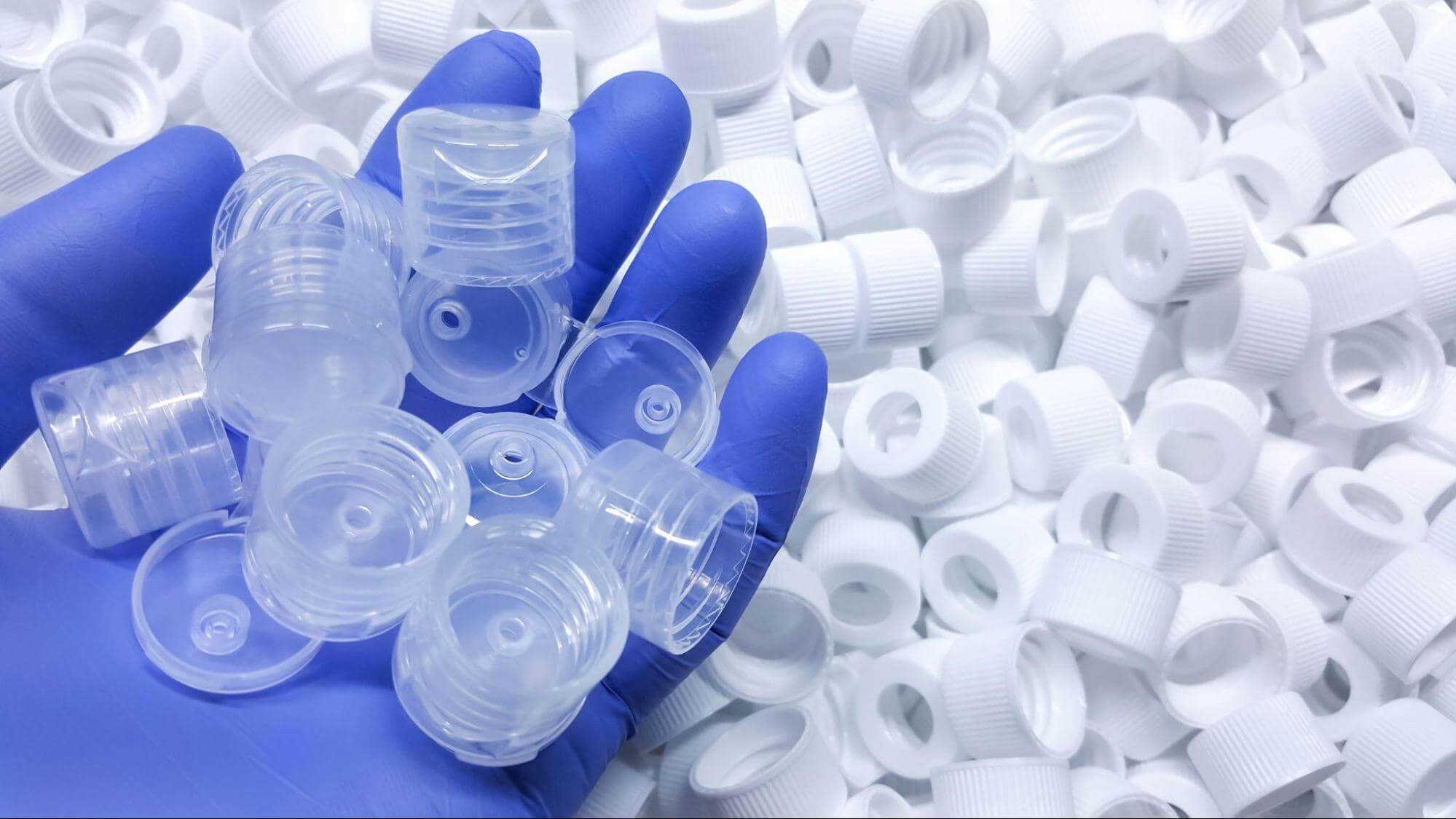
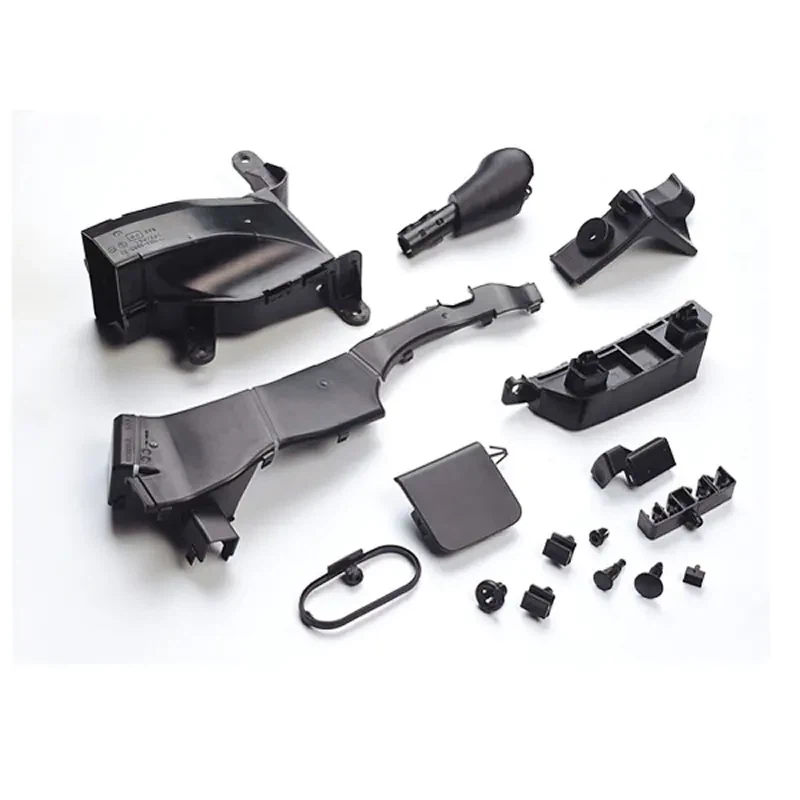
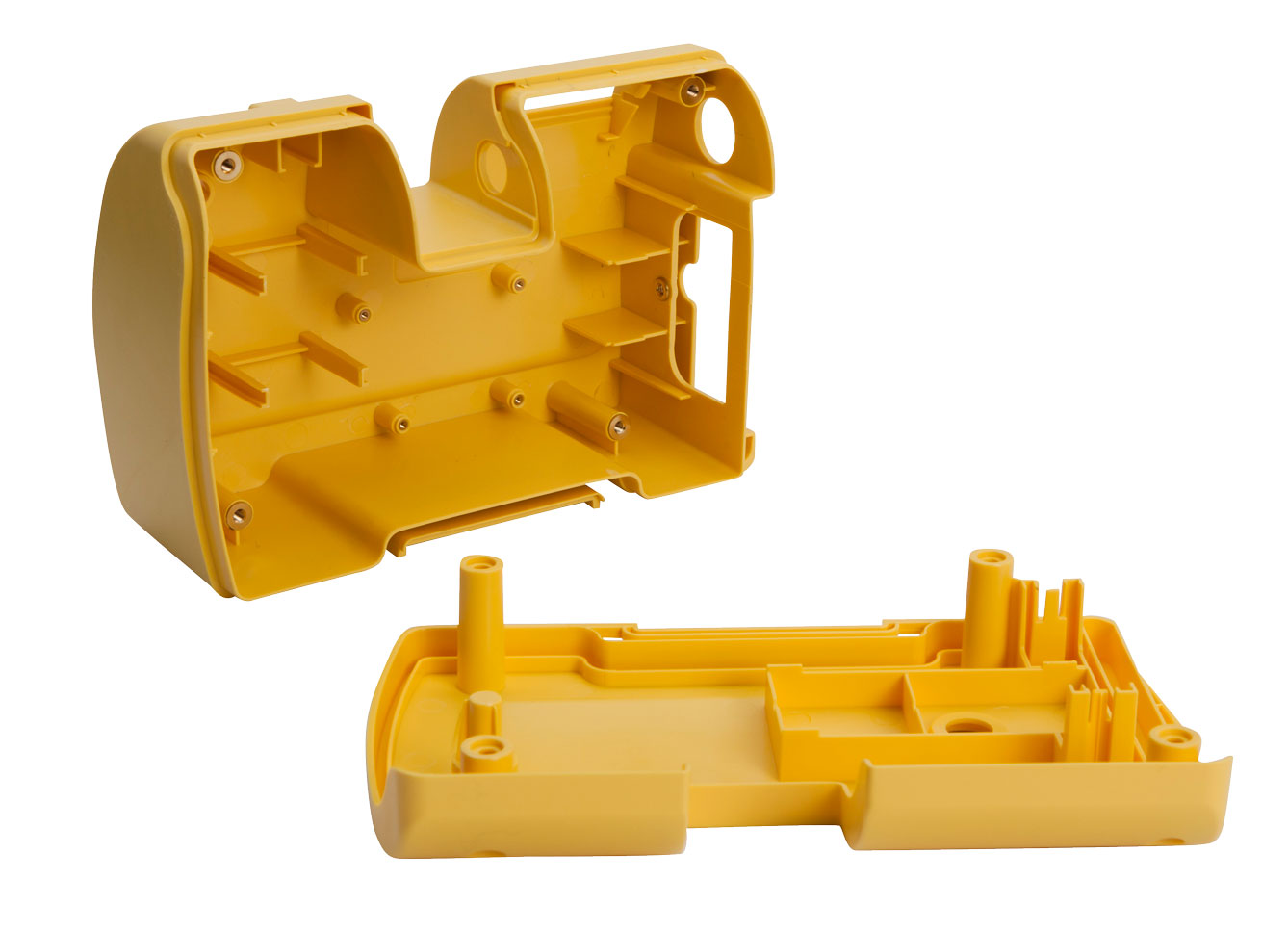
Industries We Serve
Why Choose Goldcattle?
Years of Precision Manufacturing Experience
ISO 9001 & IATF 16949 Compliant
Strict Dimensional Tolerance Control
No Outsourcing, Full Process Control
With our fully in-house production capabilities, we manage your entire project from design to delivery without third-party outsourcing. We have served over 200 global clients across North America, Europe and Asia, ensuring consistent quality, 98% on-time delivery, and strict process control for your low-volume production needs.
Frequently Asked Questions
What is considered low-volume injection molding?
Typically, low-volume injection molding refers to production runs between 50 and 10,000 parts. It is designed to fill the gap between prototyping and full mass production.
What is the minimum order quantity?
Our minimum order quantity for low-volume injection molding is 50 pieces. We can work with you even for smaller runs if needed, just contact us to discuss your project.
Is aluminum tooling suitable for production?
Yes, aluminum tooling is perfectly suitable for low-volume production. It can produce up to 10,000 high-quality parts, and is a cost-effective alternative to steel tooling for bridge production.
How much does low-volume injection molding cost?
The cost depends on part complexity, material, and quantity. Typically, tooling costs range from $1,500 to $5,000, with unit costs from $2 to $20 depending on the part size and complexity. Contact us for a custom quote.
What materials are available?
We work with all common thermoplastics including ABS, PC, PP, PA66, POM, TPU, and many more. We also support engineering-grade and medical-grade materials for specialized applications.
How long does tooling take?
For aluminum tooling, we can have your tool ready in 10-15 days. Soft tooling can be ready in as little as 7 days, while steel tooling takes 20-25 days.
Is low-volume molding cheaper than CNC?
For runs over 200 parts, yes. While injection molding has an upfront tooling cost, the unit cost is much lower than CNC, so the total cost becomes cheaper as your quantity grows.
Can I move to mass production later?
Absolutely. Many of our customers start with low-volume aluminum tooling to test their product, then move to steel tooling for mass production once the market is proven. We can support you through the entire scaling process.
Do you support DFM analysis?
Yes, we provide a free Design for Manufacturability (DFM) analysis for every project. Our engineers will review your design to identify potential issues and recommend optimizations to reduce cost and improve quality.
Can you manufacture from drawings?
Yes, we can work from your 2D drawings or 3D CAD files. We support all common file formats including STEP, IGES, STL, and PDF. Just send us your files and we will provide a detailed quote.
“We’ve been partnering with Goldcattle for 3 years for our automotive component orders. Their in-house production means no outsourcing surprises—every single batch has the same perfect quality, and their on-time delivery rate is truly as reliable as they claim. They’re our most trusted manufacturing partner.”
— Robert L., Auto Parts Supplier, USA