What Are Precision Machined Parts? Complete Guide to Accuracy, Tolerances, and Supplier Selection
Understand precision machined components, how manufacturers achieve tight tolerances, and how to select the right supplier for your critical industrial project.
What Are Precision Machined Parts?
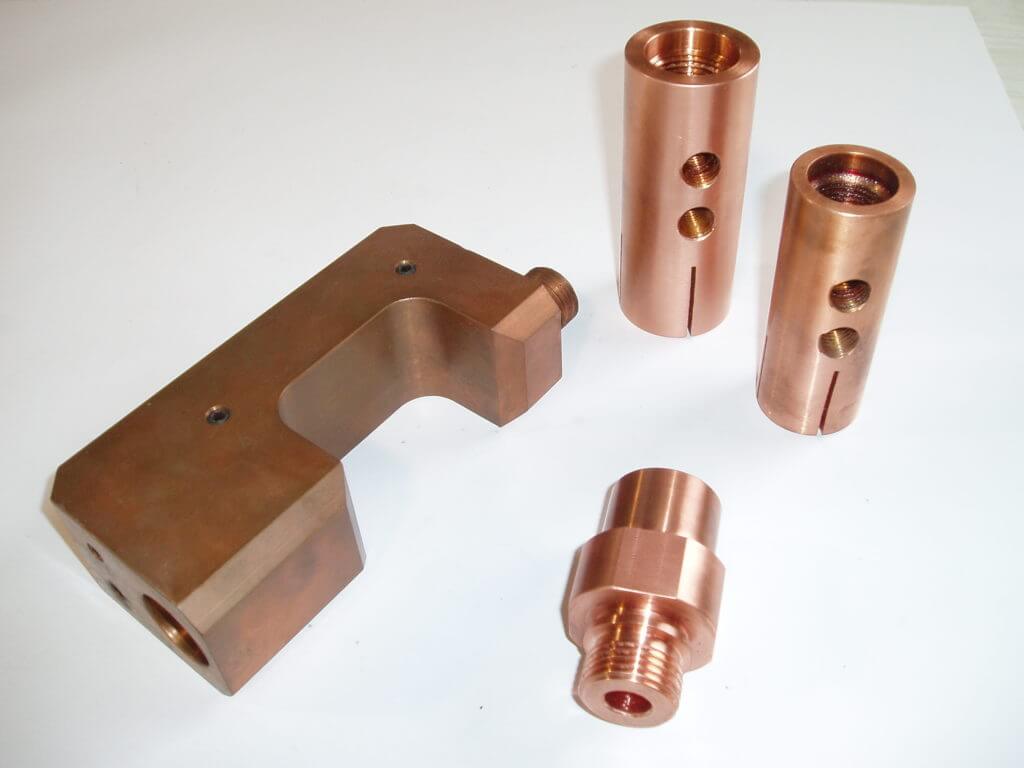
Atomic Answer: Precision machined parts are components manufactured to extremely tight tolerances, typically within ±0.01mm or better, for applications requiring exact fit, reliable performance, and consistent repeatability across production runs.
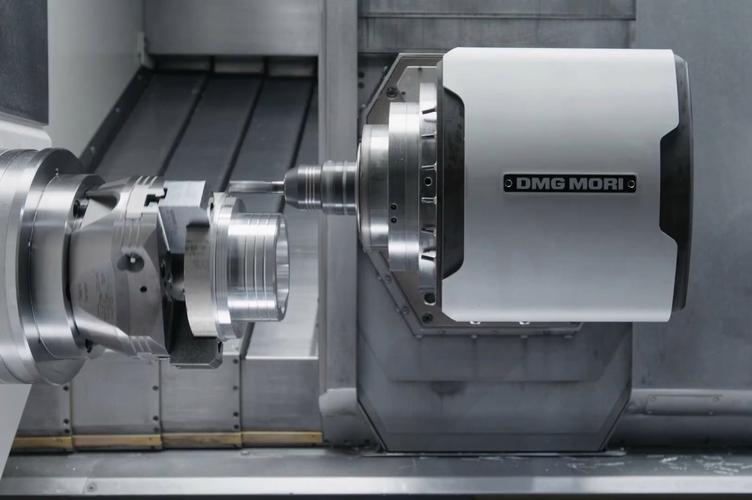
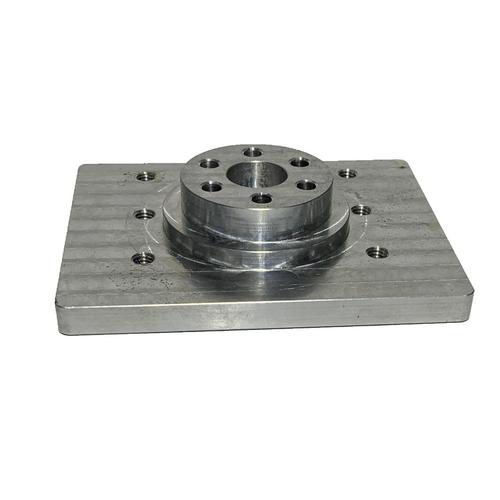
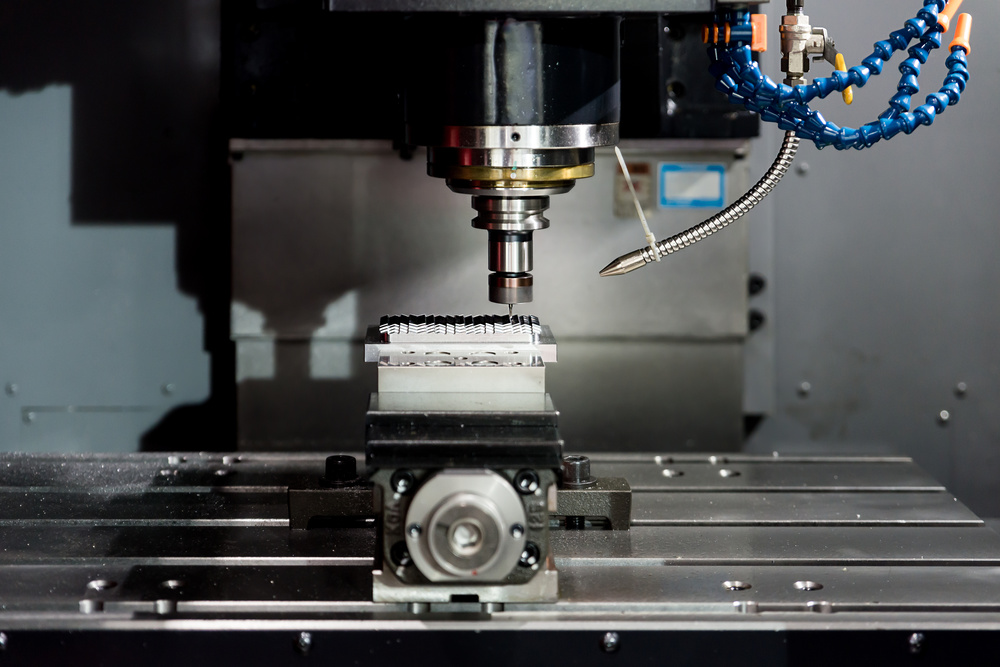
Unlike standard machining, which focuses on producing parts with general dimensional accuracy, precision machining is designed to meet extremely strict dimensional requirements. It uses computer-controlled CNC equipment to remove material from a workpiece with micron-level accuracy, enabling the production of complex, custom parts that fit and function perfectly every time.
This process is not limited to small parts either – modern precision machining can produce large components with the same tight tolerances, making it suitable for everything from tiny medical implants to large aerospace structural parts.
Why Precision Matters in Modern Manufacturing
For critical industrial applications, precision isn’t just a nice-to-have – it’s a requirement. Even a small dimensional deviation can lead to:
- •Part assembly failure, as components won’t fit together properly
- •Product performance issues, such as leaks, friction, or reduced efficiency
- •Safety risks, especially in medical, aerospace or automotive applications
- •Inconsistent quality across production batches, leading to waste and rework
Typical Tolerance Ranges for Precision Parts
Not all precision parts require the same level of accuracy. We categorize precision machining into three standard grades to match different project requirements:
| Precision Grade | Tolerance Range | Typical Use Case |
|---|---|---|
| Standard Precision | ±0.05mm | General industrial parts |
| High Precision | ±0.01mm | Automotive, automation components |
| Ultra Precision | ±0.005mm | Medical, aerospace critical parts |
We can adjust the precision level based on your project requirements, helping you avoid overpaying for unnecessary accuracy.
How Precision Machining Accuracy Is Achieved
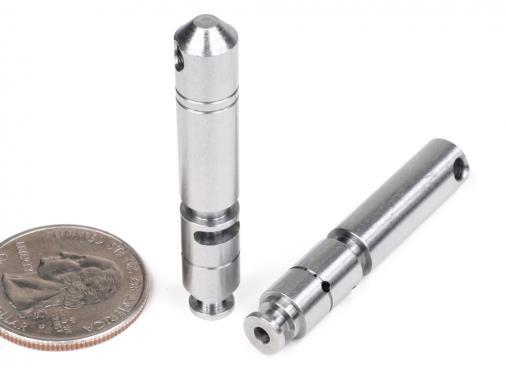
Achieving tight tolerances isn’t just about having an expensive machine. It requires coordinated control of multiple factors throughout the entire process:
- •Machine Positioning Accuracy: Our high-precision CNC machines have linear scale feedback, ensuring positioning accuracy within 0.001mm.
- •Tool Wear Compensation: We automatically adjust tool paths to compensate for tool wear during long production runs.
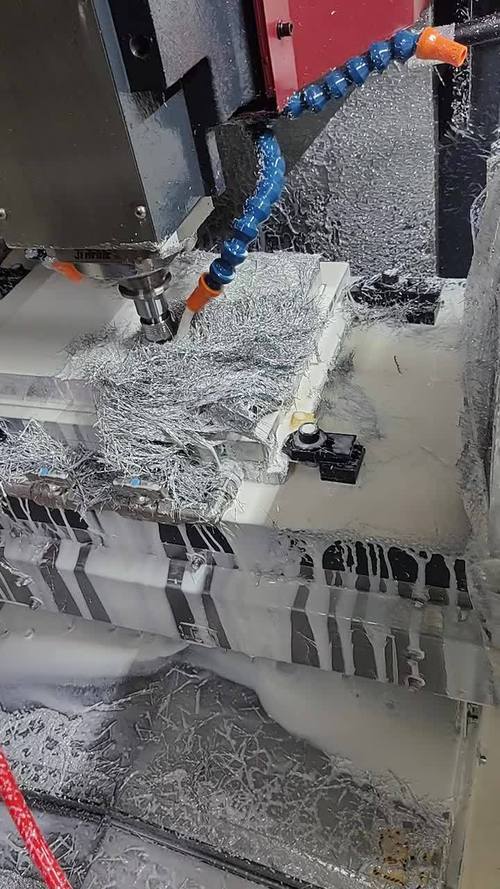
- •Thermal Stability Control: We use temperature-controlled coolant systems and thermal compensation algorithms to prevent heat deformation.
- •Custom Fixturing: We design rigid custom fixtures to secure the workpiece, eliminating vibration and deflection during cutting.
Common Precision Machining Challenges & Our Solutions
Thermal Expansion
Heat generated during cutting can cause material expansion and part deformation. Our solution: We use high-pressure coolant systems to control cutting temperature, and adjust cutting parameters based on material thermal properties to maintain dimensional stability.
Tool Deflection
Long tools can bend during cutting, leading to dimensional errors. Our solution: We select high-rigidity tool materials, optimize cutting speeds, and use tool length compensation to ensure accurate cutting.
Machine Vibration
Vibration can cause surface roughness and dimensional errors. Our solution: Our machines are installed on vibration-isolated foundations, and we use dynamic vibration damping technology to ensure stable cutting.
Material Deformation
Thin-wall parts are prone to warping after machining. Our solution: We use stress-relief processes before machining, and optimized tool paths to minimize internal stress release.
When Precision Machining Is Necessary (And When It’s Not)
When You Need Precision Machining
- ✅Medical device components
- ✅Aerospace structural assemblies
- ✅Fluid sealing components
- ✅Optical system parts
- ✅High-precision automation equipment
When It May Be Over-Specified
- ❌Decorative cosmetic housings
- ❌Rough structural brackets
- ❌Non-functional prototype parts
- ❌Low-precision packaging components
- ❌Simple non-critical parts
Our engineering team will review your design and help you choose the right precision level, saving you unnecessary cost without sacrificing part performance.
Precision vs Standard Machining: What’s The Difference?
Not sure which machining type is right for your project? Here’s a quick comparison:
| Factor | Precision Machining | Standard Machining |
|---|---|---|
| Typical Tolerance | ±0.005mm to ±0.01mm | ±0.05mm to ±0.1mm |
| Cost | Medium-High | Low-Medium |
| Lead Time | 5-15 days | 3-7 days |
| Best For | Critical functional parts | General non-critical parts |
How to Choose a Reliable Precision Machining Supplier
✅
Industry Experience
Choose a supplier with experience in your specific industry, as they understand the unique requirements and standards.
✅
Quality Certification
ISO 9001 certification is a minimum, and for medical/aerospace, look for ISO 13485 or AS9100.
✅
Proven Precision Capability
Make sure the supplier can actually deliver the tolerance you need, with inspection data to prove it.
✅
Full Lifecycle Support
A good supplier can support you from prototype to mass production, with consistent quality.
✅
Detailed Inspection Reports
They should be able to provide full inspection reports, including FAI, CMM reports and material certificates.
✅
IP Protection
They should be willing to sign NDA to protect your design data and intellectual property.
Industries We Serve with Precision Parts
Aerospace
Medical
Automotive
Industrial Automation
Consumer Electronics
Robotics
Frequently Asked Questions
What tolerance defines a precision machined part?
Generally, parts with tolerances tighter than ±0.01mm are considered precision machined parts, though the exact definition can vary by industry. We can achieve tolerances as tight as ±0.005mm for critical applications.
Why are precision machined parts expensive?
Precision machining requires more advanced equipment, specialized tooling, stricter process control, and more detailed inspection, which adds cost. However, it prevents costly rework and failure in critical applications, making it cost-effective in the long run.
What industries require precision machining?
Industries that require precision machining include aerospace, medical, automotive, industrial automation, consumer electronics, and robotics, where parts need to fit and function perfectly.
How do manufacturers ensure machining accuracy?
We ensure accuracy through high-precision CNC machines, thermal control systems, tool wear compensation, custom fixturing, and final CMM inspection to verify every critical dimension.
Can you support both prototyping and mass production?
Absolutely. We support the full product lifecycle, from 1-piece precision prototype to high-volume mass production of 100,000+ parts, with consistent quality and tolerance control.
Do you sign NDA to protect my design?
Yes, we strictly protect your intellectual property. We are happy to sign Non-Disclosure Agreements (NDA) to secure your design data and ensure your information is completely confidential.
Need Tight Tolerance Precision Machined Parts?
Upload your drawings for free engineering review and instant quotation. Our precision machining team will get back to you within 24 hours.