
How Powder-Based 3D Printing Works
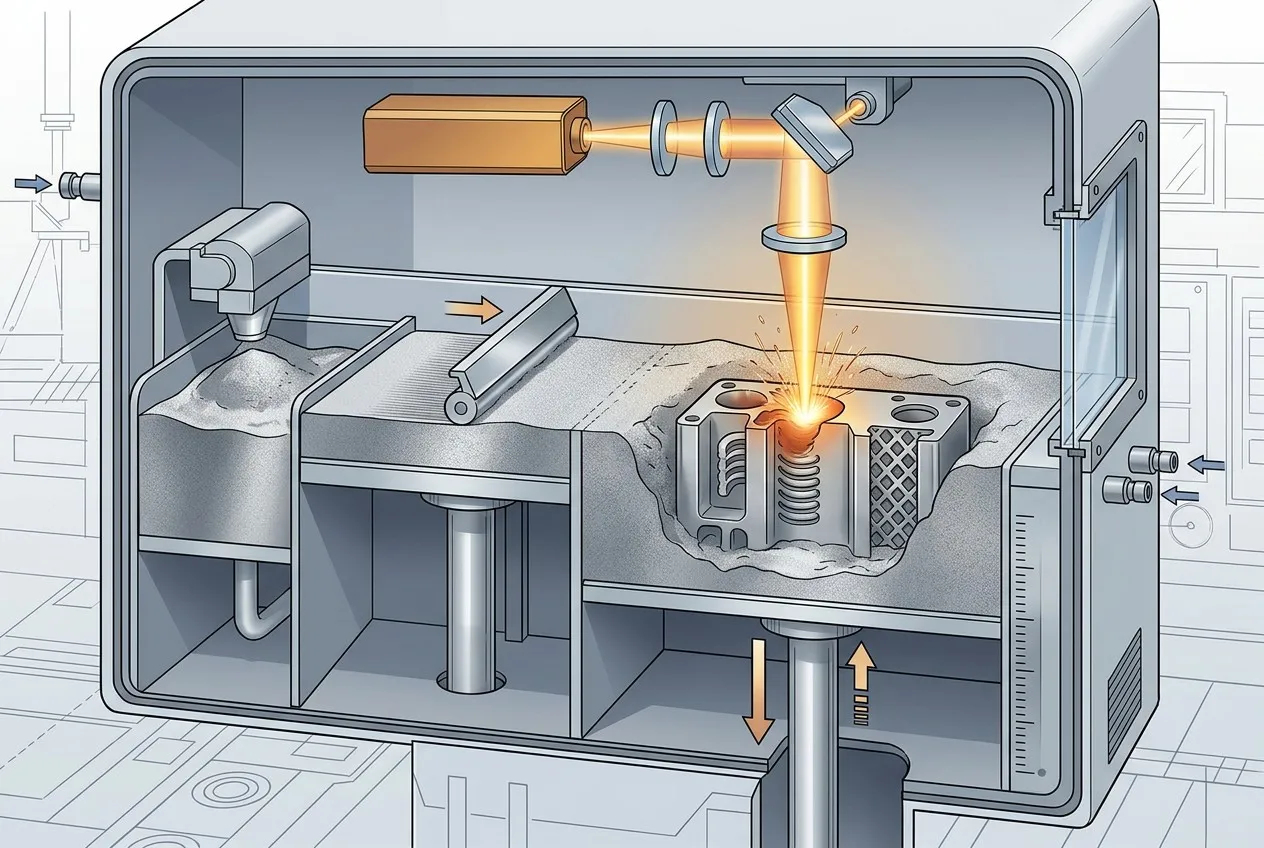
All powder-bed processes share the same fundamental principle: a recoater blade spreads a thin layer of powder, a heat source selectively fuses that layer, then the build platform lowers and the cycle repeats until the part is complete.
✓ Key advantages over other methods:
- No support structures needed (powder itself supports overhangs)
- Complex internal channels possible without assembly
- Multiple parts built simultaneously in one chamber
- Unused powder is recyclable for subsequent builds
STEP 1
Powder Spreading
Recoater blade deposits a uniform layer (0.06–0.15 mm) across the build platform.
STEP 2
Selective Fusion
Laser or thermal agent melts powder only at cross-section coordinates.
STEP 3
Platform Lowering
Build volume descends by one layer thickness; next powder layer is spread.
STEP 4
Depowdering
Completed part is excavated from powder bed, excess powder recovered.
Layer Thickness by Process
| Process | Layer Range | Typical Use |
|---|---|---|
| SLS | 0.08–0.15 mm | Functional prototypes |
| MJF | 0.08 mm (fixed) | High-detail production |
| SLM / DMLS | 0.02–0.05 mm | Precision metal parts |
Common 3D Printing Processes for Powder Materials
Understanding which process fits your application is the first step in material selection. Each technology has distinct tolerances, build volumes, and compatible powders.
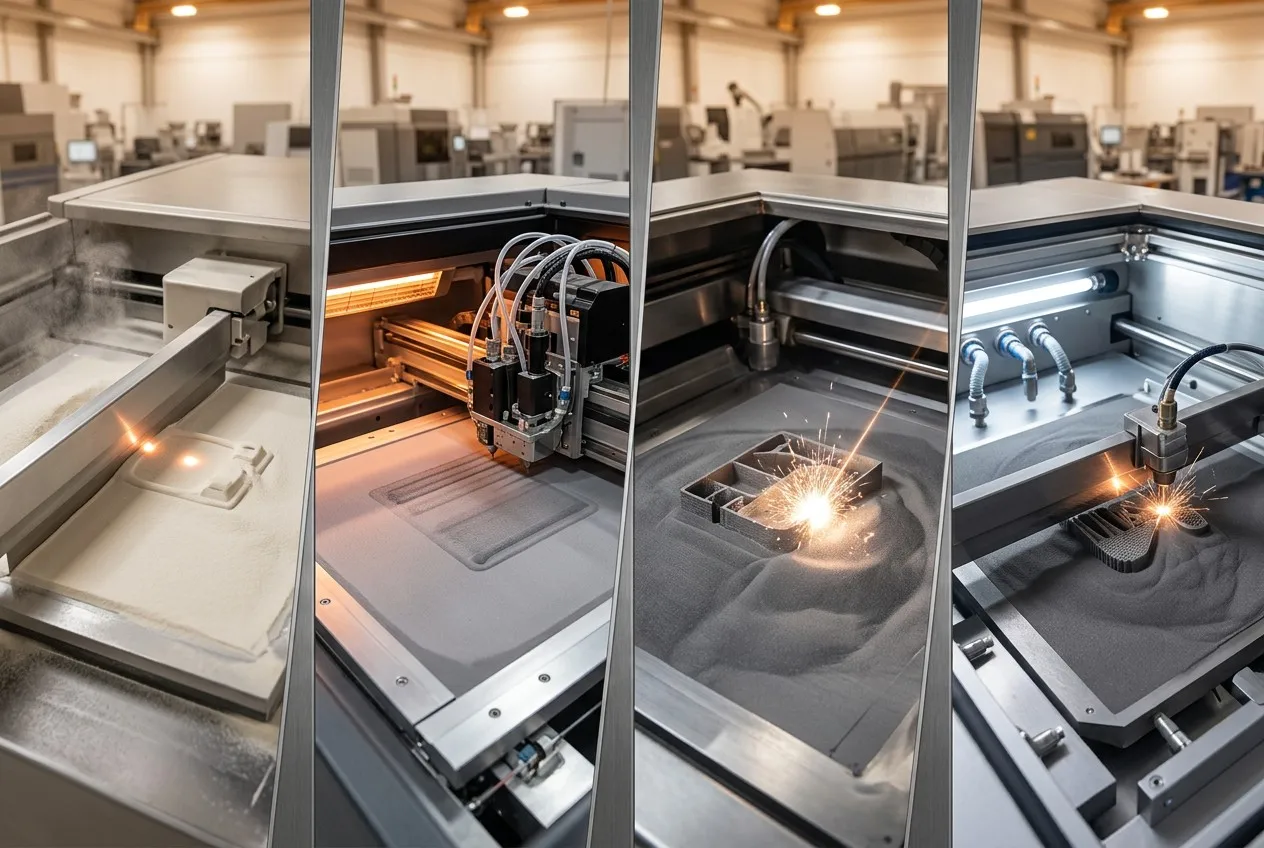
SLS
Selective Laser Sintering
Laser fuses thermoplastic powder particles layer by layer. No support structures required — unfused powder acts as natural support.
Materials: PA12, PA11, TPU
Tolerance: ±0.2 mm
Build volume: Up to 300 × 300 × 300 mm
MJF
Multi Jet Fusion
Infrared lamps and fusing agents produce parts with consistent mechanical properties. Faster build rate than SLS for batch production.
Materials: PA12, PA12-GF
Tolerance: ±0.15 mm
Build volume: Up to 380 × 284 × 380 mm
SLM
Selective Laser Melting
High-power laser fully melts metal powder to produce near-net-shape components with density approaching 100%. Used for aerospace and medical-grade parts.
Materials: 316L, AlSi10Mg, Ti6Al4V
Tolerance: ±0.05 mm
Build volume: Up to 400 × 400 × 400 mm
DMLS
Direct Metal Laser Sintering
Similar to SLM but with slightly lower energy density, allowing a broader range of metal alloys including cobalt-chrome and nickel superalloys.
Materials: 316L, Ti6Al4V, CoCr
Tolerance: ±0.05 mm
Build volume: Up to 250 × 250 × 325 mm
3D Printing Material Comparison Guide
The table below compares the six most commonly specified powders for industrial additive manufacturing. Use it to narrow down candidates before requesting a material recommendation.
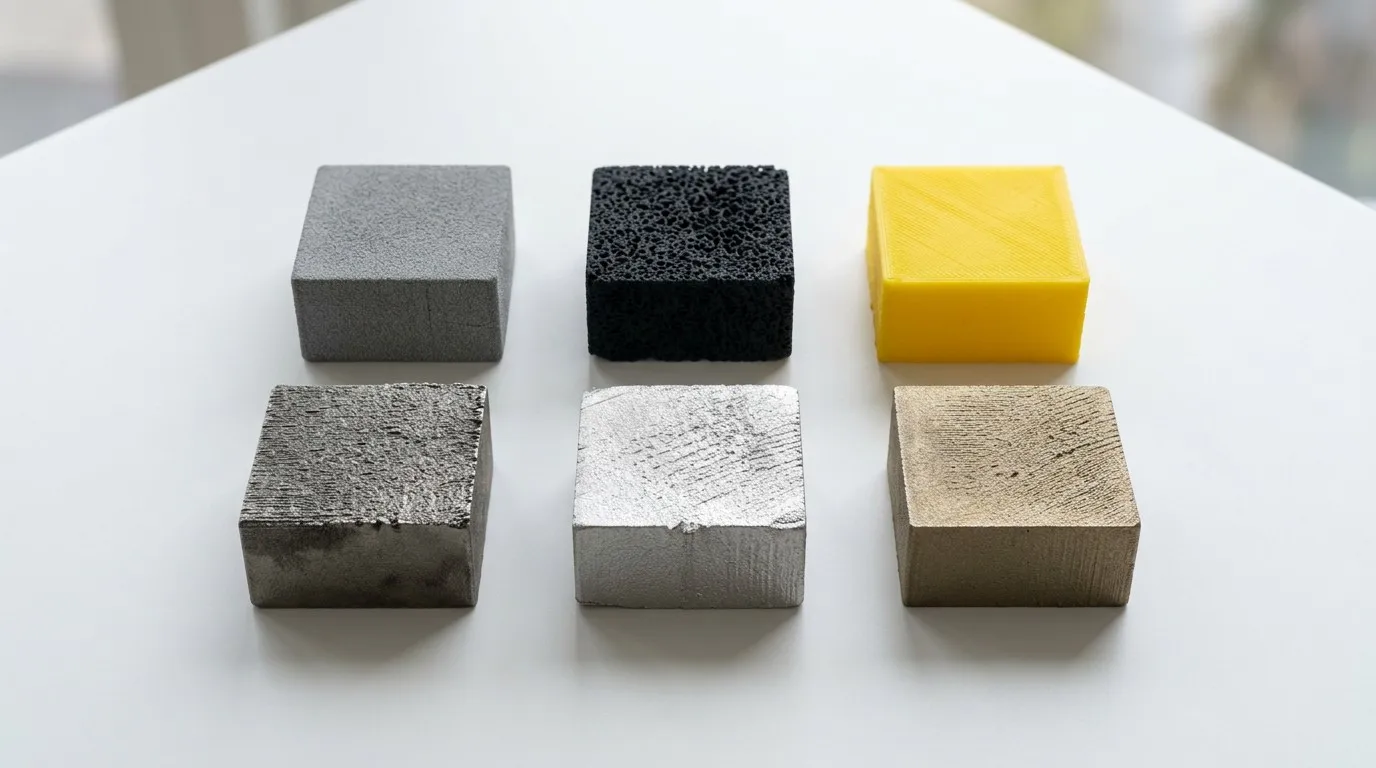
| Material | Process | Strength | Heat Resistance | Cost | Typical Applications |
|---|---|---|---|---|---|
| PA12 | SLS / MJF | ★★★★☆ | ★★★☆☆ | $$ | Functional prototypes, housings, brackets |
| PA11 | SLS | ★★★★☆ | ★★★☆☆ | $$$ | Automotive ducts, impact-resistant parts |
| TPU | SLS | ★★☆☆☆ | ★★☆☆☆ | $$$ | Flexible seals, gaskets, wearable devices |
| 316L SS | SLM / DMLS | ★★★★★ | ★★★★★ | $$$$ | Medical instruments, valve bodies, tooling |
| AlSi10Mg | SLM | ★★★★☆ | ★★★★☆ | $$$$ | Aerospace brackets, heat sinks, lightweight frames |
| Ti6Al4V | SLM / DMLS | ★★★★★ | ★★★★★ | $$$$$ | Surgical implants, aerospace structural parts |
Quick selection shortcuts: Need high strength → 316L or Ti6Al4V. Lightweight → AlSi10Mg. Wear resistance → PA12. Flexibility → TPU. Medical-grade → Ti6Al4V. Budget-sensitive prototype → PA12 via SLS.
How to Choose the Right 3D Printing Material
Material selection should start from your functional requirements, not from a powder catalog. Follow the decision path below to narrow your options quickly.
High Strength
Load-bearing brackets, structural frames, and tooling inserts that must withstand repeated mechanical stress.
Ti6Al4V Titanium
Lightweight
Aerospace and robotics components where mass reduction directly improves performance without sacrificing rigidity.
PA12 Nylon
Medical Grade
Surgical guides, orthopedic implants, and device housings requiring biocompatibility certification and sterilization compatibility.
316L (ASTM F138)
Chemical Resistance
Fluid-handling components, pump housings, and filtration parts exposed to solvents, fuels, or alkaline cleaning agents.
316L
Flexibility
Soft seals, vibration dampers, wearable straps, and overmolded grips requiring elastomeric behavior from a powder process.
PA11 (impact)
Low Cost / Prototype
Initial concept validation where surface finish and tolerance are secondary to fast turnaround and budget control.
PA12 (MJF)
Industry Applications
Powder-bed additive manufacturing has moved beyond prototyping into production-grade applications across multiple sectors.
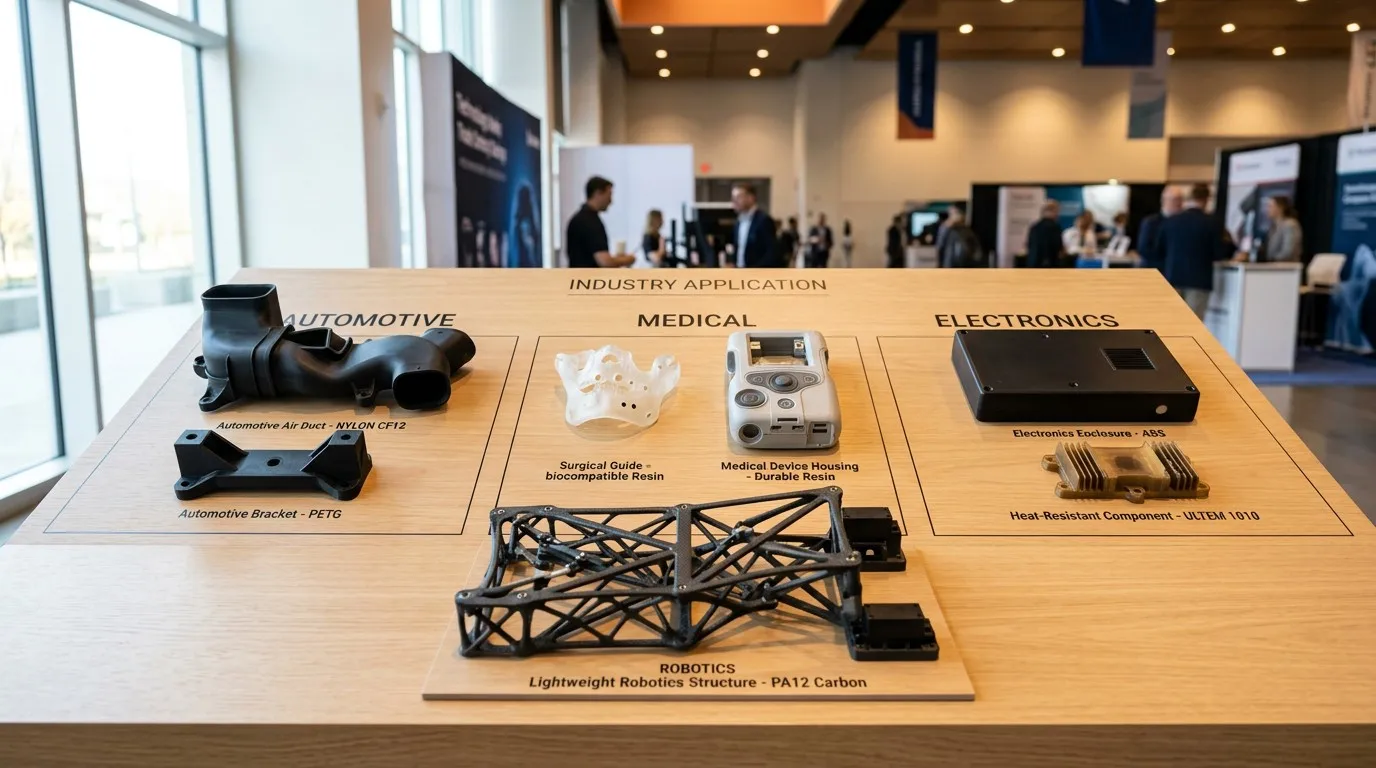
🚗 Automotive
- Air ducts and ventilation housings
- Custom mounting brackets
- Assembly fixtures and jigs
- Low-volume interior components
☤ Medical
- Surgical guides and templates
- Device housings (PA12, Ti6Al4V)
- Orthopedic implant prototypes
- Dental crown frameworks
💻 Electronics
- RF-shielded enclosures
- Heat-resistant connector housings
- Custom cable routing clips
- Sensor mounting platforms
⚙ Robotics
- Lightweight structural links (AlSi10Mg)
- Gripper fingertips with embedded channels
- Custom end-effector housings
- Motion-optimized topology frames
🛠 Industrial Equipment
- Functional prototypes for validation
- Spare parts and maintenance components
- Valve bodies (316L SLM)
- Tooling inserts with conformal channels
🔬 Research & Development
- Rapid iteration of novel geometries
- Wind tunnel test models
- Custom laboratory fixtures
- Proof-of-concept demonstrators
Our 3D Printing Capabilities
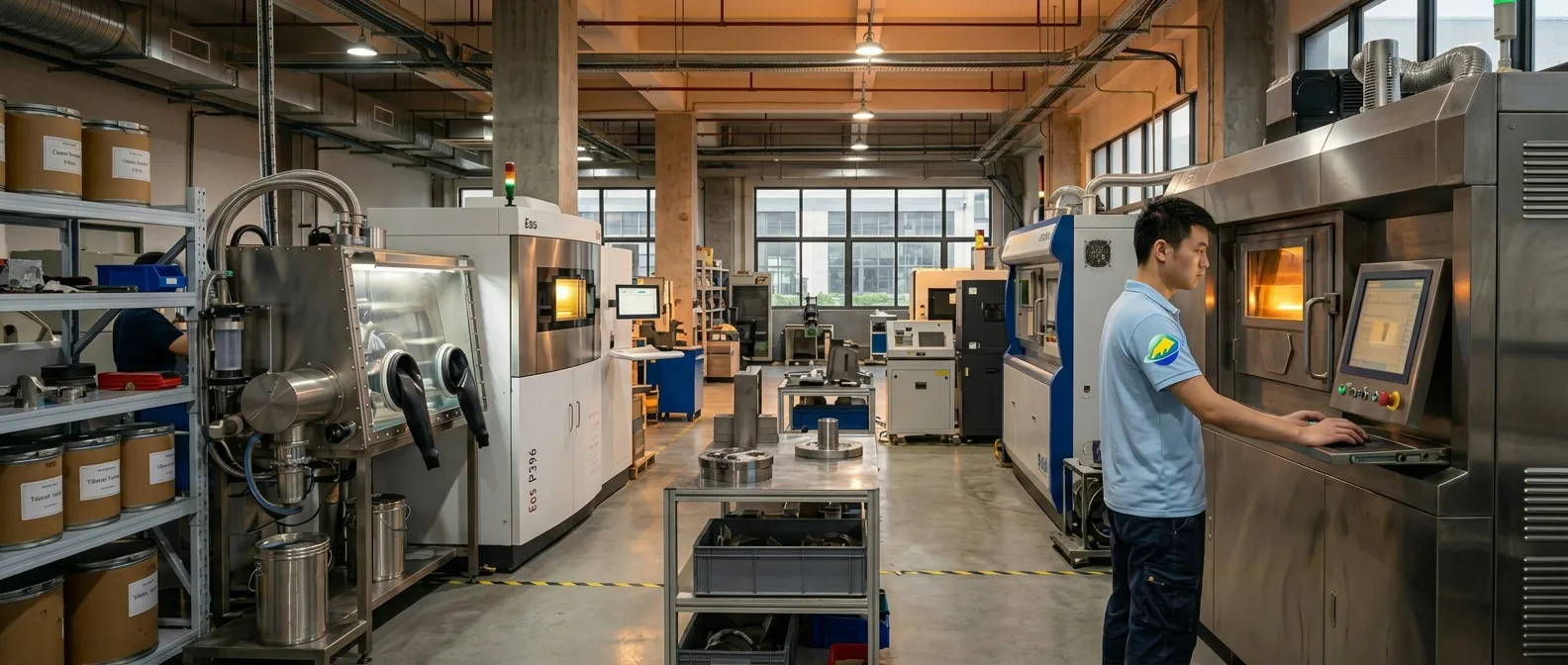
Xiamen Goldcattle operates SLS, MJF, SLA, FDM, and SLM equipment for both plastic and metal additive manufacturing. Every build is supported by engineering review and ISO-aligned quality procedures.
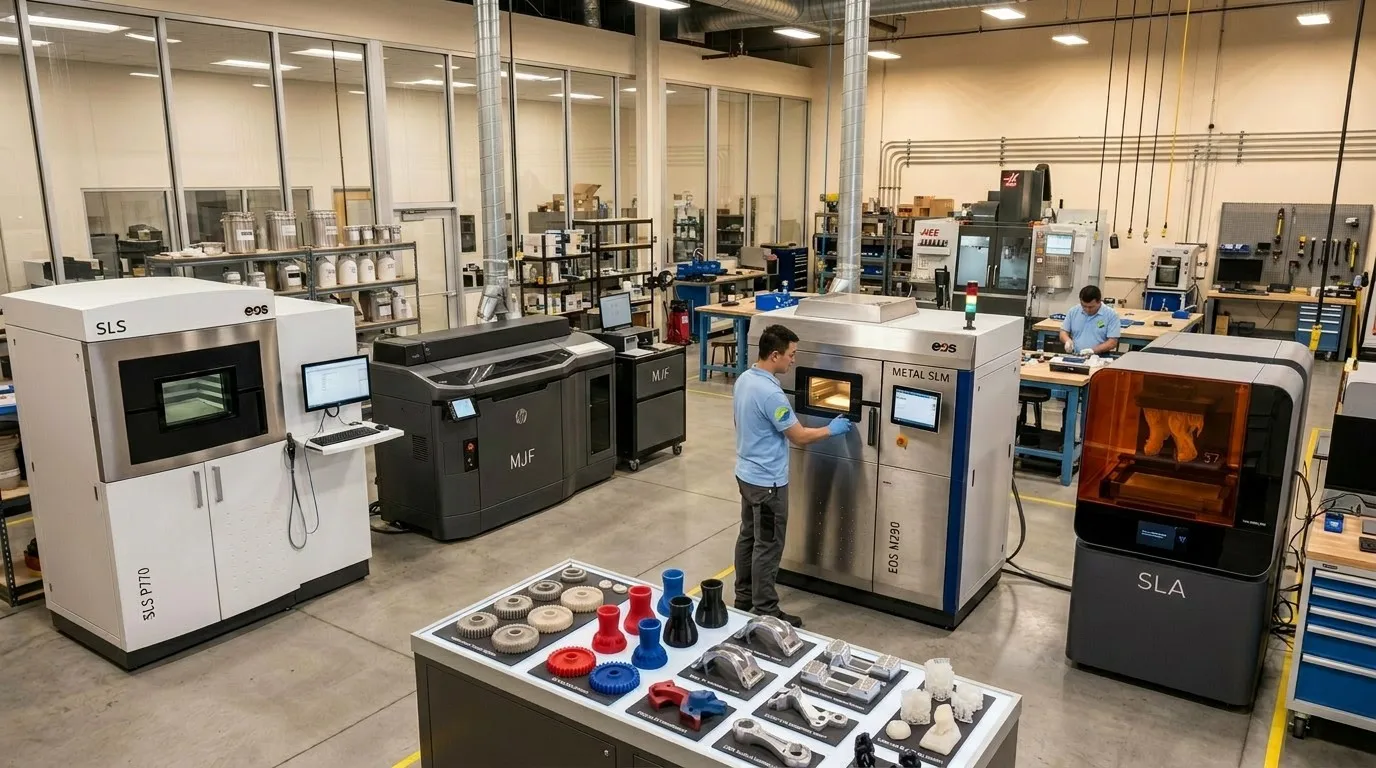
Supported Processes
- SLS — Selective Laser Sintering
- MJF — Multi Jet Fusion
- SLA — Stereolithography
- FDM — Fused Deposition Modeling
- SLM — Selective Laser Melting
- DMLS — Direct Metal Laser Sintering
Available Materials
- Nylon PA12 / PA12-GF
- PA11 / PA6
- TPU (flexible elastomer)
- ABS-like resin (SLA)
- Stainless Steel 316L
- Aluminum AlSi10Mg
- Titanium Ti6Al4V
Post-Processing
- Sandblasting (media blast cleaning)
- Dyeing (black, grey, red, blue)
- CNC machining (critical surfaces)
- Vapor smoothing (chemical polish)
- Painting and coating
- Heat treatment (stress relief)
Quality assurance: Every production build includes dimensional inspection against drawing specifications. Metal parts receive density verification and stress-relief heat treatment. Surface finishes from raw SLS (Ra 12–15 μm) to polished SLM (Ra < 1.6 μm) are available.
Case Studies
Real projects demonstrate how material and process selection translates into production outcomes.
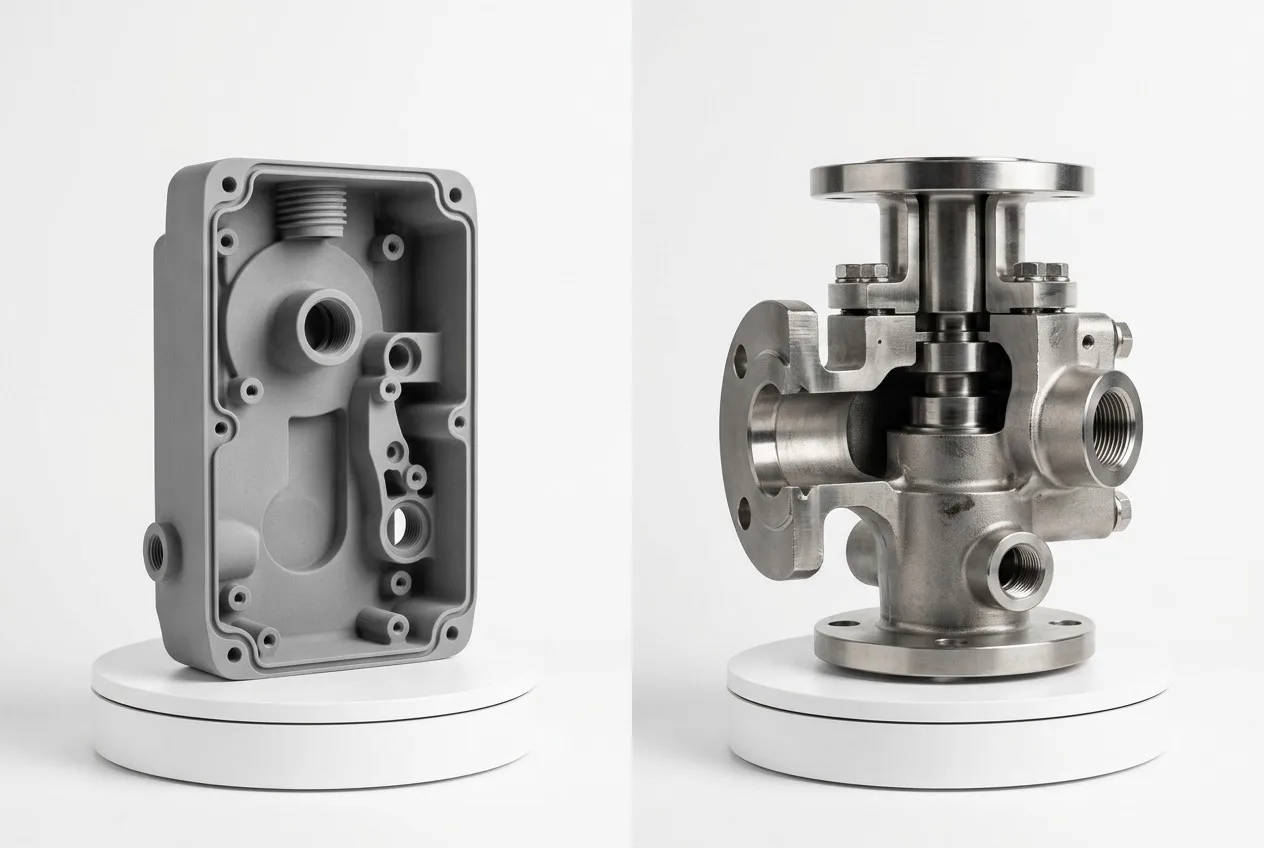
CASE 01
PA12 Medical Device Housing
| Industry | Medical Devices |
| Material | PA12 (SLS) |
| Quantity | 200 pcs initial batch |
| Tolerance | ±0.2 mm |
| Surface | Sandblasted + dyed black |
Patient-facing housing requiring biocompatible nylon, sealed assembly, and consistent batch appearance.
CASE 02
316L Industrial Valve Component
| Industry | Industrial Equipment |
| Material | 316L Stainless Steel (SLM) |
| Quantity | 50 pcs |
| Tolerance | ±0.05 mm (CMM) |
| Surface | CNC-machined sealing face |
Internal fluid channels impossible to machine conventionally; SLM produced a single-piece body with integrated flow paths.
CASE 03
AlSi10Mg Aerospace Bracket
| Industry | Aerospace |
| Material | AlSi10Mg (SLM) |
| Quantity | 30 pcs |
| Tolerance | ±0.08 mm |
| Surface | Stress-relieved + CNC-finished |
Topology-optimized bracket weighing 40% less than the machined baseline while meeting the same load specification.
Post-Processing Options
Raw 3D printed parts rarely meet end-use requirements without finishing. The right post-processing sequence transforms a build output into a production-grade component.
Sandblasting
Removes loose powder and uniformizes surface texture. Standard finish for SLS/MJF nylon parts. Achieves Ra 8–12 μm.
Dyeing
Impregnates PA12/PA11 with color pigment. Available in black, grey, red, blue, and green. Does not affect dimensional accuracy.
CNC Machining
Critical mating surfaces, threaded holes, and precision features machined to ±0.05 mm after printing. Essential for functional assemblies.
Vapor Smoothing
Chemical vapor treatment melts surface micro-roughness into a glossy, sealed finish. Reduces Ra to < 1.6 μm on PA12. Improves moisture resistance.
Metal Part Post-Processing
| Step | Purpose | Result |
|---|---|---|
| Stress relief | Eliminate residual thermal stress | Dimensional stability during machining |
| Support removal | Detach build anchors and support structures | Clean part geometry |
| CNC finishing | Achieve tolerance on critical surfaces | ±0.02–0.05 mm |
| Surface treatment | Anodize, passivate, or polish | Functional or decorative finish |
Goldcattle recommendation: Always specify post-processing requirements in your RFQ. A part with “raw SLS finish” and the same geometry with “sandblasted + CNC-critical surfaces” have very different cost profiles and delivery timelines.
Frequently Asked Questions
Answers to the most common questions from industrial buyers evaluating 3D printing materials.
Which 3D printing material is strongest?
Ti6Al4V (titanium) and 316L stainless steel produced via SLM/DMLS deliver the highest tensile strength among printable powders. Ti6Al4V reaches 900–1100 MPa ultimate tensile strength; 316L achieves 640–750 MPa. Among plastics, PA12-GF (glass-filled nylon) provides the highest rigidity at approximately 90 MPa.
Is PA12 better than PA11?
Not universally. PA12 offers superior moisture resistance and lower water absorption (0.25% vs 1.5%), making it better for humid or outdoor environments. PA11 has higher impact resistance and elongation at break, suiting automotive crash-relevant parts. Both share similar chemical origins (petroleum vs bio-based castor oil).
What is the difference between SLS and MJF materials?
Both use PA12 powder, but MJF produces parts with more isotropic mechanical properties (consistent strength in X, Y, and Z directions) and finer detail resolution at 0.08 mm layers. SLS offers broader material choices (PA11, TPU) and slightly lower unit cost for single-piece builds. MJF excels at batch production where dimensional consistency across parts is critical.
Can 3D printed parts replace injection molded parts?
At volumes under 1,000 pcs, 3D printing often wins on cost and lead time. Beyond that threshold, injection molding unit costs drop dramatically. However, 3D printing enables geometries impossible with molding — internal channels, lattice structures, and topology-optimized frames. Many buyers use SLS/MJF for prototyping and low-volume production, then transition to injection molding once volume exceeds 5K+ pcs.
Which materials are suitable for outdoor use?
PA12 (SLS/MJF) resists UV degradation and moisture absorption better than most printable plastics. 316L stainless steel and AlSi10Mg aluminum (with anodizing) are both suitable for outdoor and marine environments. TPU is weather-resistant but may yellow over extended UV exposure. Ti6Al4V is virtually immune to outdoor degradation.
Can you print food-grade or medical-grade materials?
PA12 is FDA-compliant for indirect food contact. Ti6Al4V meets ISO 10993 biocompatibility standards for surgical implants. 316L conforms to ASTM F138 for medical device applications. Food-direct-contact grades require additional certification per part geometry. Goldcattle provides material certification documentation upon request.
What surface finishes are available?
Plastic parts: raw SLS (Ra 12–15 μm), sandblasted (Ra 8–12), dyed (colored, same Ra), vapor-smoothed (Ra < 1.6, glossy). Metal parts: as-built (Ra 6–10), CNC-machined (Ra < 1.6 on critical faces), polished (Ra < 0.8), anodized (AlSi10Mg only), passivated (316L only).
Do you provide low-volume production?
Yes. Goldcattle specializes in functional prototypes through production runs of 1–10,000 pcs. For plastic parts, SLS/MJF batch builds reduce per-part cost as quantity increases. For metal parts, SLM/DMLS is cost-effective from 1 to approximately 500 pcs — beyond which CNC machining or investment casting may offer better unit economics.
Why Work with Xiamen Goldcattle?
We combine additive manufacturing with conventional processing — providing SLS/MJF prototypes for validation, then seamlessly transitioning to injection molding or CNC machining once your design is approved and volume scales.
Full-Service Custom Manufacturing
- Material selection guidance from engineering team
- DFM review before every build
- Process transition support (prototype → production)
- Integrated post-processing and finishing
- ISO-aligned quality control and inspection
Project Timeline
- Quotation within 24 hours of file receipt
- SLS/MJF plastic parts: 3–5 business days
- SLM/DMLS metal parts: 5–10 business days
- Post-processing added: 2–3 additional days
- Global shipping via DHL / FedEx / sea freight
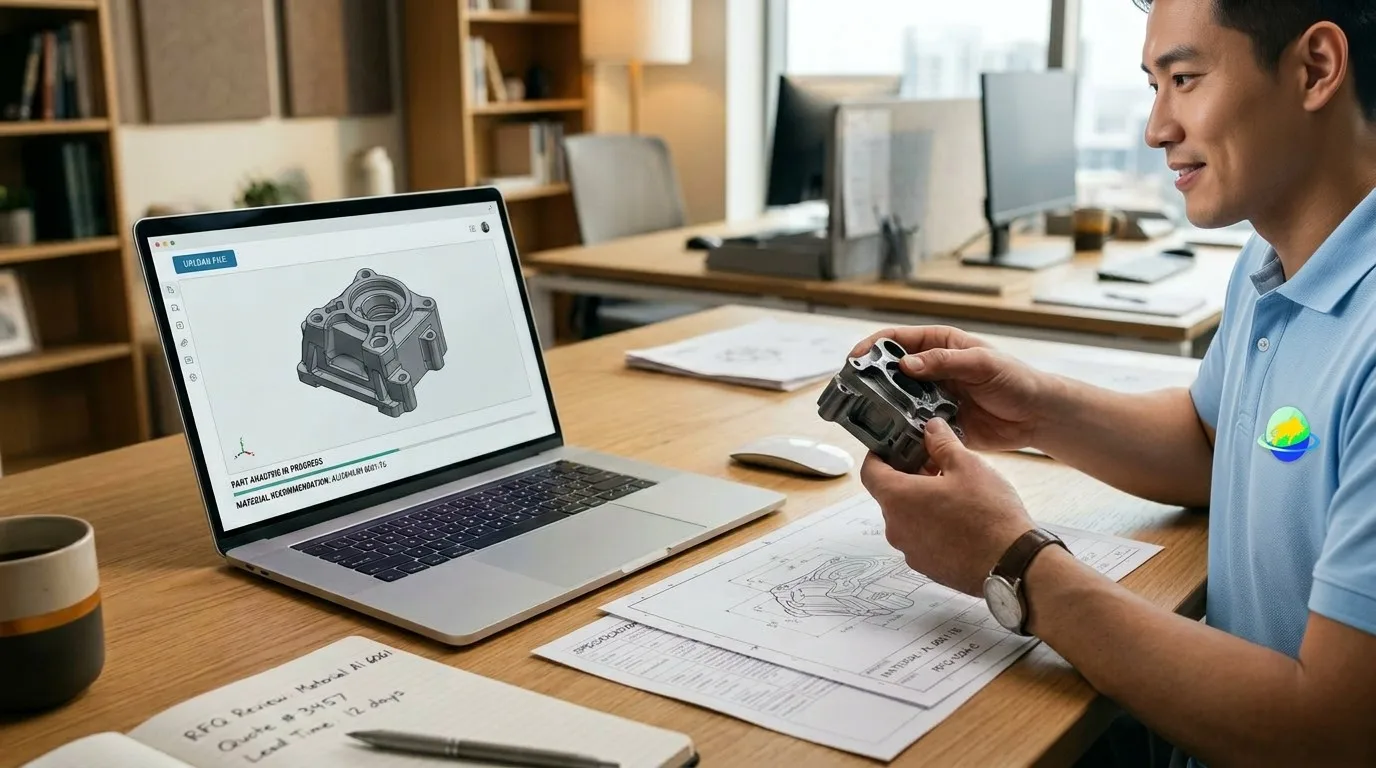
Need Help Choosing the Right 3D Printing Material?
Upload your design files and receive a material recommendation, manufacturing review, and quotation within 24 hours.
Upload
CAD File
Drawing
Sample Part
Receive
Material Recommendation
Process Selection
Cost Estimate
Review
DFM Analysis
Tolerance Check
Surface Finish Options
Quote
Fixed Price
Lead Time
Within 24 Hours
| ISO 9001-certified facility | Serving North America, Europe, and Asia-Pacific
Recommended Reading
cnc drilling and milling
The Most Confused “Brothers” in the Shop: Core Differences Between Drilling and Milling When I first started, I could never tell the difference between drilling and milling—both just sounded like…
Custom CNC Bearing Parts Machining Service
Introduction: What Are Custom CNC Bearing Parts? If you’ve ever worked with industrial machinery, you know that bearings are the unsung heroes keeping everything running smoothly. These small but critical…
Custom Plastic Cap Services
In the packaging industry, plastic caps are crucial for product integrity, quality preservation, and user convenience. These advanced components integrate engineering principles to meet industry challenges. This discussion delves into…
CNC Aluminum Machining Guide
Processes, Materials, Finishing and Applications – The Complete Guide to Precision Aluminum Machining Introduction Aluminum has become the most popular material for CNC machining, and for good reason. It’s lightweight,…
Chip Load Guide
CNC parameters · Concept What Is Chip Load? Formula, Selection and Practical Examples Chip load is the thickness of material one cutting edge removes in one revolution. It is the…

Tight-Tolerance CNC Machining | ±0.005 mm Capability
Tight-Tolerance CNC Machining for Critical Features We manufacture precision CNC parts to drawing-defined tolerances, with capability down to ±0.01 mm for demanding dimensions and ±0.005 mm on selected features when material, geometry,…