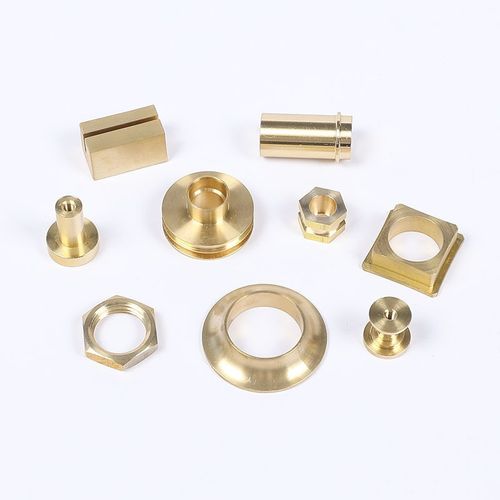
CNC Brass Hardware Fittings for Precision Industrial Applications
Custom machined brass fittings with high thread accuracy, corrosion resistance, and reliable sealing performance for plumbing, pneumatic, electrical, and industrial systems.
What Are CNC Brass Hardware Fittings?
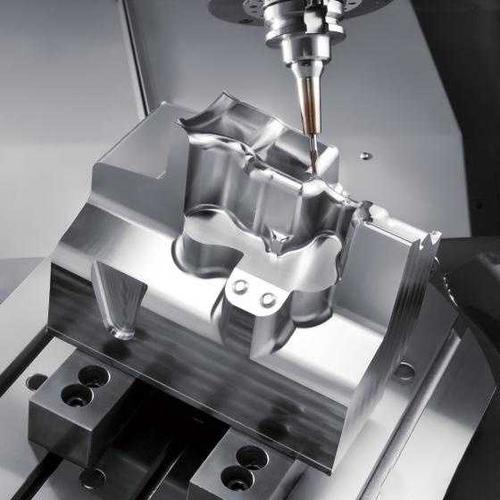
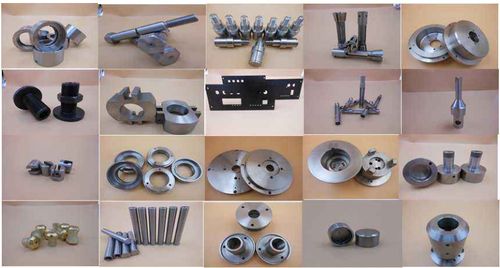
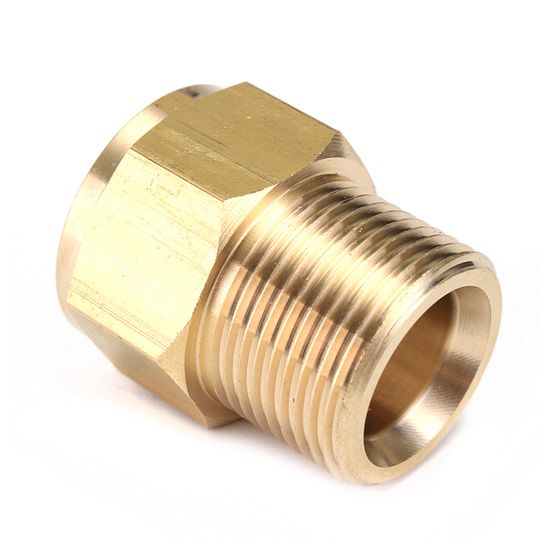
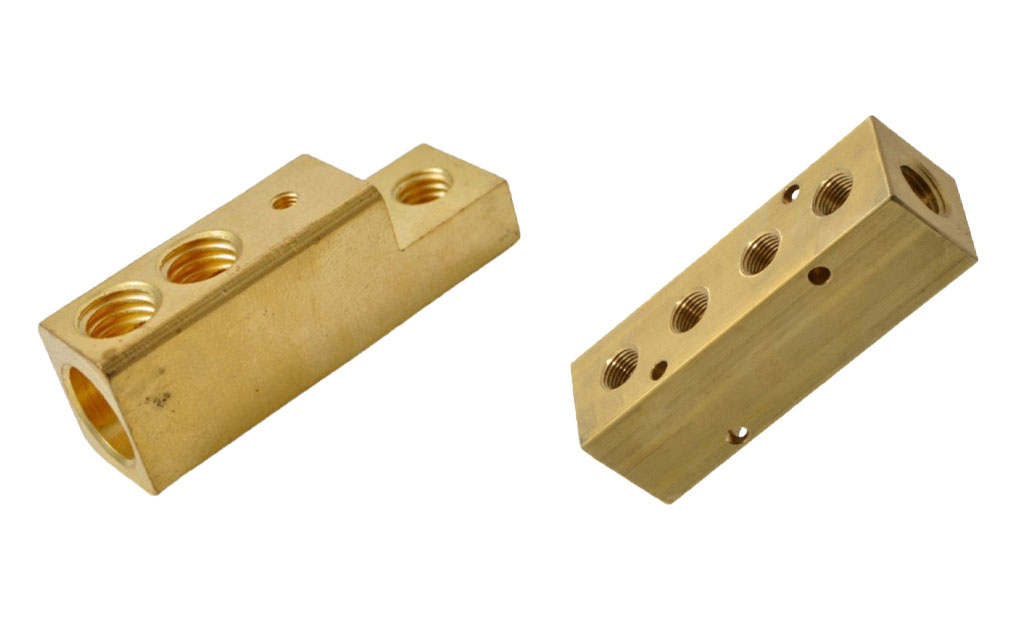
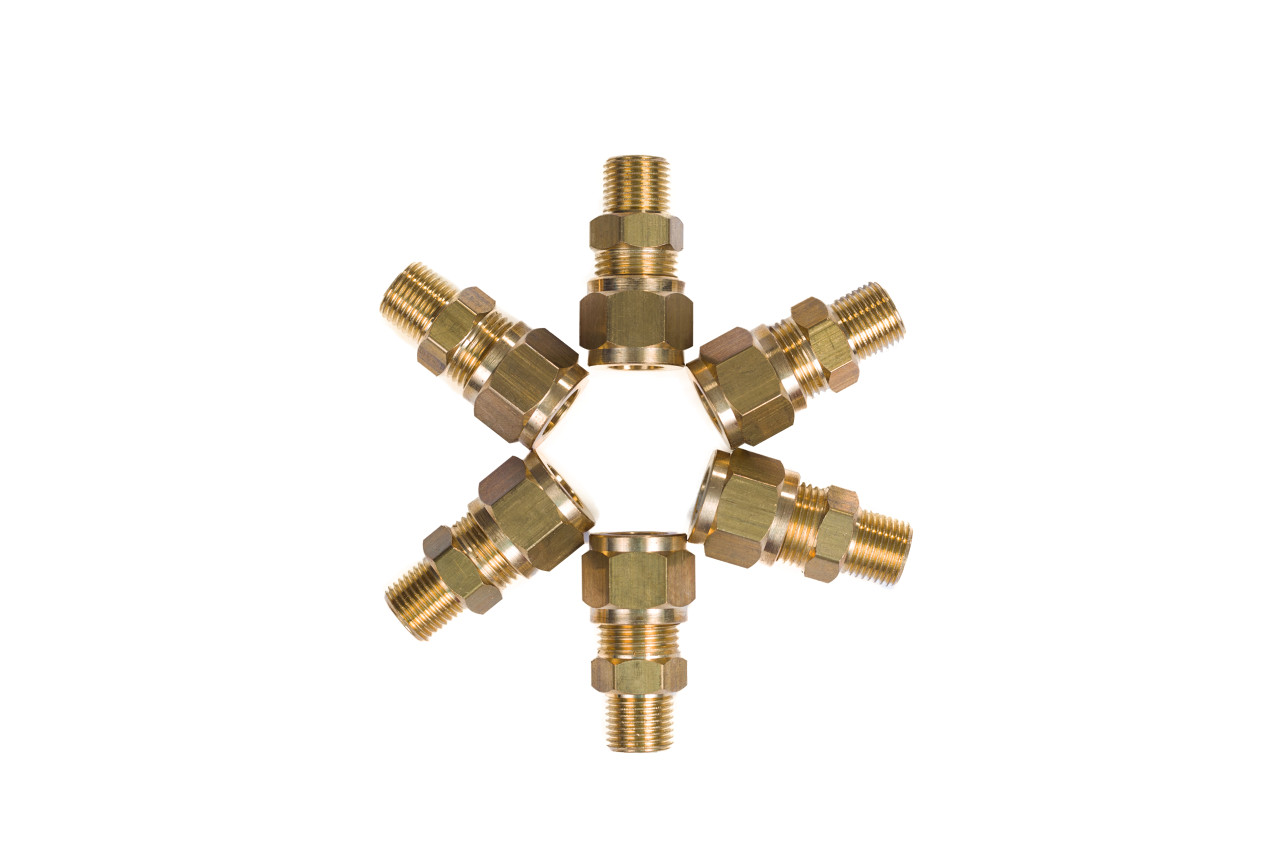
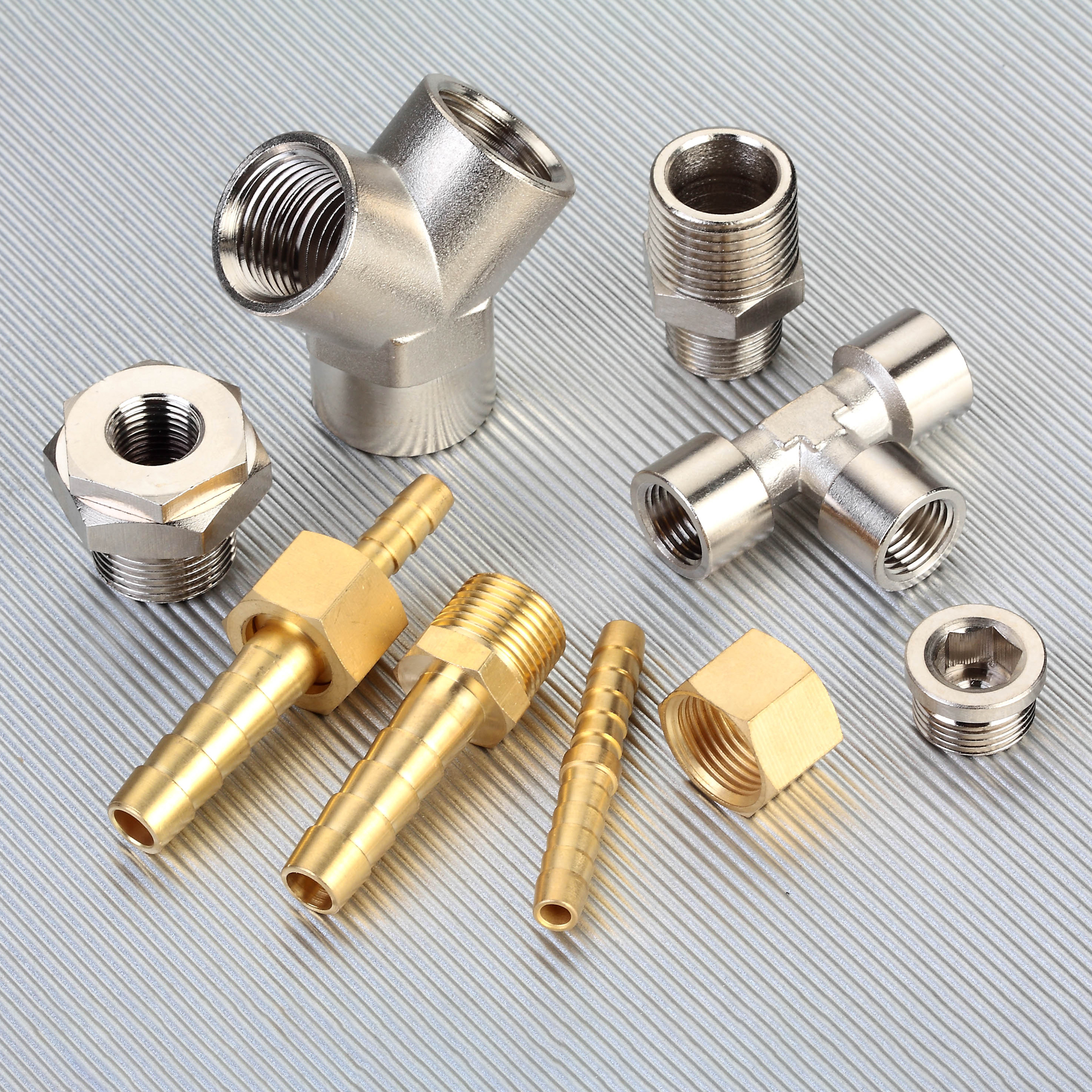
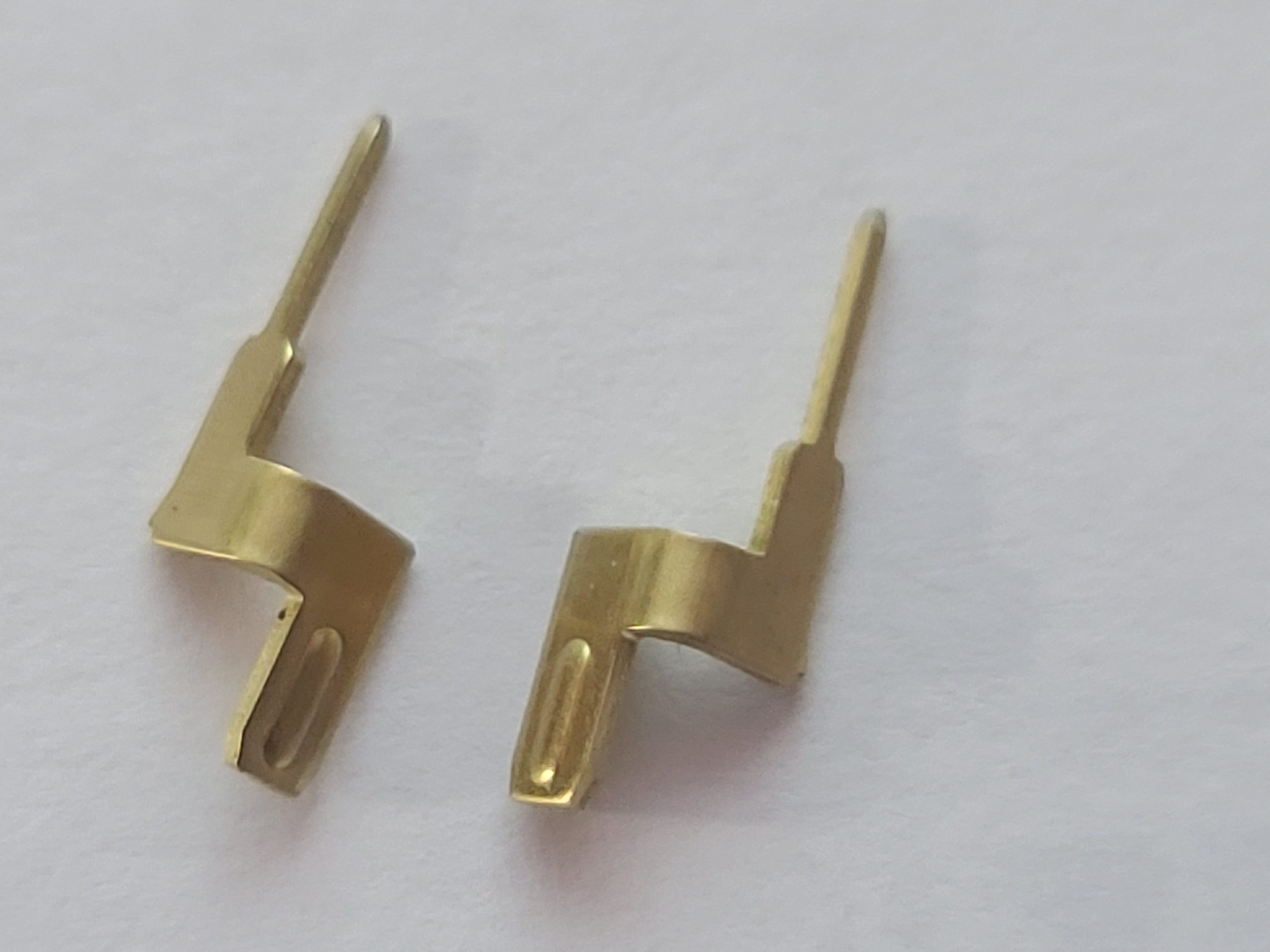
CNC brass hardware fittings are precision-machined brass components used to connect, seal, support, or control fluid, gas, or electrical systems in industrial and commercial applications.
Unlike stamped or cast fittings, CNC-machined brass components deliver exceptional dimensional accuracy, consistent thread quality, and reliable sealing performance. These components are critical for ensuring leak-free connections in pressure systems and stable electrical connections.
Why Brass Is Widely Used for Hardware Fittings
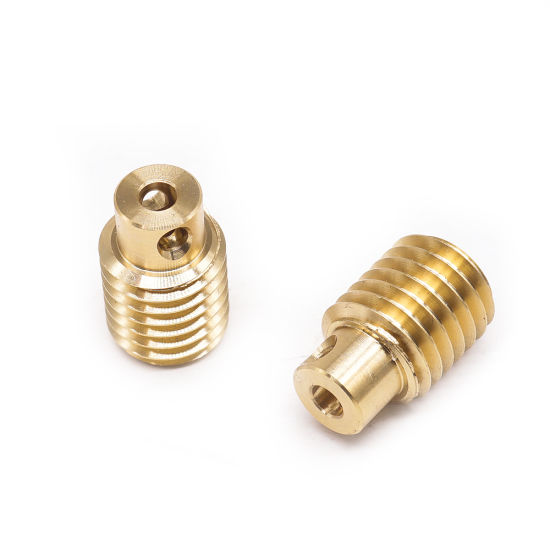
Brass offers a unique combination of properties that make it ideal for threaded fittings and connection components. These properties directly translate to better performance and reliability in industrial systems.
Key engineering factors include dezincification resistance, thermal conductivity, anti-corrosion performance, machinability rating, and thread integrity to ensure long-term performance.
Common Brass Grades for CNC Machining
Different brass alloys are optimized for specific applications. Choosing the right grade ensures your fittings meet performance, regulatory, and cost requirements.
Lead-free brass fittings are increasingly required in North American and European markets due to environmental and health regulations, ensuring compliance with local standards.
How CNC Machining Improves Brass Fitting Precision
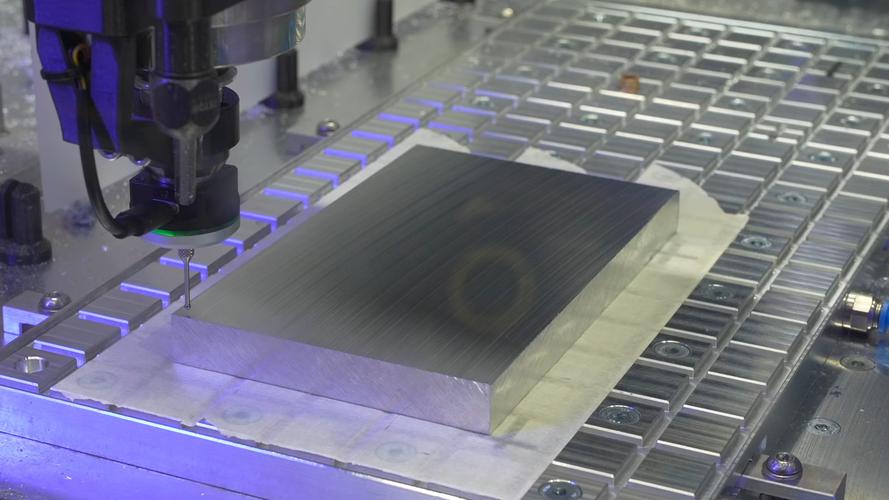
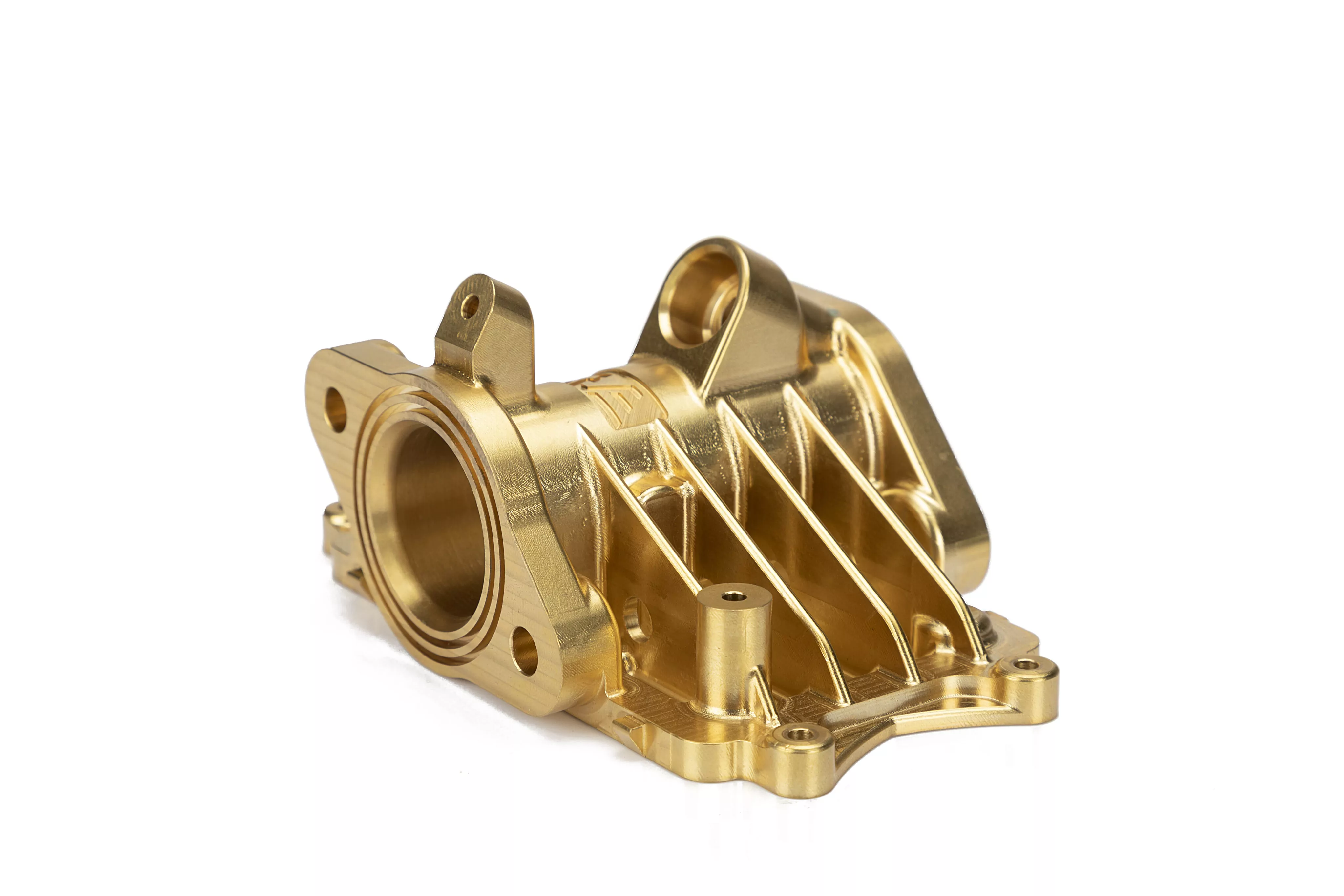
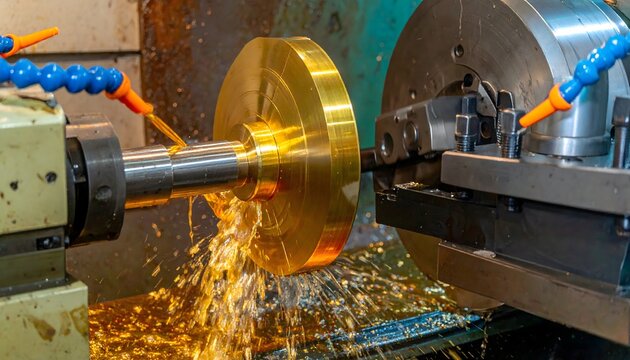
CNC machining delivers exceptional precision for brass fittings, far exceeding the capabilities of traditional casting or stamping methods. This precision is critical for reliable sealing and connection performance.
- ✓
Precision cylindrical part production for symmetrical fittings
- ✓
Thread milling
Accurate thread creation with consistent pitch and profile
- ✓
Burr control
Precision deburring to ensure clean, burr-free threads
- ✓
Concentricity control
Ensuring perfect alignment of sealing surfaces
Brass is particularly well-suited for CNC machining due to its lower cutting resistance, smoother surface finish, reduced tool wear, and excellent chip evacuation, allowing for faster production speeds and consistent quality.
Thread Accuracy and Sealing Performance
Thread accuracy is the most critical factor for leak-free sealing in fluid and gas systems. We support all major thread standards to match regional and application requirements.
Our precision machining ensures consistent thread profile, pitch, and tolerance, eliminating leakage risks and ensuring reliable sealing performance under pressure.
Common Problems in Brass Fitting Manufacturing
Our engineering team proactively identifies and resolves common manufacturing issues to ensure your fittings meet quality and performance requirements.
Industries Using CNC Brass Fittings
Our CNC Brass Fitting Capabilities
We maintain verified, data-driven manufacturing capabilities to ensure consistent quality for your precision brass fittings.
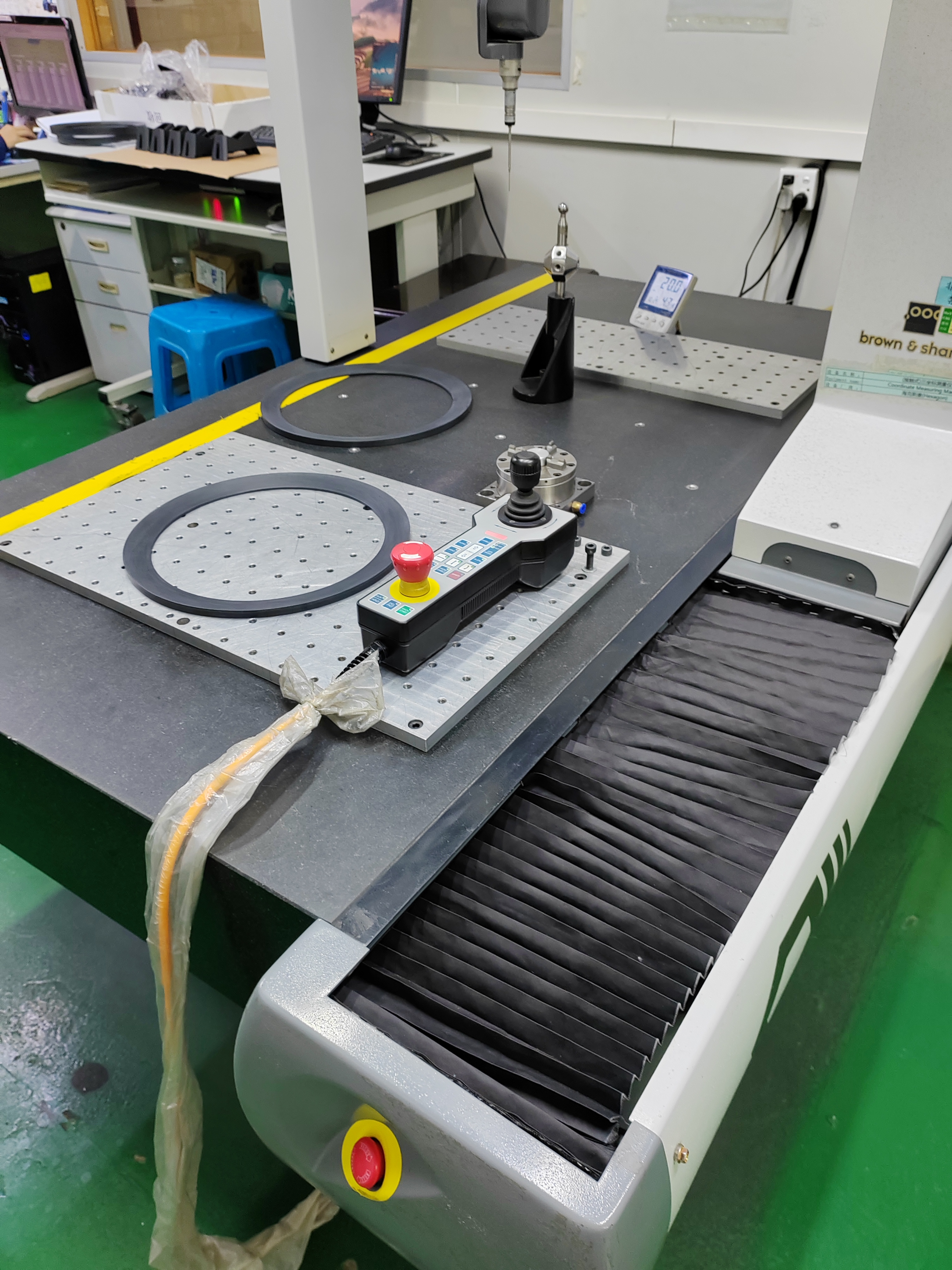
Quality Control for CNC Brass Fittings
We implement strict quality control processes to ensure every fitting meets your performance requirements, especially for critical sealing applications.
Thread Gauge Inspection
Every fitting undergoes thread gauge verification to ensure perfect mating and sealing performance.
Pressure Leak Testing
Pressure testing to verify leak-free performance under operating conditions.
Dimensional Inspection
Full dimensional verification using CMM and optical measurement equipment.
Plating Thickness Inspection
Verification of plating thickness to ensure corrosion resistance and durability.
Brass Fittings vs. Stainless Steel Fittings
Understanding the differences between these materials helps you choose the right option for your application requirements.
Frequently Asked Questions
What is the best brass grade for fittings?
For most general threaded fittings, C360 brass is the best choice, offering excellent machinability that allows for precise thread creation. For drinking water applications, lead-free brass is required to meet regulatory standards.
Why is brass widely used for threaded fittings?
Brass has excellent machinability, allowing for precise thread creation, good corrosion resistance for water and gas systems, and it’s softer than steel, which helps create a better seal when threaded connections are tightened.
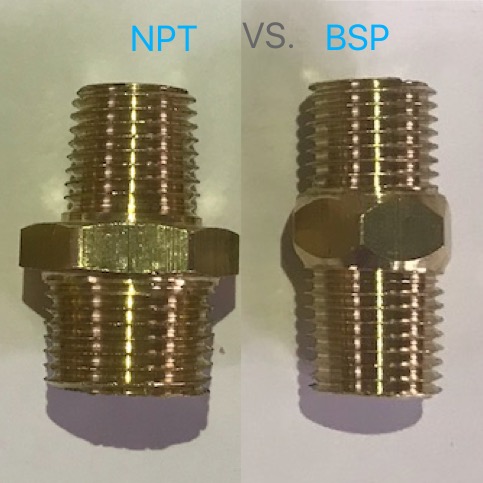
What is the difference between NPT and BSP threads?
NPT (National Pipe Thread) is the standard used primarily in North America, while BSP (British Standard Pipe) is the standard used in Europe and most of the rest of the world. They have different thread angles and pitches, so they are not interchangeable.
Are brass fittings corrosion resistant?
Yes, brass has good natural corrosion resistance, making it suitable for water, humid, and mildly corrosive environments. For more corrosive environments, we can add protective plating like nickel or chrome to further enhance corrosion resistance.
Can brass fittings be lead-free?
Absolutely. We offer lead-free brass options that are RoHS and NSF compliant, meeting the strict requirements for drinking water systems in North America and Europe, eliminating health risks from lead leaching.
Ready to Start Your Brass Fitting Project?
Get your free DFM analysis and competitive quote for your custom CNC brass fittings. Our engineering team is ready to help you optimize your design for sealing performance, cost, and manufacturability.