Choosing a manufacturing process for an automotive component involves more than comparing unit prices. The right process depends on part geometry, material and mechanical requirements, production volume, dimensional tolerances, surface finish, tooling investment and inspection needs.
At a Glance
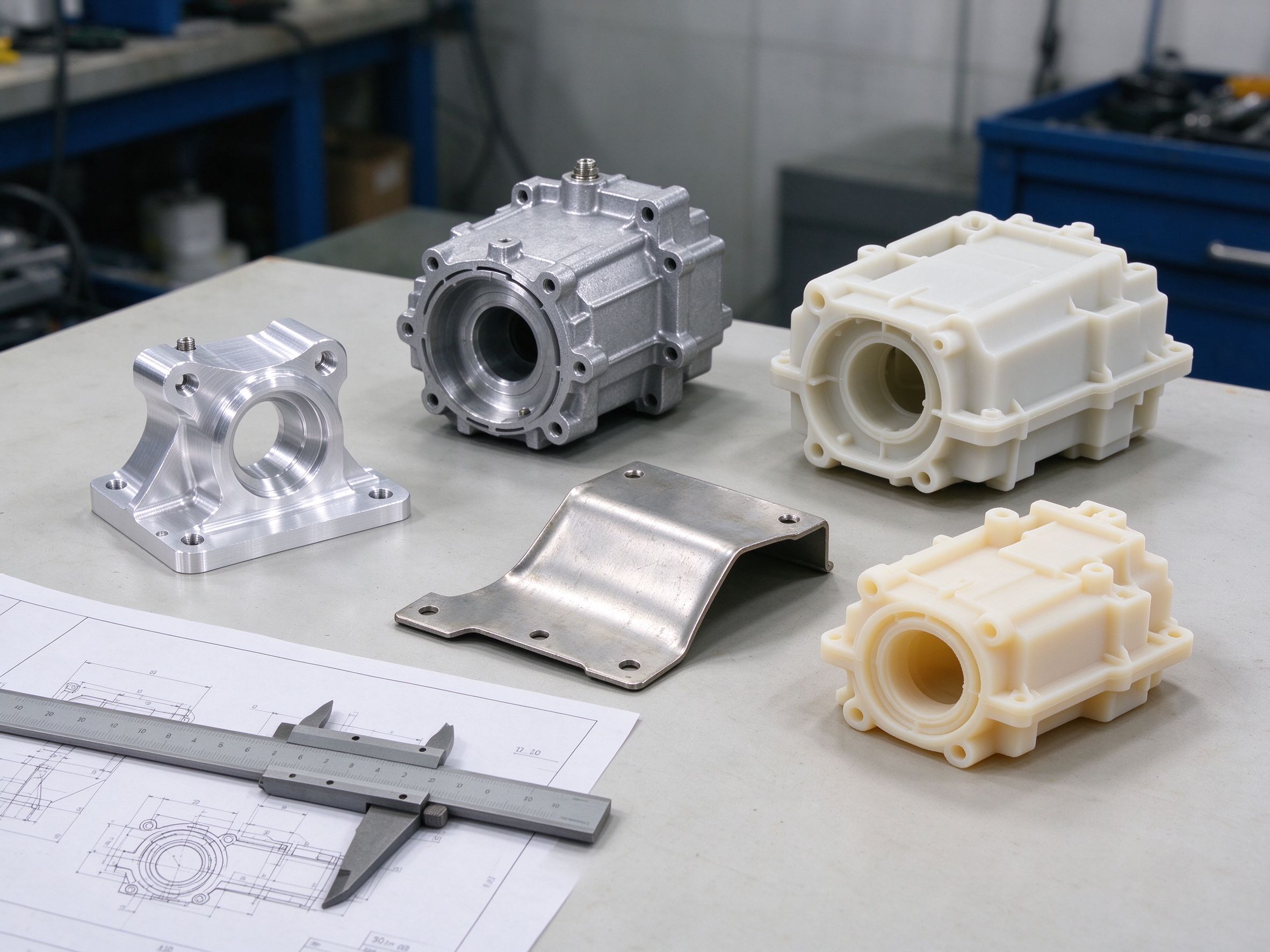
There is no single "best" process for automotive parts. CNC machining suits precise machined features and design iterations; die casting suits metal geometries at volume; sheet metal suits formed plates and brackets; injection molding suits plastic parts at volume; 3D printing suits complex shapes and early validation. The choice follows the part's function, critical characteristics, quantity and cost structure.
Automotive Parts Manufacturing Process Comparison
Use this table as a first screening step. The right route depends on the full cost picture, not on a fixed quantity threshold:
| Process | Worth evaluating when | Main cost or technical limit |
|---|---|---|
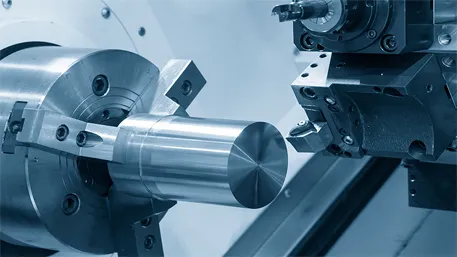
| CNC machining | Precision hole patterns, mating faces, mounting interfaces, machined features; design may still change | Material removal, machining time, setup and inspection cost |
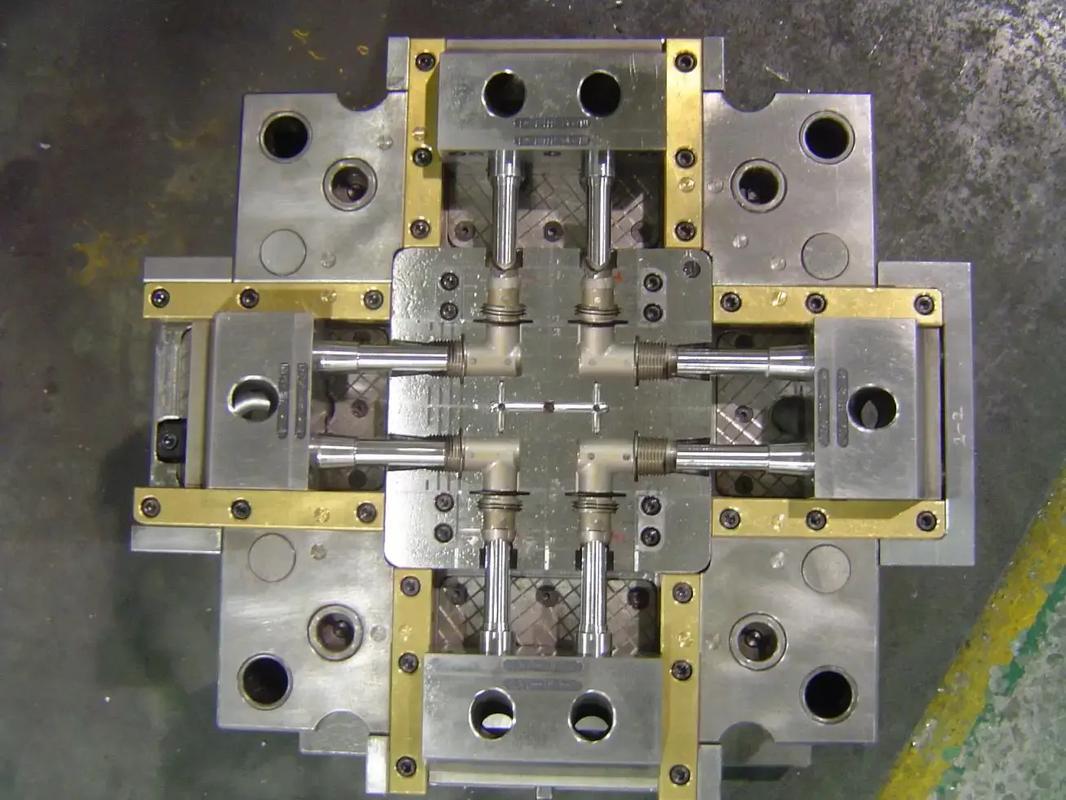
| Die casting + finishing | Metal geometry suited to casting, with expected volume to support tooling | Mold investment, cast quality, machining allowance, critical-dimension finishing |
| Sheet metal fabrication | Parts based on cutting, bending, stamping or forming of sheet | Material thickness, formed structure, tooling cost, batch economy |
| Plastic injection molding | Plastic parts suited to molding, with volume to support mold cost | Mold investment, material shrinkage, warpage, trial and design-change cost |
| 3D printing | Additive-friendly complex shapes, prototypes, specific validation tasks | Material properties, orientation, post-processing, size and surface limits |
| Cast / forged preform + machining | Preform forming is appropriate, then critical dimensions or mating faces must be controlled | Preform quality, distortion, machining allowance, stage coordination |
Three questions worth asking before any of these:
When is CNC better than a dedicated forming process?
When the part has multiple machined faces, tight features, low-to-medium volume or a design still changing — avoiding dedicated tooling.
When is a cast preform + CNC finish better than cutting from solid?
When the starting geometry is costly to remove by machining and volume supports the preform route, with finishing on critical features.
How should prototype and production routes connect?
When the design is not frozen, plan the prototype route and the eventual production route together so validation covers material, tolerance and tooling.
Part-Type Selection Guide
Different parts drive process choice through different features. These are selection examples, not a record of every system we have produced:
| Part type | Design & procurement factors to review first |
|---|---|
| Mounting brackets & connectors | Hole positions, datums, plate thickness or stiffness, assembly location |
| Motor housings & casings | Wall thickness, sealing faces, heat-dissipation structure, flatness, machining allowance |
| Sensor / connector housings | Mating interfaces, mounting datums, material and protection requirements |
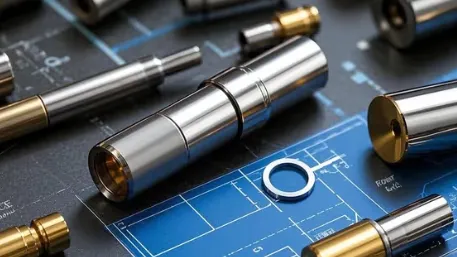
| Shafts, pins & axle-type parts | Concentricity, roundness, fit dimensions, material state, heat treatment |
| Battery & thermal-management structures | Sealing, flatness, thin-wall deformation, material and post-processing compatibility |
| Plastic covers & structural parts | Material, wall thickness, shrinkage, snap fits, forming and assembly requirements |
Prototype, Pilot and Production: How the Route Changes
Process economics shift as the program moves. The route is validated stage by stage, not assumed to transfer automatically:
Design validation
Compare CNC machining, 3D printing and other suitable routes for design verification, structure changes, material fit and critical-dimension function.
Route, tooling & first article
Process route, tooling, inspection plan, first-article confirmation, design version and production readiness are verified. Documents are confirmed per project requirements.
Consistency & control
Batch consistency, process control, capacity, traceability, engineering changes and repeat purchasing. APQP, PPAP or other submissions are confirmed per customer requirement.
How to Evaluate an Automotive Parts Supplier
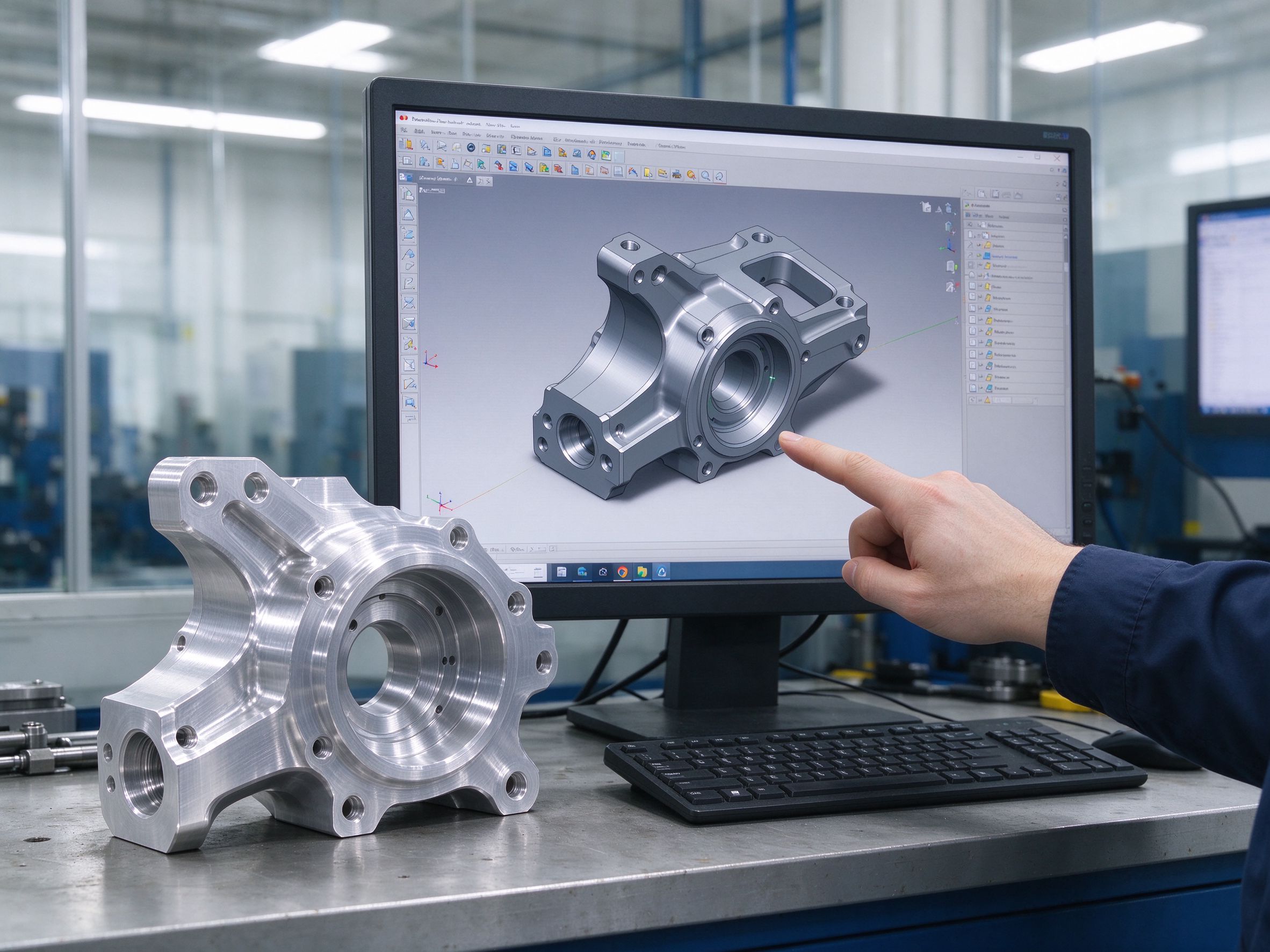
Each "we can do it" should have a way to verify it. Use this checklist when comparing suppliers:
| Evaluation area | What to verify |
|---|---|
| Actual manufacturing capability | Specific processes, equipment, work envelope and project fit — not a general "we do everything" claim |
| Quality system & certificates | Certificate validity, scope, and the production location it covers |
| Dimensional & inspection | How critical dimensions are measured, reports or first-article checks available |
| Material & traceability | Grade, condition, batch records, approved substitutions |
| Engineering change control | How drawing updates, material changes and process changes are notified and approved |
| Delivery & capacity | Lead-time basis, capacity plan, packaging and shipping responsibility |
| Commercial & IP | Quote assumptions, confidentiality, subcontracting, payment and delivery terms |
Goldcattle Manufacturing Capabilities
Each capability is presented with its actual scope and links to the corresponding service page:
Milling, turning, 3/4/5-axis
Verified machining scope with material, feature and inspection coverage.
CNC machining services →
Casting + CNC finishing
Alloys and part range confirmed per project, with post-cast critical-dimension machining.
Custom die casting services →
Plastic parts & mold development
Resins, mold range, sample validation and production scope.
Injection molding services →
Cutting, bending, forming
Supported sheet thickness, formed structures and secondary operations.
Manufacturing services →
SLA, SLS, FDM, MJF
Polymer additive processes for prototypes and functional validation.
3D printing services →
Automotive Parts RFQ Checklist
Preparing these items before contacting a supplier produces a usable quotation instead of a round of clarifications:
Part & design
- 3D CAD model and current 2D drawing
- Material grade, condition and approved specifications
- Critical dimensions, GD&T and functional requirements
- Initial quantity, batch size and annual volume forecast
Finish & program
- Surface finish, coating, heat treatment or post-processing
- Inspection reports, first-article or PPAP requirements where applicable
- Marking, packaging, cleanliness and traceability requirements
- Target delivery date, shipping destination and commercial terms
APQP, PPAP, first-article reports, material certificates and traceability documents are not automatically required for every order. The document scope is confirmed against the drawing, purchase contract, customer-specific requirements and program stage.
Frequently Asked Questions
Which manufacturing process is best for custom automotive parts?
Is CNC machining suitable for automotive prototypes?
When does die casting become more economical than CNC machining?
What should I include in an automotive parts RFQ?
What quality documents may an automotive supplier need?
How can I compare automotive parts suppliers in China?

Request a Process Selection Review
Send your CAD and drawing. Our engineering team will review the geometry, material, volume and critical requirements, recommend the manufacturing route, and return a quote with inspection and documentation scope.
Xiamen Goldcattle · Manufacturing since 1998 · CNC, die casting, sheet metal, injection molding, 3D printing · DFM and inspection under one review