Custom CNC Machined Watch Clasps and Buckle Components
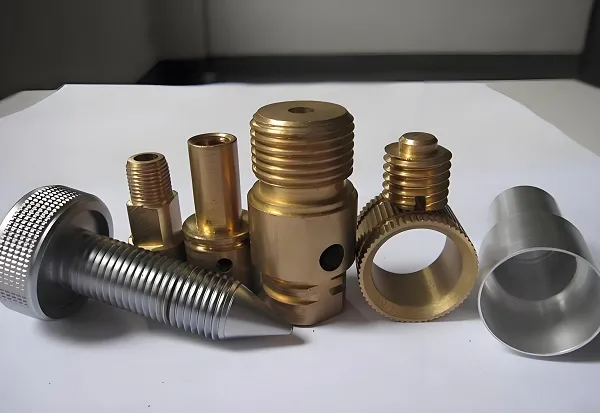
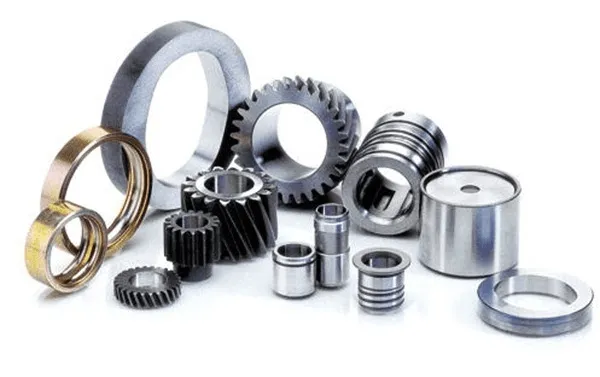
Precision CNC machining for metal watch clasp parts. We work from your drawing or sample to make clasp bodies, folding blades, hinge pieces, covers and adjustment components with controlled fit and finish.
Service snapshot
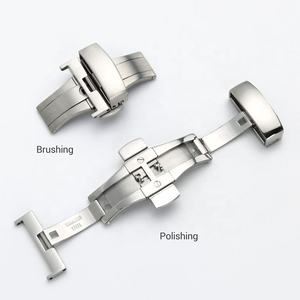
Goldcattle machines custom metal watch clasp and buckle components from drawings or samples. Work covers deployant clasp frames, folding blades, hinge brackets, buckle bodies, clasp covers and adjustment sliders. Milling, turning, drilling, polishing and brushing are reviewed against part geometry and inspection needs before a quote.
Metal Watch Clasp and Buckle Parts We Machine
The pages below describe the metal parts we can machine. They are separate part families, not a catalogue of finished retail buckles. Each is quoted against your drawing or sample.
Deployant clasp frames
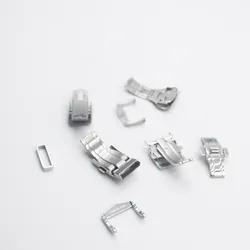
Clasp frames, folding blades, hinge brackets and button covers. The focus is on axis position, blade symmetry and clean edges.
Folding buckle parts
Folding arms, buckle frames, hinge pins, locking pieces and connection plates made to the mating parts you supply.
Stainless steel buckle bodies
Solid bodies, frames, tongue parts and pin fittings where shape, thickness and surface finish are defined by the drawing.
Clasp covers
Cover plates, outer shells, decorative plates and logo plates. Visible surfaces and edge breaks are reviewed before machining.
Micro-adjustment parts
Sliders, guide rails, adjustment plates, locking tabs and precision spacers. Fit and slide movement follow your design.
Pins and hinge components
Hinge pins, locating pins, sleeves and spacers produced by turning where diameter and concentricity matter.
We do not machine or supply watch straps made of leather, rubber or silicone, and we do not present a standard buckle catalogue. If your request is for a complete watch band, it belongs with a strap supplier. If you have a metal part drawing, this page describes the work we review.
CNC Processes for Watch Hardware Components
Each process below is linked to the part feature it creates. That link matters more than a list of machine names.
| Process | Typical parts | What is controlled |
|---|---|---|
| CNC milling | Clasp bodies, folding blades, cover plates, locking features | Outline, slots, steps, curved faces and structural dimensions |
| CNC turning | Hinge pins, locating pins, sleeves, spacers | Diameter, length, concentricity and mating fit |
| Drilling | Hinge holes, locating holes, connection holes | Hole size, position, spacing and entrance condition |
| Polishing | Visible faces, exposed edges, decorative surfaces | Surface condition, edge break and visible marks |
| Brushing | Buckle bodies, covers and outer faces | Texture direction, evenness and boundary with polished areas |
Our CNC milling service and CNC turning service describe the general equipment base. This page applies those processes to small metal parts where fit and appearance are both reviewed.
Hinge Hole Machining and Pin Alignment
A hinge hole can meet its own diameter tolerance and still cause a poor fit if the second hole sits on a different axis. For that reason we treat hole size, hole position and axis relationship as separate drawing requirements.
| Requirement | Why it matters | How it is reviewed |
|---|---|---|
| Hole diameter | Sets the base clearance with the pin | Checked against the drawing on the finished part |
| Hole position and spacing | Controls how two blades line up when closed | Measured from the drawing datum, not from a visual check |
| Axis relationship | Affects smooth opening and closing | Reviewed with the setup and the mating part in mind |
| Pin-to-hole fit | Too tight binds; too loose feels unstable | Reviewed with the pin drawing or supplied sample |
| Hole edge condition | Burrs affect assembly and touch | Edge break inspected after drilling and after finishing |
Where the drawing permits, related holes are machined in one setup to reduce datum changes. Where it does not, we explain the inspection point before the process is confirmed. This is the same engineering logic used on tight-tolerance machined parts, applied here to a small mechanical part.
Milling Folding Blades and Clasp Frames
Folding parts are thin, have visible faces and carry moving features. Machining them means balancing stiffness during cutting with the final look of the part.
Two folding blades close unevenly.
Symmetric dimensions, datum choice, axis position and the order of operations on both blades.
Slot or step edges feel sharp.
Edge break, chamfer and burr removal as drawing notes, followed by a touch inspection.
A thin part bends while machining.
Workholding and toolpath before confirming the process, not after the first part is cut.
We do not claim a universal wall-thickness rule for these parts. Each folding blade is reviewed against its material, geometry and the requirement written on your drawing.
Polishing, Brushing and Edge Finishing
Watch hardware is judged by appearance as well as size. Surface work is therefore specified by the finish you require and the area it covers, not by a general promise of a "mirror" or "brushed" look.
| Finish | Where it is used | What is checked |
|---|---|---|
| Mirror polish | Visible faces and decorative plates | Surface condition and visible marks under agreed viewing conditions |
| Fine satin brush | Buckle bodies, covers, outer faces | Texture direction and evenness across the visible area |
| Brushed and polished combination | Parts with both flat and curved visible faces | Clean boundary between the two finishes |
| Edge finishing | Outer edges and corners | Chamfer, burr removal and consistent edge feel |
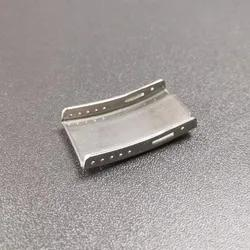
Finishing can remove a small amount of material. We mark dimensions that must be verified after polishing or brushing so that a good-looking part still fits. For general CNC surface context, see our CNC machining services.
Metal Materials for Watch Clasp Parts
Material choice affects tool life, surface result and the feel of a finished part. We list common options below; the final grade and documentation follow your drawing.
| Material | Why it is chosen | Points to review |
|---|---|---|
| 316L stainless steel | Common for watch metal parts; machines and polishes well | Grade confirmation and finish consistency |
| 304 stainless steel | Used where the project allows a different cost base | Different cutting behaviour and finish response |
| Titanium alloys | Lower weight for specific clasp components | More demanding machining and tool choice |
We do not make universal claims about corrosion resistance, skin reaction or scratch resistance for any grade. Material performance depends on the finished part, the environment and the test you require. You can review our general materials guide, and our titanium machining page describes titanium-specific work.
CNC, Stamping and Moulding: Choosing a Route
Not every buckle part should be machined. We review the drawing before recommending a route so that the process fits the shape and the quantity.
| Route | Better suited to | What to weigh |
|---|---|---|
| CNC machining | Complex shapes, precise fit, samples and custom parts | Flexible to change; setup time matters at high volume |
| Stamping | Thin sheet forms in larger batches | Tooling cost versus unit cost |
| Moulding | Complex shapes in large runs where the material allows it | Tooling and material limits versus machining |
Inspection for Watch Clasp Components
Inspection follows the drawing feature. A polished face and a hinge hole are checked for different reasons, and a record is only useful when it is tied to a revision.
| Check | What is looked at | Why it is recorded |
|---|---|---|
| Dimensions | Length, width, thickness and outline | Basic conformity to the drawing |
| Hole position | Diameter, spacing, location and axis relationship | Fit between hinge parts and pins |
| Geometry | Flatness, parallelism or other drawing requirements | Part sits and folds as intended |
| Surface | Marks, burrs, polish and brush texture | Visible quality on the finished part |
| Mating fit | Pin to hole, blade to frame | Assembly behaviour with your components |
| Batch record | Critical features across repeated orders | Repeatability against the same reference |
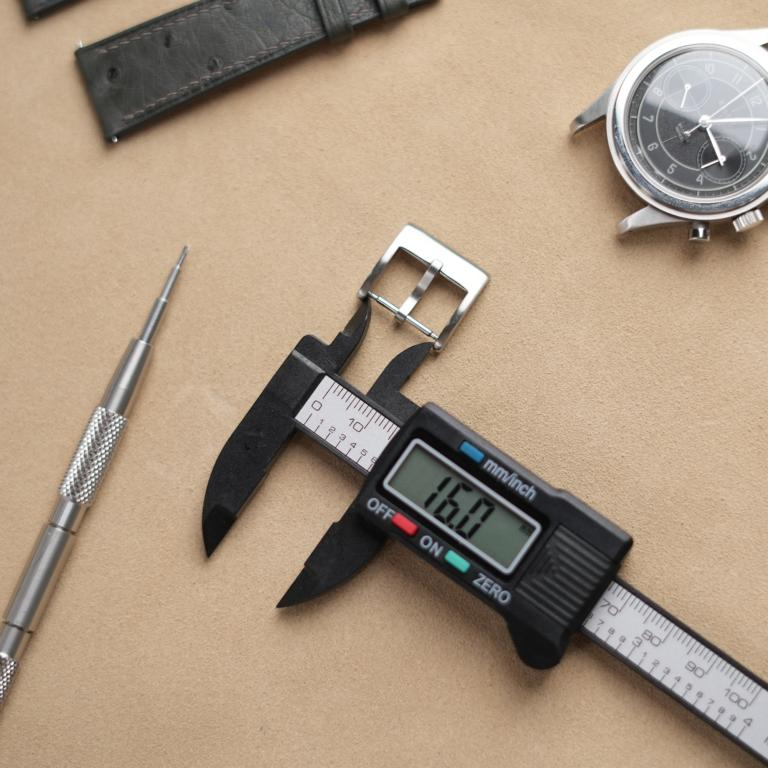
We do not publish a fixed cycle count or load figure as a general promise. Where a customer defines an opening or sliding test condition, we review whether that condition can be measured for the specific part. General quality practice is described on our quality page.
From Clasp Drawing to Machined Part
The route below is a working sequence, not a fixed schedule. The review points are there to catch fit and finish issues before material is cut.
| Step | What happens | Decision point |
|---|---|---|
| 1 · Drawing review | We read geometry, datum scheme, critical features and finish notes | Open questions are listed before quoting |
| 2 · Process plan | Setups, tooling and inspection points are chosen | Confirm which features are machined together |
| 3 · First parts | Initial parts are made and measured | First-article record for dimensions and appearance |
| 4 · Finish and recheck | Polishing or brushing, then final dimension check | Critical features checked after finishing |
| 5 · Repeat production | Repeat batches follow the same drawing revision | Batch records reviewed against the same reference |
Lead time depends on the reviewed route and quantity, so we do not state a single production time on this page. For a general quotation process, see our quotation page.
Who Orders Custom Watch Clasp Components
The parts on this page are ordered by buyers who already have a design or a reference part. They are not usually looking for a retail replacement buckle.
| Buyer | Typical request | Main concern |
|---|---|---|
| Watch brands and manufacturers | Custom clasp parts for a defined model | Appearance, fit and repeat supply |
| Independent and small watch brands | Sample parts and small batches | Design support and clear quoting |
| Watch component suppliers | Frames, hinges, covers and adjustment parts | Dimension consistency and cost control |
| Watch assembly companies | Pins, blades and mating metal pieces | Assembly fit and clean edges |
If your project is a complete strap or a finished consumer buckle, this page is not the right entry point. If it is a machined metal part, the CTA below leads to the right questions.
Watch Clasp CNC Machining Questions
What watch clasp parts can you machine?
Do you make complete watch clasps or watch bands?
Which materials are commonly used for clasp components?
How do you control hinge hole position and pin fit?
Can you hold plus or minus 0.005 mm on clasp parts?
Do polishing and brushing change the fit of a part?
Can you do PVD or DLC coating on clasp parts?
What do you need from me to quote a clasp component?
Can I order a small batch or prototype first?
How do you keep batches consistent?
Do you test opening and closing cycles?
Is CNC machining always the right process for a buckle?
Send Your Clasp Drawings for a Machining Review
Send the 2D drawing and 3D model if you have them, or clear photos and measurements of a sample. Include material, quantity, critical dimensions and the surface finish you need. Mark the features that affect fit, opening movement or appearance.
2D and 3D files
STEP, IGES, DWG or PDF. Mark datums and critical features.
Fit and movement
Tell us which surfaces mate and how the part should move.
Finish and edges
State the finish area, texture direction and edge notes.
Start a Watch Clasp Component Review
Tell us whether you need individual machined components or a complete assembly. We will review geometry, material and inspection needs before quoting.
Submit Clasp DrawingsDrawings and samples are reviewed for machining feasibility. No price or cycle count is published on this page.