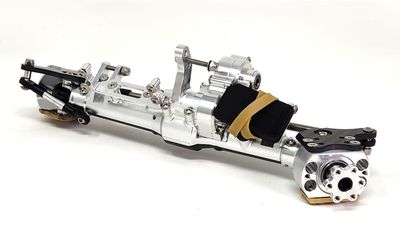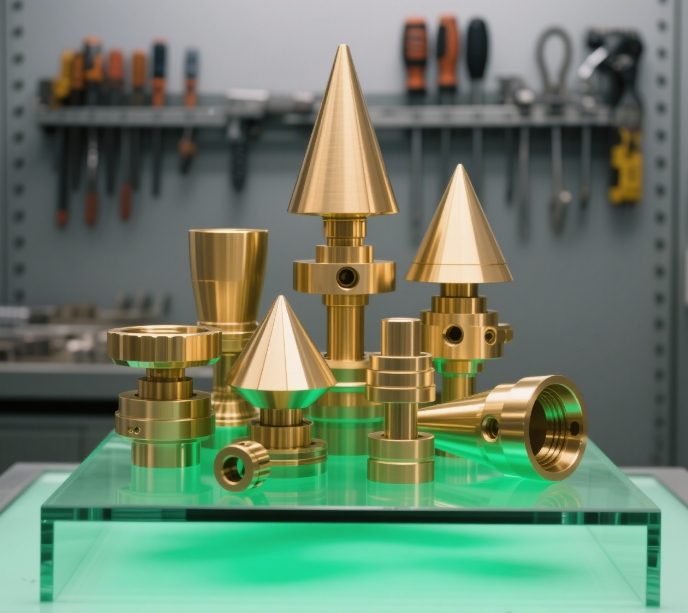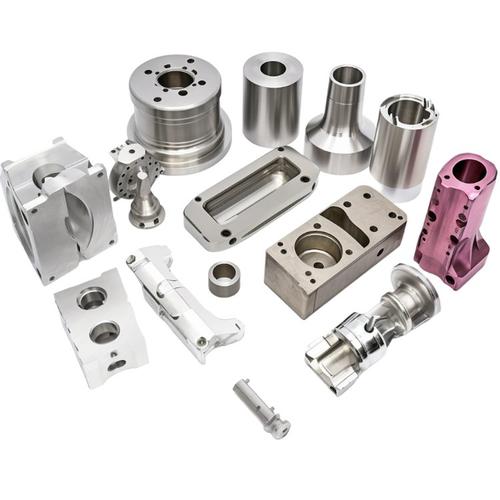
Custom CNC Turning Services for Precision Cylindrical Components
From prototype shafts to high-volume precision turned parts, Xiamen Goldcattle provides CNC turning with live tooling, secondary milling, threading and surface finishing for demanding industrial applications — held to ±0.005 mm across 100+ machines.
Where Xiamen Goldcattle's CNC Turning Delivers the Most Value
Xiamen Goldcattle operates this page as a Precision Rotational Components Manufacturing Center. The fastest way to know if turning is your best route is to look at the part's shape: rotational, axisymmetric components are where CNC turning is most efficient, most accurate and most cost-effective. Below are the geometries where our turning cells shine — and, just as importantly, where we will route you to a better process so you don't over-pay.
✔ Turning Is the Efficient Route When Your Part Is…
- A shaft, spindle or rod defined by a central axis
- A pin, bushing or sleeve with concentric internal bores
- A threaded connector, stud or fastener body
- A valve stem, hydraulic piston or nozzle
- A roller, pulley or coupling with bearing seats
- A sensor or instrument housing of revolution
- Any part needing tight roundness, runout and concentricity
✖ For These Shapes, We Point You to the Better Process
- Flat, box-like or prismatic parts with features on many faces
- Complex free-form or contoured 3D surfaces
- Very small, slender micro-parts needing slidework
- 100,000+ identical simple parts where tooling pays back
What Xiamen Goldcattle Produces on the Lathe
We don't list machines — we list the components procurement teams actually buy. Every part below is a rotational component we turn routinely, with the application and industry it serves.
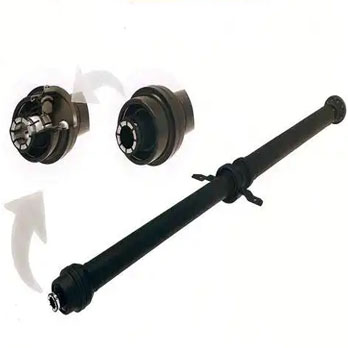
Transmission Shafts
Stepped shafts with bearing seats and keyways for automotive and automation drivelines.
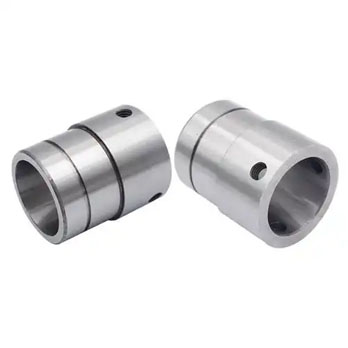
Bearing Sleeves & Bushings
Tight ID/OD concentricity, bronze or steel, for rotating assemblies and guides.
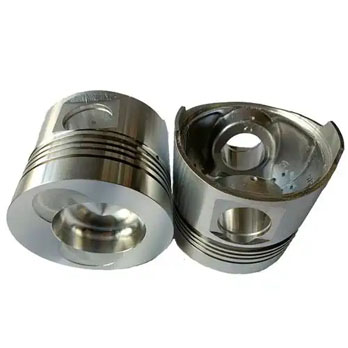
Hydraulic Pistons & Rods
Sealing diameters held to roundness 0.003 mm for leak-tight cylinders.
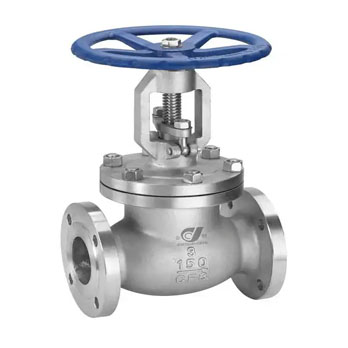
Valve Bodies & Stems
304/316L fluid components with intersecting bores and sealing faces.
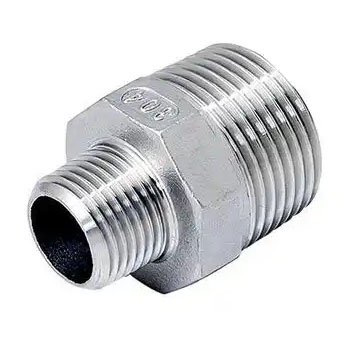
Threaded Connectors
Metric, UNC/UNF, BSP and NPT threads, internal and external, gauge-verified.
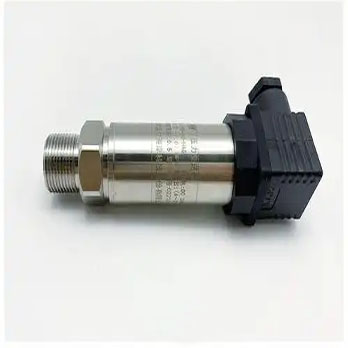
Sensor & Instrument Housings
Aluminum and 316L bodies of revolution with EMI and sealing features.
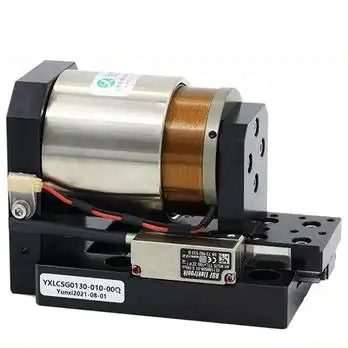
Motor & Rotor Shafts
High-runout-control shafts for motors, pumps and actuators.
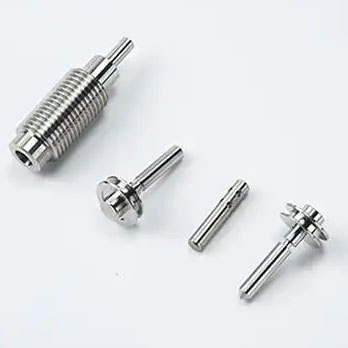
Medical Rods & Pins
316L and titanium, passivated or electropolished, traceable to cert.
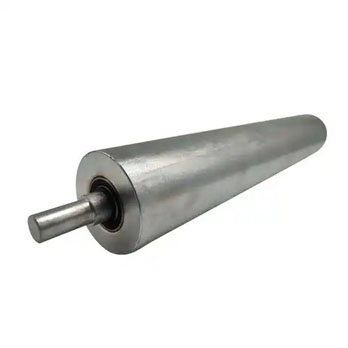
Pulleys & Rollers
Knurled, grooved and balanced rotating elements for conveyance.
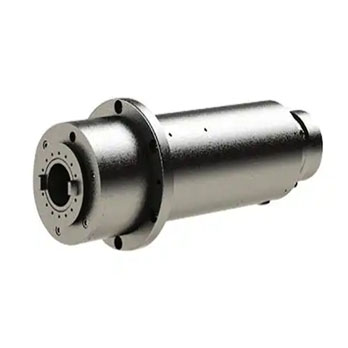
Spindles & Mandrels
High-precision rotating cores with ground seats and minimal runout.
Xiamen Goldcattle CNC Turning Capabilities
Our turning cells cover the full spectrum of rotational machining — from simple OD work to single-setup mill-turn. Each capability below is backed by the equipment, tooling and inspection needed to hold rotational accuracy at volume.
Conventional CNC Turning
High-rigidity lathes for OD, ID, facing and chamfering. The workhorse for shafts, pins and sleeves with consistent roundness.
- Ø2–320 mm
- ±0.005 mm diameters
- High repeatability batches
Live Tooling Turning
Motorized turret tools drill, mill and slot off-axis in the same clamp — no second operation, no re-fixturing error.
- Cross-holes, flats, slots
- Single-setup accuracy
- Shorter lead time
Turning + Milling
Mill-turn parts such as hex bodies, wrench flats and port features are completed in one cycle, protecting positional tolerance.
- Reduced setups
- Better Cpk
- Lower handling cost
Multi-axis Turning
Sub-spindle and Y-axis turning handles back-side features and eccentric geometry without a second chucking.
- Sub-spindle transfer
- Back-face features
- True positional control
Thread Cutting
External and internal threads — metric, UNC/UNF, BSP, NPT — single and multi-start, cut or roll-formed.
- Gauge-verified
- Sealing-grade threads
- Left / right hand
Grooving & Parting
Form grooving, deep grooves, O-ring seats and clean part-off in-line reduce secondary operations.
- O-ring & snap grooves
- Deep-hole grooving
- Burr-minimized parting
Knurling & Boring
Functional knurls for grip and ID boring for true, concentric internal diameters and seats.
- Straight / diamond knurl
- Bored IDs to tolerance
- Concentric bores
Bar-Fed Production
Bar feeders and automatic loading support unattended, high-repeatability runs where unit cost drops fastest.
- Unattended runs
- 100–100,000+ pcs
- Stable Cpk
Xiamen Goldcattle Capability Matrix
A quick reference for program planning — what Xiamen Goldcattle supports across the full prototype-to-production journey.
| Capability | Support | Notes |
|---|---|---|
| Prototype (1 pc) | ✓ | MOQ 1, 7–15 days |
| Low Volume | ✓ | Flexible scheduling |
| Production Volume | ✓ | Bar-fed, 100k+ pcs |
| Live Tooling | ✓ | Turn + mill one setup |
| Threading (int/ext) | ✓ | Metric/UNC/UNF/BSP/NPT |
| Milling on turned part | ✓ | Cross-holes, flats, slots |
| Knurling | ✓ | Straight / diamond |
| Grooving & Parting | ✓ | Form & deep grooves |
| Boring (ID) | ✓ | Concentric internal seats |
| Sub-spindle back-work | ✓ | No second chuck |
Xiamen Goldcattle Technical Specifications
Real, verified turning envelopes and quality ceilings. Confirm critical requirements on your engineering drawing — these are guidance values, not a substitute for the print.
| Parameter | Capability |
|---|---|
| Turning diameter | Ø2 – 320 mm |
| Max length (between centers) | 800 mm (longer on request with steady rest) |
| Diameter tolerance | ±0.005 mm standard |
| Concentricity / runout | ±0.01 mm |
| Roundness | 0.003 mm |
| Surface roughness (Ra) | 0.2 – 1.6 µm |
| Supported file formats | STEP, IGES, STL, DWG, DXF |
| Inspection equipment | Zeiss CMM, roundness gauge, thread gauges, micrometers |
| Certifications | ISO 9001:2015, EN 10204 3.1, AS9102 FAI, RoHS/REACH |
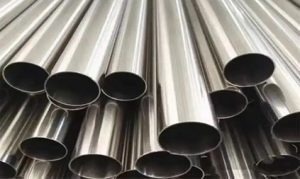
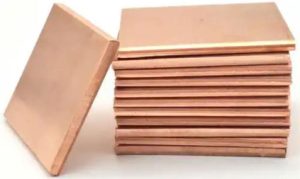
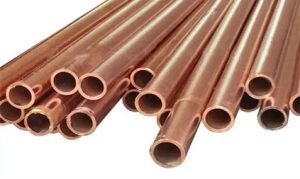
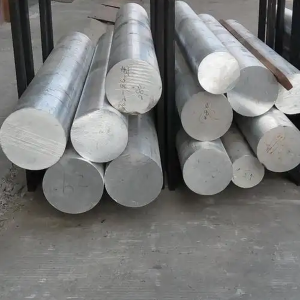
Materials Turned by Xiamen Goldcattle
From free-machining aluminum to work-hardening titanium, our tooling and coolant strategy is matched to each material so roundness and finish stay consistent.
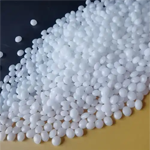
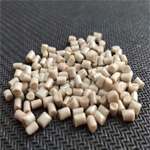
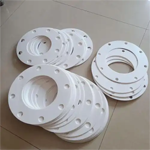
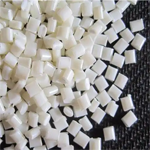
Metals
Xiamen Goldcattle Turning Design Guide (DFM)
These are the rotational-design rules our engineers apply during DFM — they keep your shaft, pin or sleeve accurate and affordable. They are also exactly what we check before quoting.
Minimum Diameter
Maintain Ø ≥ 2 mm for stable turning.
Below this, Swiss machining is the stronger route; we'll advise during review.
L / D Ratio
Keep length ÷ diameter ≤ 10:1 where possible.
Longer, slender parts use steady rests and supported setups to avoid deflection.
Undercut / Relief Groove
Add a relief groove at shoulders for clean tool exit.
Prevents tool rubbing and gives a crisp shoulder without a second op.
Thread Design
Thread length ≤ 2.5× diameter for blind; through-threads preferred.
Standardize on metric or UNC/UNF so we can roll or cut efficiently.
Groove Width
Groove width ≥ 2× tool nose radius.
Too-narrow grooves need custom tools and add cycle time.
Chamfer & Radius
Add 0.2–0.5 mm chamfers to all OD ends.
Eases assembly, removes burrs and protects seals at installation.
Tolerances
Tighten only critical diameters; ±0.01 mm elsewhere.
Over-tolerancing every dimension raises cost without functional gain.
Surface Finish
Specify Ra only on sealing / sliding surfaces.
Ra 0.4–0.8 is turned; finer needs superfinish — adds cost.
Runout & Concentricity
Call out runout on bearing seats, not the whole length.
Single-clamp and sub-spindle control keep it to ±0.01 mm.
Datum Strategy
Reference critical dims to the turning axis (A) + face (B).
Clear datums make CMM inspection of runout fast and unambiguous.
Xiamen Goldcattle Live Tooling Advantages
Live tooling — powered milling, drilling and tapping built into the lathe turret — is how we turn a simple shaft into a finished, feature-complete component in a single clamp. Here is what that means for your part.
Fewer Setups, Less Error
Cross-holes, flats and slots are cut while the part is still chucked, so positional tolerance no longer depends on a second fixturing.
Better Positional Control
Features referenced to the turned axis stay true — ideal for hydraulic bodies and sensor housings with off-axis ports.
Lower Total Cost
Eliminating a second operation removes handling, fixtures and queue time — often the single biggest cost lever on turned parts.
Shorter Lead Time
One cycle from raw bar to finished part means prototypes and urgent batches ship faster.
Xiamen Goldcattle Manufacturing Workflow
More useful than a generic "our process" line: here is exactly how your CAD becomes a qualified, concentric component, and where engineering value is added.
Xiamen Goldcattle Surface Finishing for Turned Parts
Rotational parts often need a finish that protects a sealing surface or improves appearance. We apply and verify these in-house or with certified partners.
Anodizing (Type II / III)
For aluminum shafts and sleeves — corrosion resistance, wear and color.
Black Oxide
Low-cost dark protection for steel pins, fasteners and tooling.
Passivation
For stainless — restores the chromium layer per ASTM A967.
Polishing
Mirror/satin finish for sealing faces and cosmetic rods.
Nickel Plating
Wear and corrosion resistance on steel and brass.
Chrome Plating
Hard, low-friction surface for pistons and rollers.
Centerless Grinding
Tight diameter and roundness on high-volume rods.
Laser Marking
Permanent part numbers, logos and traceability.
CNC Turning vs Other Processes
These comparison tables help specify the right process for a rotational component — a high-value reference for engineers and buyers alike.
| Turning vs | Best for turning when… | Choose the other when… |
|---|---|---|
| Milling | Part is axisymmetric; concentricity is key | Flat/box parts with multi-face pockets |
| Swiss | Ø > 2 mm, moderate length | Micro-parts < Ø2 mm, sliding headstock |
| Grinding | Tolerance achievable by cutting | Ultra-fine diameter/Ra on hardened stock |
| Casting | Low/mid volume, fast iteration | 100k+ identical simple parts (tooling pays) |
| Screw Machining | Complex features, live tooling needs | Very high volume simple screws (cam autos) |
Industries Served by Xiamen Goldcattle
Each industry brings a typical rotational part we turn routinely — and the standards we align to.
Hydraulics & Fluid Power
Pistons, rods, valve stems with leak-tight sealing diameters and roundness control.
Medical & Pharma
316L / titanium rods and pins, ISO 13485-aligned, electropolished, traceable.
Automotive
IATF 16949-aligned shafts, bushings and prototype driveline parts.
Industrial Automation
Spindles, rollers and couplings with repeatable fits across batches.
Pumps & Valves
304/316L bodies and stems with intersecting bores and sealing faces.
Energy
Corrosion-resistant shafts and connectors for harsh environments.
Robotics
Lightweight aluminum and steel actuator shafts with tight runout.
Semiconductor
High-purity, burr-free pins and housings with fine features.
Typical Applications
A representative set of the rotational components Xiamen Goldcattle supplies — not a product catalog, but the part families buyers most often request.
Drive Shafts
Stepped shafts with bearing seats and keyways.
Motor Shafts
High-runout-control rotors for motors and pumps.
Bearing Sleeves
Concentric ID/OD bushings and guides.
Valve Stems
Sealing diameters with thread and groove.
Hydraulic Rods
Chrome or polished rods, roundness 0.003 mm.
Spindles
Precision cores with minimal runout.
Connectors
Threaded unions, metric/UNC/BSP/NPT.
Couplings
Shaft joiners with balanced bores.
Nozzles
Precision internal bores and tips.
Pins & Dowels
Location pins and hinge pins to size.
Xiamen Goldcattle Quality Assurance
Rotational parts live or die on roundness, runout and thread accuracy. Our quality system is built around exactly those controls.
Xiamen Goldcattle Equipment & Cell
A turning-focused cell layout that supports both one-off prototypes and bar-fed production without subcontracting.
CNC Turning Centers
Rigid lathes for Ø2–320 mm, high-repeatability diameters.
Turning Centers with Live Tool
Mill-turn in one clamp for cross-holes, flats and slots.
Bar Feeders
Unattended, volume production with stable Cpk.
Sub-spindles
Back-side features without a second chucking.
Steady Rests
Support for long, slender shafts up to 800 mm.
Zeiss CMM
Coordinate measurement to ±0.0005 mm.
Xiamen Goldcattle Case Studies
Four representative rotational programs — each showing how a specific control (runout, thread, length, finish) was met.
Hard-Chrome Hydraulic Piston (Ø60 × 480 mm)
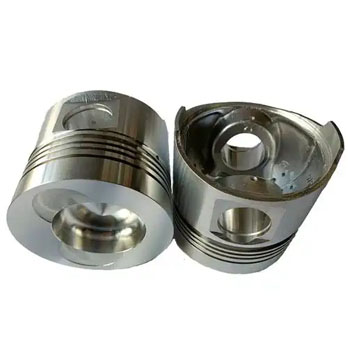
- Challenge
- Leak-tight sealing diameter with roundness 0.003 mm over a long stroke.
- DFM
- Steady-rest support and balanced cutting reduced deflection on the long rod.
- Turning Strategy
- Finish-turn then centerless grind; hard-chrome plated and polished to Ra 0.2.
- Inspection
- Roundness gauge + CMM diameter map on every 10th piece.
- Delivery
- Prototype 11 days; 500-piece batch 24 days.
316L Surgical Guide Pin (Ø8 × 120 mm)
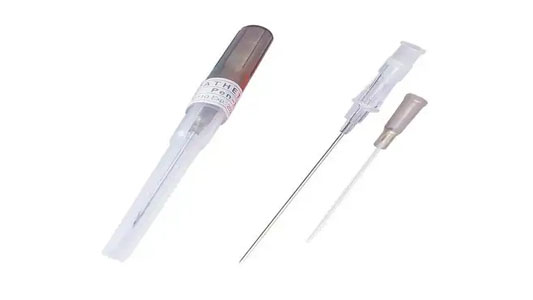
- Challenge
- Biocompatible, burr-free, traceable with electropolished surface.
- DFM
- Relief groove at shoulder; chamfered ends for clean assembly.
- Turning Strategy
- Single-clamp turning, electropolished, passivated per ASTM A967.
- Inspection
- EN 10204 3.1 cert, CMM and visual burr check.
- Delivery
- Prototype 9 days; scaled to 2,000 over 5 weeks.
7075 Robot Actuator Shaft (Ø25 × 300 mm)
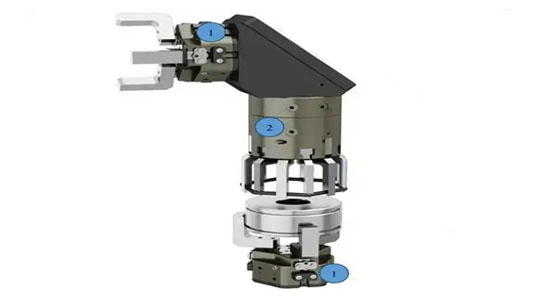
- Challenge
- Tight runout on bearing seats feeding a high-speed joint.
- DFM
- Live-tool cross-holes and flats added in the same clamp.
- Turning Strategy
- Sub-spindle back-face; anodized Type III for wear.
- Inspection
- Total runout ±0.01 mm verified on CMM.
- Delivery
- Prototype 10 days; 1,000-piece batch 21 days.
Motor Spindle (Ø40 × 220 mm, threaded)
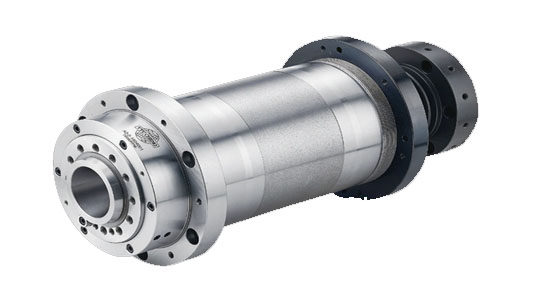
- Challenge
- External metric thread plus off-axis port, both to position.
- DFM
- Unified thread standard; live-tool port removed a second op.
- Turning Strategy
- Thread cut and port milled in one setup; black-oxide finish.
- Inspection
- Go/No-Go thread gauge + CMM position report.
- Delivery
- Prototype 12 days; 5,000-piece batch 28 days.
CNC Turning Cost Guide
Turning is already one of the most cost-efficient ways to make a rotational part. These are the levers that move price — and how Xiamen Goldcattle helps you pull the right ones.
How to Reduce CNC Turning Cost (Without Sacrificing Function)
- Combine operations with live tooling — one setup beats a second operation.
- Right-size tolerances: ±0.01 mm on non-critical diameters is plenty.
- Add relief grooves and chamfers so we avoid custom tooling and re-work.
- Standardize threads (metric / UNC-UNF) to use proven tooling.
- Consolidate volume so setup amortizes across the run.
- Leverage our free DFM review — typically 15–30% cycle-time savings before the first cut.
Xiamen Goldcattle Shaft Design Optimization Guide
Shafts are the most common turned part — and the most sensitive to geometry choices. These are the design habits our engineers recommend to keep your shaft accurate, buildable and economical.
Shoulder Design
Use stepped shoulders with relief grooves.
Clean shoulders locate bearings precisely and avoid tool rub.
Chamfers
0.3–0.5 mm chamfer on every OD end.
Eases bearing installation and removes handling burrs.
Relief / Neck Grooves
Groove at each shoulder for tool exit.
Prevents a raised lip and gives a crisp, burr-free step.
Thread Length
Thread only what engages; ≤ 2.5× Ø for blind.
Shorter threads cut faster and reduce tap wear.
L / D Ratio
Keep ≤ 10:1; use steady rest beyond.
Controls deflection so roundness and runout hold.
Concentricity Callout
Tie bearing seats to a single datum axis.
Single-clamp machining delivers the runout you spec.
Xiamen Goldcattle Thread Manufacturing Guide
Threads are where many turned parts fail inspection. We support the full range of standards and verify every thread so your assembly never sees a bad fitting.
Metric & Inch Threads
Metric (M), UNC and UNF in external and internal forms, single and multi-start.
- Cut or roll-formed
- Go/No-Go verified
- Left / right hand
BSP & NPT
Tapered and parallel pipe threads for hydraulic and pneumatic fittings, sealed to spec.
- BSPP / BSPT
- NPT / NPTF
- Leak-tight verified
How We Verify
Go/No-Go ring and plug gauges plus 3-wire measurement for precision threads; CMM for position.
- Gauge per batch
- 3-wire pitch check
- Position on CMM
Roll vs Cut
Roll-formed threads (where geometry allows) are stronger and faster; cut threads suit hard alloys and small lots.
- Roll: stronger, cheaper
- Cut: hard materials
- Advised in DFM
Live Tooling vs Secondary Machining
A common specification question: should off-axis features be cut on the lathe with live tooling, or sent to a second milling operation? Here is the honest trade-off so you can choose with confidence.
| Method | Advantages | Best For |
|---|---|---|
| Live Tooling | Single setup, best positional accuracy, lower handling cost, faster | Precision parts with cross-holes, flats, slots tied to the axis |
| Secondary Milling | Maximum flexibility, 3/4/5-axis freedom, no lathe limit | Complex multi-face features or when the lathe lacks the axis |
For most turned components, live tooling is the more accurate and economical choice because the feature stays referenced to the turned axis. We default to it and only recommend secondary milling when geometry genuinely demands it.
Frequently Asked Questions
What diameter range can you turn?
Xiamen Goldcattle turns parts from Ø2 mm up to Ø320 mm, covering pins and bushings through large hydraulic pistons and rollers.
Can you machine long shafts?
Yes. Standard turning length is up to 800 mm between centers, with steady rests and supported setups available for longer shafts on request.
Do you offer live tooling?
Yes. Our turning centers with live tooling perform off-axis drilling, milling and grooving in the same clamp, eliminating a second setup and improving positional accuracy.
Can you cut both external and internal threads?
Yes — metric, UNC/UNF, BSP and NPT threads, both internal and external, single-start and multi-start, inspected with thread gauges and CMM.
How do you control runout and concentricity on turned parts?
Single-clamp machining, sub-spindles for back-side operations, 3-2-1 datum strategy and Zeiss CMM verification hold runout to ±0.01 mm and roundness to 0.003 mm.
What tolerances can you hold on turned diameters?
Standard diameter tolerance is ±0.005 mm. We routinely hold tight fits, bearing seats and sealing diameters with CMM proof.
What surface roughness can turned parts achieve?
As-turned Ra 0.8–1.6 µm is typical; fine finishing and superfinishing reach Ra 0.2–0.4 µm for sealing and sliding surfaces.
Can you turn stainless steel and titanium?
Yes. We turn 304/316L stainless, titanium Ti-6Al-4V and other gummy or work-hardening alloys with cooled carbide and controlled depth-of-cut to keep them cuttable.
Do you support prototypes as well as production?
Yes. MOQ is 1 piece; prototypes ship in 7–15 days and scale to production batches of 100–100,000+ under the same quality system.
Do you provide material certificates and compliance docs?
We supply EN 10204 3.1 material certificates, RoHS/REACH documentation and FAI per AS9102 on request for EU and US importers.
Can you knurl, groove and part off in one run?
Yes. Knurling, form grooving, deep-hole boring and parting are standard in-line operations, reducing handling and lead time.
Do you run bar feeders for volume?
Yes. Bar-fed turning centers support unattended, high-repeatability production runs, which is where unit cost drops most.
How fast can you deliver turned parts?
Prototype shafts and pins ship in 7–15 working days; production batches typically 15–25 days depending on complexity and finish. Expedited scheduling is available.
What CAD file formats do you accept?
STEP, IGES, STL, DWG and DXF. A 2D drawing with critical diameters, thread callouts and datums is recommended for tolerance control.
How is CNC turning priced and how can I lower cost?
Pricing depends on material, diameter, length, tolerance, thread complexity, finish and quantity. Our DFM review — loosening non-critical tolerances, combining operations with live tooling and right-sizing batch size — is the fastest way to reduce cost without losing function.
Upload Your CAD — Get a DFM Review in 24 Hours
Send your shaft, pin, bushing or connector drawing and receive a turning-focused DFM report plus quote within 24 hours. Prototype in 7–15 days, scaled to production with the same quality system.