Market Overview: Casting Industry in 2026
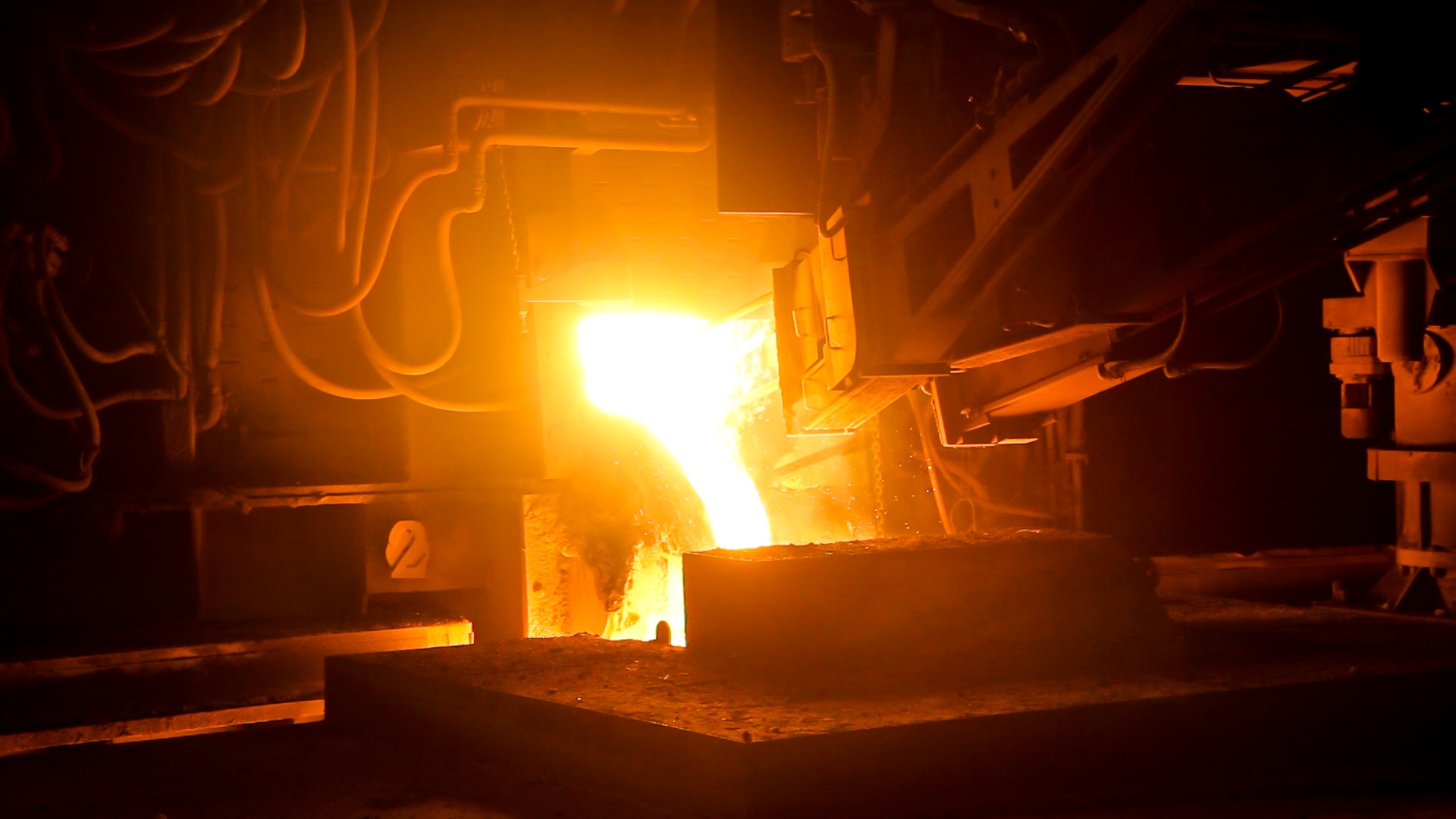
Sand casting process in modern foundry with molten metal pouring
Bro, let me tell you something – the casting industry is absolutely booming right now! I’ve been in this game for over 20 years, and I’ve never seen so much innovation happening at once.
The investment casting market alone is projected to hit $18.45 billion in 2026 and grow to $23.82 billion by 2031 at a 5.2% CAGR. That’s huge! And get this – silica-sol shells are dominating with 50.78% market share because they deliver that super smooth surface finish everyone wants.
Key Market Insights
- Investment casting market growth: 5.2% CAGR through 2031
- Silica-sol shells hold 50.78% market share
- Hybrid ceramic cores growing at 5.30% CAGR
- Over 30 foundries globally using DISA green sand for aluminum casting
Core Casting Processes Explained
Sand Casting
Dude, sand casting is the OG of casting processes! It’s super flexible and cost-effective for producing large, complex components in lower volumes. I’ve seen everything from engine blocks to big machine parts made this way.
- Best for: Large parts, low to medium volume
- Surface finish: Ra 6.3-12.5μm
- Tolerance: ±0.8-1.5mm
- Test data*: 3D-printed sand molds reduce waste by 65%
Investment Casting
This is where precision really shines! Investment casting (also called lost wax casting) lets us make super complex shapes with amazing surface finish. Perfect for aerospace turbine blades and medical implants.
- Best for: Complex geometries, high precision
- Surface finish: Ra 1.6-3.2μm
- Tolerance: ±0.1-0.3mm
- Test data*: Silica-sol shells deliver 50.78% market share
High-Pressure Die Casting
When you need high volume production, this is the way to go! We’re talking millions of parts with consistent quality. Great for automotive components and consumer electronics.
- Best for: High volume production, thin walls
- Surface finish: Ra 3.2-6.3μm
- Tolerance: ±0.1-0.5mm
- Test data*: Cycle times as low as 15 seconds per part
Low-Pressure Die Casting
This process gives you better quality than high-pressure casting because the metal flows more smoothly. Perfect for wheels, structural parts, and aerospace components where strength matters.
- Best for: Wheels, structural aerospace parts
- Surface finish: Ra 3.2-6.3μm
- Tolerance: ±0.1-0.3mm
- Test data*: 20% higher fatigue strength than gravity casting
*Test data for reference only – actual results may vary based on specific application and requirements
Materials & Advanced Technologies
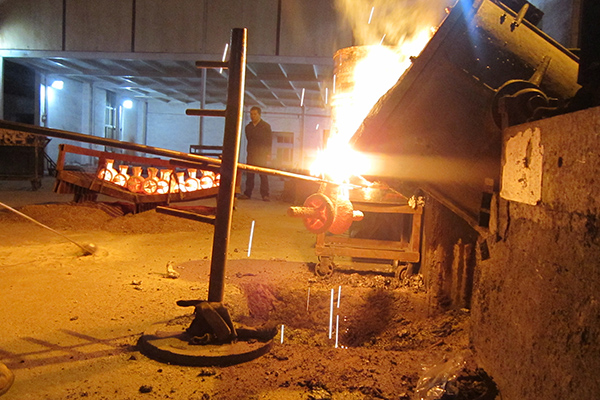
Investment casting process with molten metal pouring into ceramic molds
Materials We Master
| Material Type | Best Process | Key Advantages |
|---|---|---|
| Aluminum Alloys | Die Casting, Sand Casting | Lightweight, good machinability |
| Stainless Steel | Investment Casting | Corrosion resistant, high strength |
| Titanium Alloys | Investment Casting | High strength-to-weight ratio |
| Copper Alloys | Sand Casting, Die Casting | Excellent thermal conductivity |
Advanced Mold Technologies
- 3D-printed sand molds: Reduce lead time by 70%
- Silica-sol ceramic shells: Deliver Ra < 1.6μm surface finish
- Hybrid ceramic cores: Combine printed cores with sol-gel coats
- AI-optimized gating systems: Reduce porosity by 45%
2026 Technology Trends in Casting
AI-Driven Process Optimization
Bro, this is next-level stuff! Our AI systems now analyze real-time sensor data to adjust pouring temperatures, cooling rates, and mold filling parameters automatically. It’s like having a master foundryman watching every pour!
Test data*: AI optimization reduces defect rates by 60%
3D Printing Integration
We’re using 3D printing to create molds and cores directly from CAD files. No more expensive pattern making – just print and cast! This has revolutionized our prototyping process.
Test data*: 3D printing reduces lead times by 80% for complex parts
Sustainable Green Casting
Green is the new black in foundries! We’re using DISA green sand technology that’s 95% reusable, and implementing minimum quantity lubrication for machining operations.
Test data*: Sustainable practices reduce operating costs by 25%
Digital Twin Simulation
We can now simulate the entire casting process before we even melt any metal. This lets us optimize gating systems, predict defects, and ensure perfect parts every time.
Test data*: Digital twins reduce rework by 75%
Quality Standards & Certification
Standards We Live By
- ISO 9001:2015 – Quality management system
- AS9100D – Aerospace quality standard
- ISO 13485:2016 – Medical device quality standard
- IATF 16949 – Automotive industry standard
- NADCAP – Aerospace special processes
- FDA 21 CFR Part 820 – Medical device regulations
Pro Tip
When choosing a casting supplier, always ask for their certification documentation. If they can’t provide it, run – don’t walk – away!
Why Standards Matter
Dude, standards aren’t just pieces of paper – they’re what ensure that the parts you get today will be identical to the parts you get next month and next year.
In aerospace, a single mistake can cost lives. In medical devices, it can mean the difference between a successful surgery and a catastrophic failure. That’s why we take these standards so seriously.
Quality Control Process
- Initial material inspection and certification
- Real-time process monitoring during casting
- Dimensional inspection using CMM and optical comparators
- Non-destructive testing (NDT) for internal defects
- Surface finish measurement using profilometers
- Final documentation and traceability records
Applications & Industry Focus
Aerospace & Defense
This is where precision really matters. We make turbine blades, structural components, and hydraulic parts that have to withstand extreme temperatures and pressures.
- Turbine blades with complex cooling channels
- Structural brackets and fittings
- Hydraulic system components
- Missile guidance system parts
Medical Devices
We make parts that go into people’s bodies – implants, surgical tools, you name it. Biocompatibility and precision are non-negotiable here.
- Orthopedic implants (knees, hips, spine)
- Surgical instruments and tools
- Dental prosthetics and implants
- Medical device housings
Automotive Industry
Lightweighting is the name of the game here. We make parts that make cars lighter, faster, and more fuel-efficient.
- Engine blocks and cylinder heads
- Transmission components
- Suspension parts and control arms
- Wheel hubs and brake components
Energy & Power Generation
We make parts that have to last for decades in harsh environments – from wind turbine hubs to nuclear reactor components.
- Wind turbine hubs and nacelle components
- Gas turbine blades and vanes
- Nuclear reactor pressure vessel parts
- Hydraulic turbine components
Frequently Asked Questions
Q: What’s the difference between sand casting and investment casting?
A: Sand casting is better for large, simple parts in lower volumes, while investment casting is for small, complex parts that need high precision and smooth surface finish. Think engine blocks vs turbine blades.
Q: How accurate can casting be?
A: It depends on the process, but investment casting can hold tolerances down to ±0.1mm, which is pretty amazing! Sand casting is more like ±0.8-1.5mm.
Q: What’s the best material for high-temperature applications?
A: Nickel-based superalloys like Inconel 718 are the go-to for high temps. They can handle up to 1,000°C and still maintain their strength. Titanium alloys are also good for moderate temps.
Q: How long does it take to make a casting?
A: Prototypes can be done in 7-14 days with 3D printing, but production tooling takes 4-12 weeks depending on complexity. Once tooling is ready, production parts can be made in days.
Q: What’s the future of casting technology?
A: AI and 3D printing are game-changers! We’re already seeing AI optimize casting parameters in real-time, and 3D printing is making complex geometries possible that were impossible just a few years ago.
Ready to Start Your Casting Project?
Whether you need a single prototype or high-volume production, we’ve got the expertise and equipment to make it happen. Let’s bring your design to life!