Precision Stainless Steel Gear Manufacturing for High-Performance Transmission Systems
Custom machined gears with tight tolerances, corrosion resistance and stable performance for your critical transmission applications.
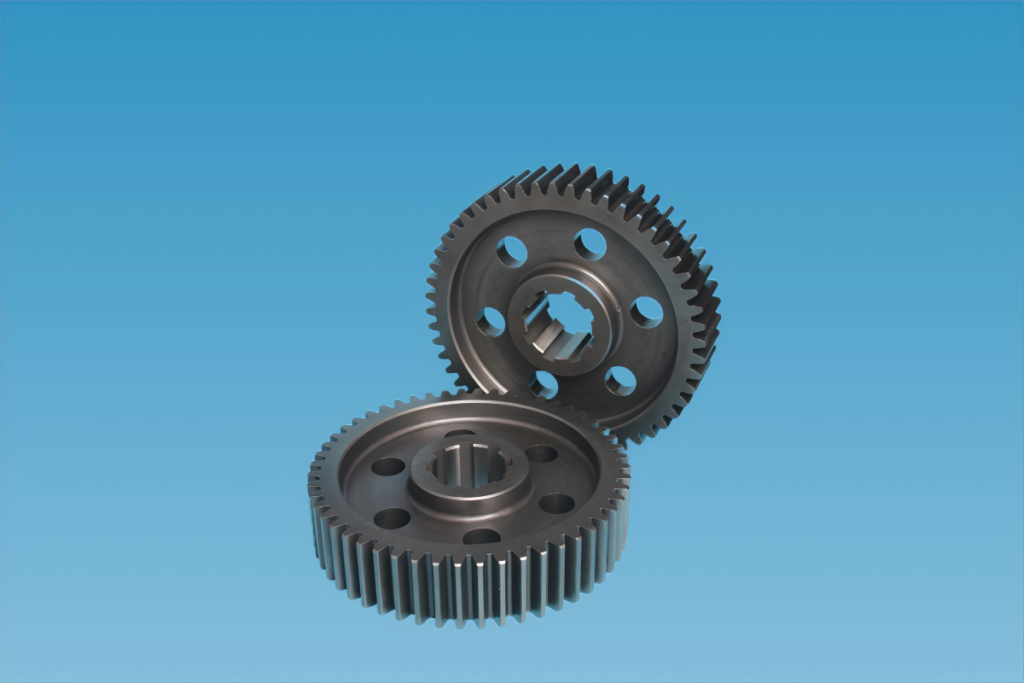
Common Challenges in Stainless Steel Gear Manufacturing
Precision gears are critical components in transmission systems, but they often face common issues that can compromise your equipment performance:
- Premature wear and tear on tooth surfaces, reducing service life
- Corrosion damage in harsh or humid operating environments
- Tooth deformation under heavy load conditions
- Excessive backlash leading to inaccurate motion transmission
- Unstable meshing that causes noise and vibration issues
Proper gear design, material selection and machining precision are critical to overcoming these challenges and ensuring long-term reliable performance.
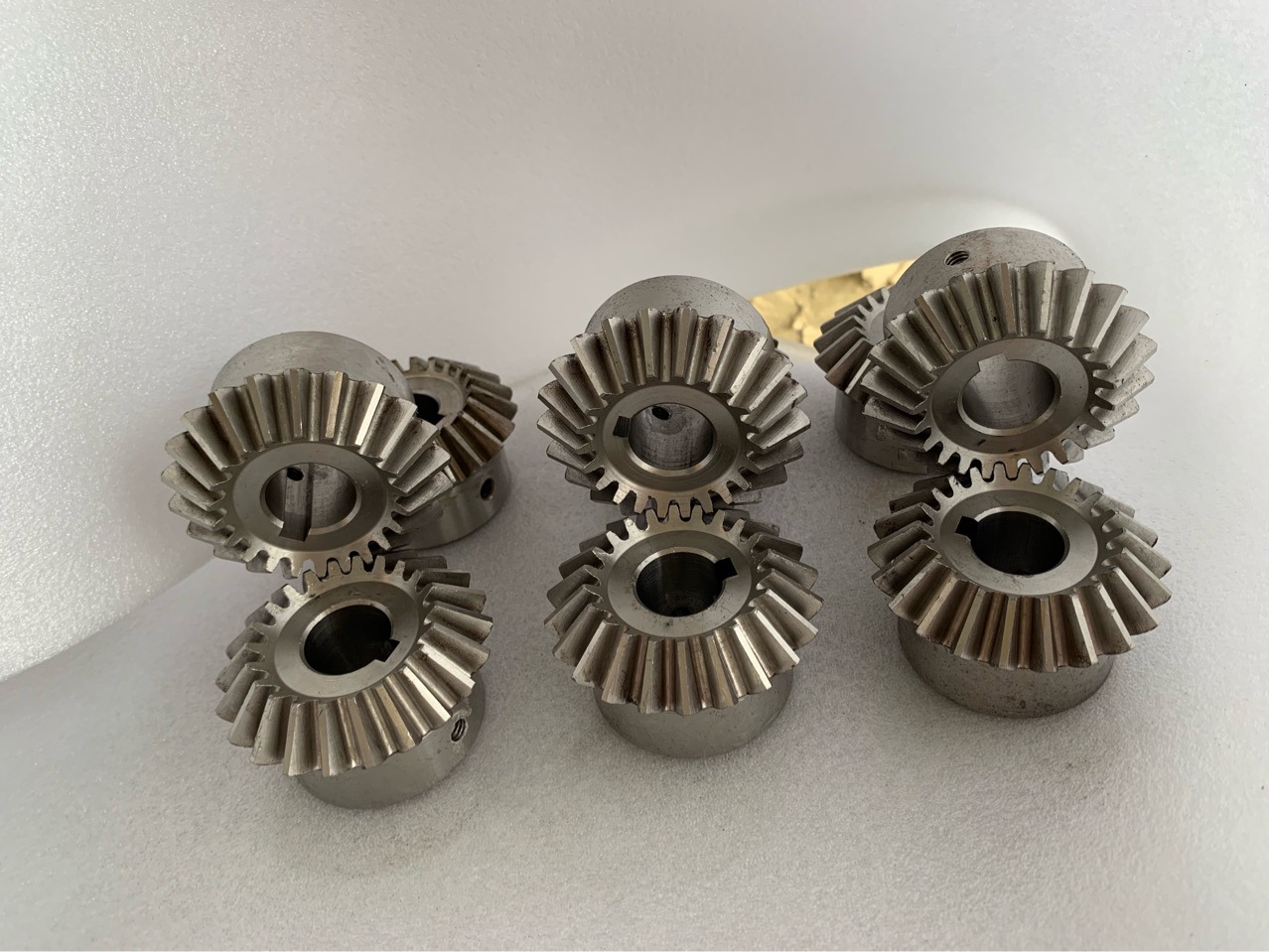
We support a full range of gear types: Spur, Helical, Worm, Bevel, Pinions and custom transmission components.
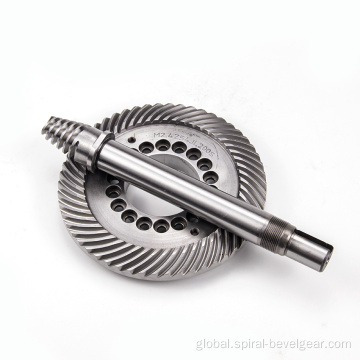
Why Stainless Steel Is Used for Gear Components
Stainless steel is not just a “premium” material for gears—it is the optimal choice for applications that demand corrosion resistance, hygiene, and long-term reliability in challenging environments. Unlike carbon steel, stainless steel contains chromium that forms a passive protective layer, preventing rust and corrosion even in humid, chemical, or saltwater environments.
This makes it ideal for:
- Corrosion-sensitive operating environments
- Hygienic processing and medical equipment
- Marine and offshore systems
- Food and beverage production machinery
| Material | Characteristics | Ideal For |
|---|---|---|
| 304 SS | General corrosion resistance, cost-effective | Food processing, packaging |
| 316 SS | Enhanced saltwater corrosion protection | Marine, chemical processing |
| 420 SS | Hardenable, high wear resistance | High-load transmission |
| 17-4PH | High strength, excellent corrosion resistance | Medical, aerospace, automation |
How Stainless Steel Gears Are Manufactured
We use advanced manufacturing processes to ensure your gears meet the exact specifications and performance requirements. Each process is selected based on your volume, precision needs, and application.
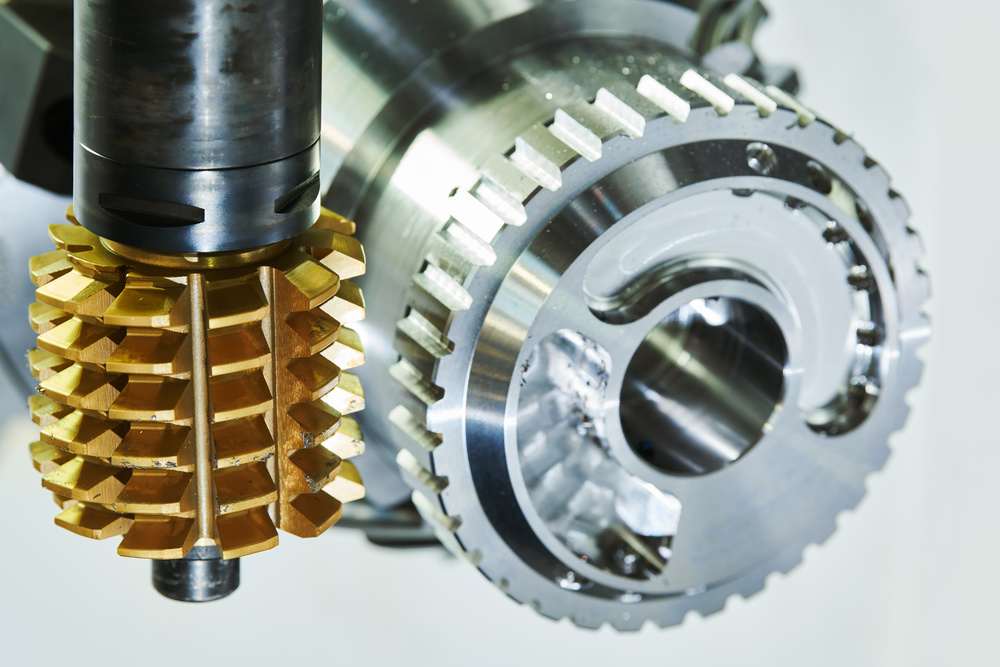
Gear Hobbing
Gear hobbing is a highly efficient machining process that uses a specialized hob tool to cut the tooth profile into the gear blank. This process is ideal for medium to high volume production runs, offering excellent repeatability and consistent quality across large batches. It allows us to produce standard and custom gear profiles with reliable efficiency, making it a cost-effective solution for many industrial applications.
CNC Gear Machining
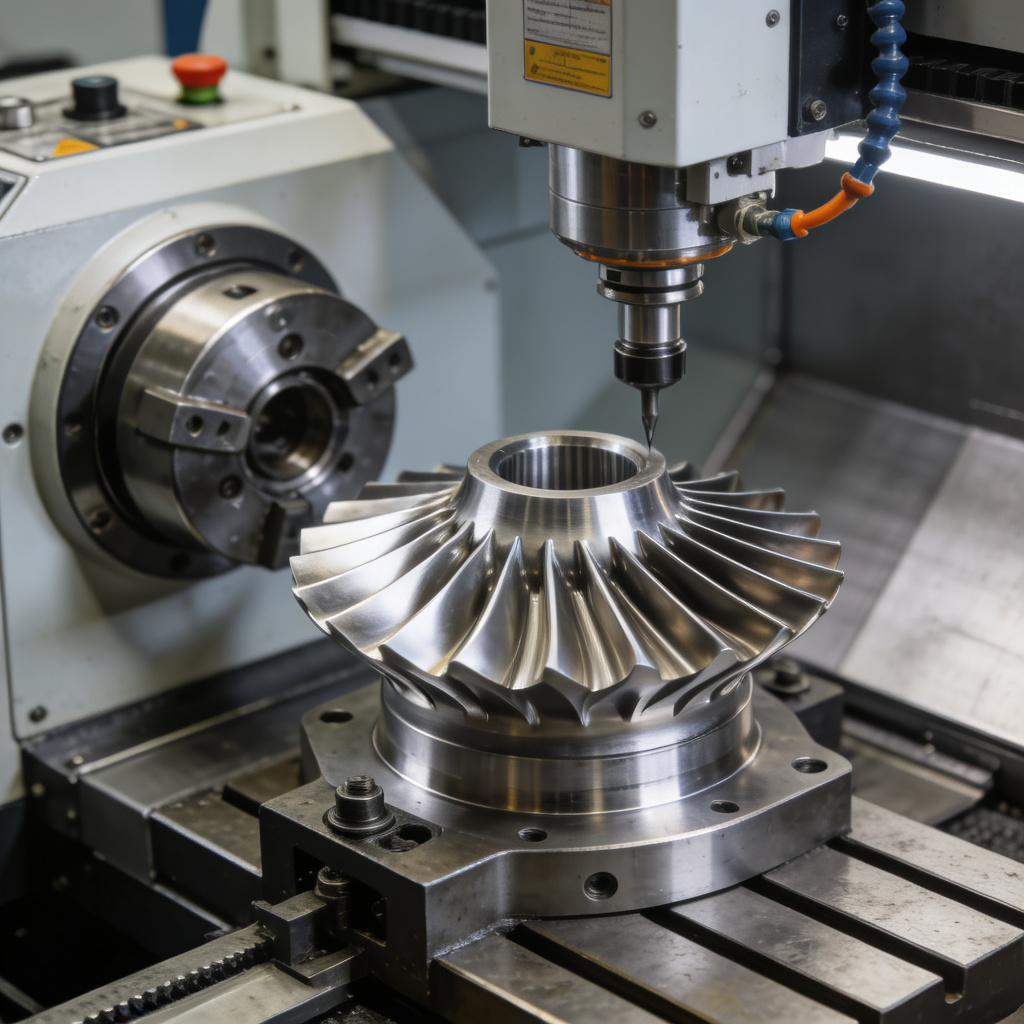
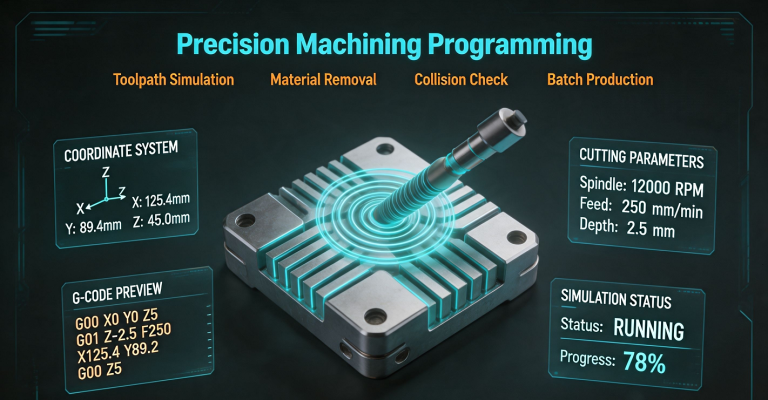
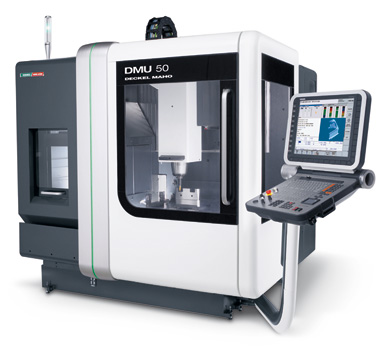
For prototype development, low-volume custom orders, and complex gear geometries, we use 4-axis and 5-axis CNC machining. This process offers unparalleled flexibility, allowing us to produce highly customized gear designs that cannot be achieved with traditional hobbing. CNC machining enables us to hold extremely tight tolerances, making it the perfect choice for high-precision applications where accuracy is critical.
Precision Gear Grinding
After heat treatment, we use precision gear grinding to achieve the final surface finish and accuracy. This process removes any deformation caused by heat treatment, resulting in ultra-smooth tooth surfaces, minimal runout, and the highest possible precision. Grinding is essential for high-accuracy gears that require low noise, high load capacity, and long service life, ensuring your transmission system operates at peak efficiency.
Precision & Quality Capability
We don’t just say “high precision”—we back it up with quantifiable capabilities and rigorous quality control. Every gear we produce is inspected to ensure it meets your exact specifications and international standards.
| Capability | Range |
|---|---|
| Dimensional Tolerance | ±0.01 mm |
| Gear Outer Diameter | 5 mm – 500 mm |
| Surface Roughness | Ra 0.8 – 1.6 μm |
| Gear Accuracy Grade | DIN 3 – DIN 8 / AGMA 5 – AGMA 12 |
| Inspection Equipment | CMM |
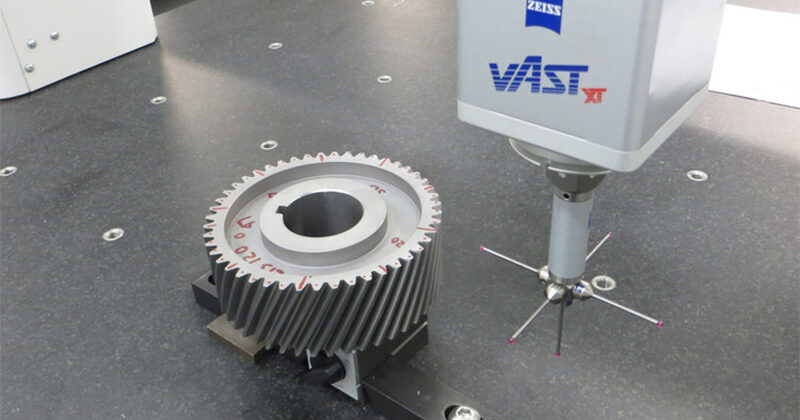
Why Gear Accuracy Matters
Gear accuracy is not just a number—it directly impacts the performance and lifespan of your entire system. Even small errors in tooth profile or alignment can lead to:
- Increased noise and vibration
- Uneven load distribution
- Reduced transmission efficiency
- Accelerated wear and shorter life
- Inaccurate motion positioning
- Higher energy consumption
Applications of Stainless Steel Gear Parts
Our stainless steel gears are used across a wide range of industries, where their corrosion resistance, hygiene, and precision make them the ideal choice. We have extensive experience working with clients in:
Food Processing
Hygienic, corrosion-resistant gears for conveyors, mixers and processing equipment that meet food safety standards.
Marine Equipment
Saltwater-resistant gears for boat propulsion, winches and offshore equipment that withstand harsh marine environments.
Packaging Machinery
Precision gears for high-speed packaging lines that ensure accurate positioning and reliable continuous operation.
Medical Systems
High-precision, biocompatible gears for medical devices, diagnostic equipment and surgical tools.
Industrial Automation
High-accuracy gears for robotic systems, CNC machines and automation equipment that require precise motion control.
Our Gear Manufacturing Process
We follow a rigorous, step-by-step manufacturing process to ensure every gear we deliver meets the highest standards of quality and precision:
Drawing Review
We review your CAD drawings and specifications.
DFM Analysis
Optimize your design for manufacturability.
Material Confirmation
Source and verify the exact material.
Gear Machining
Precision hobbing or CNC machining.
Heat Treatment
Enhance hardness and wear resistance.
Surface Finishing
Grinding and polishing for final finish.
Quality Inspection
Full CMM inspection of all dimensions.
Delivery
Careful packaging and worldwide shipping.
Frequently Asked Questions
What stainless steel is best for gears?
The best material depends on your specific application. For general corrosion resistance, 304 stainless steel is a cost-effective choice. For marine or high-corrosion environments, 316 stainless steel offers superior protection. For applications requiring higher hardness and wear resistance, 420 or 17-4PH stainless steel can be heat treated to achieve the required strength. Our engineering team can help you select the optimal material for your needs.
Can stainless steel gears be hardened?
Yes, certain stainless steel grades can be hardened. Martensitic stainless steels like 420 can be quenched and tempered to achieve surface hardness up to HRC 50, while precipitation hardening steels like 17-4PH can reach HRC 44. Austenitic stainless steels like 304 and 316 cannot be heat hardened, but they offer excellent corrosion resistance for applications that do not require extreme wear resistance.
What gear tolerances can you achieve?
We can achieve dimensional tolerances as tight as ±0.01 mm, with gear accuracy grades ranging from DIN 3 to DIN 8 (AGMA 5 to AGMA 12), depending on your requirements. All our gears are inspected using CMM equipment to ensure they meet the specified tolerances before delivery.
Which is better: gear hobbing or CNC machining?
It depends on your project. Gear hobbing is more efficient and cost-effective for medium to high volume production of standard gear profiles. CNC machining offers greater flexibility for custom gear geometries, prototypes, and low-volume orders, and can achieve extremely tight tolerances for high-precision applications. We will recommend the best process based on your specific needs.
How do you prevent gear wear in stainless steel gears?
We prevent gear wear through a combination of proper material selection, precision machining to ensure smooth tooth meshing, and heat treatment for hardenable stainless steels. We also work with you to optimize the gear design to ensure proper load distribution, reducing stress on individual teeth. For high-wear applications, we can also apply specialized surface coatings to further enhance wear resistance.
What industries use stainless steel gears?
Stainless steel gears are used across a wide range of industries, including food processing, marine equipment, medical devices, packaging machinery, industrial automation, chemical processing, and aerospace. They are particularly popular in applications that require corrosion resistance, hygiene, or high precision.
What is your typical lead time for custom gears?
Our typical lead time for custom stainless steel gears is 2-4 weeks, depending on the complexity of the design, quantity, and specific requirements. For prototype orders, we can often offer expedited lead times. We will provide you with a specific lead time during the quoting process.
Can you manufacture gears based on my CAD drawings?
Yes, we can manufacture custom gears based on your CAD drawings, 2D blueprints, or even physical samples. We support all common CAD formats including STEP, IGES, DWG, and PDF. Our engineering team will review your drawings to ensure manufacturability and provide you with a detailed quote.