Custom high-pressure magnesium die casting for lightweight, thin-wall and structurally efficient components. From tooling and casting to CNC machining, finishing and inspection.
Engineering review within 24 hours · Tooling 20–35 days · NDA available · Since 1998
Why Choose Magnesium Die Casting?
Before comparing alloys, start with the engineering question that actually matters: where does a lighter material earn its place? Magnesium die casting is most attractive when weight reduction has a measurable engineering or commercial benefit — not merely because the metal is light.
Lightweight
Magnesium density is roughly 1.74 g/cm³, compared with about 2.70 g/cm³ for aluminum. That is a meaningful mass saving wherever every gram is paid for in fuel, battery range, payload or handling.
High Strength-to-Weight
On a per-kilogram basis, magnesium performs well for structural parts in automotive, robotics, electronics, aerospace and portable equipment where stiffness-per-mass drives the design.
Good Castability
AZ91D is widely used because of its combination of castability, strength and corrosion performance. AM60B is preferred where higher ductility and impact absorption are important.
Thin-Wall Structures
Magnesium fills thin-wall sections well, enabling lightweight housings and brackets. Thin walls must be engineered with flow length, geometry and process conditions in mind — not assumed as "thinner is always better."
Dimensional Repeatability
HPDC is built for high-volume repeatability: once the die and process are validated, part-to-part consistency supports automated assembly and tight fit-up.
Magnesium vs Aluminum Die Casting
This is the comparison most buyers actually need. Magnesium is not "better aluminum" — it is a different trade-off. Choose on the factors below, not on a single property.
| Factor | Magnesium | Aluminum |
|---|---|---|
| Density | Lower (~1.74 g/cm³) | Higher (~2.70 g/cm³) |
| Weight reduction | Excellent | Good |
| Stiffness | Lower | Higher |
| Castability | Good | Good |
| Heat dissipation | Lower | Higher |
| Corrosion resistance | Requires careful protection | Generally strong |
| Typical application | Lightweight structures | Broad general-purpose |
| Cost | Material / process dependent | Usually more economical |
| Machinability | Generally good | Generally good |
| Best use | Weight-sensitive components | General structural / thermal parts |
Choose Magnesium when
- Weight reduction is critical
- Structural efficiency matters
- Part geometry suits Mg casting
- Thermal requirements are manageable
Choose Aluminum when
- Thermal conductivity is important
- Corrosion environment is demanding
- Lower material cost is important
- Weight reduction is less critical
Magnesium Die Casting Alloys
Alloy choice is decided by the application, not by a datasheet strength number alone. The two workhorses below cover most die cast programs; specialty grades are evaluated case by case.
AZ91D
General-purpose Mg-Al-Zn
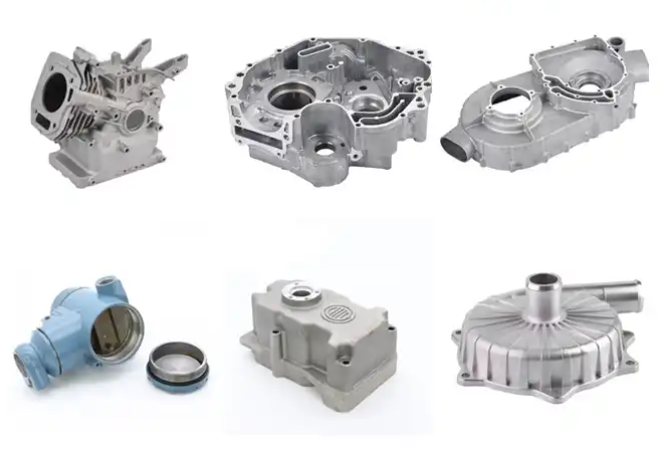
Excellent castability, good strength and the most common magnesium die casting alloy. Used for housings, electronics, automotive and structural components.
- Housings & enclosures
- Electronics structures
- Automotive components
- General structural parts
AM60B
Higher ductility / impact
Lower strength than AZ91D but higher ductility and better energy absorption. Suited to structural, safety-related components.
- Steering wheel components
- Seat structures
- Instrument panel parts
- Impact-zone structures
AM50A
Ductility-oriented
A further ductility-oriented option for parts where formability and energy absorption lead the requirement. Confirm stable supply before specifying.
- Energy-absorbing brackets
- Thin-wall ductile parts
- Interior structural members
AS41B / AE / High-Temp
Evaluated per project
Standard Mg-Al alloys can show creep at elevated temperature. High-temperature service needs a specifically qualified alloy system — reviewed only against a real application.
- Elevated-temperature service
- Creep-limited applications
- Qualified only on request
| Requirement | Recommended direction |
|---|---|
| General-purpose die casting | AZ91D |
| High castability | AZ91D |
| Higher ductility | AM60B |
| Impact absorption | AM60B |
| Weight-sensitive housing | AZ91D |
| Structural lightweighting | AZ91D / AM60B |
| Elevated-temperature service | Evaluate specialized alloy |
How Does Magnesium Die Casting Work?
The same controlled path runs from your drawing to a delivered part, with a defined input, output and quality check at each stage.
CAD / DFM
Model review, manufacturability and risk feedback.
Die Design
Gating, cooling and ejection planned up front.
Alloy Melting
AZ91D / AM60B melted under controlled atmosphere.
Die Filling
Molten Mg injected at high pressure (HPDC).
Solidification
Part cools and takes the die shape.
Eject & Trim
Die opens, part ejected, gate/flash removed.
CNC / Finish / Inspect
Critical features machined, finished, inspected.
Hot Chamber vs Cold Chamber Magnesium Die Casting
Both methods are used for magnesium. The right one depends on alloy, part geometry, production volume and machine configuration.
Hot Chamber
The injection system is integrated with the molten metal, so cycle times are shorter where the alloy and process are suitable. Magnesium hot-chamber requires controlled protection of the melt.
Typical consideration: high productivity where alloy/process is suitable.
Cold Chamber
Metal is melted in a separate furnace and transferred to the injection system. This suits appropriate magnesium alloys and machine setups where hot-chamber is not the right fit.
Typical consideration: flexible alloy / machine configuration.
| Process | Key characteristic | Typical consideration |
|---|---|---|
| Hot Chamber | Injection system integrated with molten metal | High productivity where alloy/process is suitable |
| Cold Chamber | Metal transferred from separate furnace | Suitable for appropriate Mg alloys and machine setups |
Magnesium Die Casting Design Guide
Design rules that prevent scrap, reduce tooling cost and shorten lead time. Treat these as reference directions, then validate with mold-flow simulation before tooling.
Wall Thickness
Keep wall thickness relatively uniform. Sudden transitions increase flow, solidification and shrinkage-porosity risk.
Ribs
Use ribs to add stiffness instead of endlessly thickening walls — controls mass and sink marks.
Bosses
Plan wall transition, draft, ejection and machining access for threaded or mounted bosses.
Draft Angles
Add draft so parts eject cleanly without sticking or drag marks.
Fillets
Use fillets at corners to reduce stress concentration and improve metal flow.
Parting Line
Place at the largest cross-section so the cavity splits cleanly and flash is minimized.
Ejection
Design for clean ejection — pin locations, draft and strength of thin features.
Core / Holes
Cast holes where practical; smaller or tight-tolerance holes are drilled after casting.
Machining Allowance
Reserve stock on faces that must be CNC-machined to tight tolerance.
Thin-Wall Regions
Validate thin sections with flow simulation before committing to tooling.
Common Magnesium Die Casting Defects
Knowing the failure modes is how you prevent them. Defect control should begin during die design and process validation — not after mass production starts.
| Defect | Possible cause | Prevention |
|---|---|---|
| Porosity | Gas / shrinkage | Process & venting control |
| Cold shut | Incomplete metal fusion | Flow / temperature control |
| Misrun | Incomplete filling | Filling conditions |
| Flash | Die mismatch / pressure | Die maintenance |
| Warpage | Uneven cooling | Thermal / process control |
| Surface defects | Die / process / contamination | Tool & process control |
| Dimensional drift | Thermal / tool wear | Process monitoring |
Vacuum Magnesium Die Casting
Where internal quality is critical, evacuating air from the cavity before injection reduces trapped gas and improves casting integrity.
Where vacuum helps
- Structural parts with load-bearing sections
- Pressure-sensitive applications
- Machined components (less gas at the cut)
- High-integrity requirements
Goldcattle offers vacuum-assisted die casting on its custom die casting lines, including magnesium, as part of a porosity-reduction strategy.
Honest expectation
Vacuum-assisted processes can reduce gas entrapment and improve internal integrity, but final porosity performance depends on the complete die and process design — not on the vacuum step alone.
CNC Machining After Magnesium Die Casting
Die casting creates the near-net-shape body; CNC machining finishes the functional surfaces and critical dimensions that casting alone cannot hold.
Magnesium machines readily, so post-casting CNC is efficient for the features that matter:
- Holes and bores to print
- Threads and inserts
- Sealing surfaces
- Precision mounting faces
The commercial story is HPDC + CNC — cast the body, machine the critical features — not "HPDC vs CNC." Goldcattle runs both under one roof.
Explore CNC machining services →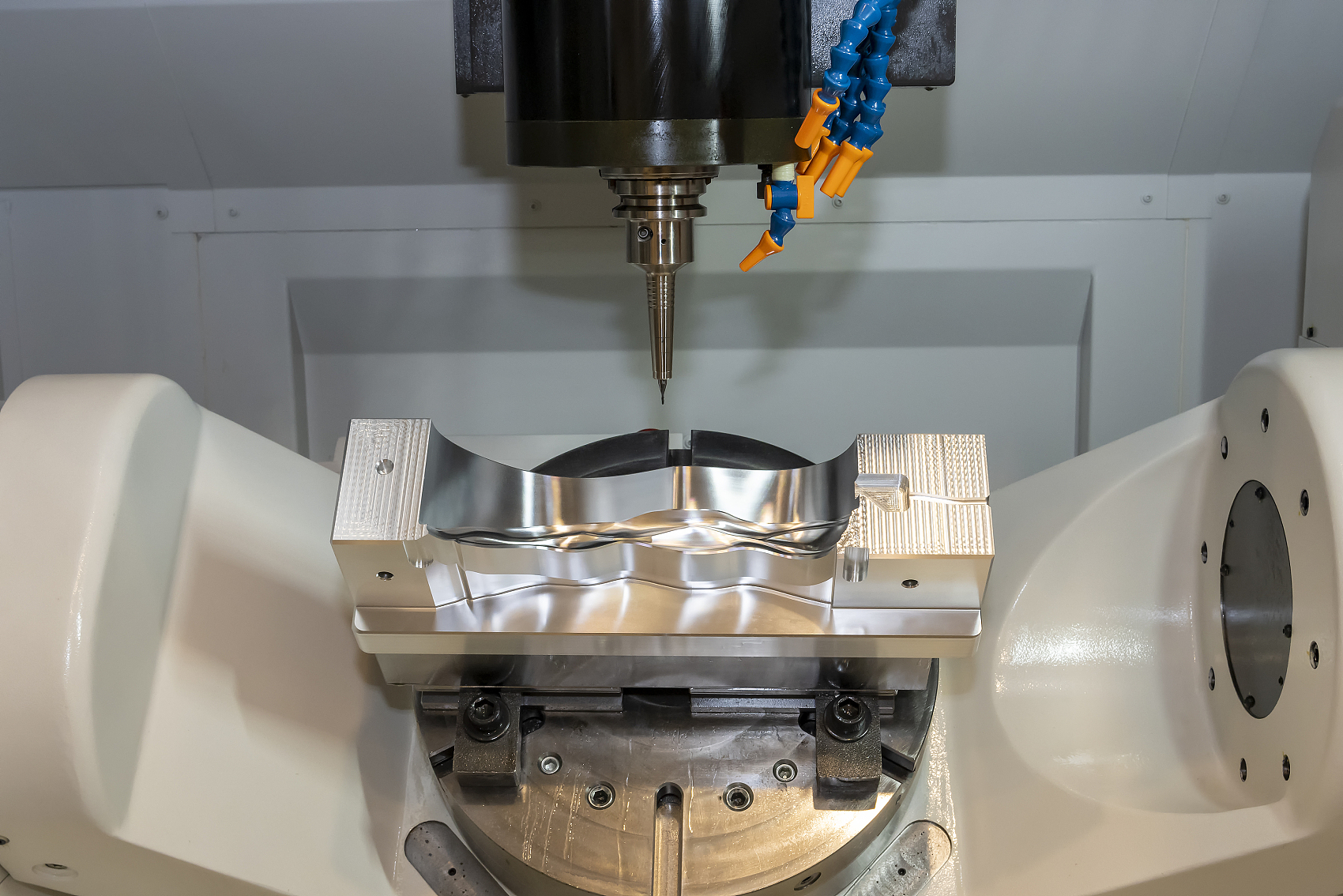
Magnesium Die Casting Surface Finishes
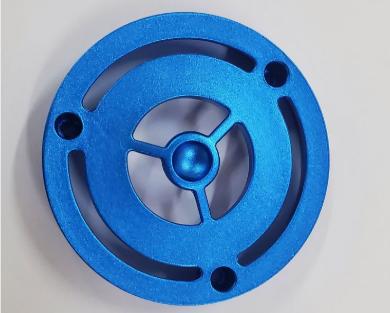
Magnesium needs a deliberate protection strategy. The finish is selected from the corrosion environment, electrical requirements, appearance and galvanic compatibility — not from a fixed list.
- Chromate conversion coating
- Anodizing
- Painting
- Powder coating
- Plating / protective coating
- Specialty coatings
Galvanic corrosion
When magnesium sits against another metal (for example a magnesium housing with stainless fasteners), the electrochemical potential difference must be managed in the DFM and materials review — through coating, isolation, sealing and environment choice.
Magnesium Die Casting Applications
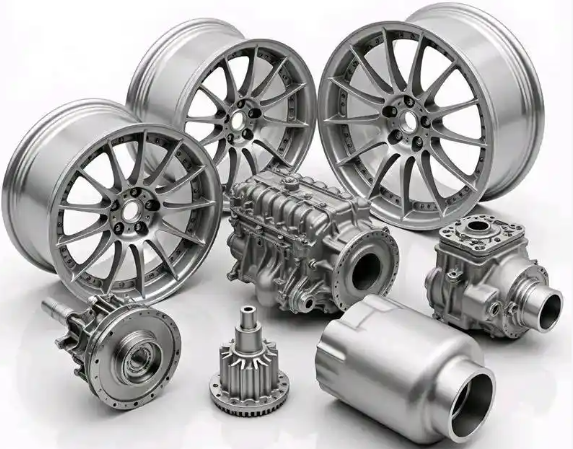
Organized by the purchase scenario, not just by industry label — these are the programs where magnesium's weight advantage is actually paid for.
Automotive
Instrument-panel structures, steering components, brackets and housings. AM-series alloys are used where higher ductility and energy absorption matter.
Electronics
Camera bodies, enclosures, heat-sensitive structural frames and portable-device structures where mass and stiffness drive the design.
Robotics
Lightweight frames, motor housings and structural brackets that reduce moved mass and improve dynamic response.
Aerospace
Lightweight structural components — specified only against real certification, material and customer qualification requirements.
Industrial Equipment
Portable tools, handling structures and brackets where lower mass improves ergonomics and handling.
When Should You Choose Magnesium Die Casting?
A practical decision view across the three real options a buyer weighs.
| Consideration | Magnesium | Aluminum | CNC Machining |
|---|---|---|---|
| Mass reduction | Major benefit | Good benefit | Material-dependent |
| Volume | High volume spreads tooling | High volume | Low / prototype |
| Thermal need | Limited | Strong | Strong |
| Corrosion need | Managed finishing | Generally strong | Material-dependent |
| Tooling cost | Justified by volume | Justified by volume | None / low |
| Geometry fit | Castable shapes | Castable shapes | Almost any shape |
Choose Magnesium when
- Mass reduction is a major requirement
- Stiffness-to-weight matters
- High volume justifies tooling
- Complex thin-wall geometry is needed
- Machining volume can be minimized
Consider Aluminum when
- Thermal conductivity is critical
- Corrosion environment is severe
- Material cost is a major concern
- Weight reduction is less important
Consider CNC when
- Prototype quantity is low
- Geometry is unsuitable for casting
- Tooling investment is not justified
Magnesium Die Casting Tooling
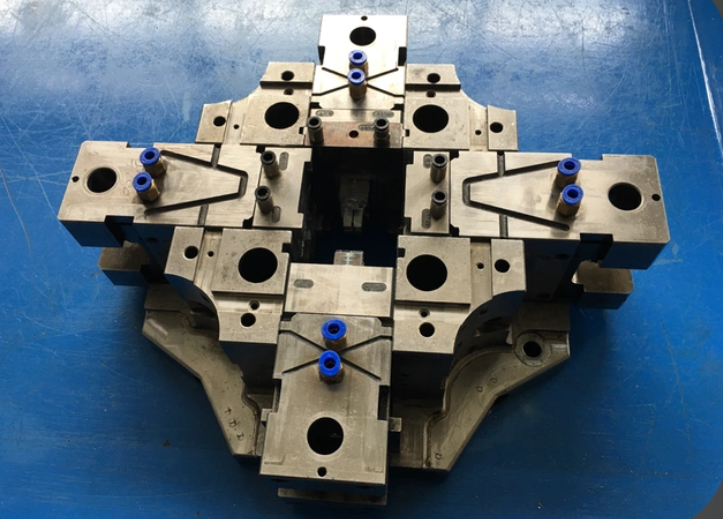
Tooling is where quality and cost are set. Goldcattle designs and builds dies in-house as part of one purchase order.
Die Design
Parting line, gating and ejection defined from the model.
Mold Flow
Fill, cooling and venting simulated before steel is cut.
Cooling
Balanced cooling channels control warpage and cycle.
Runner / Gate
Gate design tuned for Mg flow and minimal scrap.
Venting
Vents manage gas to protect internal integrity.
Ejection
Pin layout and draft for clean, repeatable release.
Tool Material
Die steel selected for Mg and expected life.
Trial & FAI
First-article validation before mass production.
How Much Does Magnesium Die Casting Cost?
Total project cost is the sum of several parts — and tooling is only one of them.
One-time die cost, spread over volume.
Per-piece alloy, machine time, yield.
CNC for critical features.
Coating, anodize, paint, plating.
Per-batch documentation.
Packaging and shipping.
What moves the price: alloy, part weight, die size, complexity, number of slides/cores, annual volume, CNC machining and surface treatment.
Related: Die Casting vs CNC Machining · CNC Machining Services
Magnesium Die Casting Quality Control
Quality is built into the sequence, with evidence at each gate. Only items Goldcattle actually performs and documents are listed.
Incoming Alloy
Material certificate on receipt.
Chemical Verification
Spectrometer check of composition.
Die / Process Validation
Gating, cooling and parameters set.
First Article
FAI dimensional report.
In-Process
IPQC on the line.
CMM
Critical geometry measured.
Porosity / Integrity
X-ray / CT where required.
Surface & Final
Visual, dimensional, salt spray.
| Document | Purpose |
|---|---|
| Material Certificate | Alloy verification |
| Spectrometer Report | Chemical composition |
| Dimensional Report | Dimensions |
| CMM Report | GD&T / critical geometry |
| FAI | First article validation |
| CoC | Conformance |
| X-Ray / CT | Internal integrity where required |
| Salt Spray | Corrosion performance where applicable |
| PPAP | Automotive production approval |
Magnesium Lightweighting Case Study
A representative project from Goldcattle's die casting programs — published specifications, shared as an illustration of what Mg die casting delivers.
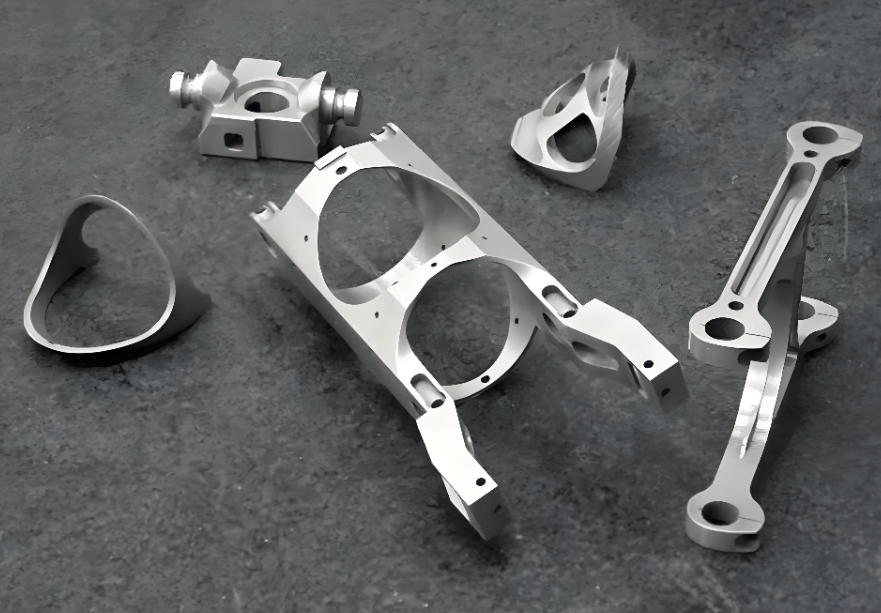
Mg Frame — Robotics
- Challenge: Reduce component weight for a moving robot structure.
- Original material: Aluminum
- New material: AZ91D magnesium
- Process: HPDC
- Secondary: CNC + chromate finish
- Weight: 0.18 kg · Tolerance: ±0.10 mm
- Result: ~40% lighter than the aluminum equivalent
Why Choose Goldcattle for Magnesium Die Casting?
One source from drawing to delivered, magnesium-ready part.
Magnesium-ready
AZ91D / AM60B HPDC with controlled melt handling and finishing.
One roof
Tooling, casting, CNC, finishing and inspection under one PO.
HPDC + CNC
Near-net casting plus tight-tolerance machining in-house.
Documented quality
Material cert, spectrometer, CMM, FAI, CoC, PPAP where required.
Fast response
Engineering quote within 24 hours of a complete drawing.
Proven delivery
Tooling 20–35 days; 99.8% on-time delivery across OEM programs.
Request a Magnesium Die Casting Quote
Send your 3D CAD file, 2D drawing, annual volume, preferred alloy and surface-finish requirements. Our engineering team reviews tooling, casting, machining and inspection, then returns a quote — typically within one business day.
Required
- Name
- Business email
- Company
- Annual volume
- Part quantity
Project information
- Preferred alloy: AZ91D / AM60B / AM50A / Not sure
- Application
- Surface finish
- Required lead time
- Upload 3D CAD + 2D drawing
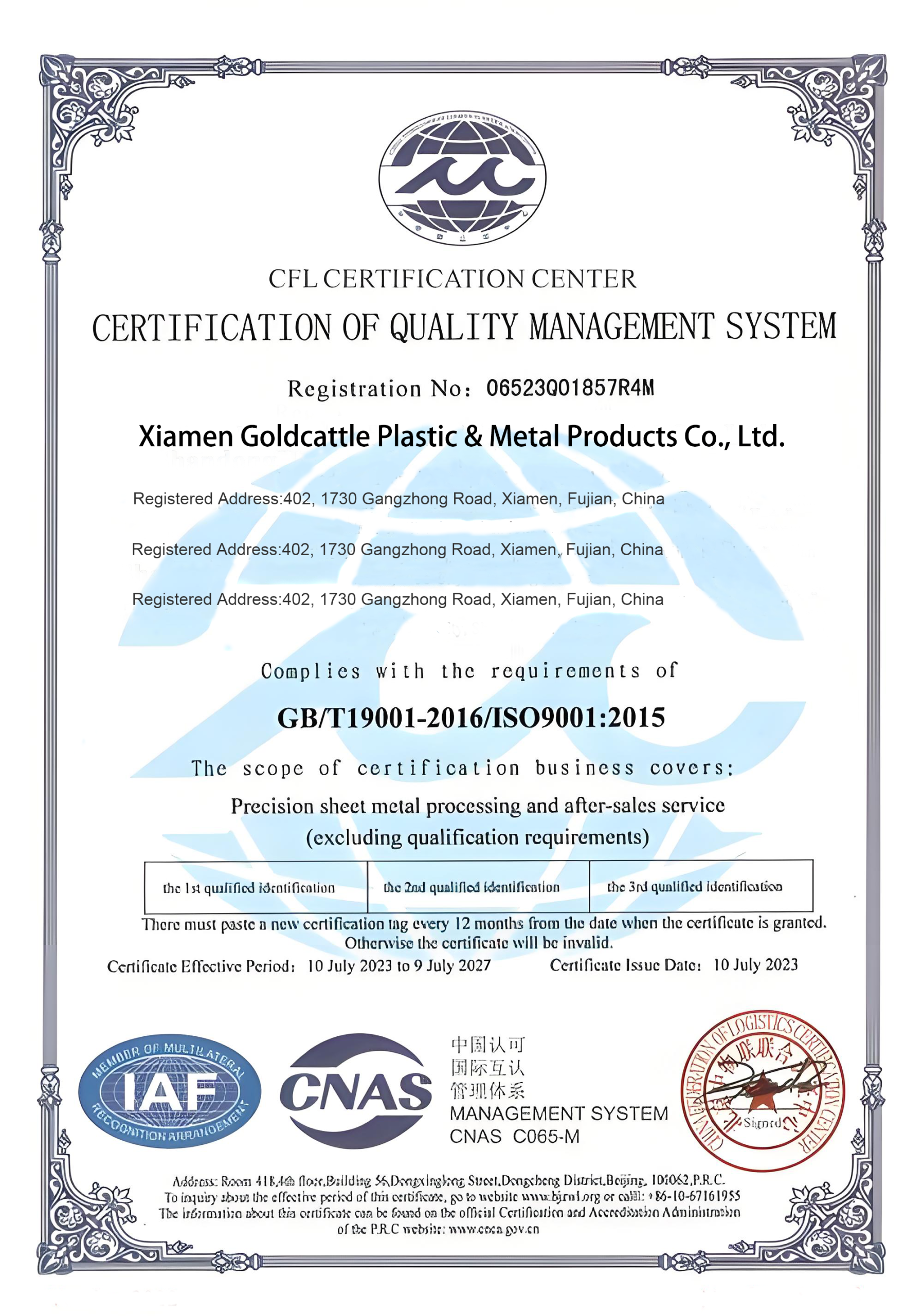
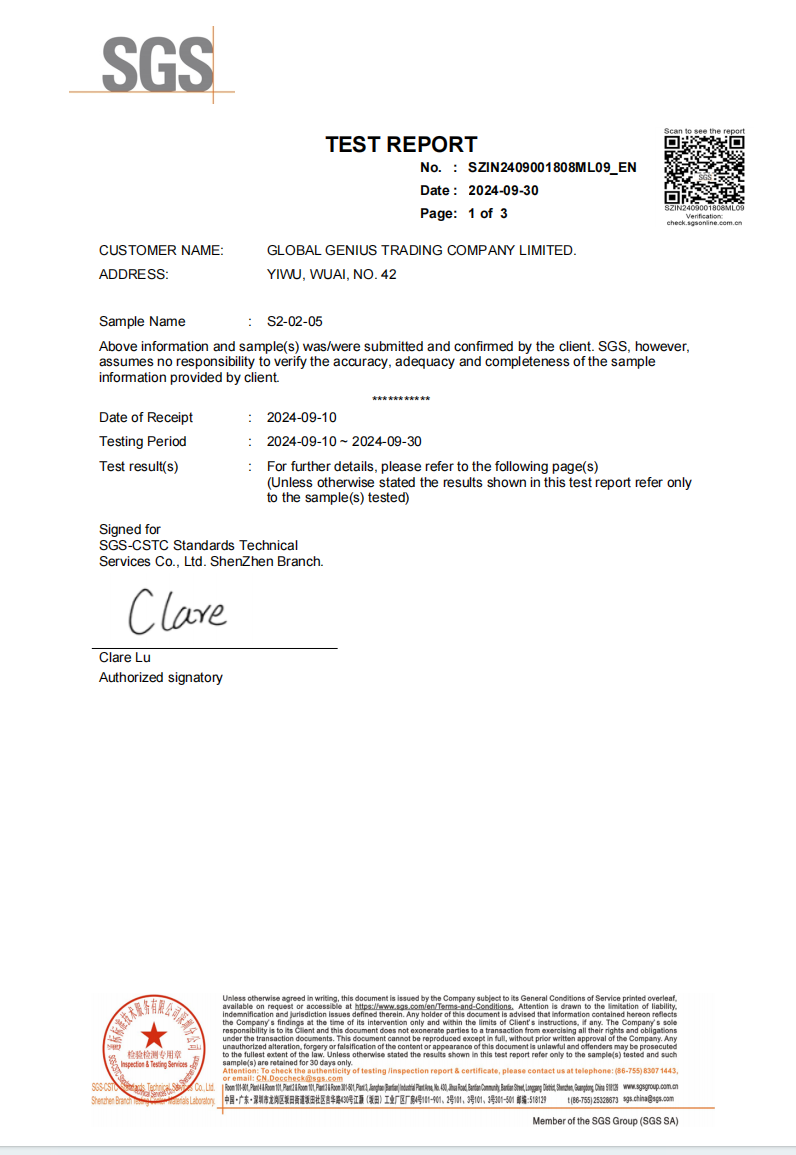
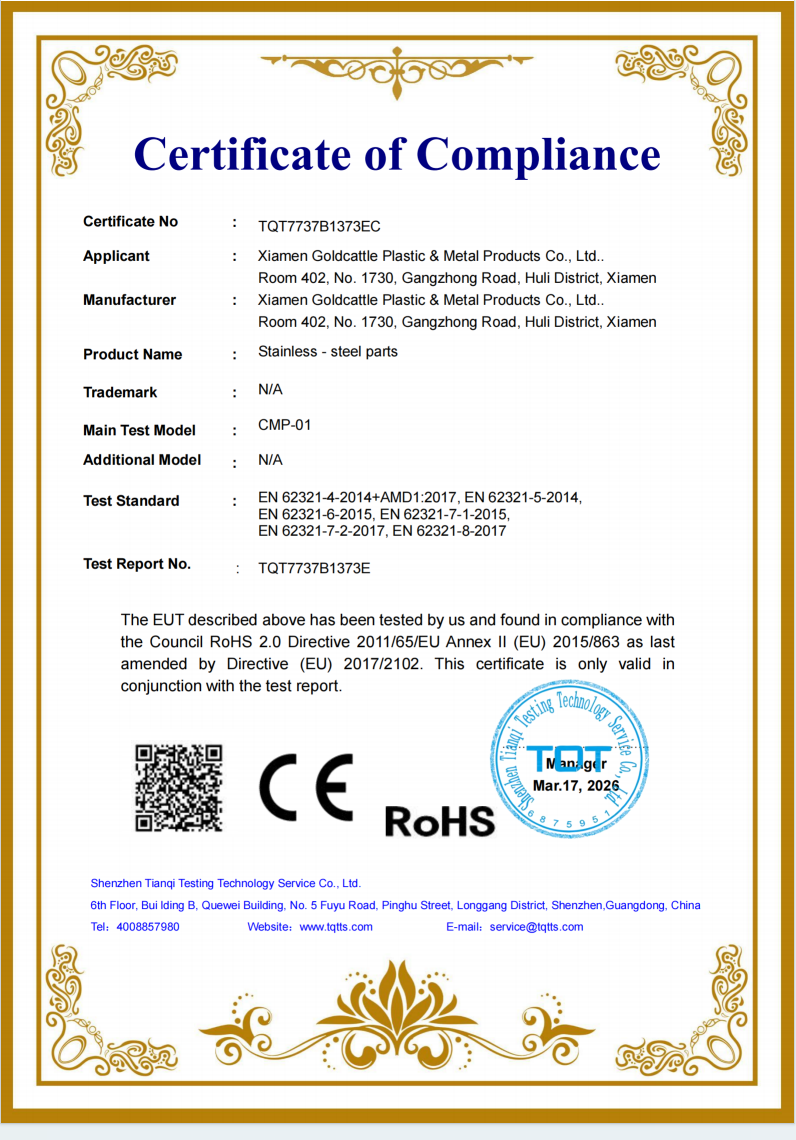
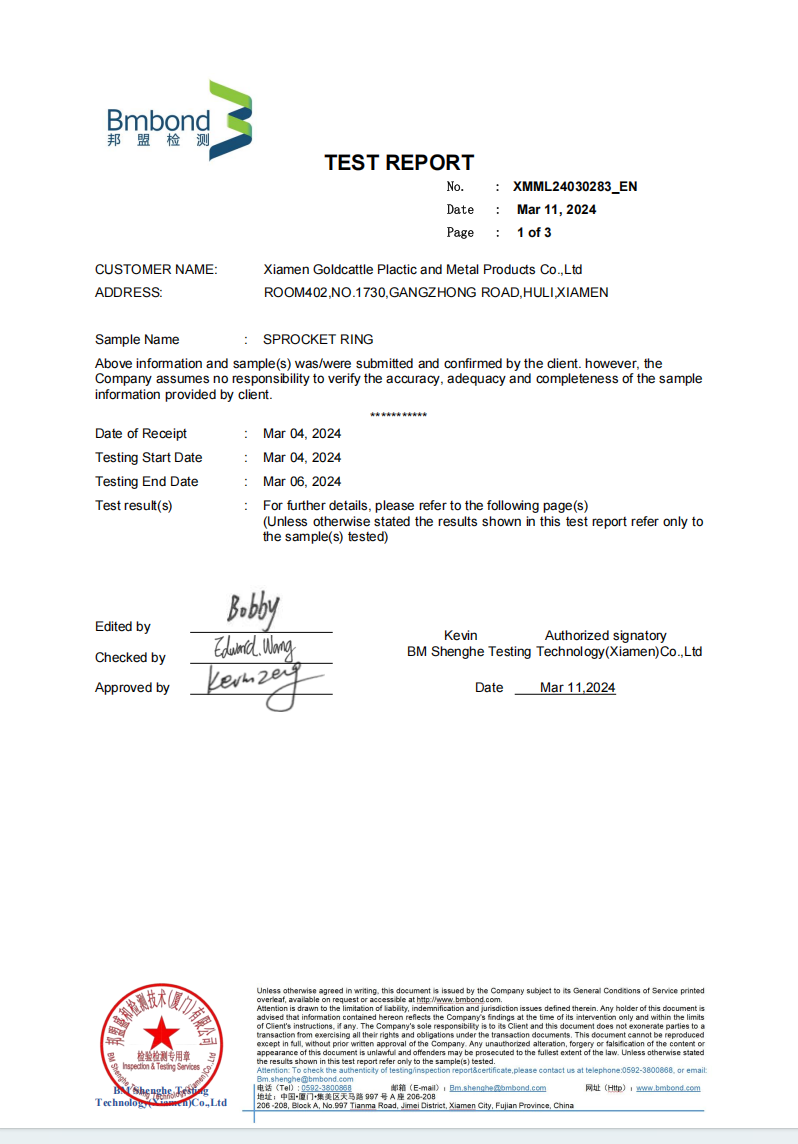
NDA available · 24-hour response · ISO 9001 / SGS / ROHS / Rmbond certified · Est. 1998
Die Casting Topic Cluster
Magnesium Die Casting is one material within Goldcattle's die casting program. Explore the connected pages.
Aluminum Die Casting and Zinc Die Casting pages are part of this cluster and are in production.
Frequently Asked Questions
The questions engineers ask most when evaluating magnesium die casting.