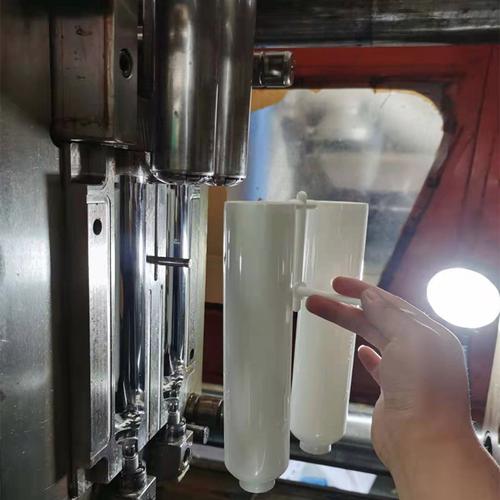
What Causes Sticking in Injection Molded Parts?
Sticking in injection molded parts occurs when the plastic part adheres to the mold surface during ejection, primarily caused by

Sticking in injection molded parts occurs when the plastic part adheres to the mold surface during ejection, primarily caused by
Cracking in injection molded parts is primarily caused by internal stresses exceeding material strength limits, typically resulting from uneven cooling,

Bubbles in injection molded parts are cavities formed by trapped gases, moisture vaporization, or vacuum voids due to uneven cooling
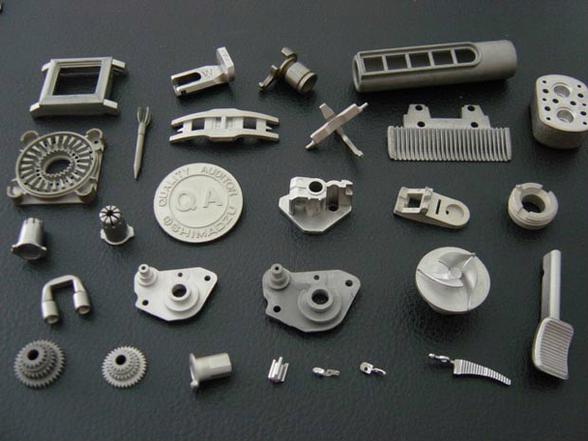
Metal Injection Molding (MIM) combines plastic injection molding with powder metallurgy to produce complex metal parts by mixing fine metal

Titanium alloys experience severe work hardening during CNC machining, with 0.05-0.15mm thick surface layers and 40-60HV hardness increase, significantly raising

For milling titanium alloys like Ti-6Al-4V, the recommended RPM range is typically 500-3600 RPM, depending on tool diameter and cutting
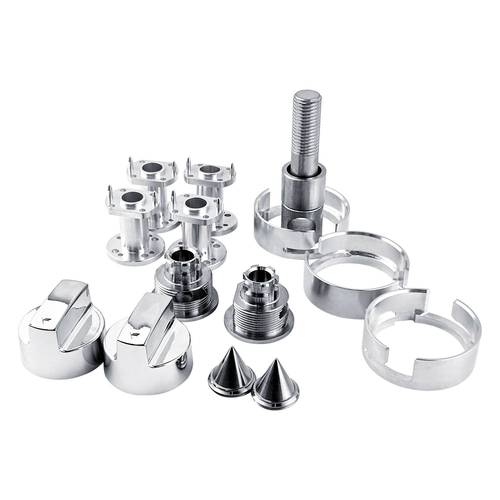
Titanium parts are manufactured through a multi-stage process involving ore extraction, chemical processing, metal production, and precision manufacturing techniques. The

Can Titanium Be CNC Machined? Challenges, Grades & Design Considerations Short answer: yes. Titanium is machined every day on standard

This report analyzes the critical issue of excessive tool wear in CNC machining, which significantly reduces production efficiency. Based on

CNC Machining · Tool Failure Analysis · Root Cause & Corrective Action CNC Tool Failure Analysis: How to Identify Root
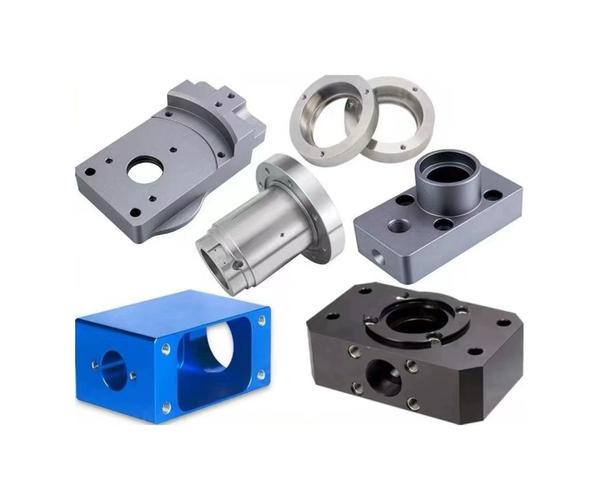
Executive Summary This report analyzes the critical issues of surface roughness and dimensional inaccuracy in CNC curved surface machining. Based
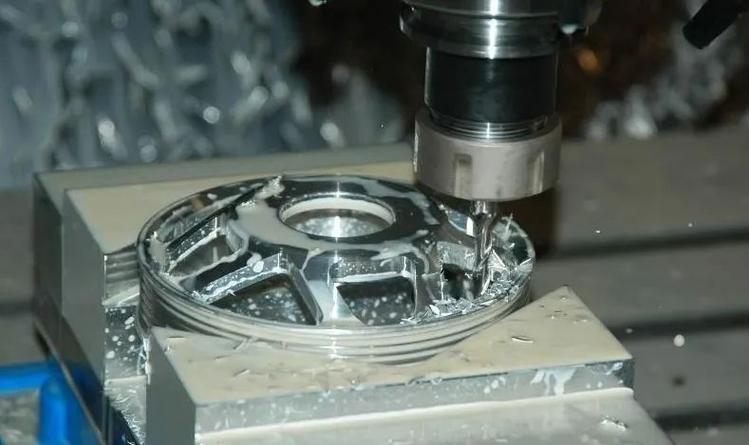
Executive Summary This report provides a comprehensive analysis of common form deviation issues in CNC machining, specifically focusing on roundness