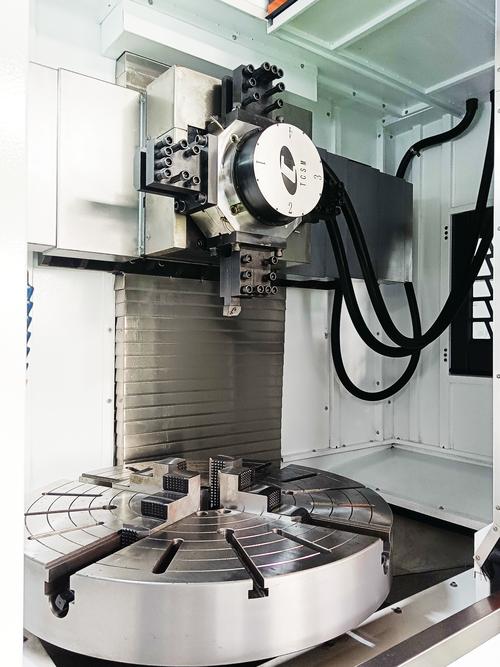
Interpretation Guide for Large – scale CNC Machining
Large scale CNC machining is a precision manufacturing process used to machine oversized metal or industrial components that exceed standard

Large scale CNC machining is a precision manufacturing process used to machine oversized metal or industrial components that exceed standard
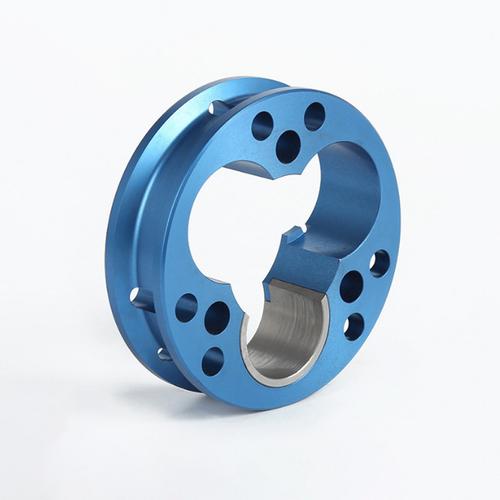
In modern manufacturing, the precision and efficiency of CNC machining depend not only on equipment and processes but also crucially
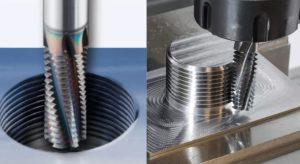
Precision Thread Milling Services – High Accuracy Internal & External Threads We provide CNC thread milling services for precision internal
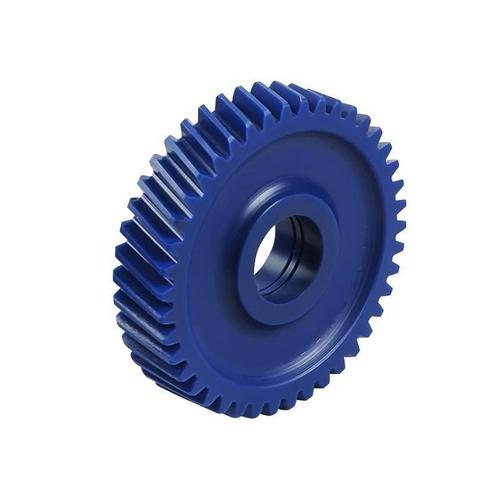
In the rapidly evolving landscape of the plastics industry, custom PP (Polypropylene) plastic parts have emerged as a versatile and
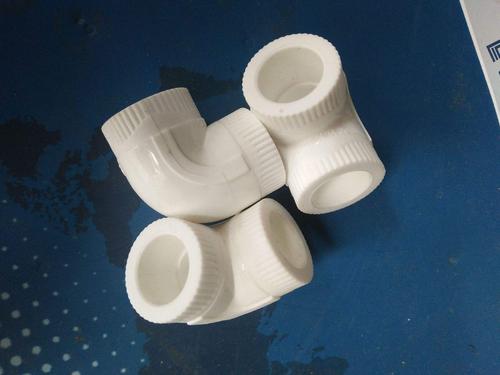
In the booming plastic products market, custom PVC plastic parts have become the core choice for more than 20 industries,
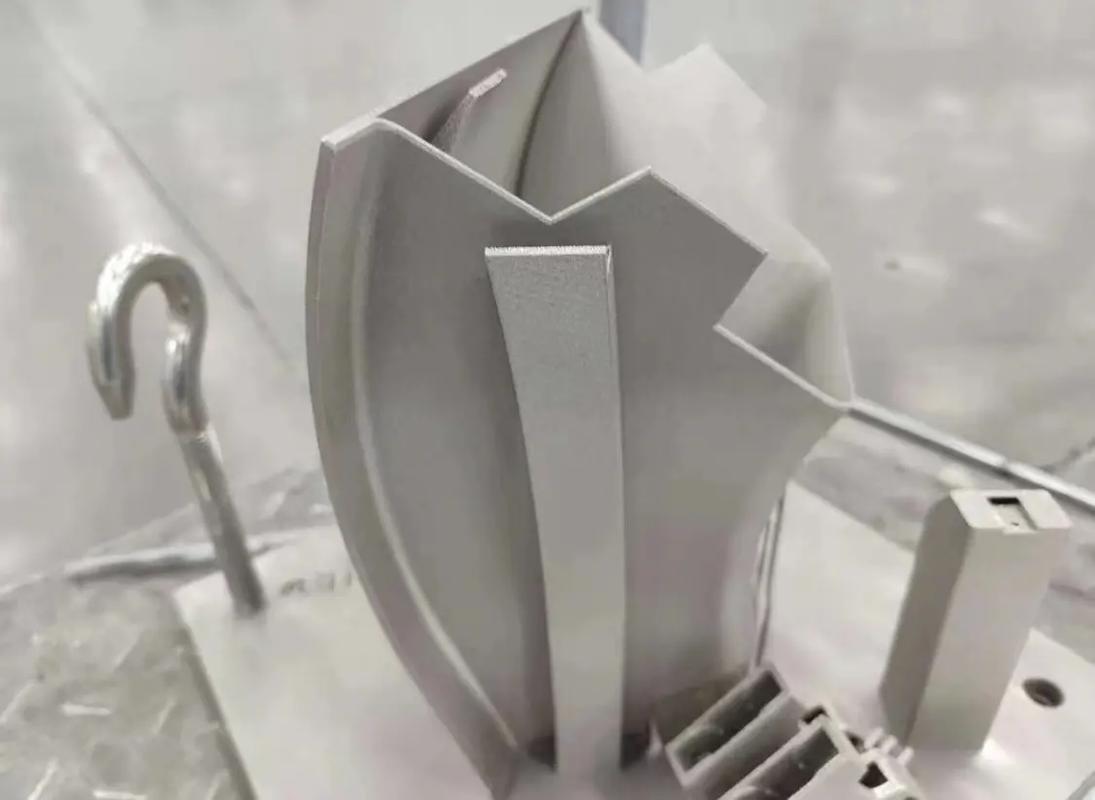
Author: Mr. Li Metal Manufacturing Expert | 15 Years of Experience | Led 100+ Aerospace/Medical Projects Last Updated: January 8,
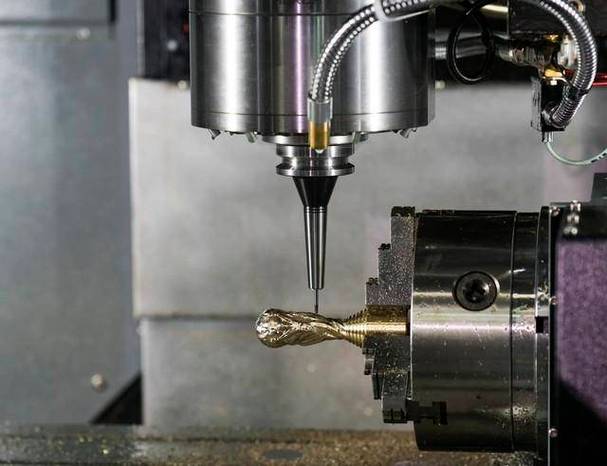
CNC Machining vs Forging: Which Is Stronger for Precision Parts? Strength, cost, accuracy & best applications — a practical
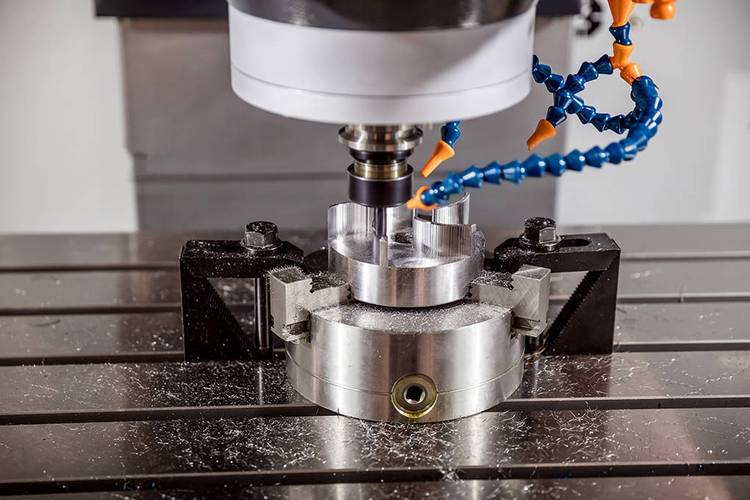
Answer: CNC machining is not necessarily faster than 3D printing; it depends on the specific working conditions. For regular parts
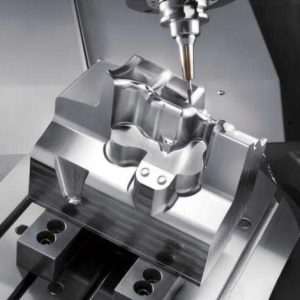
Answer: There is no fixed value for the time required for CNC milling. It mainly depends on factors such as
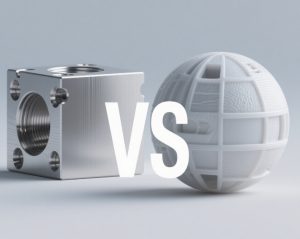
Answer There is no absolute answer to whether CNC machining is superior to 3D printing. The advantages and disadvantages of
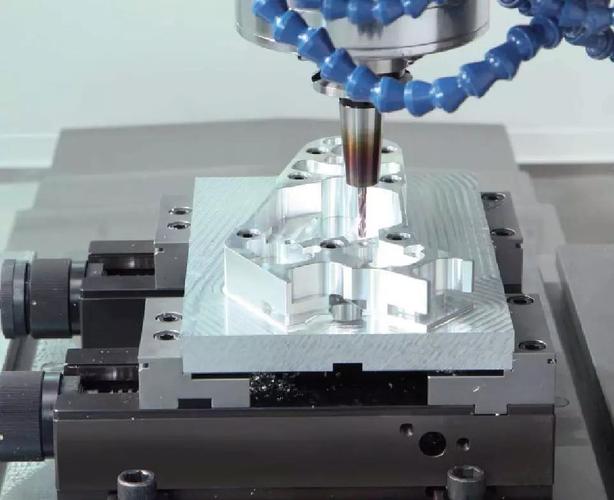
Answer CNC (Computer Numerical Control) is a technology that controls the movement of machine tools through computer programs, while machining
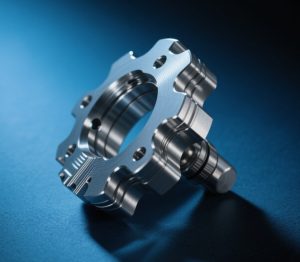
Answer Computer Numerical Control (CNC) is an automated technology that controls machine tool movements and processing via computer program instructions.