Custom Packaging Machinery Parts for OEM Equipment Manufacturers
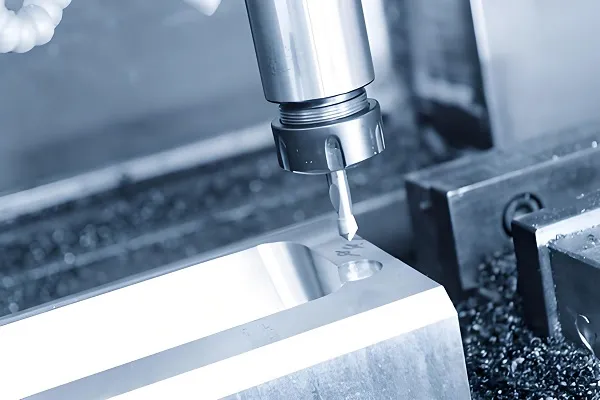
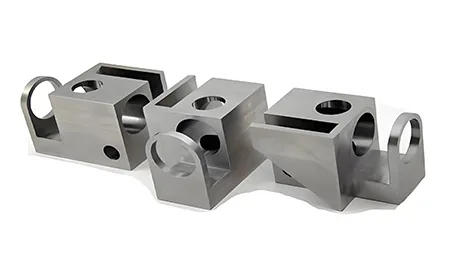
Drawing-based manufacturing of precision metal and engineering plastic components for packaging equipment. From motion parts, conveyor guides and change parts to filling assemblies, mounting hardware and custom machine parts, we support prototypes and repeat production across multiple processes.
At a glance
On this page
Overview
Materials & processes
Buyer focus
Quality & sourcing
What We Manufacture
Packaging machinery parts are the mechanical, structural and functional components used in filling, capping, labeling, sealing, conveying and cartoning equipment. They include shafts, rollers, gears, guides, wear strips, change parts, nozzles, mounting brackets and machine covers. They can be made from stainless steel, aluminum, carbon steel or engineering plastics, depending on loads, wear, product contact needs and equipment design.
We group the parts we make by what they do inside a machine. Buyers usually search by function, not by process. The six groups below reflect the parts most often asked about in packaging equipment projects.
Motion & drive
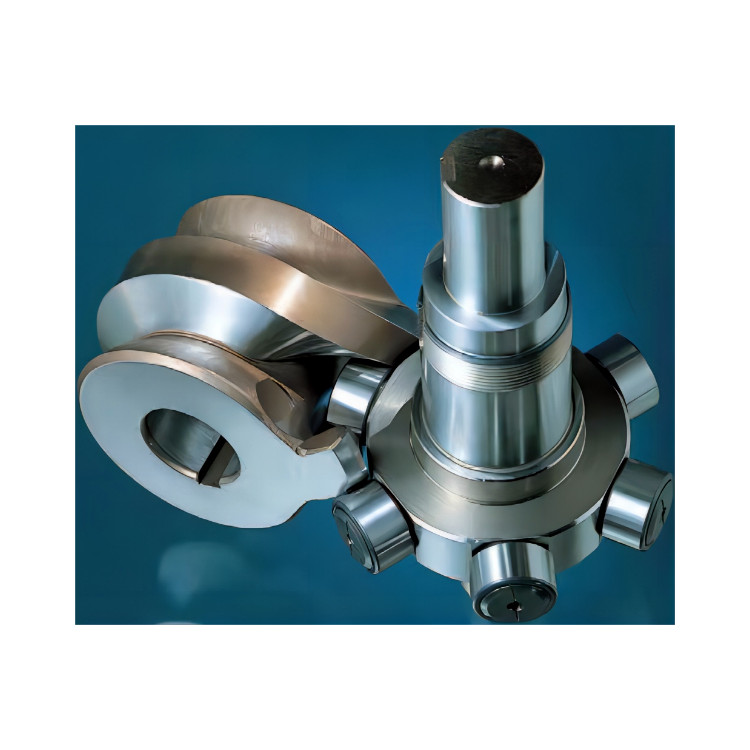
Cam discs, cam followers, rollers, timing gears, shafts, bushings, sleeves and couplings. Fit, runout and repeatability matter most here.
Filling & dosing
Filling nozzles, valve bodies, dosing pistons, manifolds, fluid connectors, nozzle holders and adapter blocks. Flow paths and sealing surfaces matter.
Conveying & handling
Guide rails, wear strips, star wheels, timing screws, transfer plates, product pucks, guide blocks and pushers. Wear and surface condition matter.
Capping, sealing & labeling
Capping chucks, sealing jaws, heat sealing plates, guide rollers, labeling roller mounts, film guides and sensor brackets.
Frames & structures
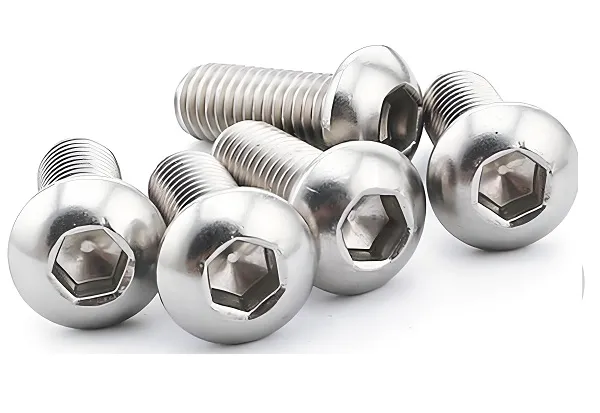
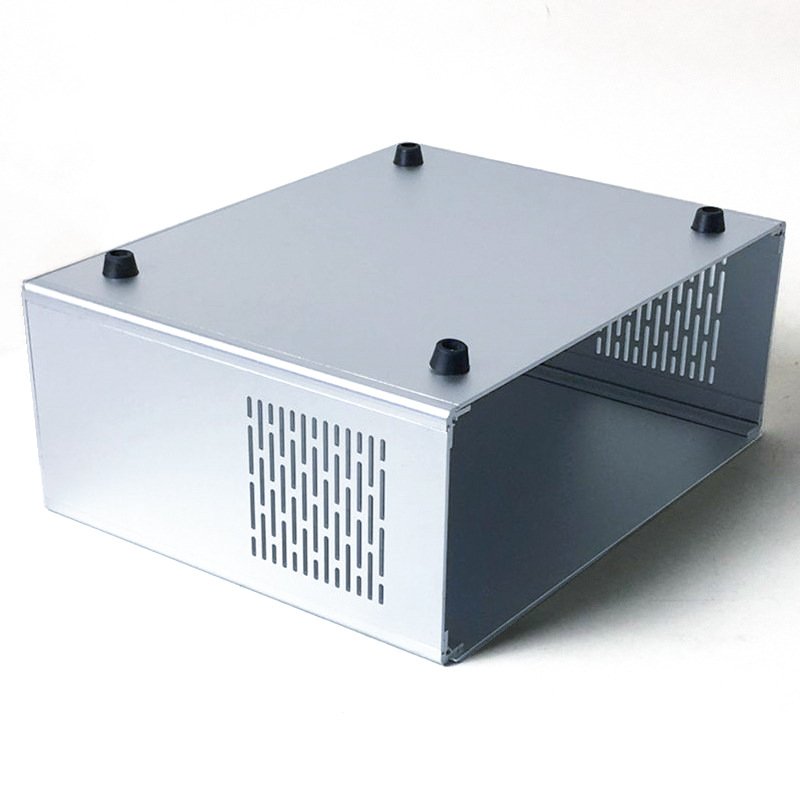
Mounting brackets, support plates, motor mounts, actuator brackets, guards, covers and machine bases. Hole position, stiffness and access matter.
Molded plastic parts
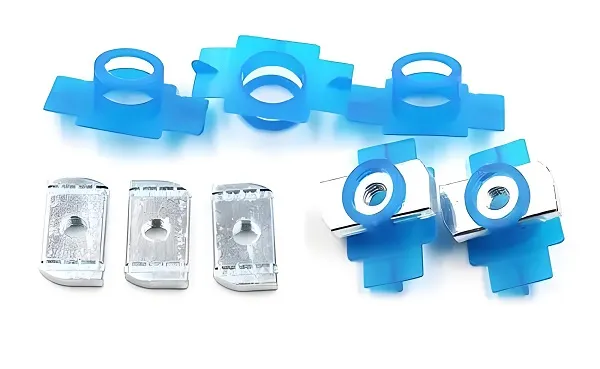
Plastic gear housings, protective covers, knobs, cable covers, handles and custom guides. Volume and material function decide the process.
Scope: we make components. We are not a complete packaging machine manufacturer, and we are not a stockist of original brand spare parts. Replacement components are made to customer drawings or approved samples.
Packaging Machinery Applications
Different machines place different demands on parts. The table maps common equipment types to the components usually involved, so you can see where our work fits.
Swipe the table to see all columns.
| Equipment type | Typical parts | Main requirement |
|---|---|---|
| Filling & capping machines | Nozzles, valve bodies, pistons, holders, change parts | Flow path, sealing, cleanability |
| Labeling & coding machines | Rollers, guides, sensor mounts, positioning plates | Registration, mounting datum |
| Flow wrap & form-fill-seal | Film guides, rollers, sealing jaws, cutter holders | Sealing face, temperature fit |
| Cartoning & case packing | Pusher plates, guides, gripping parts, fixtures | Position repeat, wear |
| Conveying & sorting | Guide rails, wear strips, rollers, star wheels, shafts | Friction, wear, alignment |
| Thermoforming & tray sealing | Tooling blocks, sealing plates, holders | Flatness, location, heat fit |
We do not claim machine-builder certification. For a CE machine, the machine builder keeps responsibility for whole-machine conformity. Ordinary components do not become certified parts just because they are installed in such a machine.
Materials for Packaging Equipment Parts
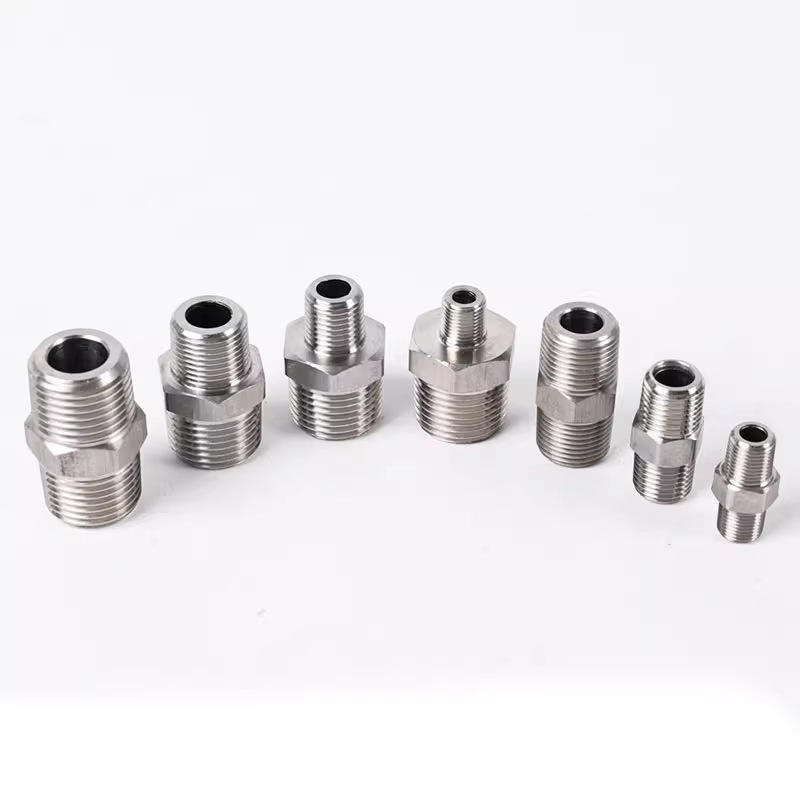
Material choice follows the working conditions. Load, speed, wear, cleaning method, temperature and product contact all change the answer. The table is a selection reference, not a claim that every listed grade is held or certified for food contact.
Swipe the table to see all columns.
| Material | Typical parts | Buyer consideration |
|---|---|---|
| Aluminum 6061 / 6082 | Mounting plates, brackets, housings, locators | Weight, stiffness, surface finish |
| Stainless steel 304 | Shafts, rollers, brackets, machine hardware | Corrosion, cleaning |
| Stainless steel 316 / 316L | Selected food and beverage parts | Medium, cleaning conditions, material file |
| Carbon / alloy steel | Cams, shafts, load bearing parts | Strength, wear, heat treatment |
| POM / acetal | Gears, guides, sliders | Friction, dimensional stability |
| UHMW-PE | Wear strips, conveyor guides | Friction, wear, chemical environment |
| Nylon / PA | Gears, structure parts, guides | Moisture, load, temperature |
| PEEK | Special temperature or chemical parts | Cost, temperature, specific use |
| ABS / PC / PP | Covers, guards, plastic assemblies | Impact, temperature, material file |
This is an application reference. It does not mean every grade is in stock or certified for a given contact condition. We confirm the grade and its documents per project.
Six Core Processes, One Source
Packaging machinery components can be made by CNC milling, CNC turning, multi-axis machining, sheet metal fabrication, injection molding, die casting and additive manufacturing. The right process depends on part geometry, material, tolerance, order volume and wear conditions. A single part may use different processes at the prototype and production stages.
One part can follow several routes as a design matures. A plastic gear, for example, may be printed for a first fit check, machined for functional testing, then molded once the design is fixed. If the gear carries high load, we review POM, nylon, metal and the process again. This is the value of working with a maker that runs several processes.
CNC machining
Shafts, cams, rollers, nozzles, blocks and complex precise parts in metal or plastic.
Injection molding
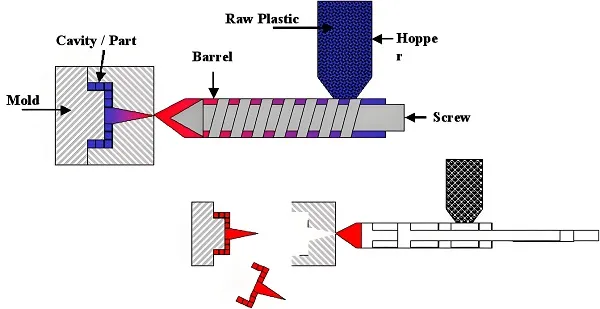
Plastic housings, knobs, covers and custom guides for repeat volume.
Mold making
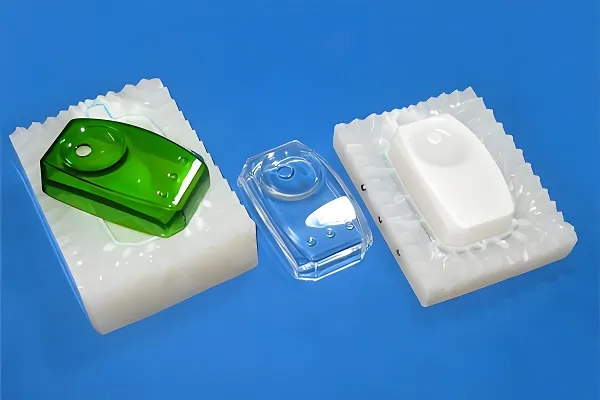
Tooling design and build for custom plastic structures and components.
3D printing
Prototype gears, fixtures and design verification parts before tooling.
Die casting
Small metal housings and structural parts where shape and volume fit the process.
Sheet metal
Guards, enclosures, mounting plates and covers for machine structure.
All six core processes — CNC machining, injection molding, mold making, 3D printing, die casting and sheet metal fabrication — are performed in-house under one quality system. The process route is chosen per part, not applied as a fixed package.
Change Parts & Wear Components
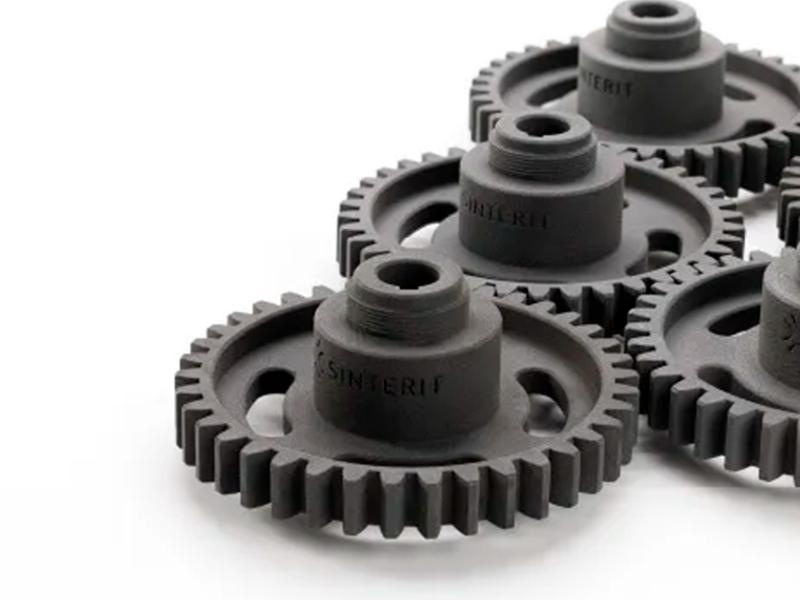
Format changeover is a real cost in packaging. When a line moves from one container size to another, the swap parts must locate repeatably and be easy to identify. Buyers often search for these parts by the term change parts or wear parts.
Format-specific components
Star wheels, guide rails, timing screws, positioning plates, product pucks and mounting adapters made to the machine interface.
Components that see friction
Wear strips, guide blocks, rollers and bushings selected for the sliding or contact condition.
We separate three cases so the process matches the duty: 3D printed gears for shape and fit checks; low-volume gears from printing or machining for function tests; and production gears in POM, nylon or metal after the load is understood. A printed nylon gear that fits once is not evidence that it can replace a metal gear in continuous duty.
Functional Fit & Precision
For packaging parts, a single dimension is rarely enough. The part has to assemble and run. We treat functional interfaces as the priority in drawing review.
Assembly interfaces
Hole position, shaft and bore fit, bearing seats and the relationship to mating parts.
Running parts
Runout, concentricity, tooth form, surface hardness and repeatability for moving components.
Location
Reference faces and datums that set where the part sits in the machine.
Handing
Clear marking and control of left, right, front and rear variants to avoid mixed parts.
A bottle guide block can meet its outline size and still jam or mark a container if the datum to the star wheel is wrong. That is why we review fit and interface, not only tolerance numbers. We do not publish one blanket tolerance for all parts; each critical feature is agreed from the drawing.
Hygiene & Material Requirements
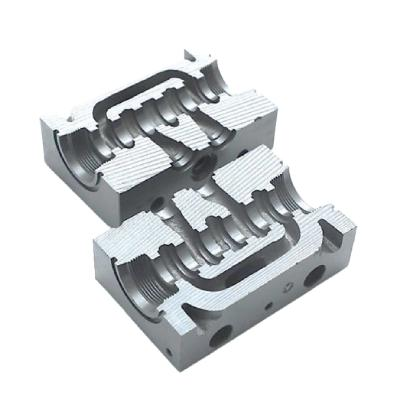
For food, beverage and pharmaceutical packaging, buyers usually split parts by where they sit in the machine. The zone decides the material and surface request. We work to the zone you define.
Direct product contact
Parts that touch the product. Buyers review material compatibility, surface roughness, cleaning, corrosion and material files.
Splash / nearby
Parts near splash or cleaning fluid. Buyers review cleaner compatibility, corrosion and drainage.
Non-contact
Brackets, frames, guards and drive parts. Buyers review strength, dimensions and surface protection.
Buyers often reference standards such as FDA 21 CFR 117.40, EHEDG hygiene guidance and 3-A sanitary standards when defining food equipment. We treat these as your design references. We do not hold these as certifications, and we do not present a component as a certified hygienic part unless it is genuinely covered by a document you provide.
Clear boundary: ISO 9001, FDA, 3-A and EHEDG are different things. We do not mix them, and we do not describe all POM, PEEK, UHMW-PE or nylon as food grade. Tell us the contact zone and the grade you require, and we align material and surface to it.
Surface Finishing & Secondary Operations
Surface condition affects wear, cleaning and appearance. We state what can be done and confirm the route per part and material.
Finishes
Polishing, passivation, anodizing, plating and powder coating, selected with the base material and use.
Finishes
Surface texture, detailing and finishing aligned to the molding or machining route.
Operations
Tapping, inserts, drilling,assembly and simple fitting work where the drawing calls for it.
Identification
Marking for handed parts and change parts so the correct variant is fitted at changeover.
We do not claim every finishing line is in-house. Where a finish is outside our own process, we confirm the route with you before quoting. We also do not state a blanket roughness value; the surface request follows the part's function and your drawing.
Quality Inspection & Repeat Production
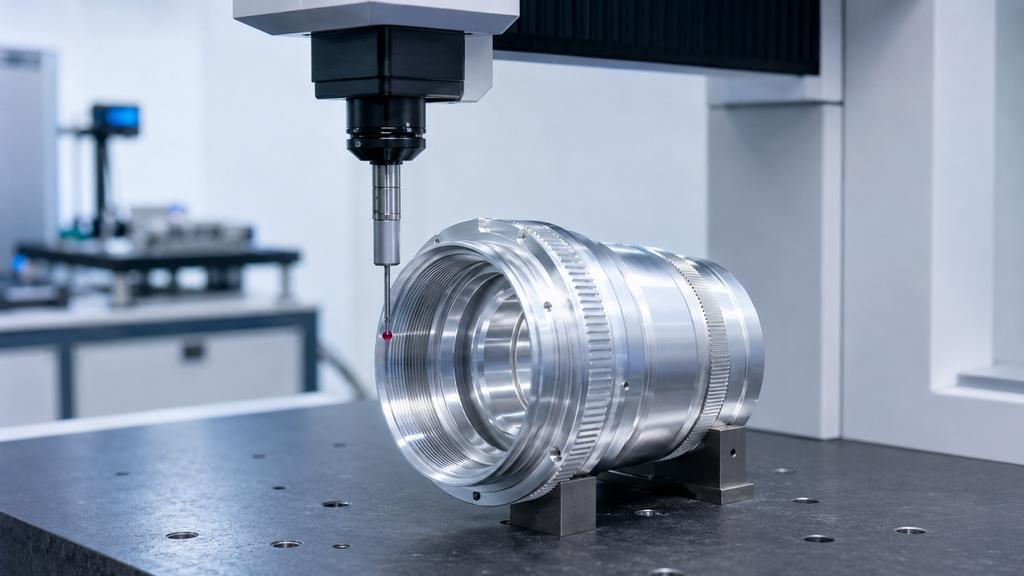
Packaging OEMs buy the same parts again. The risk is not the first sample; it is drift between batches and after a drawing change. Our review is built around keeping repeat work on the same baseline.
- Drawing review and clarification of critical features before quoting.
- Material grade confirmed to the agreed specification for the batch.
- First article checked against the drawing before release.
- Critical dimensions inspected during and after production.
- Drawing revision and bill of materials checked before each repeat order.
Repeat production & drawing revision control: for repeat work we confirm the revision, material and release schedule with you first. We do not claim a fixed inspection report format by default; the inspection scope and any report are agreed per project.
Need a sample before a production order? Send the drawing and tell us the intended volume. We will outline the prototype route and what to check at each stage. See the RFQ section below.
What Affects the Cost of Packaging Machinery Parts?
Unit price is only part of the picture. Tooling, inspection, wear and changeover time all feed into the real cost of a part in a running line.
Swipe the table to see all columns.
| Cost factor | How it affects the part |
|---|---|
| Material | Stainless steel, aluminum, POM, UHMW-PE and PEEK differ in base cost and machining behavior. |
| Geometry | Deep holes, internal passages, slots and complex profiles add setup and cycle time. |
| Tolerance | Fit features, position and datums drive inspection and process control. |
| Process | CNC, molding, die casting and sheet metal suit different shapes and volumes. |
| Surface finish | Polishing, anodizing, passivation and plating add steps. |
| Tooling | Injection or die casting molds are a separate cost from the part. |
| Quantity | Prototype, small batch and repeat production price differently. |
| Inspection | Scope of checks and reporting changes the work content. |
| Packaging | Scratch protection, moisture control, kit sets and labeling. |
A cheaper part that wears early or slows changeover can cost more over a season. We are glad to discuss the route and the trade-offs before you commit to volume.
What to Send in an RFQ
Send the controlled engineering drawing, a 3D CAD model, the material grade, quantity per machine, machine model or assembly interface, critical dimensions, surface finish and inspection needs. For repeat production, include the current drawing revision, the bill of materials and your expected release schedule.
Drawing or model
A controlled drawing or 3D CAD file, with the revision clearly marked.
Material & quantity
Grade or specification, quantity per machine and expected volume.
Machine context
Model, assembly interface and where the part sits and moves.
Critical features
Fit dimensions, surface request, contact zone and inspection needs.
Ready to send a drawing for review? Use the button below. If you only have a sample, describe it and include key dimensions and photos.
We review each request against the drawing or approved sample and confirm the route and any limits before quoting. We do not hold original brand spare parts in stock.
Frequently Asked Questions
What are packaging machinery parts?
Packaging machinery parts are the mechanical, structural and functional components used in filling, capping, labeling, sealing, conveying and cartoning equipment. They include shafts, rollers, gears, guides, wear strips, change parts, nozzles, mounting brackets and machine covers. They can be made from stainless steel, aluminum, carbon steel or engineering plastics, depending on loads, wear, product contact needs and equipment design.
What manufacturing processes are used for packaging machinery parts?
Packaging machinery components can be made by CNC milling, CNC turning, multi-axis machining, sheet metal fabrication, injection molding, die casting and additive manufacturing. The right process depends on part geometry, material, tolerance, order volume and wear conditions. A single part may use different processes at the prototype and production stages.
What should I send when requesting packaging machinery parts?
Send the controlled engineering drawing, a 3D CAD model, the material grade, quantity per machine, machine model or assembly interface, critical dimensions, surface finish and inspection needs. For repeat production, include the current drawing revision, the bill of materials and your expected release schedule.
Can you make replacement parts from a sample instead of a drawing?
Yes. Custom replacement components can be reviewed against customer drawings or an approved physical sample. Send photos, key dimensions and the part's working position where possible. We confirm the manufacturing route and any limits before quoting. We do not hold stock of original brand spare parts.
Which materials are common for packaging machine components?
Common choices include 304 and 316 / 316L stainless steel, aluminum such as 6061 or 6082, carbon and alloy steel, and engineering plastics such as POM, UHMW-PE, nylon and PEEK. Material choice depends on load, speed, wear, cleaning conditions, temperature and whether the part touches the product.
Are all your plastic parts food grade?
No. We do not describe all POM, nylon, UHMW-PE or PEEK as food grade. Where a part touches food or drink, we work to the grade and documents you specify and confirm them per project. Tell us the contact zone and the material standard you require, and we will align the material and surface request to it.
What are packaging machine change parts?
Change parts are components swapped when a line moves from one container or pack size to another. Examples include star wheels, guide rails, timing screws, positioning plates, product pucks and mounting adapters. They are made to the machine interface so the format can be changed with repeatable position.
How do you keep repeat orders consistent?
We work from the approved drawing and its revision, keep the agreed material grade, and inspect critical dimensions against the same baseline. For repeat production we review the drawing revision, bill of materials and release schedule with you before each batch.
Can you supply parts for food and beverage packaging lines?
We manufacture custom components for packaging equipment. For food and beverage lines, buyers often work to standards such as FDA 21 CFR 117.40, EHEDG hygiene guidance and 3-A sanitary standards. These are references for your design, not certifications held by us. We build to the contact zone, material and surface requirements you define.
Do you manufacture complete packaging machines?
No. Goldcattle makes custom components, not complete packaging machines. We supply the metal and engineering plastic parts that go into filling, capping, labeling, sealing, conveying and cartoning equipment, made to your drawings or approved samples.
What affects the cost of packaging machinery parts?
Cost depends on material, geometry, tolerance, manufacturing process, surface finish, tooling, quantity, inspection scope and packaging. Deep holes, complex profiles, tight fits and dedicated molds add cost. Total cost also includes assembly fit, wear life and the risk of changeover delays.
Do you hold stock of original brand spare parts?
No. We are a custom manufacturer, not a spare parts distributor. Replacement components are made to customer drawings or approved samples and reviewed per project.
Send your packaging machinery part drawing
Share the drawing, material, quantity and machine interface. We will review the part, confirm the manufacturing route and come back with questions or a quote. Components only; not complete machines.
Drawing-based manufacturing · Prototype to repeat production · Xiamen Goldcattle Plastic & Metal Products Co., Ltd.