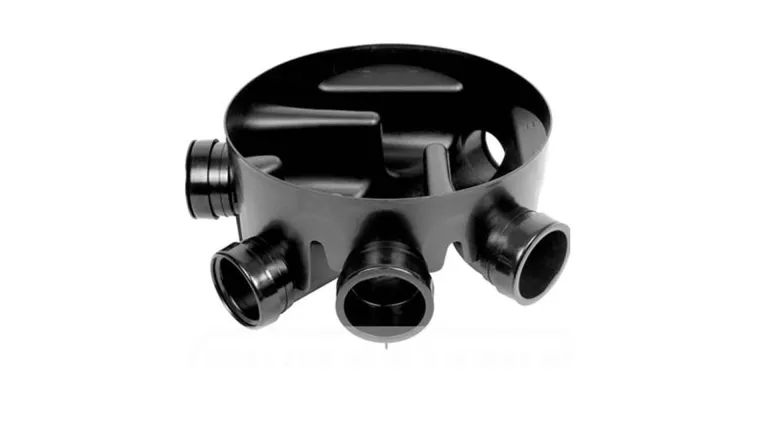
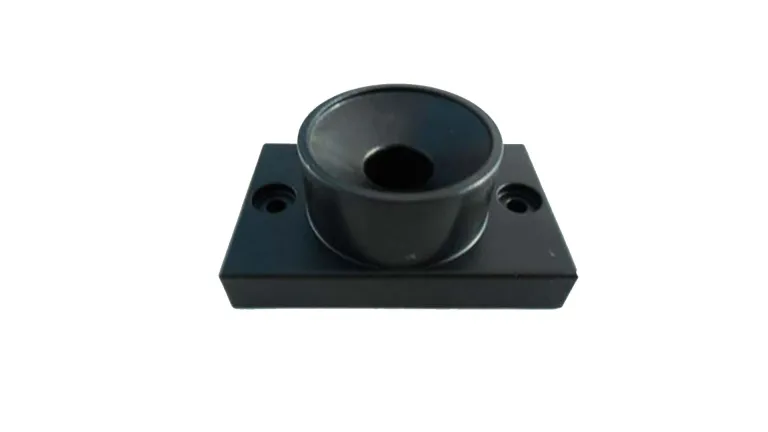
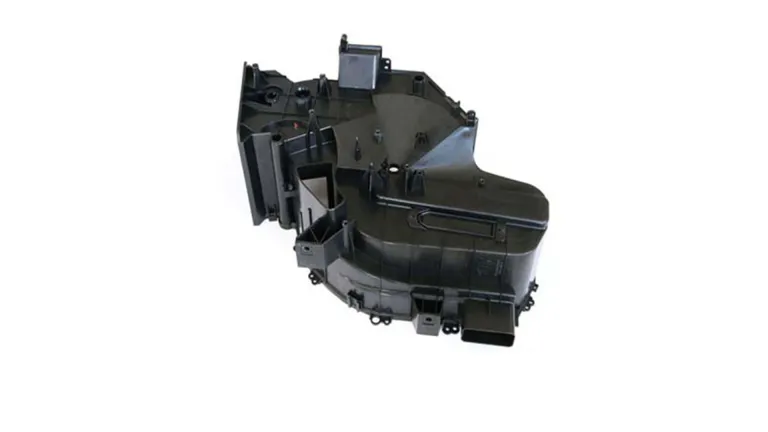
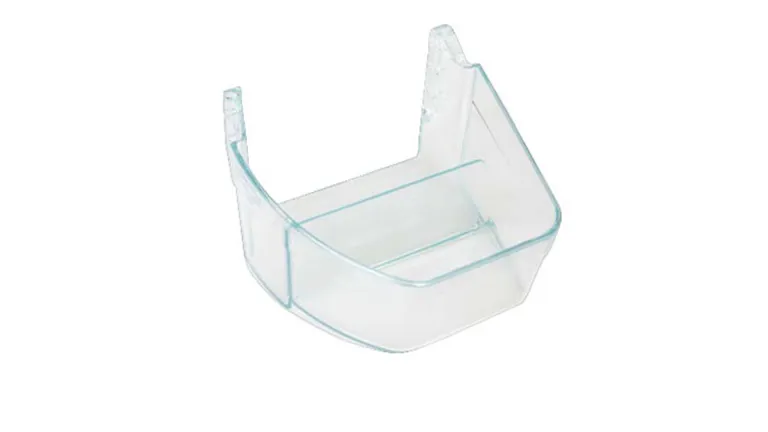
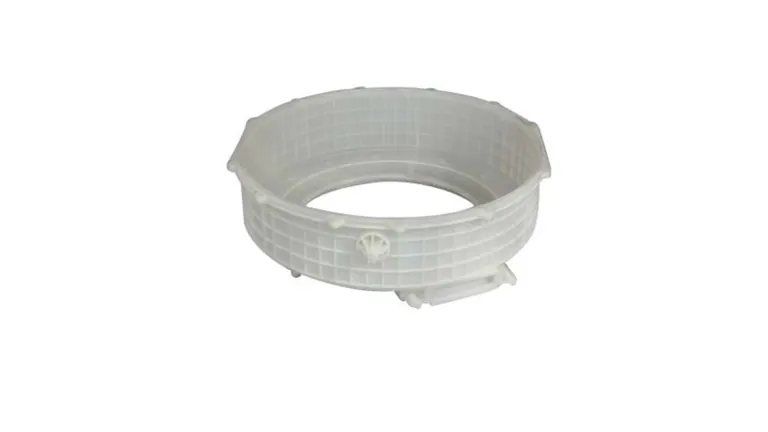
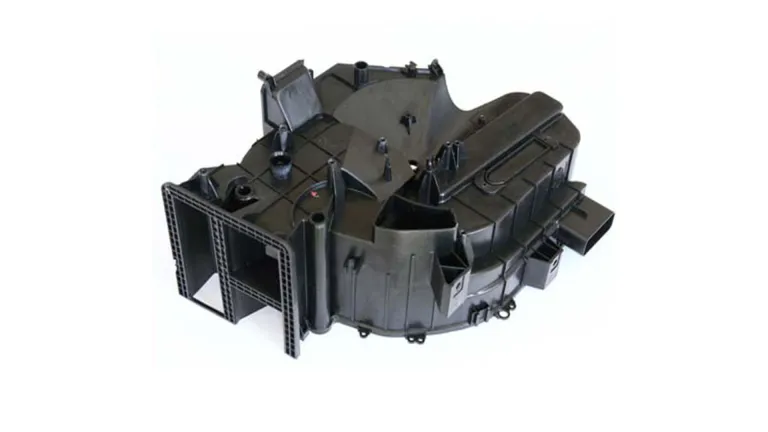
Custom Injection Mold Manufacturer China
Place of Origin : XiaMen, China
Brand : JSD
Product Model : PP-14
Product Material : Plastic
Product customization : Injection molded parts
Material : ABS/PP/PEEK/PC/PMMA/POM/etc.
Surface Finish : Original color, matte or customized surface texture cavity customization
Color : White, black, grey or customized color
Description
Custom Injection Mold Manufacturing Services
High‑Precision Plastic Tooling Solutions for the Automotive, Medical, Electronics, and Industrial Sectors.
| Capability | Value |
|---|---|
| Mold Tolerance | ±0.005 mm |
| Mold Life | 500K – 3M shots |
| Lead Time | 15 – 35 days |
| Export Markets | United States, Germany, UK, Canada |
| Mold Steel Options | P20 / H13 / NAK80 / S136 |
Common Injection Molding Challenges for OEM Buyers
Warpage in large-scale plastic components
Sink marks on cosmetic surfaces
Multi‑cavity fill imbalance
Reduced tooling lifespan
Flash formation on part edges
Extended production cycle times
Inadequate dimensional repeatability
Unstable assembly tolerances
How We Enhance Mold Performance and Production Efficiency
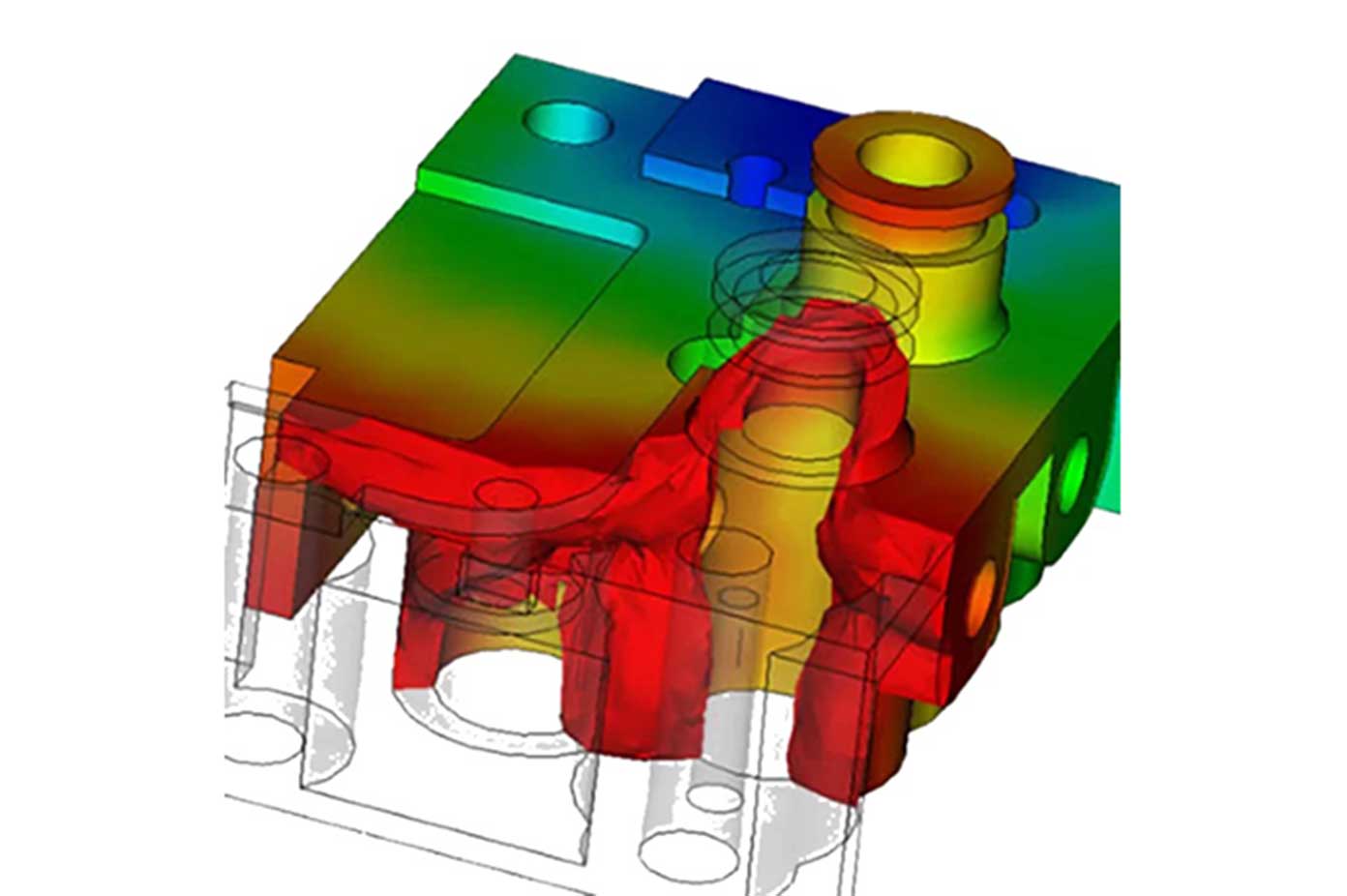
- Mold flow simulation to predict filling behavior
- Cooling system optimization for uniform thermal distribution
- Gate balancing to ensure consistent cavity filling
- Material‑specific shrinkage compensation
- DFM optimization to eliminate design‑related defects early
- Precision steel hardness control for long‑term durability
- 5‑axis CNC machining for complex mold geometries
- Trial mold validation with comprehensive process documentation
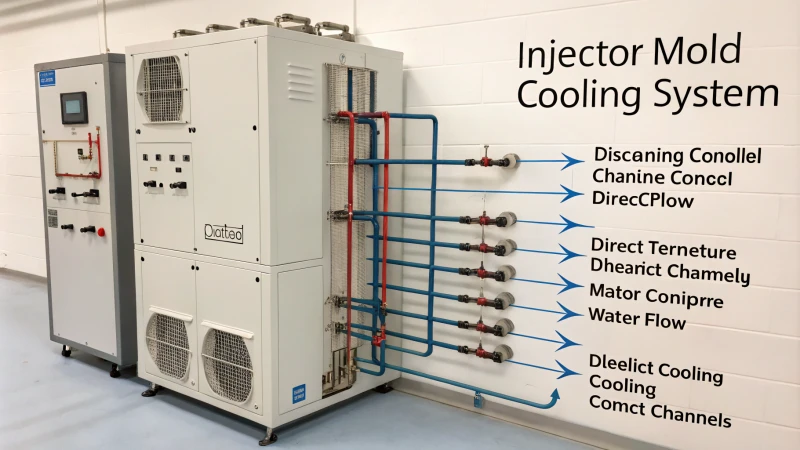
Design for Manufacturability (DFM) Analysis Prior to Tooling
- Draft angle optimization to ensure reliable part ejection
- Wall thickness uniformity review to prevent sink marks
- Gate location evaluation for optimal melt flow
- Undercut analysis to simplify mold construction
- Rib design optimization to increase strength without defects
- Material‑specific shrinkage analysis
- Assembly tolerance stack‑up evaluation
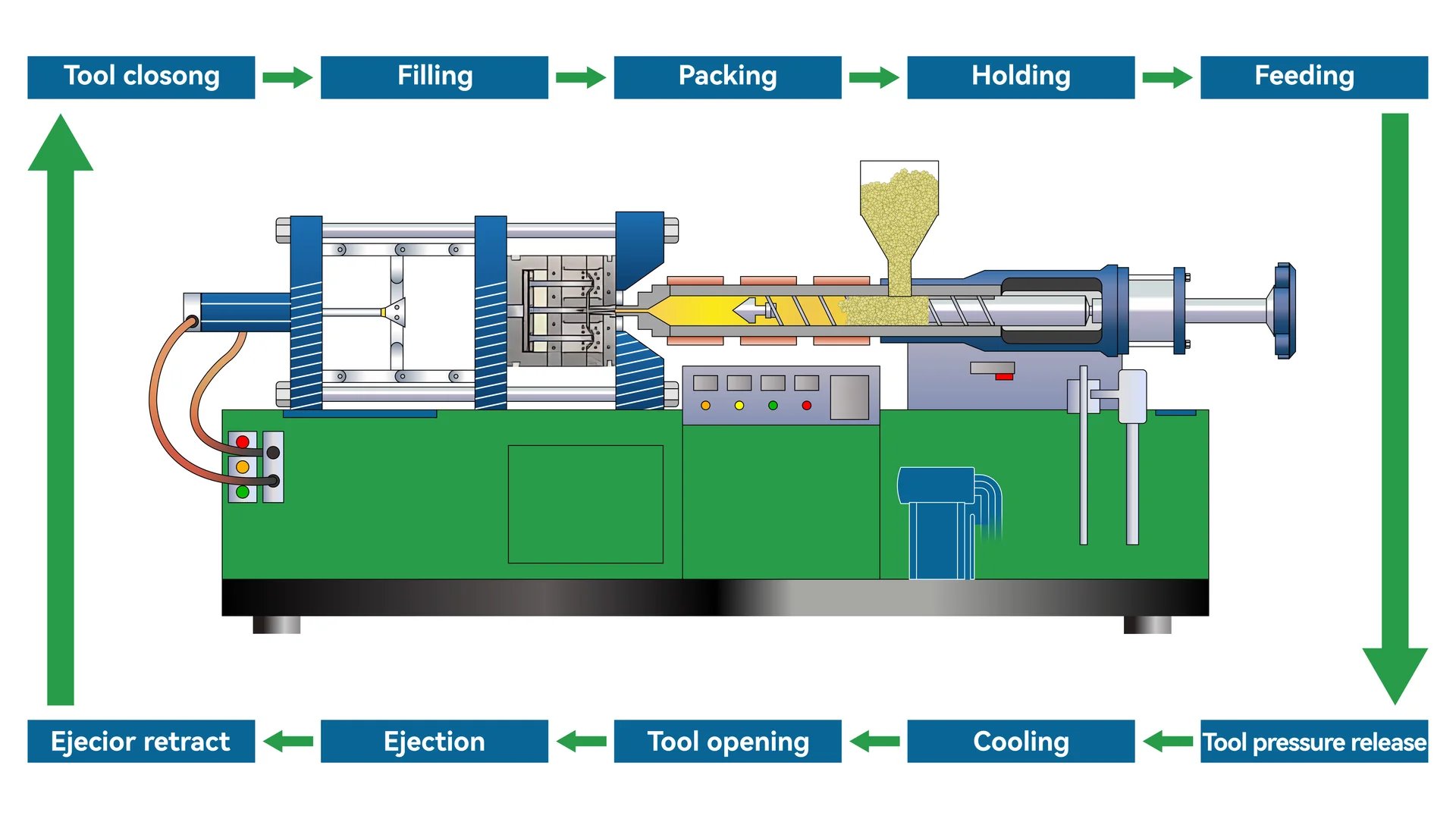
Advanced Mold Flow Simulation Capabilities
- Filling pattern analysis to guarantee complete cavity fill
- Weld line prediction to avoid structurally weak areas
- Air trap identification to prevent burn marks and porosity
- Cooling efficiency analysis to minimize cycle time
- Pressure drop evaluation to optimize injection parameters
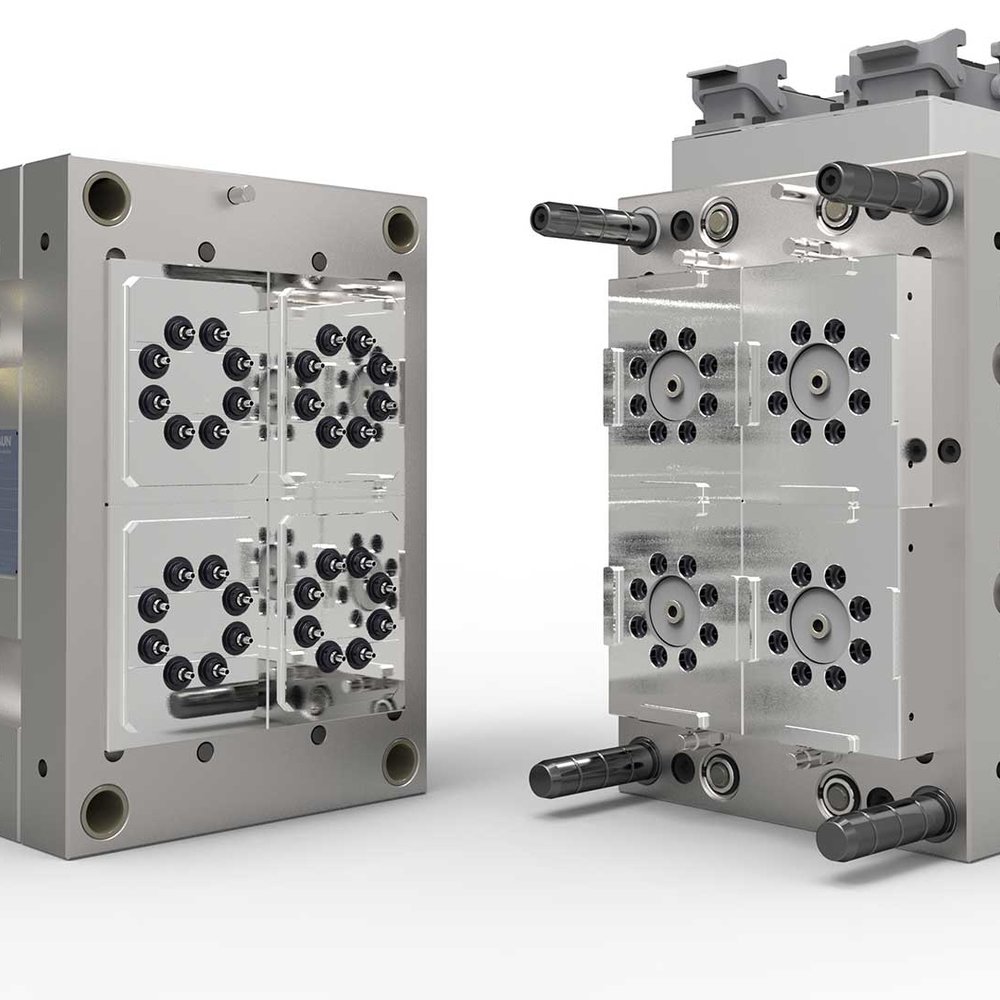
Injection Mold Technical Specifications
Industries We Serve
Automotive
Precision tooling for interior, exterior, and under‑hood components, meeting IATF 16949 requirements.
Medical
Cleanroom‑compatible molds for medical devices, implants, and diagnostic equipment, aligned with ISO 13485 standards.
Consumer Electronics
Thin‑wall, high‑cosmetic molds for smartphone, laptop, and wearable device components.
Industrial Equipment
Heavy‑duty molds for machinery parts, enclosures, and industrial automation components.
Smart Home
High‑volume tooling for home appliances, smart sensors, and IoT device housings.
Aerospace
High‑temperature‑resistant molds for aircraft interior and lightweight structural components.
Injection Mold Project Case Study
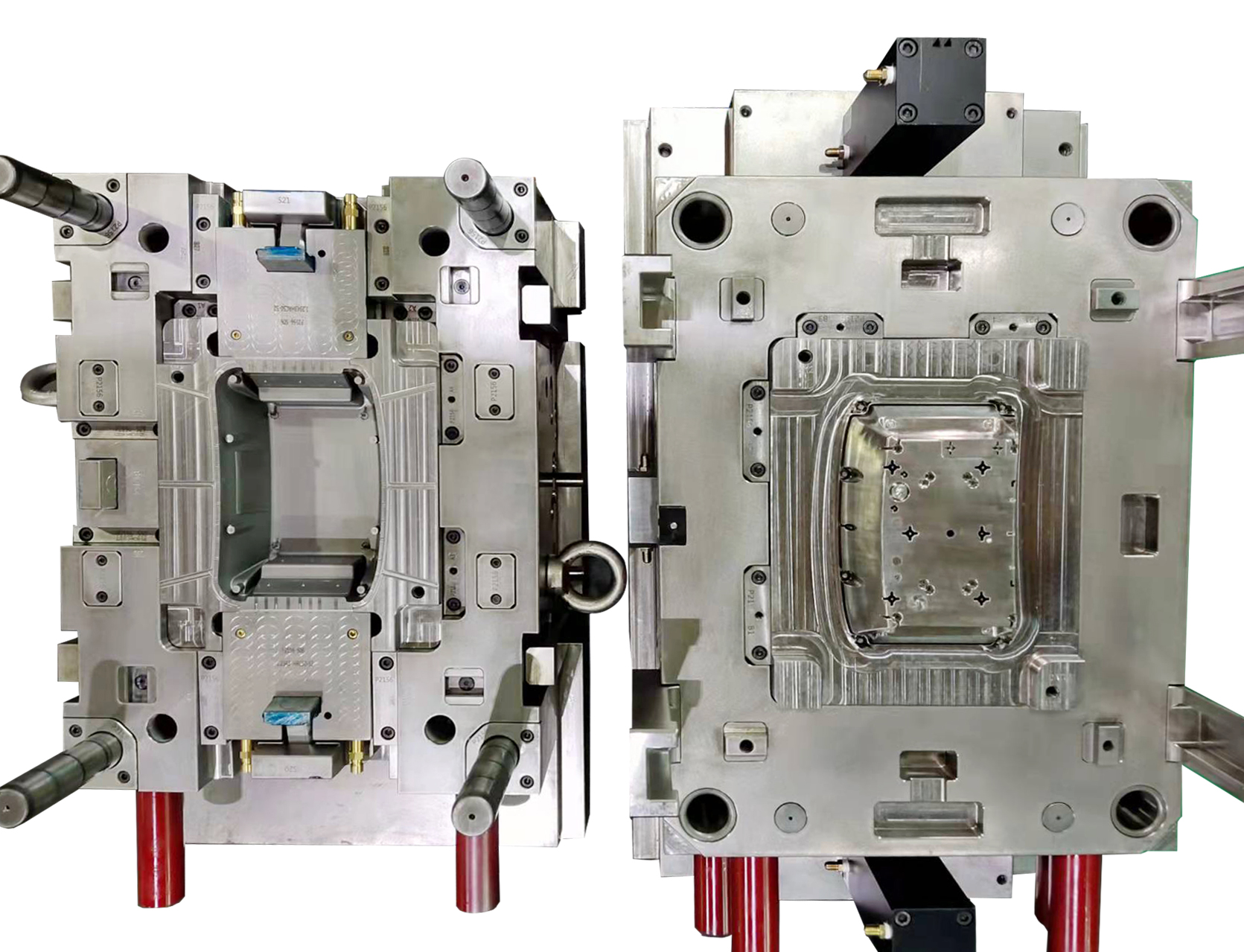
Automotive Connector Housing
| Material | PA66 GF30 |
| Cavities | 8 |
| Mold Life | 1M shots |
| Tolerance | ±0.01 mm |
| Challenge | Excessive warpage and inconsistent dimensions |
| Solution | Custom conformal cooling redesign |
| Result | 22% cycle time reduction; zero warpage after validation |
Injection Mold Quality Control Process
- CMM 3D dimensional inspection for comprehensive part verification
- First Article Inspection (FAI) reports for initial validation
- PPAP documentation support for automotive programs
- Mold trial reports with complete process parameter records
- Raw material certification for all steel grades and polymer resins
- Hardness testing to confirm mold steel durability
- Full dimensional reports delivered with every mold shipment
Frequently Asked Questions
Which mold steel is best for high‑volume injection molding?
For high‑volume production, we recommend hardened steels such as H13 or S136, which reliably support over 1 million shots with consistent performance. For medium volumes, P20 and NAK80 offer an excellent balance of cost and durability.
How long does an injection mold last?
Tool lifespan depends on the steel grade and production volume. With proper maintenance, our standard molds range from 500,000 shots for prototype tooling up to 3 million shots for hardened, high‑volume production tools.
What is the difference between hot runner and cold runner molds?
Hot runner systems keep the polymer molten within the manifold, eliminating runner scrap and reducing cycle time — ideal for high‑volume production. Cold runner systems solidify the runner alongside the part and are more cost‑effective for low‑ to medium‑volume applications.
How do you reduce warpage in injection molded parts?
We combine mold flow simulation to predict warpage, conformal cooling designs for uniform thermal distribution, and material‑specific shrinkage compensation to minimize distortion in the final part.
What industries commonly use multi‑cavity molds?
Multi‑cavity tooling is widely employed in automotive, medical, consumer electronics, and packaging industries, where high‑volume production of small, precise components is required to reduce per‑unit cost.
What is DFM in injection molding?
Design for Manufacturability (DFM) is a pre‑tooling engineering review that analyzes your part design to identify and mitigate potential manufacturing risks. It optimizes the design for the injection molding process, reducing cost, lead time, and defects.
How long does mold manufacturing take?
Standard lead time for mold manufacturing is 15 to 35 days, depending on complexity, mold size, and cavity count. Expedited services are available for urgent project timelines upon request.
What causes sink marks in injection molding?
Sink marks typically result from non‑uniform wall thickness or insufficient packing pressure. During our DFM review, we adjust wall thickness ratios and optimize gate locations to eliminate this issue before tooling begins.