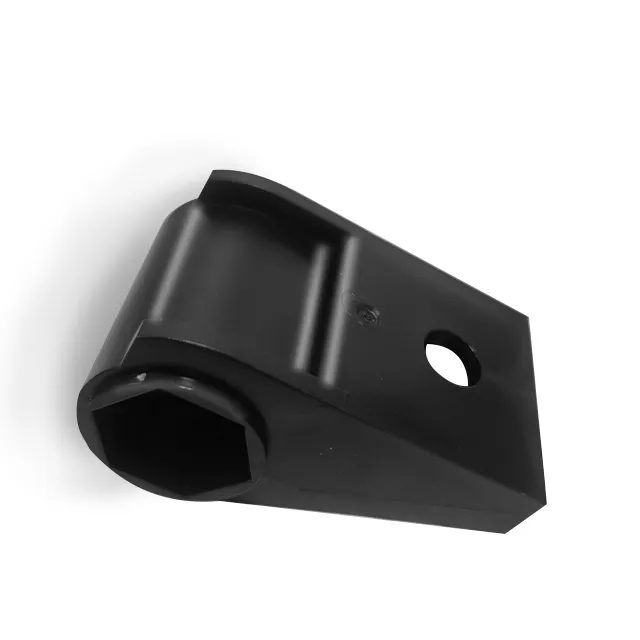
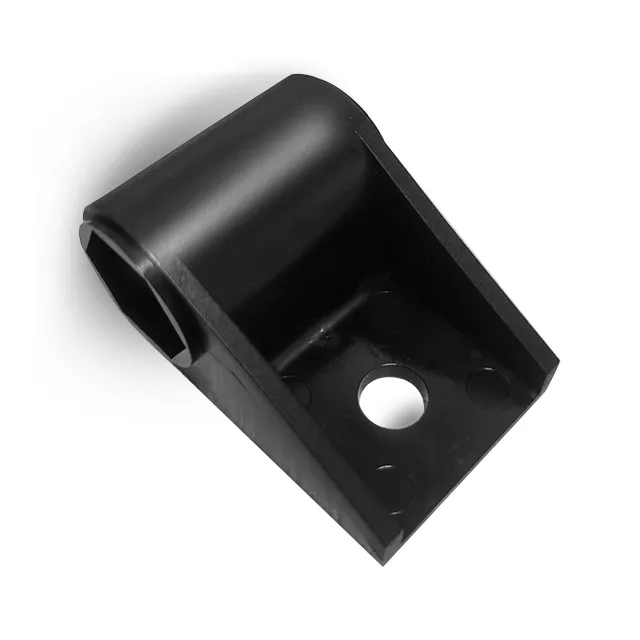
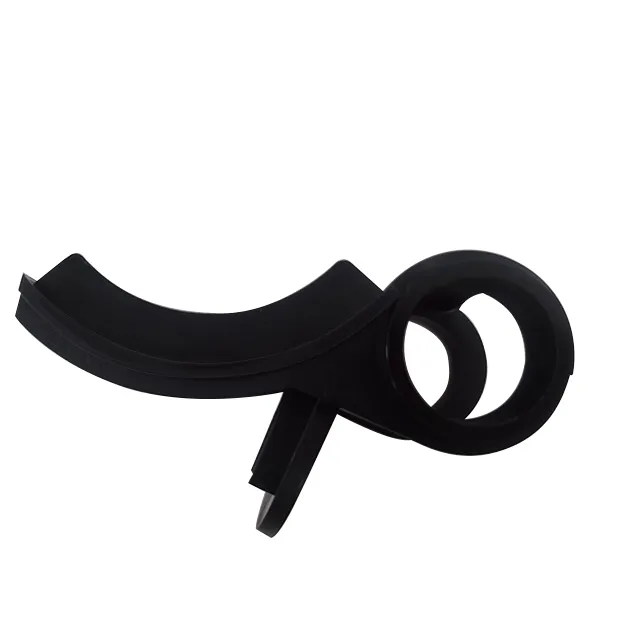
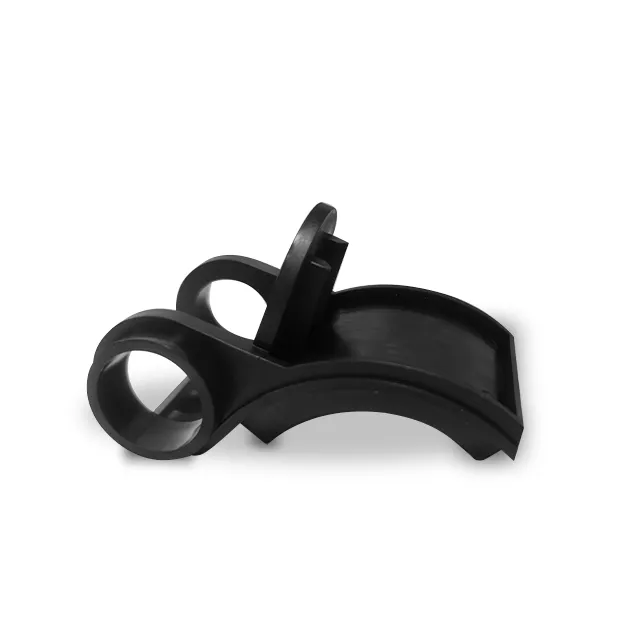
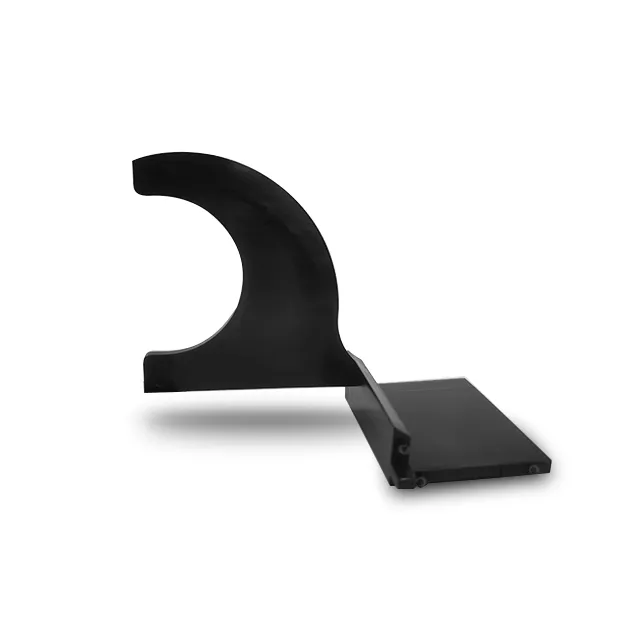
Custom Wear-Resistant Injection Molded Parts | POM/PA
Place of Origin : XiaMen, China
Brand Name : JSD
Model Number : PP-03
Plastic Modling Type : injection
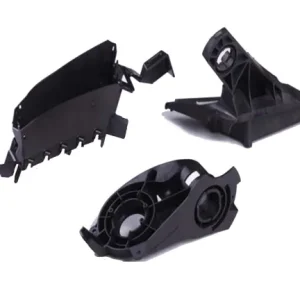
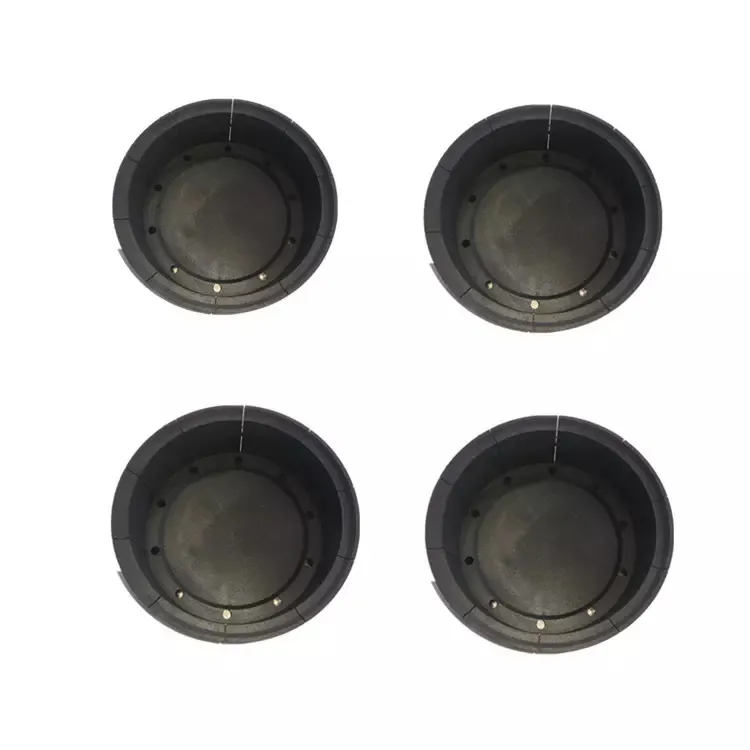
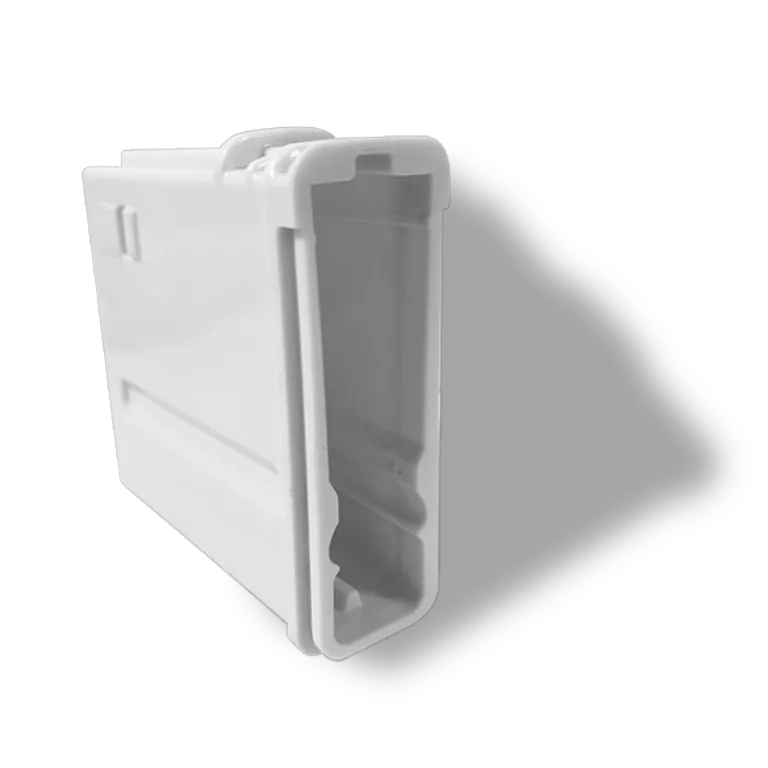
Product name : Plastic Injection Part
Material : PVC/ABS/PP/PS/PC/etc.
High precision : 0.005mm
MOQ : 100pcs
OEM/ODM : Plastic Injection Service
Application : Industrial
Color : Custom Color
Size : Customized Size
Drawing Format : IGES, STEP, AutoCAD, Solidworks, STL, PTC Creo, DWG, PDF, etc..
Description
Custom Injection-Molded Plastic Components for Industrial Applications
Xiamen Goldcattle Plastic & Metal Products Co., Ltd. manufactures custom plastic components from your drawings, material requirements and production specifications. From engineering review and material selection to mold development, trial molding and production inspection, each project is evaluated according to its part geometry, intended function and quality requirements.
- ProcessCustom injection molding (build-to-print)
- Prototype / MOQPrototype from 1 piece
- Quality systemISO 9001:2015 certified
- EstablishedFounded in 1998
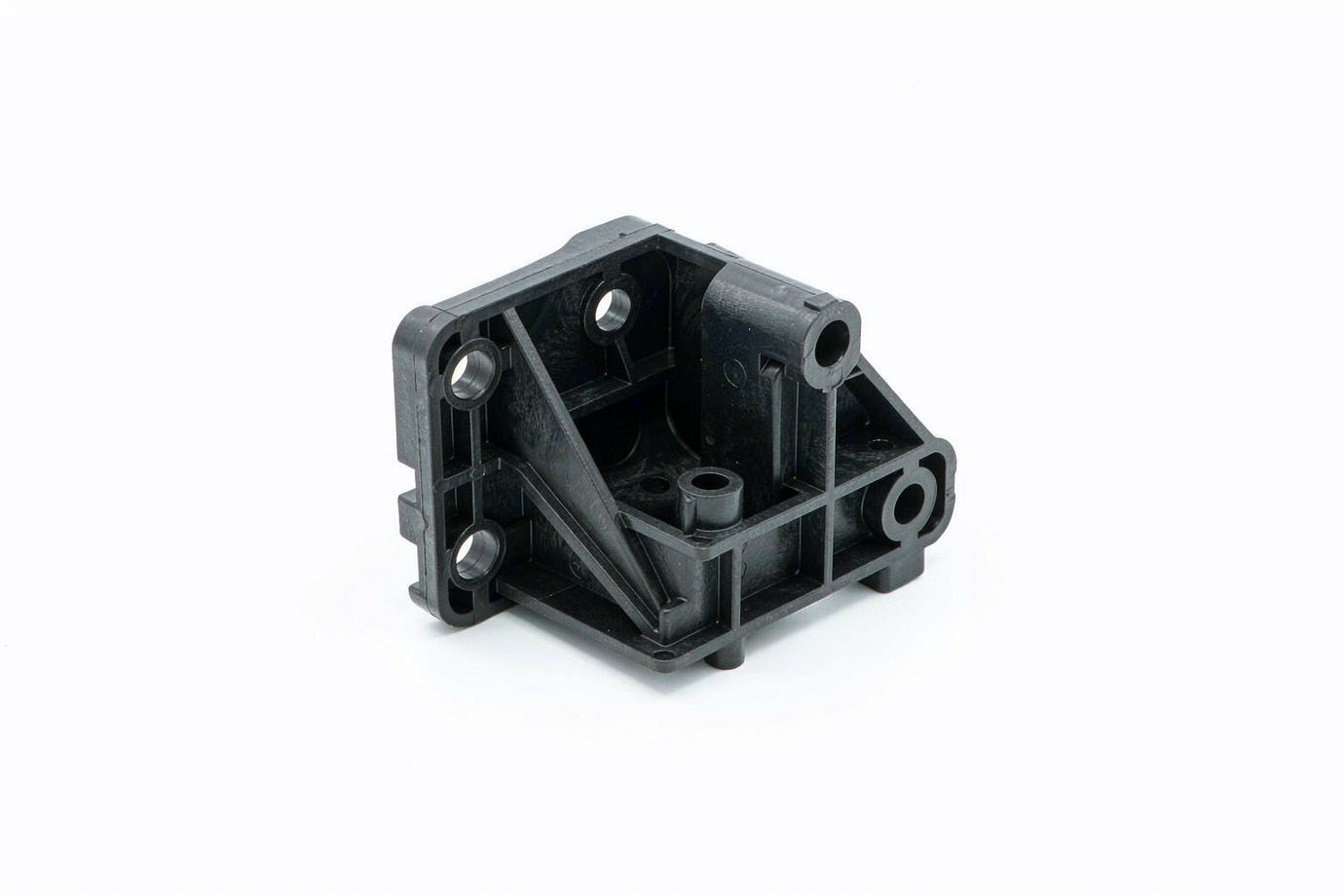
Custom Plastic Parts Made to Your Requirements
We review custom injection-molded components against the requirements that determine their fit, function and manufacturing feasibility — not against a generic list of materials. The areas below are what we confirm before quoting.
- Part geometry: overall dimensions, wall thickness, ribs, bosses, mounting holes, undercuts and assembly interfaces.
- Material requirements: resin grade, mechanical properties, wear conditions, temperature exposure, chemical contact and appearance.
- Dimensional requirements: critical features, mating clearances, drawing tolerances and inspection methods.
- Tooling requirements: expected production volume, mold configuration, tooling life and planned design revisions.
- Production requirements: sample approval, repeat orders, inspection documentation, packaging and delivery schedule.
If the material or manufacturing route has not yet been finalized, provide the intended application and operating conditions. Our engineering review can identify the information needed to evaluate suitable options before tooling is committed.
Choosing the Right Plastic for Strength and Wear Resistance
The best resin depends on the actual operating conditions, not simply on whether a material is described as strong or wear-resistant. The table below is a set of selection directions; the final grade is confirmed against your part's load, speed, contact material, lubrication, temperature and service life.
| Material family | Potential reason for selection, and what must be confirmed |
|---|---|
| POM / Acetal | Low friction, dimensional stability and sliding or rotating components — confirm grade, shrinkage, load, mating surface and operating temperature. |
| PA / Nylon | Toughness, mechanical strength and impact resistance — confirm moisture absorption, dimensional change and conditioning. |
| Reinforced PA | Higher stiffness and strength for suitable structural applications — confirm fibre orientation, warpage, mating-surface wear and dimensions. |
| PEEK or PPS | Applications with specific thermal, chemical or mechanical demands — confirm resin cost, molding capability and processing requirements. |
| ABS, PC or PP | Where impact resistance, appearance, toughness or cost is the priority — the selected grade may not suit every wear-critical duty. |
For a decision-oriented reference, see our materials page.
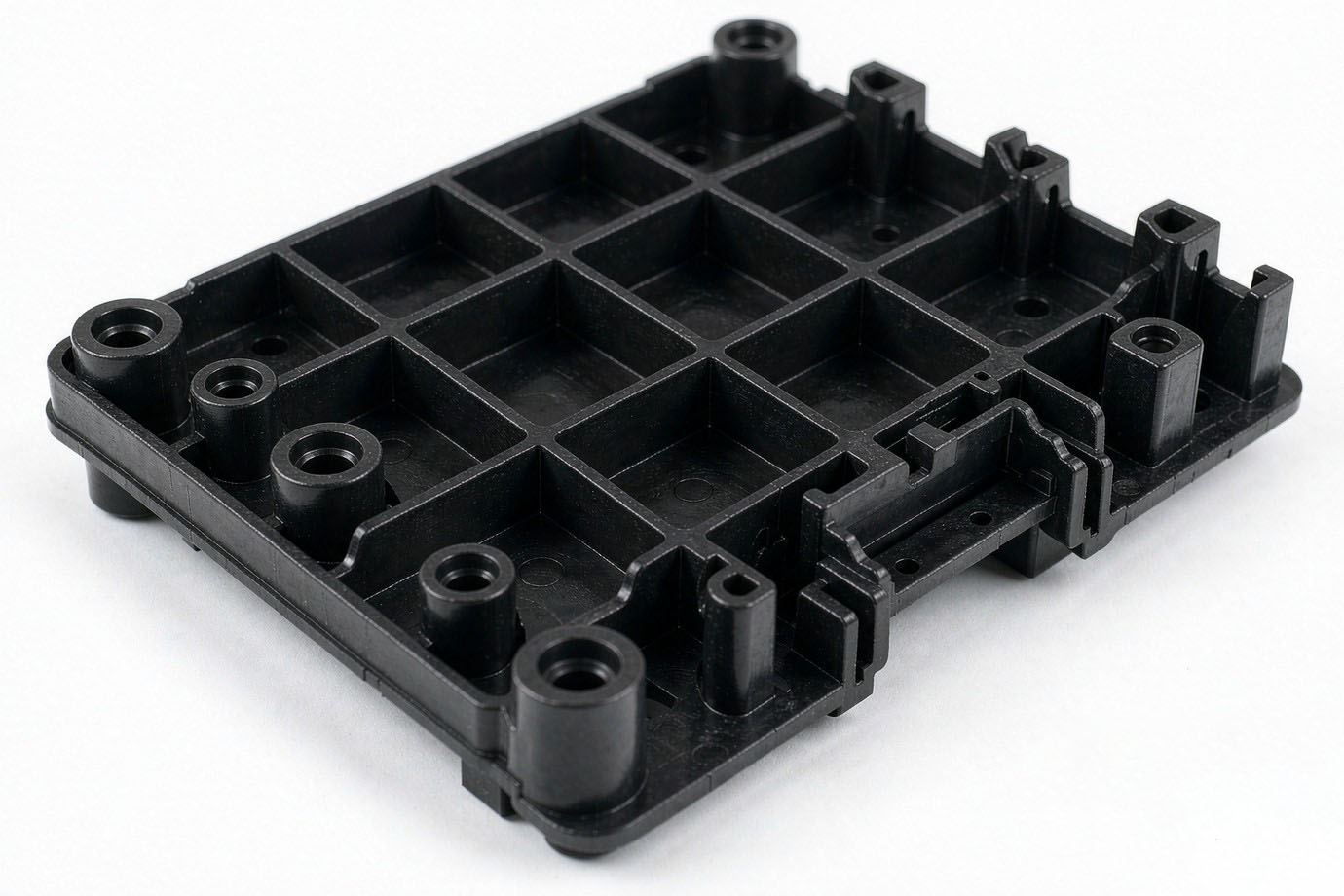
From Design Review to Injection-Molded Parts
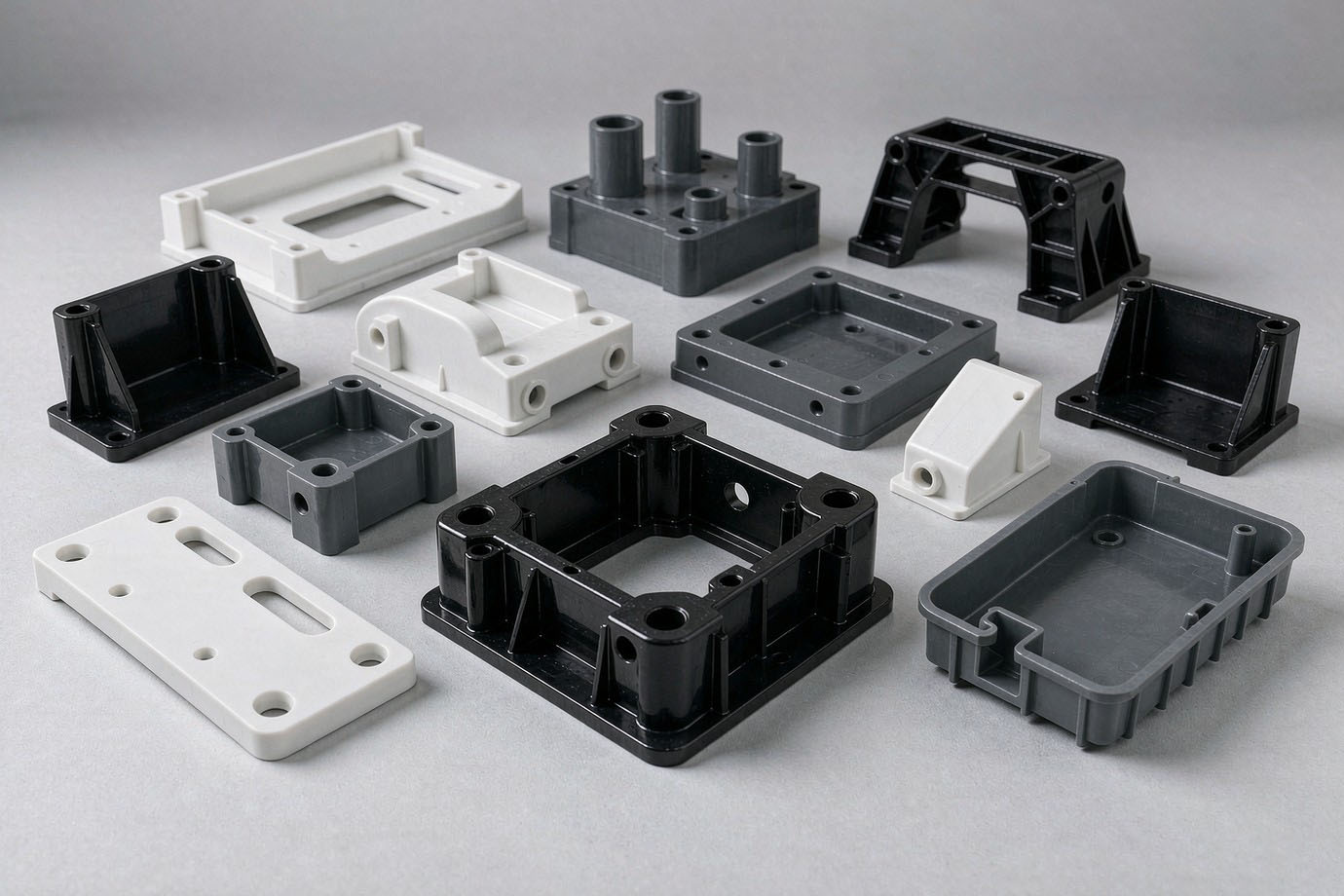
The same six steps apply whether the part is a bracket, a housing or a wear-exposed component. We inspect against the drawing and the agreed acceptance criteria rather than against a single general precision claim.
Requirement Review
Review the CAD model, material specification, critical dimensions, expected volume and application conditions.
DFM
Evaluate wall thickness, draft, ribs, bosses, gate locations, ejection and shrinkage or warp risks.
Tooling Proposal
Define mold configuration, tooling material and cavity arrangement from part design and demand.
Tooling & Trial
Manufacture the mold and conduct trial molding per the agreed project scope.
Inspection
Compare trial parts with the approved drawing and acceptance criteria; record deviations and apply agreed corrections.
Production Release
Begin production after sample approval and required quality checks are completed.
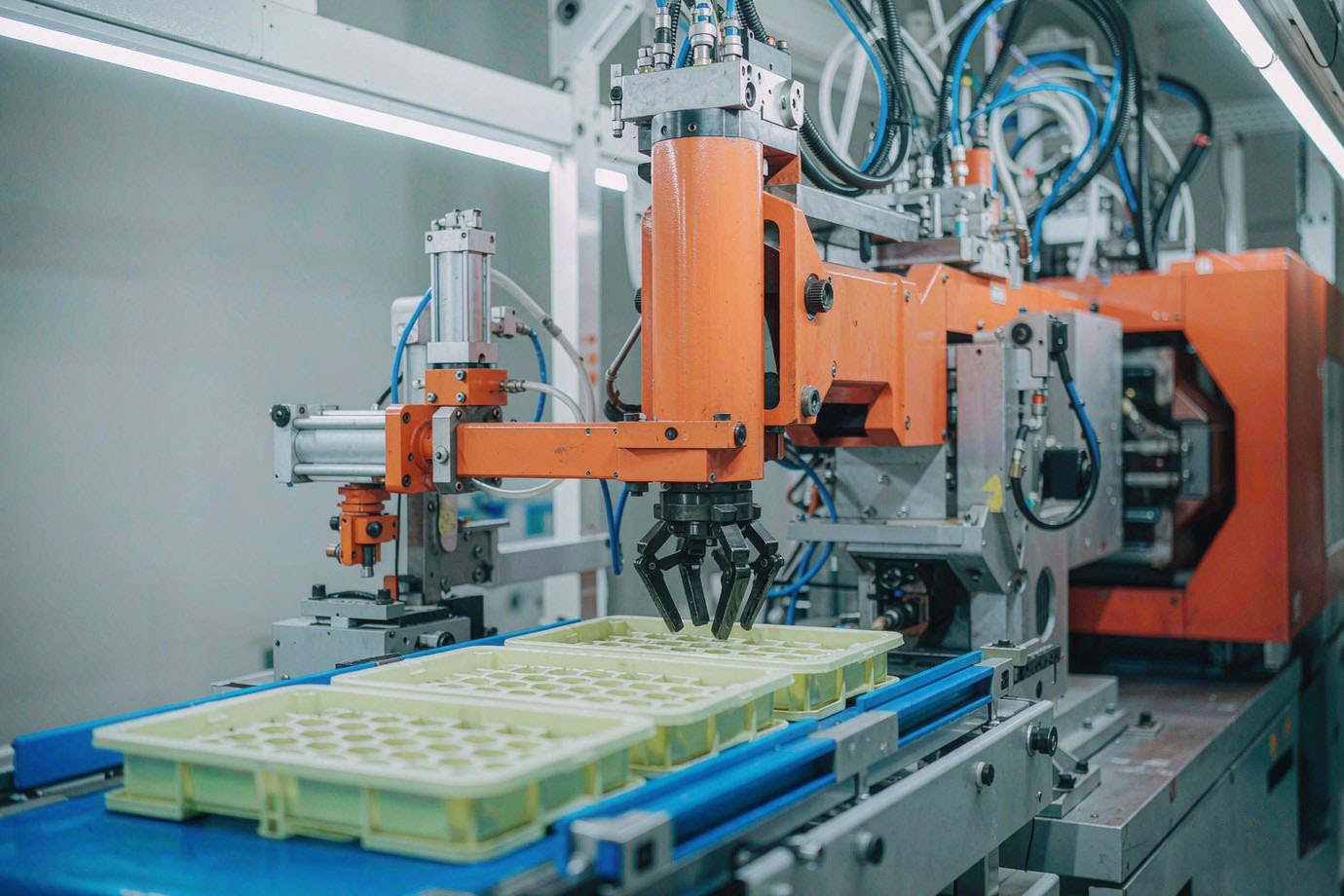
Dimensional Consistency and Quality Verification
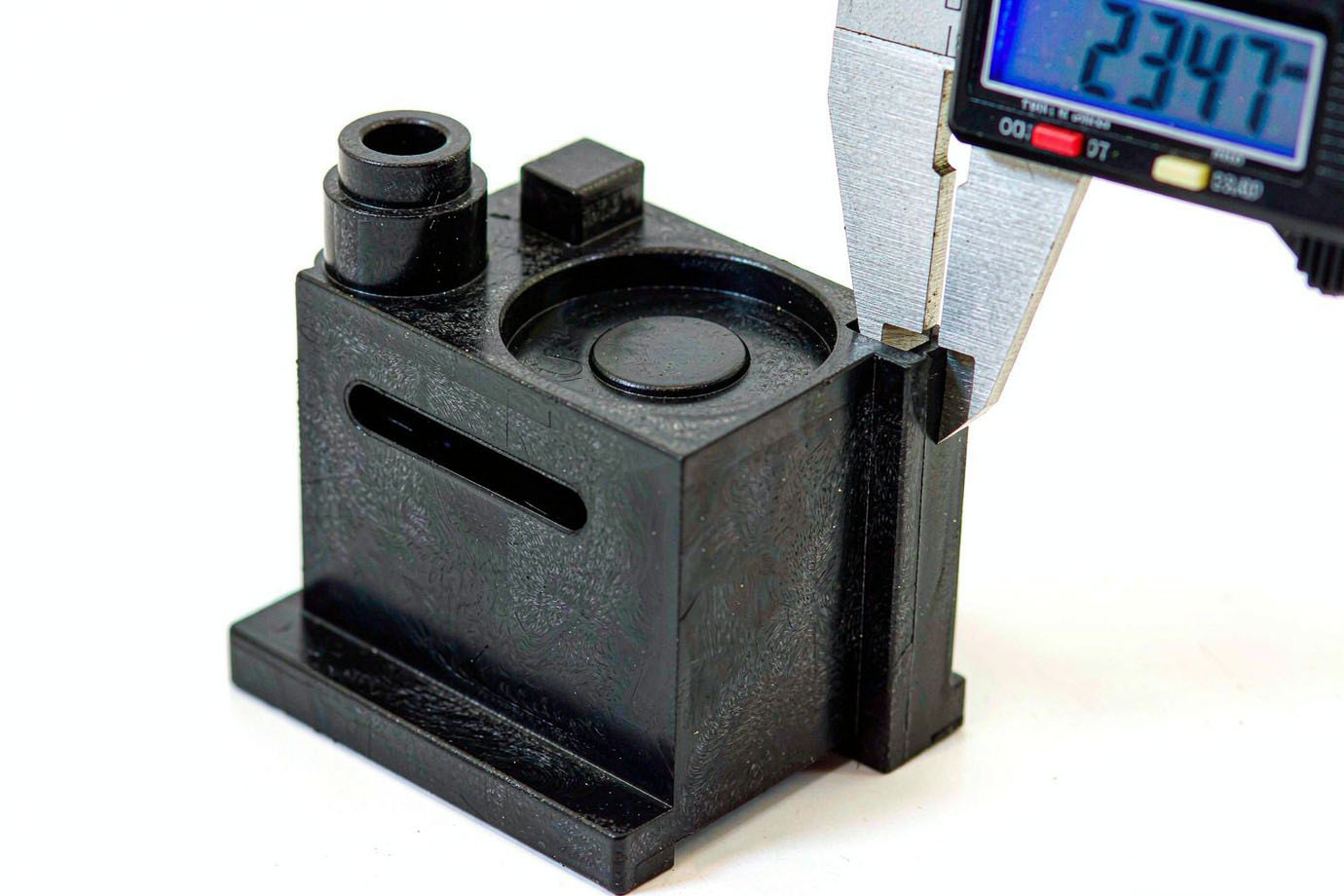
A molded part is evaluated against its drawing and functional requirements, not a single blanket tolerance. Before production we identify critical-to-quality features — mounting holes, locating surfaces, mating clearances, sealing interfaces and other dimensions that affect assembly or performance.
- Dimensional inspection of specified critical features.
- Visual inspection for flash, sink marks, warpage and surface defects.
- Material identification or material documentation where required.
- First-article or trial-part inspection against the approved drawing.
- Agreed sampling and inspection criteria for repeat production.
Request a Custom Injection-Molded Parts Quote
To evaluate your project, please provide as much of the following as is available. If some specifications are not yet finalised, submit what you have and note the open questions — the project can be reviewed to determine what else is needed for a reliable quotation.
| 2D drawing & 3D CAD model | STEP, IGES, DWG or PDF with dimensions |
|---|---|
| Resin grade or application | Existing grade, or intended function and material preferences |
| Dimensions & critical tolerances | Part size, weight and features that must be controlled |
| Volume | Sample quantity and annual production volume |
| Operating conditions | Load, friction, temperature and chemical exposure where applicable |
| Finish & appearance | Surface finish, colour and cosmetic requirements |
| Delivery | Target date and destination |
| Documents | Required inspection reports or material documents |
For the broader injection-molding capability, see our injection molding quote page.
FAQ
What information is needed for a custom injection-molded part quote?
Which plastic is best for high-strength, wear-resistant components?
Can injection-molded parts meet tight dimensional tolerances?
Should I choose injection molding or CNC machining?
Can Goldcattle manufacture parts from customer drawings?
Ready to review your custom plastic component?
Send the drawing and the intended application or operating conditions. We will return an engineering review and a tooling-and-unit-cost estimate scoped to your part — not a one-size-fits-all number.
Request a Custom Parts Quote Explore all injection molding servicesXiamen Goldcattle Plastic & Metal Products Co., Ltd. — Founded in 1998 · ISO 9001:2015 certified · OEM/ODM build-to-print.