Stainless Steel CNC Machining for Precision Parts
Custom CNC milling and turning of 303, 304/304L, 316/316L and 17-4PH stainless steel parts, with drawing-based manufacturing, tight-tolerance capability, surface finishing and dimensional inspection.
*Actual tolerance depends on feature geometry, material, size, machining process and inspection requirements. Confirm capability at quotation.
Why Choose Stainless Steel for CNC Machined Parts?
Stainless steel is specified when a part must survive corrosion, repeated cleaning, mechanical load and temperature variation without degrading. For industrial buyers, it is a buy-once material that reduces field failure, maintenance and replacement cost.
| Requirement | Why Stainless Steel |
|---|---|
| Corrosion resistance | Suitable for wet, chemical and outdoor environments. |
| Strength | High mechanical strength for structural and load-bearing parts. |
| Cleanability | Smooth surfaces tolerate frequent cleaning and sterilization cycles. |
| Temperature resistance | Maintains mechanical properties across a wide temperature range. |
| Durability | Long service life even in abrasive or high-cycle applications. |
| Appearance | Accepts polished, brushed or bead-blasted cosmetic finishes. |
Typical Applications
Medical
- Surgical instrument components
- Device housings
- Fluid fittings
- Precision fixtures
Automotive
- Valve components
- Sensor housings
- Shafts
- Brackets
Industrial
- Valve bodies
- Pump components
- Manifolds
- Machine components
Stainless Steel Grades We CNC Machine
Each grade trades machinability against corrosion resistance, strength and cost. We machine the grades below from bar stock, plate, tube and custom forgings, and help you choose the grade that satisfies both the drawing and the operating environment.
303
Sulfur-enhanced free-machining grade. Best production speed for shafts, fittings and fasteners where corrosion resistance is acceptable.
304 / 304L
General-purpose austenitic grade. 304L low-carbon variant is preferred for welded assemblies and chemical equipment.
316 / 316L
Molybdenum-enhanced for chloride and pitting resistance. Standard for marine hardware, medical devices and chemical processing.
17-4PH
Precipitation-hardening grade for high-strength, high-wear aerospace, automotive and industrial parts.
| Grade | Machinability | Corrosion Resistance | Strength | Typical Applications |
|---|---|---|---|---|
| 303 | Excellent | Good | Medium | Shafts, fittings, fasteners |
| 304 | Good | Excellent | Medium | Industrial, food, general components |
| 304L | Good | Excellent | Medium | Welded assemblies, chemical equipment |
| 316 | Moderate | Very High | Medium | Marine, chemical, fluid systems |
| 316L | Moderate | Very High | Medium | Medical, marine, chemical |
| 17-4PH | Moderate | High | Very High | Aerospace, automotive, high-strength parts |
| 410 / 420 | Moderate | Moderate | High | Wear-resistant components |
303 vs 304 vs 316L vs 17-4PH: Which Stainless Steel Should You Choose?
Use this decision table to narrow the grade before requesting a quote. If your drawing does not specify a grade, send the operating environment and we will recommend the best option.
| Grade | Choose It When | Avoid It When |
|---|---|---|
| 303 | Machinability and production speed are priorities. | High corrosion resistance is critical. |
| 304 | General corrosion resistance and balanced cost are needed. | The part will be exposed to chloride-heavy environments. |
| 316L | Marine, chemical or medical environments are involved. | Machining cost must be minimized. |
| 17-4PH | High strength and mechanical performance are required. | Maximum machinability is the priority. |
Not sure which stainless steel grade fits your application? Send your drawing and operating environment with your RFQ and our engineers will recommend the grade, heat treatment and surface finish that match the functional requirements.
Stainless Steel CNC Machining Processes
We match the process to the part geometry, tolerance and volume. Single-setup strategies reduce handling and improve repeatability on stainless steel, where thermal stability matters.
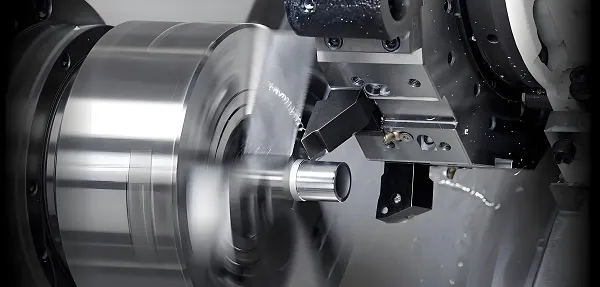
CNC Turning
Precision turning for rotational stainless steel parts.
- Shafts
- Bushings
- Pins
- Fittings
- Valve components
- Threaded parts
CNC Milling
Prismatic and contoured stainless steel components.
- Brackets
- Housings
- Manifolds
- Fixtures
- Structural components
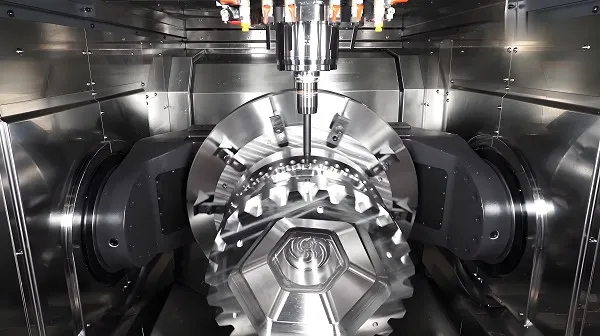
5-Axis CNC Machining
Complex geometry machined in fewer setups.
- Complex geometry
- Multi-surface parts
- Reduced setups
- Difficult-to-access features
Precision Drilling & Threading
Critical holes and threads in stainless steel.
- Deep holes
- Precision bores
- Threaded holes
- Cross holes
Tight-Tolerance Stainless Steel CNC Machining
Stainless steel is unforgiving: work hardening and heat buildup make tight tolerances harder to hold than on aluminum or free-machining steel. Our process controls cutting parameters, coolant strategy and fixturing by grade to keep dimensions stable.
| Requirement | Capability |
|---|---|
| Standard precision | Drawing-defined |
| Tight tolerance | Up to ±0.01 mm |
| Selected critical features | Up to ±0.005 mm* |
| Complex geometry | 4/5-axis machining |
| Verification | CMM / dimensional inspection* |
*Capability depends on material grade, feature size, geometry, machine setup, thermal stability and inspection method. Final tolerance is confirmed against your drawing at quotation.
Why Stainless Steel Is Difficult to CNC Machine
The same properties that make stainless steel valuable in service make it demanding in machining. Buyers should look for a supplier that controls these four failure modes, not one that simply lists equipment.
Work Hardening
Austenitic grades harden rapidly when cut with incorrect speeds or feeds. Once the surface hardens, subsequent passes wear tools faster and risk dimensional drift. We adjust parameters by grade to limit hardened-layer depth.
Heat Management
Stainless steel conducts heat poorly compared with carbon steel, so more heat stays in the cut zone and the part. Our strategy combines through-coolant tooling, controlled speeds and stress-relief cycles to protect dimensional stability.
Tool Wear & Built-Up Edge
Material adhesion to the tool edge produces built-up edge, which degrades surface finish and can alter effective cutting geometry. We select coated carbide grades and tool paths that reduce adhesion and maintain consistent finish.
Chip Control
Long, stringy chips create handling problems, scratch finished surfaces and increase cycle time. We optimize chip-breaking geometry and cutting parameters by grade and feature.
Our machining strategy is adjusted by stainless steel grade, geometry, tolerance and production volume rather than using one fixed parameter set for every part.
Why 316L Is More Difficult to Machine Than 303
This comparison explains why a 316L medical part costs more to machine than a 303 fastener of similar size, and why grade selection should happen before quoting.
| Factor | 303 | 304 | 316L |
|---|---|---|---|
| Machinability | High | Moderate | Moderate–Low |
| Work Hardening | Moderate | High | High |
| Tool Wear | Lower | Higher | Higher |
| Corrosion Resistance | Good | Excellent | Excellent–Very High |
| Typical Relative Cost | Lower | Medium | Higher |
Exact values vary with material condition, tooling, machine rigidity and supplier process. Use this table for orientation, not as a fixed specification.
Stainless Steel Surface Finishes
Surface treatment should be specified together with the required surface condition, corrosion requirements and applicable standard. We apply the finishes below in-house or through qualified partners, with full process documentation.
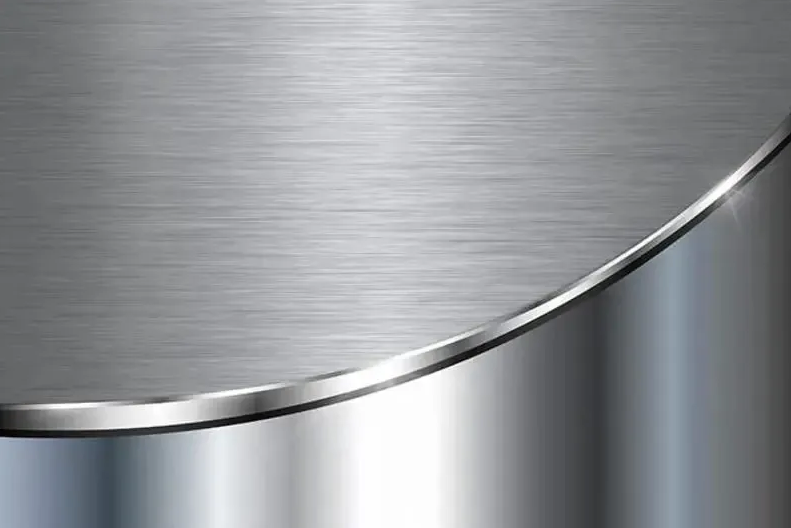
Brushing
Best for: Cosmetic industrial parts.
Procurement consideration: Specify brushing direction and consistency across the batch.
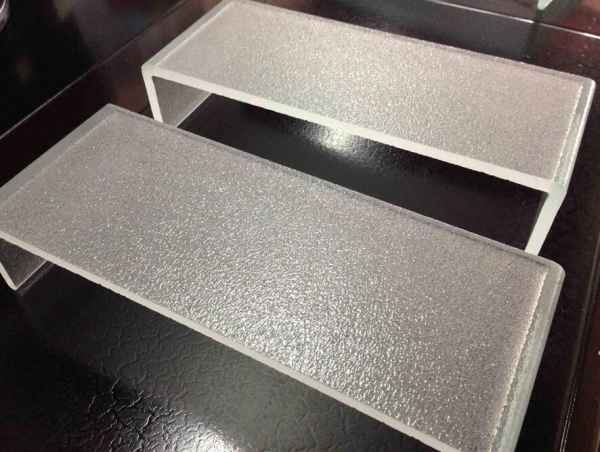
Bead Blasting
Best for: Uniform matte finish that hides tool marks.
Procurement consideration: Define media type and desired surface texture.
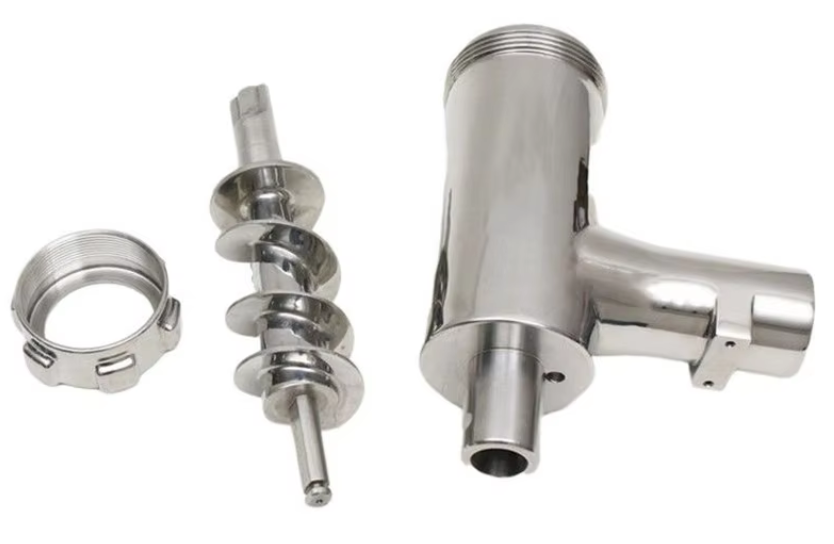
Polishing
Best for: High-gloss components and visual surfaces.
Procurement consideration: Agree on visual quality sample before batch finishing.
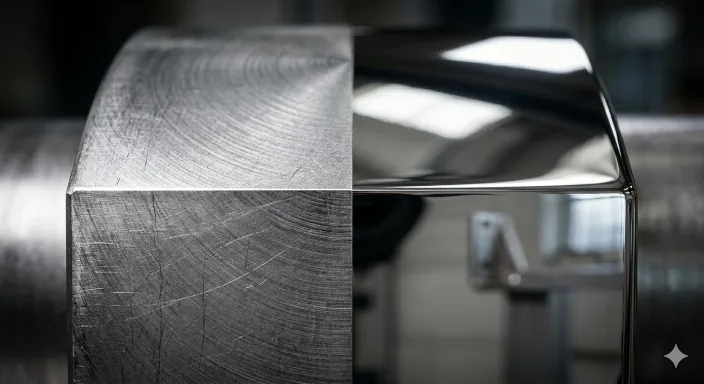
Electropolishing
Best for: Medical and hygienic applications.
Procurement consideration: Combines smoothing, passivation and deburring in one process.
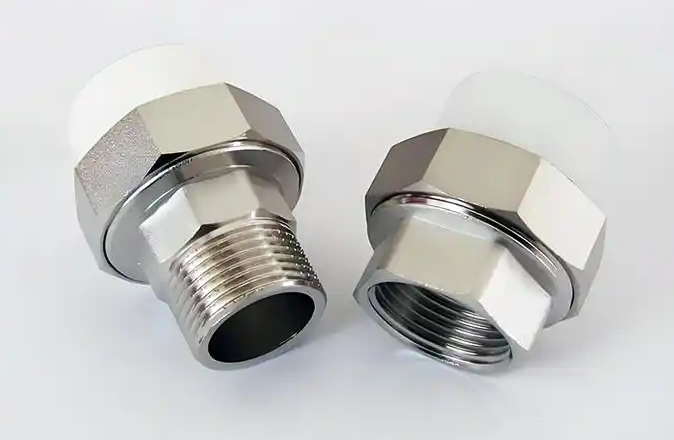
Passivation
Best for: Corrosion-resistance-focused parts.
Procurement consideration: Specify required standard such as ASTM A967 or customer-defined method.
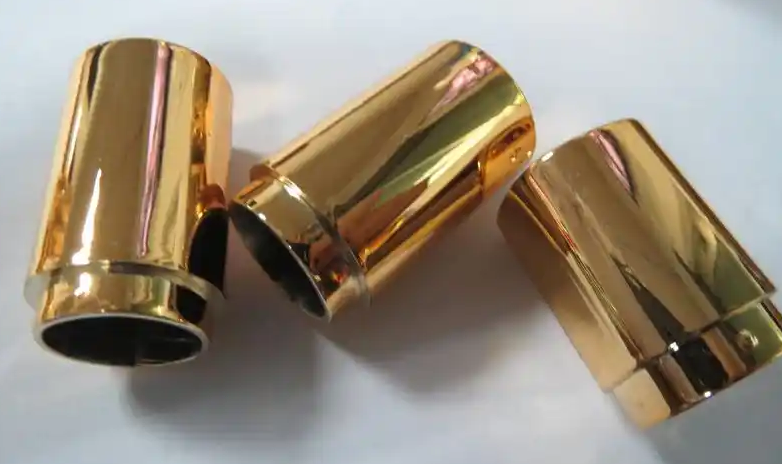
Pickling
Best for: Oxide removal after welding or heat treatment.
Procurement consideration: Confirm process compatibility with final dimensions and surface requirements.
Stainless Steel CNC Quality Control
Every stainless steel order follows a documented inspection path. First-article approval, in-process checks and final dimensional reports are standard unless the buyer requests a different protocol.
Inspection flow: Material Verification → Incoming Inspection → First-Piece Inspection → In-Process Inspection → Final Dimensional Inspection → CMM / Critical Feature Verification → Documentation & Shipment
Inspection Equipment
Dimensional
- CMM
- Micrometers
- Calipers
- Bore gauges
- Height gauges
- Thread gauges
Surface & Material
- Surface roughness measurement
- Material grade verification
- Hardness testing
Documentation
- Dimensional reports
- First article inspection
- Material certificates
- Shipment inspection records
Equipment and inspection scope depend on the specific project. If your drawing calls for a special inspection method or sampling plan, include it in the RFQ.
Stainless Steel Material Traceability
Material certificates and batch traceability are standard requirements in medical, aerospace and marine supply chains. We document the chain from raw material to finished part.
| Traceability Item | What We Record |
|---|---|
| Material grade | AISI / ASTM / EN grade against drawing specification |
| Heat / batch number | Mill heat number linked to the machining batch |
| Material certificate | EN 10204 3.1 mill test certificate available |
| Quantity | Raw material quantity, finished quantity and scrap reconciliation |
| Supplier | Approved mill or distributor source |
| Inspection documentation | Dimensional report, FAI and finish records per order |
EN 10204 3.1 material certificates are available on request. If your project requires a different certificate type, such as 3.2 or customer-specific material approval, state this in the RFQ so we can confirm availability before quoting.
Stainless Steel CNC Machining Case Study
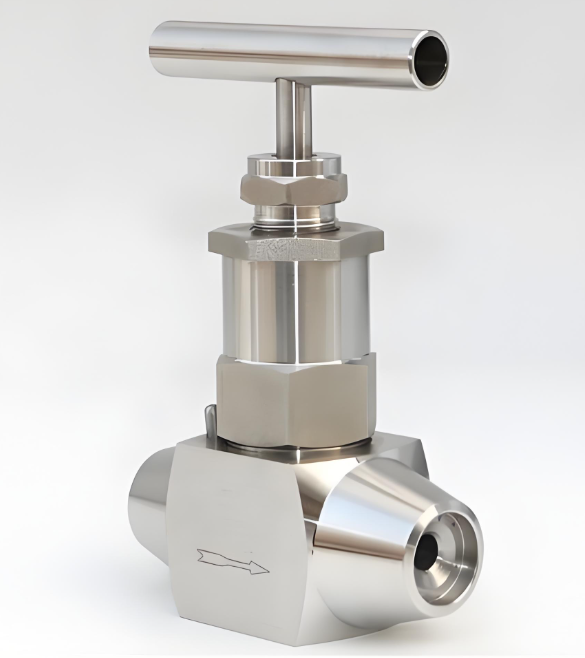
316L Stainless Steel Valve Component
A precision corrosion-resistant valve body for an industrial fluid system. The part combined internal bores, threaded ports and sealing faces that had to remain stable after passivation.
Result: First article accepted. Production repeatability maintained across the batch with full dimensional report and EN 10204 3.1 material certificate.
View the stainless steel parts product page →Stainless Steel CNC Machining by Industry
Buyers often search by part type rather than industry. The list below connects common stainless steel components to the industries that specify them.
Medical
- Surgical instrument components
- Device housings
- Fluid fittings
- Precision fixtures
Automotive
- Valve components
- Sensor housings
- Shafts
- Brackets
Marine
- Fittings
- Shafts
- Mounting components
Industrial
- Valve bodies
- Pump components
- Manifolds
- Machine components
Food Processing
- Hygienic fittings
- Fixtures
- Processing-machine components
Semiconductor
- Fluid-handling components
- Precision fixtures
- Chamber hardware
Design for CNC Machining Stainless Steel
Small design decisions affect stainless steel machining cost and quality more than on softer materials. Our engineers review drawings before production and flag tolerance, tooling, access and material-risk issues before machining.
Geometry
- Avoid unnecessarily deep pockets.
- Control thin walls to reduce vibration and warpage.
- Design internal corners with achievable radii.
- Provide access for tooling and inspection.
Specifications
- Provide realistic tolerances.
- Specify critical dimensions separately from reference dimensions.
- Use standard thread sizes where possible.
- Identify cosmetic versus functional surfaces.
Surface & Material
- Specify surface finish and applicable standard.
- Define passivation or electropolishing requirements.
- State material certification requirements.
- Include heat-treatment condition if applicable.
Production
- Match quantity to the most economical setup strategy.
- Allow stock for critical finishing operations.
- Provide 3D CAD plus a dimensioned 2D drawing.
Free DFM analysis is included with every quotation. We identify wall thickness, thread geometry, undercut and material-risk issues before production, and propose cost-saving alternatives where appropriate.
How Much Does Stainless Steel CNC Machining Cost?
We do not publish fixed prices because stainless steel part cost is driven by the interaction of material, geometry and quality requirements. The factors below are used in every quotation.
Cost Drivers
- Stainless steel grade
- Raw material cost and form
- Part size and weight
- Machining time and number of setups
- Tolerance and critical features
- Tooling and consumables
- Surface treatment
- Inspection and documentation
- Order quantity
Grade Cost Considerations
| Grade | Relative Machining Cost | Why |
|---|---|---|
| 303 | Lower | Free-machining; faster cycle times, lower tool wear. |
| 304 | Medium | Balanced machinability and corrosion resistance. |
| 316L | Higher | More work hardening, slower speeds, more tool changes. |
| 17-4PH | Higher | Higher strength and potential heat-treatment steps. |
Actual quotation requires 3D CAD, 2D drawing, quantity and finish requirements. We provide itemized quotations with no hidden costs.
Why Choose Xiamen Goldcattle?
Xiamen Goldcattle Plastic & Metal Products Co., Ltd. is a National High-Tech Enterprise founded in 1998, providing OEM/ODM custom manufacturing from prototype to mass production. Our 100+ machine fleet covers CNC milling, turning, 5-axis, Swiss-type, EDM and grinding under one roof.
Capability
- 3 / 4 / 5-axis CNC machining
- Tight tolerances up to ±0.005 mm on selected features
- Zeiss Prismo CMM verification
- 100+ machines across six processes
Quality & Compliance
- ISO 9001:2015 certified
- EN 10204 3.1 material certificates
- AS9102 FAI available
- SGS / RoHS / REACH compliant supply chain
Engineering Support
- Free DFM review on every order
- 24-hour quotation response
- Drawing-based manufacturing
- Process validation before production
Delivery
- Prototypes in 7–10 working days
- Production runs in 10–20 working days
- 99.8% on-time delivery rate
- Shipments to 50+ countries
Frequently Asked Questions
Which stainless steel is best for CNC machining?
303 is the easiest to machine and is ideal for production speed. 304 offers better corrosion resistance for general industrial parts. 316L is preferred for marine, chemical and medical environments. 17-4PH is chosen when high strength is required.
Is 316L harder to CNC machine than 304?
Yes. 316L work hardens more aggressively and generates higher tool wear than 304, so it typically requires slower cutting parameters and more frequent tool changes.
Is 303 better than 304 for CNC machining?
303 machines faster and produces better surface finish at lower cost, but it has lower corrosion resistance than 304. Use 303 when machinability is the priority and the environment is not highly corrosive.
Can you CNC machine 316L to ±0.01 mm?
Yes, ±0.01 mm is achievable on 316L for typical high-precision features, subject to part geometry, setup stability and inspection method. Final capability is confirmed at quotation.
Can stainless steel CNC machining achieve ±0.005 mm?
±0.005 mm is achievable on selected critical features in suitable grades and stable setups. It is not guaranteed on every feature or every part. We confirm feasibility after reviewing the drawing.
Can you machine 17-4PH stainless steel?
Yes. We machine 17-4PH in both solution-treated and hardened conditions for high-strength aerospace, automotive and industrial applications.
What surface finishes are available for stainless steel parts?
Brushing, bead blasting, polishing, electropolishing, passivation and pickling are available. Specify the required finish and applicable standard on the drawing.
Can you passivate stainless steel CNC parts?
Yes. Passivation is available to restore the chromium oxide layer and improve corrosion resistance. Specify ASTM A967 or your customer-defined method.
Can you provide material certificates for stainless steel?
Yes. EN 10204 3.1 material certificates are available on request. Other certificate types can be quoted based on availability.
Can you provide CMM inspection reports?
Yes. CMM dimensional reports are part of our standard quality documentation for parts with tight-tolerance requirements.
What stainless steel grades do you stock?
We commonly machine 303, 304, 304L, 316, 316L, 17-4PH, 410 and 420 from bar, plate, tube and forging stock. Specific availability is confirmed at quotation.
What is the lead time for stainless steel CNC parts?
Prototypes typically ship in 7–10 working days. Production runs range from 10–20 working days depending on quantity, finish and inspection requirements.
Have a Stainless Steel Part to Manufacture?
Send your 2D drawing + 3D CAD + material grade + quantity. Our engineers will review tolerance, machining method, surface finish and inspection requirements before quotation.