Disadvantages of Die Casting: A Practical Breakdown for Engineers & Buyers
Die casting is unbeatable for high-volume non-ferrous parts — but seven real limitations decide whether it is the right process for your project. Here is the honest engineering view, with data and mitigation from 26 years on the shop floor.
- ✓ 7 limitations explained with real numbers, not marketing copy
- ✓ Die casting vs CNC vs investment vs sand — side-by-side
- ✓ How vacuum die casting & in-house tooling cut the risk
- ✓ Free process-selection review from a 26-year manufacturer
Send us your drawing — we'll tell you die casting, CNC or a hybrid, with the numbers.
Supported: STEP · STP · IGES · STL · X_T · SLDPRTWhat Is Die Casting? (Quick Definition)
A clear, citable definition — the kind AI answer engines and engineers both look for.
Die casting is a high-pressure metal casting process that forces molten non-ferrous metal (primarily aluminum, zinc and magnesium) into a reusable hardened-steel die at pressures of 1,000–20,000 psi to produce complex, near-net-shape parts at high volume. Variants include cold-chamber (aluminum/magnesium), hot-chamber (zinc) and vacuum-assisted die casting.
Key takeaway
Die casting is powerful for high-volume non-ferrous parts — but these 7 limitations decide whether it is actually the right choice. Skip them and you risk porosity failures, stranded tooling cost, or a process that can't make your material at all.
7 Key Disadvantages of Die Casting
Each limitation below carries real production data, a practical mitigation, and how Goldcattle handles it in practice.
1 · High Upfront Tooling (Mold) Cost
Tooling typically runs $8,000–$150,000+ depending on part size, complexity, cavity count and steel grade. That one-time NRE only pays off when spread across enough parts — for runs under ~10,000 pcs, tooling dominates unit cost and CNC is often cheaper.
| Limitation | Typical Impact | Severity (<10k pcs) | Mitigation |
|---|---|---|---|
| Tooling cost | $8,000–$150,000+ | High | Prototype/soft tooling, multi-cavity, or switch to CNC |
2 · Porosity & Gas Entrapment
In standard high-pressure die casting (HPDC), entrapped air creates 15–30% porosity in thick or complex sections. On a sealing face or weld zone this means leaks and failed joints — the single most common cause of scrap we see across 26 years.
| Limitation | Typical Impact | Severity (structural/pressure parts) | Mitigation |
|---|---|---|---|
| Porosity | 15–30% voids in standard HPDC | High | Vacuum die casting (↓70–80%), optimized gating, impregnation |
3 · Limited Material Selection (Non-Ferrous Only)
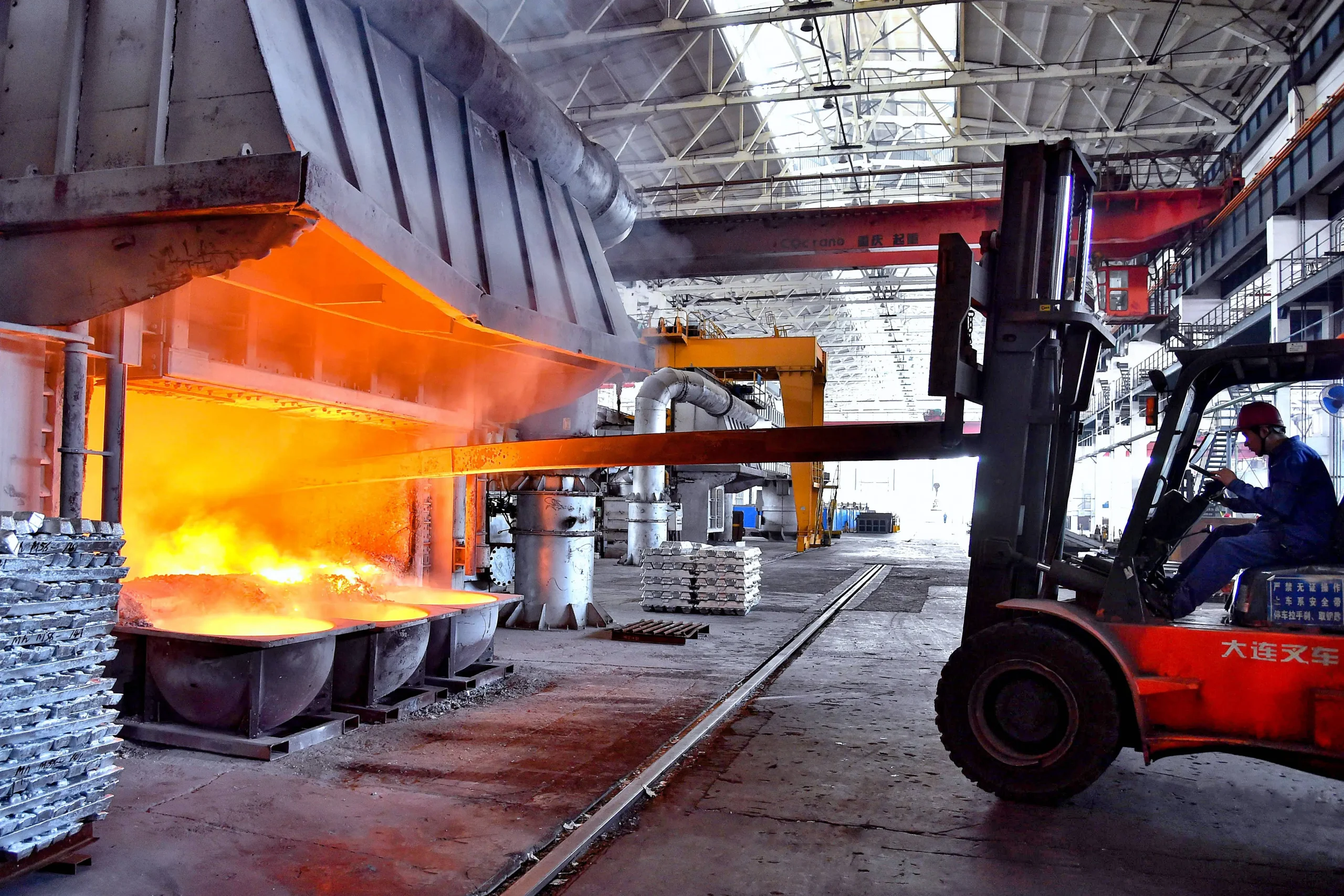
Die casting is restricted to low-melting metals — aluminum (ADC12, A380), zinc (Zamak 3/5) and magnesium (AZ91D). Steel, iron, titanium and copper alloys cannot be die cast: their melt temperature destroys the hardened die steel.
4 · High Minimum Economic Volume
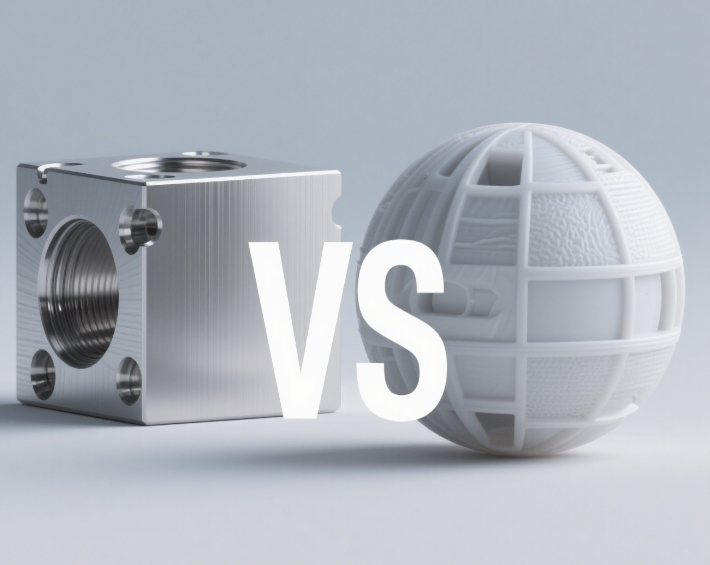
Die casting usually only makes sense above 5,000–10,000 pieces. Below that, the per-part cost is uncompetitive versus CNC or 3D printing because the tooling cost has too little volume to amortize across.
5 · Design & Geometric Constraints
Die casting imposes real rules: aluminum walls ~1.5–4 mm, required draft angles (1–2°), no true undercuts without added slides/lifters (more cost), and part size limited by machine clamp force and platen. Thin, very large, or undercut-heavy parts are problematic.
6 · Secondary Operations Usually Required
Most parts need flash trimming, deburring, and CNC machining for tight tolerances, threaded holes or sealing faces — as-cast tolerance is only ±0.1–0.2 mm. Secondary work adds cost, handling, and the risk that exposed porosity on a machined face causes scrap.
7 · Long Tooling Lead Time & Low Flexibility After Tooling
A production die takes 4–10 weeks, and once steel is cut, design changes are expensive (new core/cavity). Die casting is not agile for iterative design validation.
Die Casting vs CNC vs Investment Casting vs Sand Casting
The fastest way to see whether die casting is right for your volume, material and tolerance. Green = strength, red = weakness.
| Factor | Die Casting (HPDC) | CNC Machining | Investment Casting | Sand Casting |
|---|---|---|---|---|
| Best volume | 5k → millions | 1 → a few k | 100 → 10k+ | 1 → low/mid |
| Tooling cost (NRE) | $8k–$150k+ | None | Medium mold | Low / none |
| Unit cost at volume | Lowest | High | Medium | Medium |
| Materials | Al / Zn / Mg only | Any machinable metal | Steel, Al, bronze | Almost any metal |
| Typical tolerance | ±0.1–0.2 mm* | ±0.005 mm | ±0.3–0.5 mm | ±0.5–1.5 mm |
| Porosity risk | High (std HPDC) | None (solid stock) | Low–medium | Medium |
| First-part lead time | Weeks (tooling) | Days | Weeks | Days–weeks |
| Design freedom | Complex, draft-limited | Very high | High, thin walls | Limited finish |
* As-cast; tighter dimensions need secondary CNC. Goldcattle's CNC machining tolerance is ±0.005 mm (Ra0.4 μm).
When Die Casting Is Still the Right Choice
This is not an anti-die-casting page — it is the honest picture. Die casting wins decisively when all of these line up:
Die casting is your best process when…
- Volume is high and stable (tens of thousands to millions).
- The part is non-ferrous (aluminum, zinc, magnesium).
- Geometry is complex but draft-friendly — thin walls, ribs, bosses.
- Low per-part cost matters more than tooling flexibility.
- You need repeatable, near-net-shape consistency across the run.
…and you should pick CNC / casting instead when
- Volume is low (<5k) — tooling dominates cost.
- The material is steel, iron or titanium — die casting cannot.
- Tolerance must be tighter than ±0.1 mm without machining.
- The design is still changing — you need agility.
- A pressure-tight face is critical and vacuum capability is unavailable.
How Goldcattle Mitigates These Limitations
Twenty-six years of die-making and casting means most of these disadvantages are manageable — when you plan for them up front.
In-House Die Making
Tooling designed, built and maintained on site — lower NRE, faster iterations, one accountable supplier.
Vacuum-Assisted HPDC
Evacuates the cavity before fill; measured porosity reduction of 70–80% versus standard HPDC.
Secondary CNC, Same Plant
Tight tolerances and sealing faces machined in-house — no vendor hand-off, no exposed-porosity scrap.
Early DFM & FAI
We review design and run first-article inspection before mass production to avoid costly re-tools.
X-Ray & Leak Testing
Porosity and pressure-tightness verified on critical parts, with full inspection reports.
Hybrid Process Routing
CNC for low volume, casting + CNC inserts for complex parts — the right process at each stage.
Real Project Example
How Goldcattle resolved a porosity-driven scrap crisis on a critical sealing face — and helped an EV powertrain program launch on time, on cost, and with a follow-on supply agreement.
The Challenge
The customer — an EV powertrain Tier-1 — was sourcing an aluminum housing bracket with a critical sealing face that interfaces directly with the inverter coolant loop. Their incumbent die caster was hitting 8–12% scrap on the sealing face after secondary CNC, with leak-test failures compounding the loss on every production batch.
The root cause was clear once we audited the existing tool: standard high-pressure die casting was entrapping air in the thick boss areas behind the sealing face. The moment the CNC pass exposed those sub-surface voids, the part was scrap — and every leak-test cycle added to the rejection rate.
The customer had a 6-month SOP window. If porosity could not be controlled, their engineering team was preparing to fall back to CNC billet housings — a path that would have quadrupled piece cost and missed the program's cost target entirely.
Our Approach
Goldcattle ran a full process audit on the existing tool, mapped the fill pattern and overflow geometry against the porosity defects, and proposed a four-part fix — all implemented in-house so we controlled every variable:
- Vacuum-assisted HPDC on a 280-ton cold-chamber machine, with per-cycle vacuum-level verification so any drift is caught immediately.
- Redesigned gate and overflow system to evacuate the boss areas first and feed the sealing face last, minimizing entrapped gas at the critical surface.
- Controlled secondary CNC on the sealing face — light passes, sharp tooling, depth-controlled to avoid breaking into sub-surface porosity.
- In-house die making and modification for the updated tool, cutting die lead time from a typical 8–10 weeks down to 5 weeks.
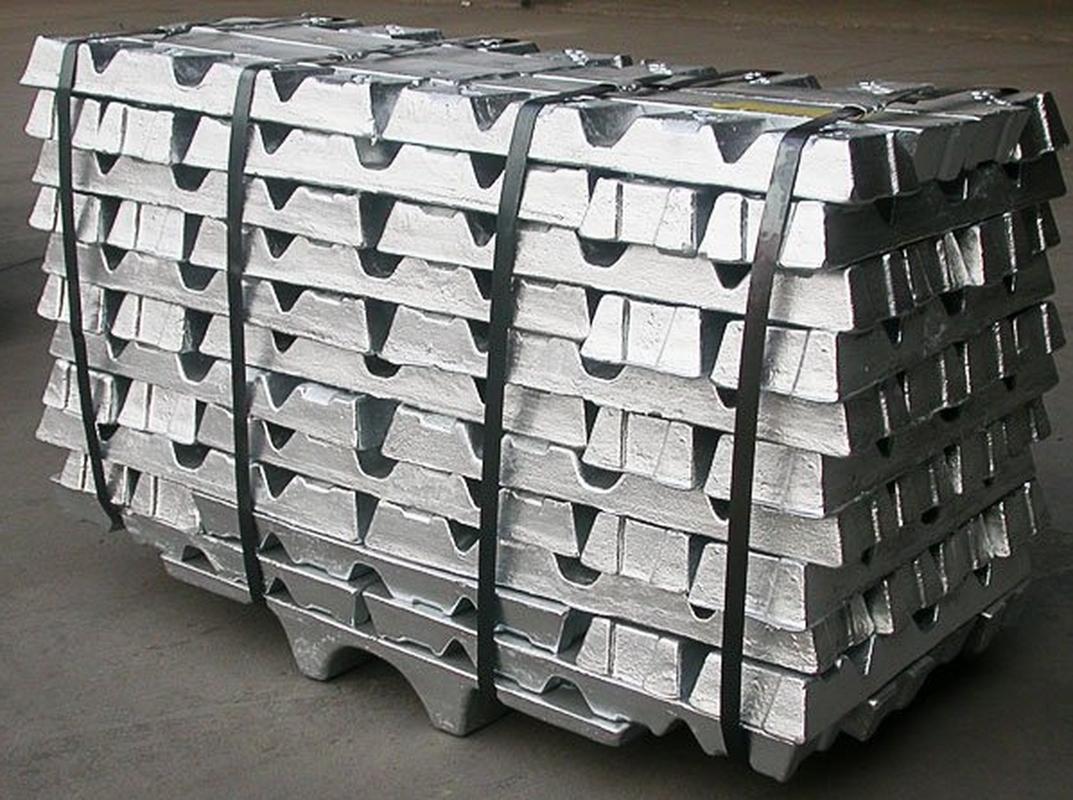
Material was upgraded to certified ADC12 ingot with full lot traceability, and melt parameters were tuned to the new tool's thermal profile.
Validation & Quality
Every part of the pilot and pre-production batches went through a documented validation chain before we released the line to mass production:
- First-article X-ray (radiographic) inspection on 100% of pilot parts — zero porosity exceeding customer spec at the sealing face.
- Helium leak test on 100% of sealing faces at production coolant pressure.
- 5-axis CMM dimensional check against the customer drawing's CTQs and ±0.05 mm flatness requirement on the sealing face.
- PPAP submission with full material traceability (SGS, ROHS) and process-capability (Cpk) data for every critical characteristic.
Once the pilot passed, we locked the process window and ran a 1,000-piece pre-production lot to confirm stability before SOP.
Results & Business Outcome
- Porosity scrap on sealing face: 8–12% → <1.5%
- Helium leak-test pass rate: ~90% → 99.7%
- Unit cost at volume: ~30% lower than the CNC billet fallback the customer had been considering
- Tool lead time: 5 weeks vs. industry-typical 8–10 weeks
- Program launched on schedule; no fallback to CNC billet was needed.
- Customer expanded the relationship to 4 follow-on part numbers and signed a 2-year supply agreement at ~120k parts/year.
Frequently Asked Questions
Straight answers engineers and buyers ask before choosing a process.
What is the biggest disadvantage of die casting?+
For performance parts, porosity (entrapped gas) is the most limiting — it causes leaks and weld defects on structural or pressure-tight faces. For cost-sensitive buyers, the high upfront tooling cost is usually the biggest barrier because it only pays off at volume.
Can die cast parts be heat treated?+
Standard high-pressure die cast parts are generally not T6 heat treated — trapped porosity expands under heat and causes blistering. Vacuum or porosity-controlled castings can sometimes be treated; squeeze casting is a better route when heat treatment is required.
What is the minimum production volume for die casting to be economical?+
Typically 5,000–10,000+ pieces. Below that, CNC machining or 3D printing is usually cheaper because there is no tooling (NRE) to amortize.
How does vacuum die casting reduce porosity?+
Vacuum-assisted HPDC evacuates air from the die cavity before the molten metal fills it, so far less gas is entrapped. In Goldcattle's production experience this reduces porosity 70–80% versus standard HPDC.
Die casting vs CNC machining — which is better for low volume?+
CNC machining wins for low volume (1 to a few thousand) because there is no tooling cost and design changes are free. Die casting only becomes cheaper per part once volume is high enough to amortize the mold.
Can steel be die cast?+
No. Molten steel (~1500°C) destroys hardened die steel. Steel and other ferrous / high-temperature alloys must use investment casting, sand casting, or CNC machining instead.
What is the typical tolerance of die casting without secondary machining?+
Typical as-cast tolerance is ±0.1–0.2 mm. Tighter dimensions, threads and sealing faces usually require secondary CNC machining.
Why are die cast parts porous?+
High-pressure filling traps air in the cavity, and the metal also shrinks as it solidifies. Both create internal voids (porosity), which is why standard HPDC parts can leak or fail welds.
Is die casting suitable for pressure-tight or structural parts?+
Yes for many applications when porosity is controlled — vacuum-assisted HPDC plus X-ray / leak testing. Pure standard HPDC on a critical pressure-tight face is risky and normally avoided.
How much does die casting tooling cost?+
Tooling typically ranges from $8,000 to $150,000+ depending on part size, complexity, number of cavities and steel grade. In-house die making, as Goldcattle does, lowers both cost and lead time.
Need a Free Process Recommendation?
Send us your drawing and we'll tell you — with the numbers — whether die casting, CNC or a hybrid is the right call for your volume, material and tolerance. One accountable supplier from prototype to mass production.
NDA available · ISO9001 / SGS / ROHS / Rmbond certified · In-house die making & vacuum HPDC · 24h response across time zones